Mucem's collections
Heir to the Musée d’Ethnographie du Trocadéro and the Musée National des Arts et Traditions Populaires, since 2005 the Mucem has focused the enrichment of its ethnographic collections and holdings on Europe and the Mediterranean.
Mucem provides you with information from its collection management, archive and library databases. Despite ongoing documentation of the collections, some information may still be incomplete or inaccurate. If you notice any errors or have additional information about an object, please let us know at contactccr@mucem.org.
The oldest images are of variable quality, sometimes produced solely for the purpose of identifying objects. We replace them as digitization campaigns progress.
Rechercher dans les collections
Recherche avancéeExplore the collections by theme
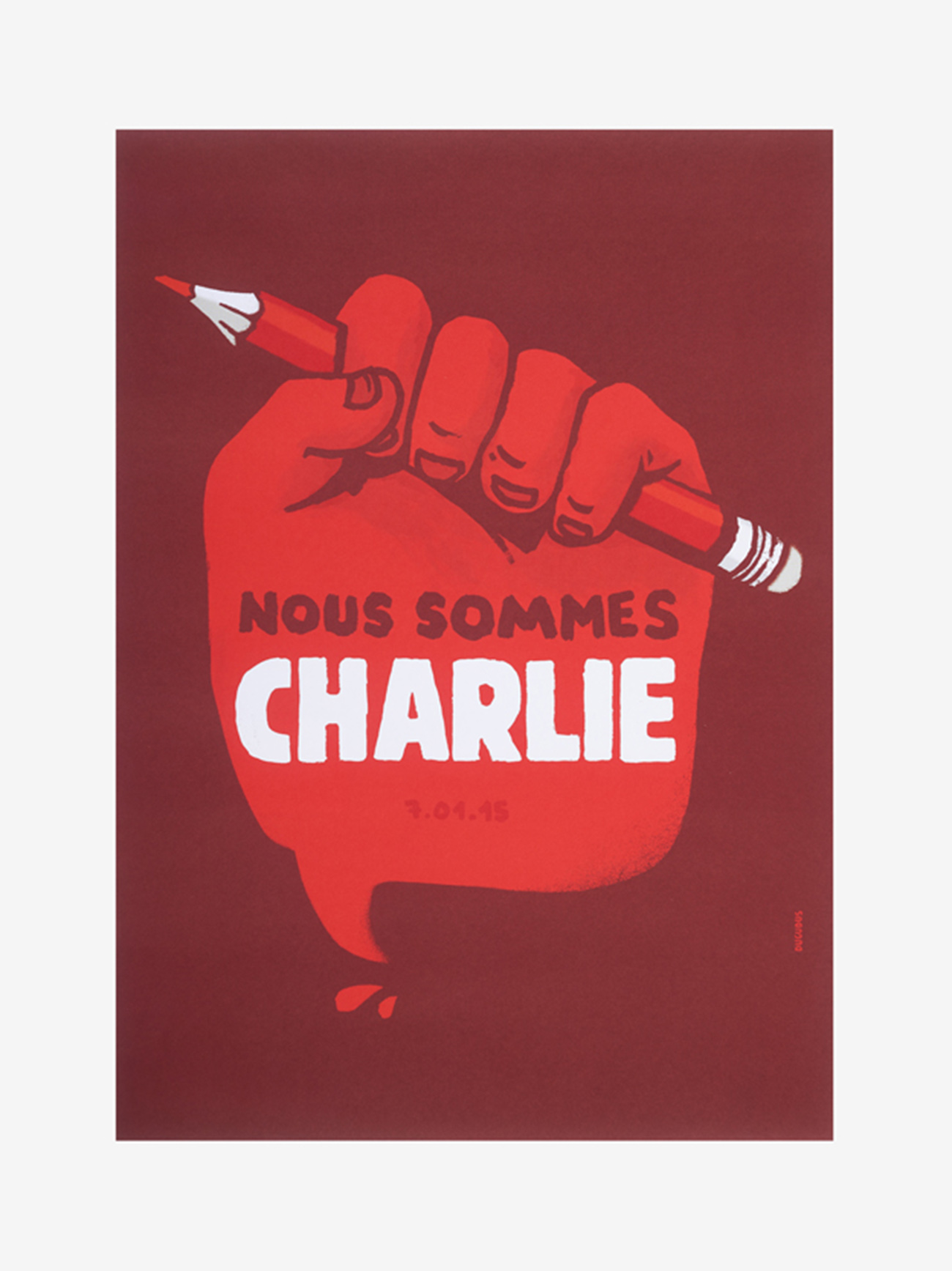
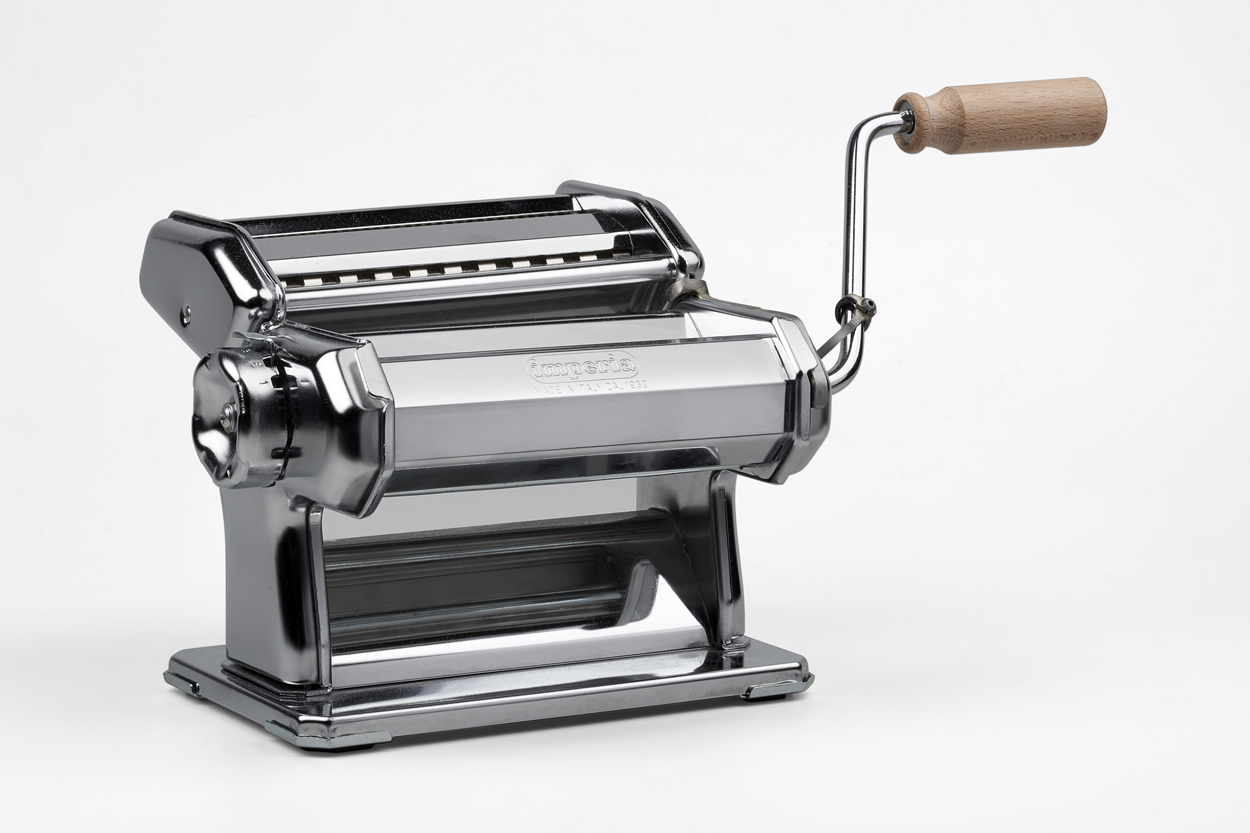
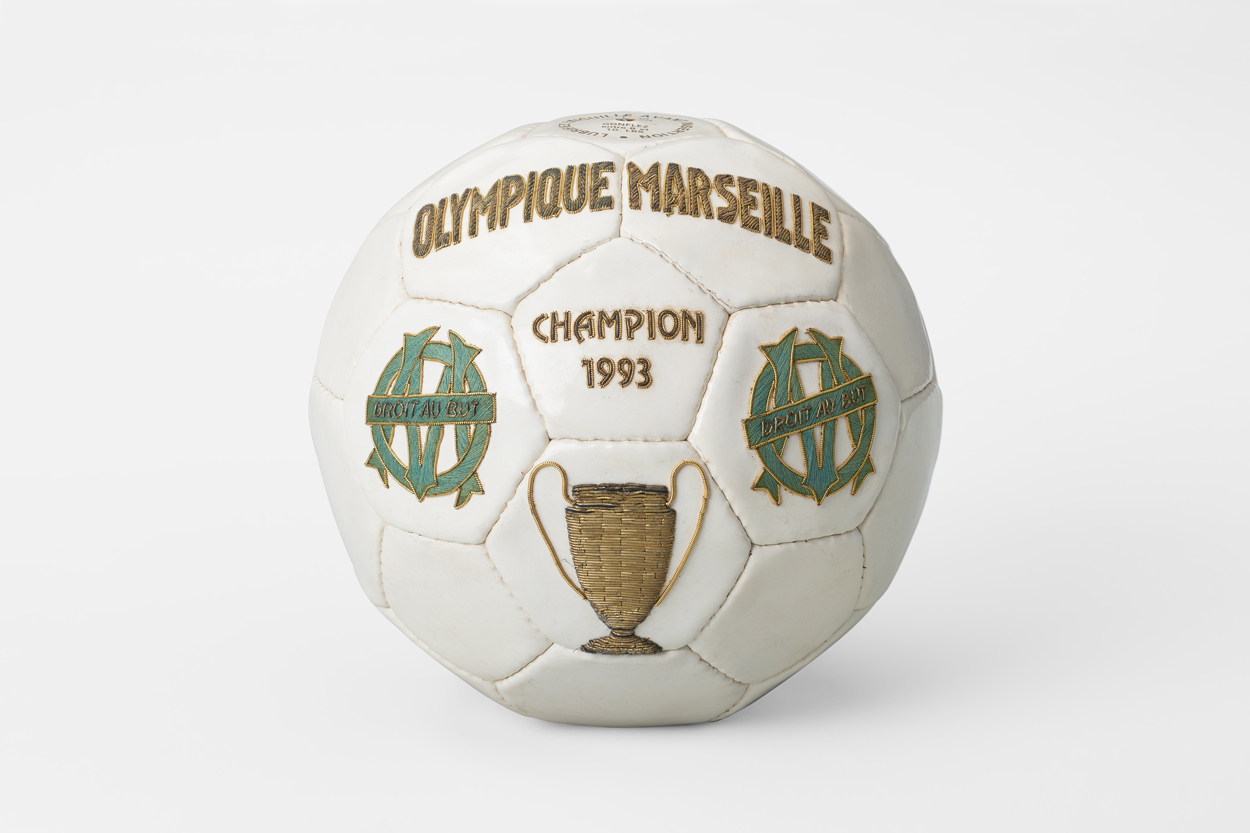
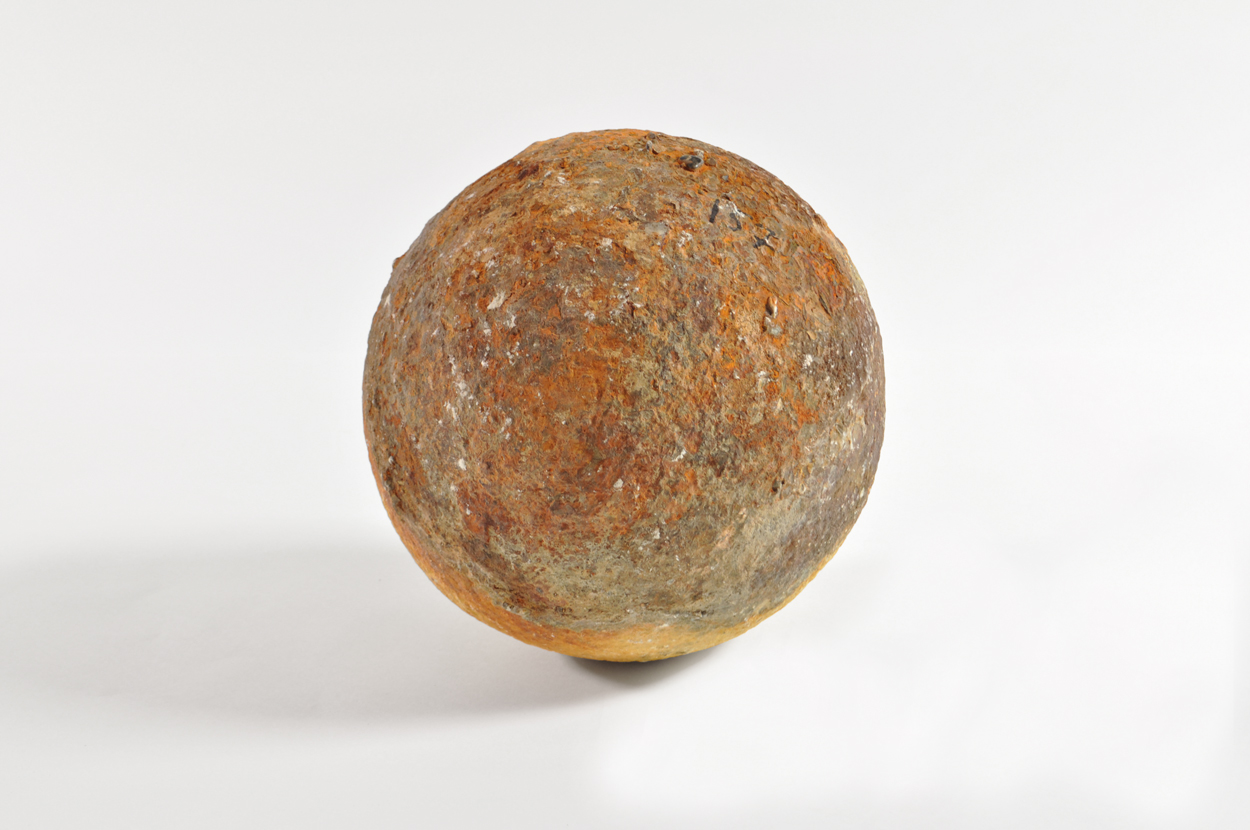
Collection news
View all news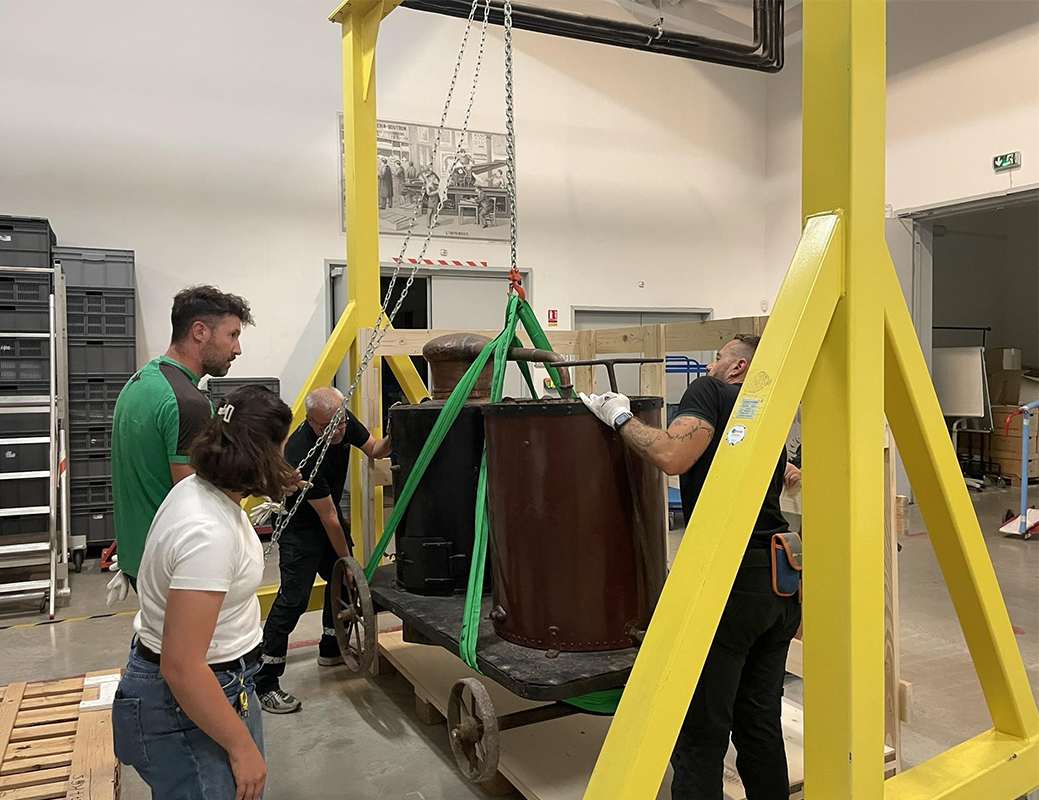
Ready: Packing a still
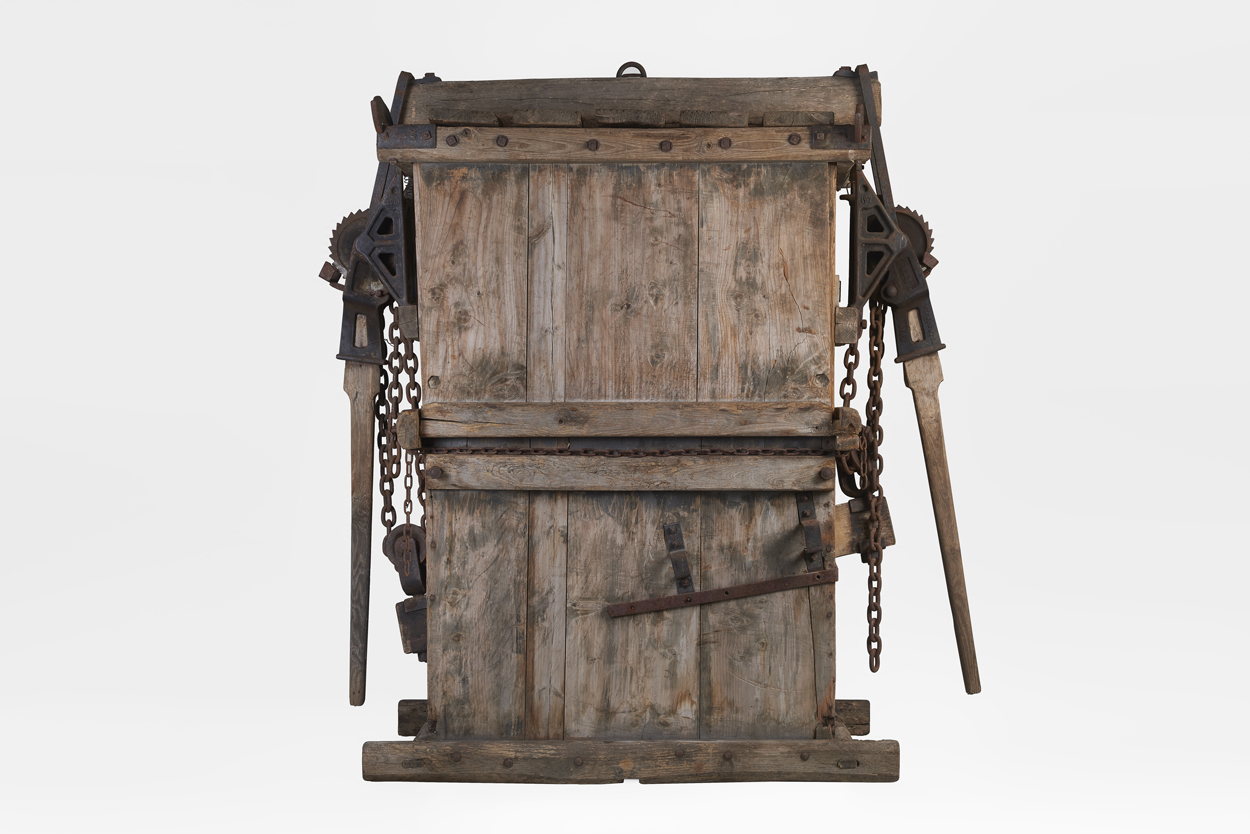
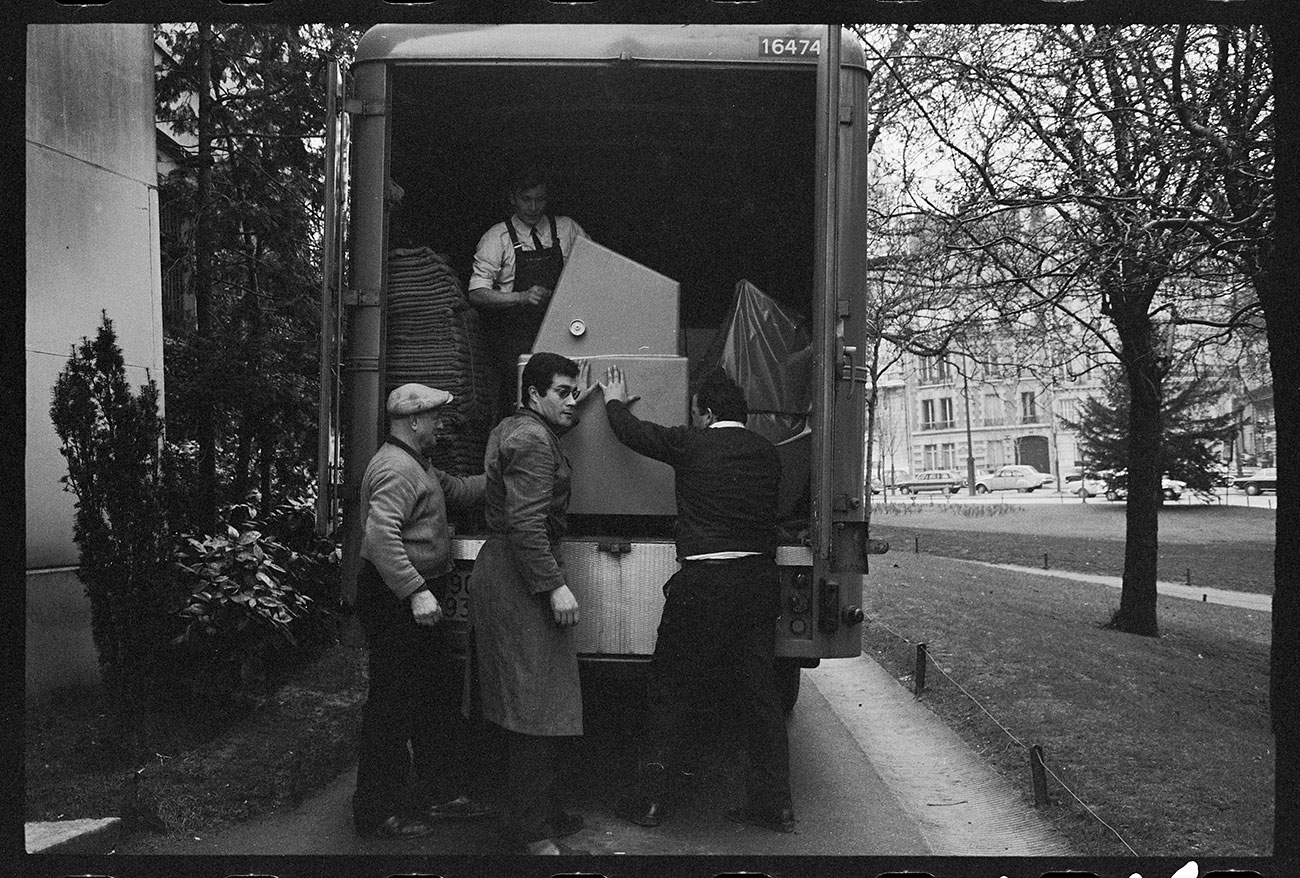
The CCR’s logistics team assisted with the packing of a still from our collections, carried out by the teams at Bovis (an art transport company specializing in heavy objects).
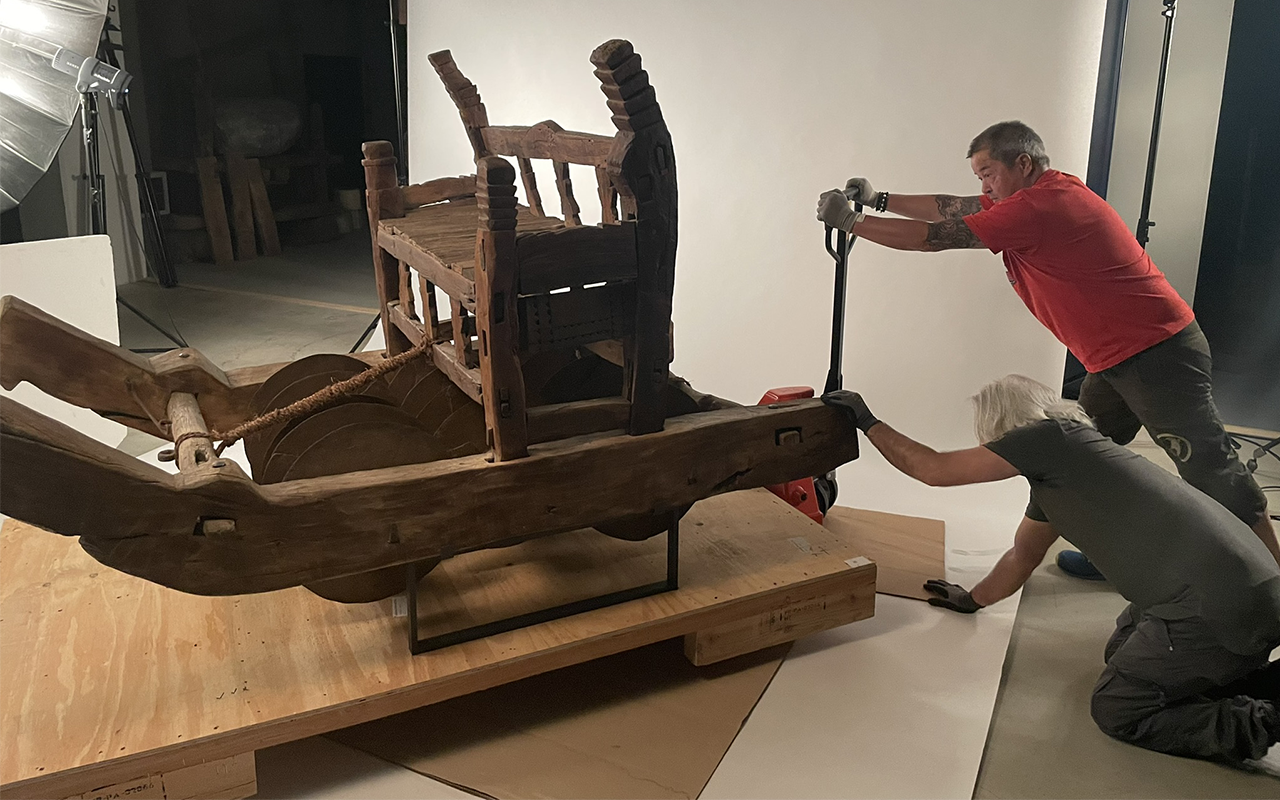
Behind the Scenes: A Photography Workshop Right in the Heart of the Great Reserves
To prepare the catalog for upcoming exhibitions, the CCR’s photo studio traveled to the R4 storage facility to take pictures of a straw chopper and a foosball table right on site.
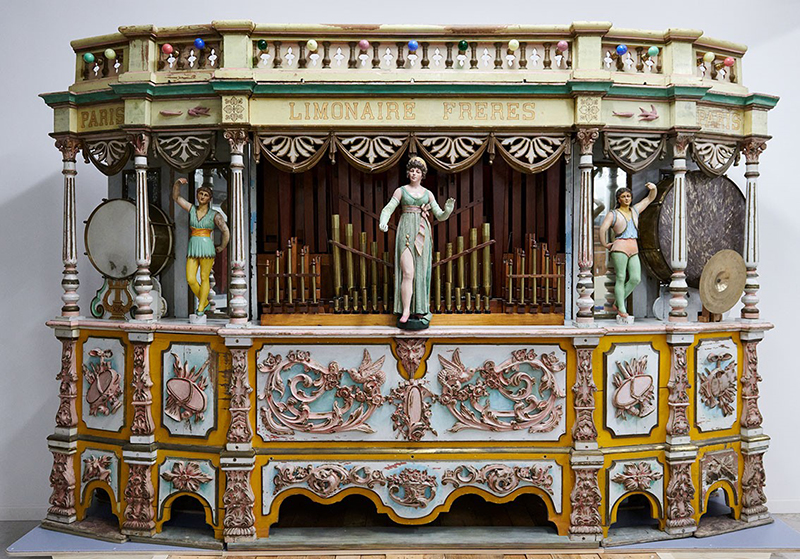
Restoration: Limonaire Orchestrophone
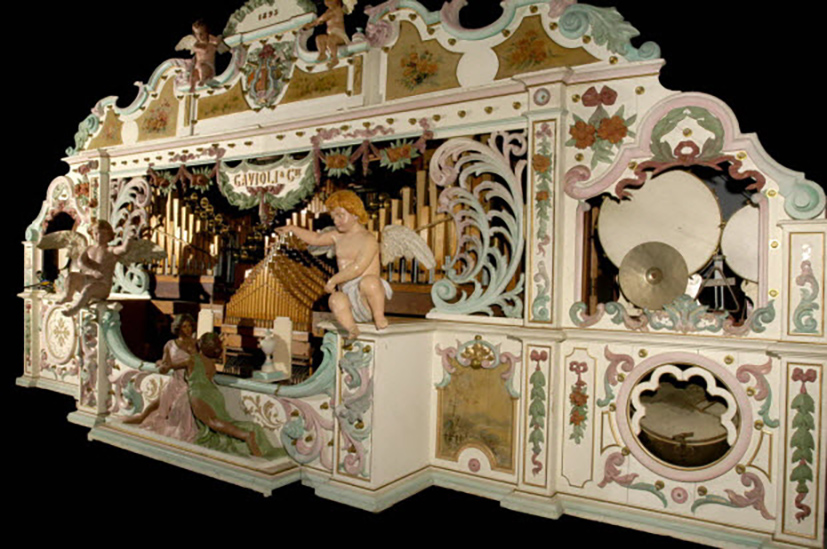
The Mucem houses a significant collection of fairground art that bears witness to the boom in fairs and carnivals during the 19th and 20th centuries, including this 60-key organ made in Paris in 1903 by Limonaire Frères. Restored in preparation for a loan to the Royal Saltworks of Arc-et-Senans for the exhibition *Destins de cirque* (October 24, 2020 – January 9, 2022), it can be (re)discovered in the public storage area of the Mucem’s Conservation and Resource Center during the upcoming European Heritage Days, or during the monthly tours offered free of charge to the public.
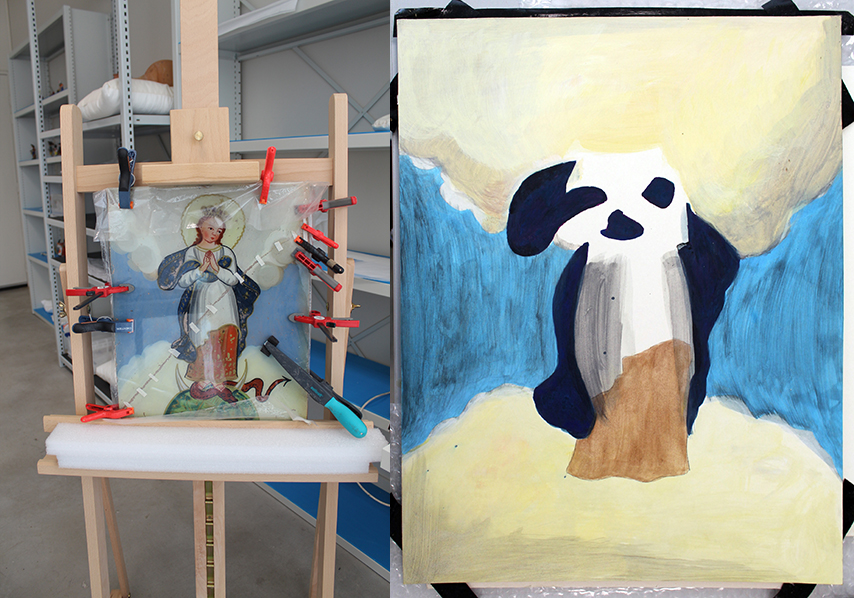
Restoration: Virgin of the Immaculate Conception
Restoration of a painting under glass for the exhibition “Another Italy”
Temporary exhibitions often provide an opportunity to restore works of art, either to stabilize them in preparation for transport or to make them more accessible to viewers. The painting under glass depicting the Immaculate Conception was thus restored for the exhibition “Another Italy” (Fort Saint-Jean, May 25–October 10, 2022), where it will be part of a collection dedicated to popular piety.
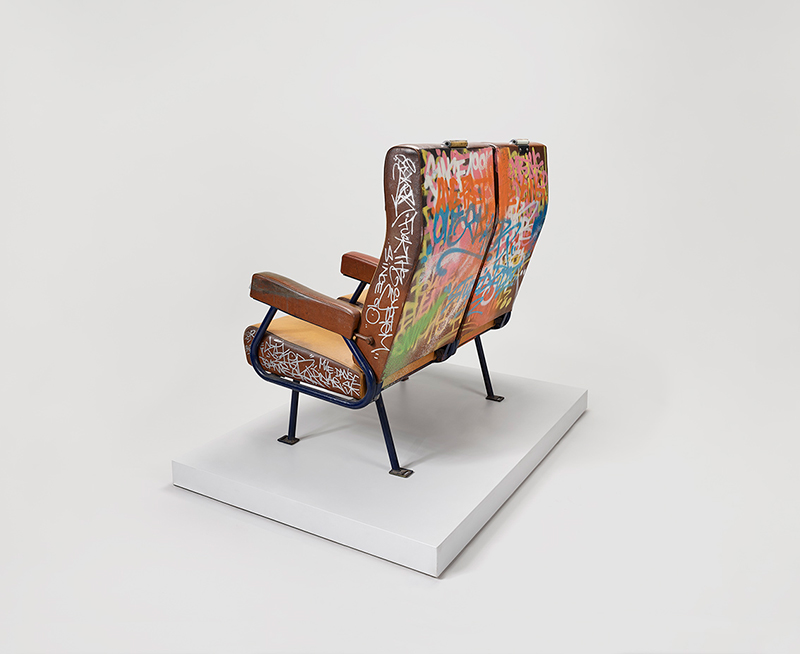
Acquisition: Graffiti Artist Sike
In 2022, the Mucem expanded its collections through the acquisition of works, creative tools, and photographic archives by the graffiti artist Sike. This acquisition builds on the “Graff & Hip-Hop” research and collection project, which has been conducted since the late 1990s by the National Museum of Popular Arts and Traditions, of which the Mucem is the successor.
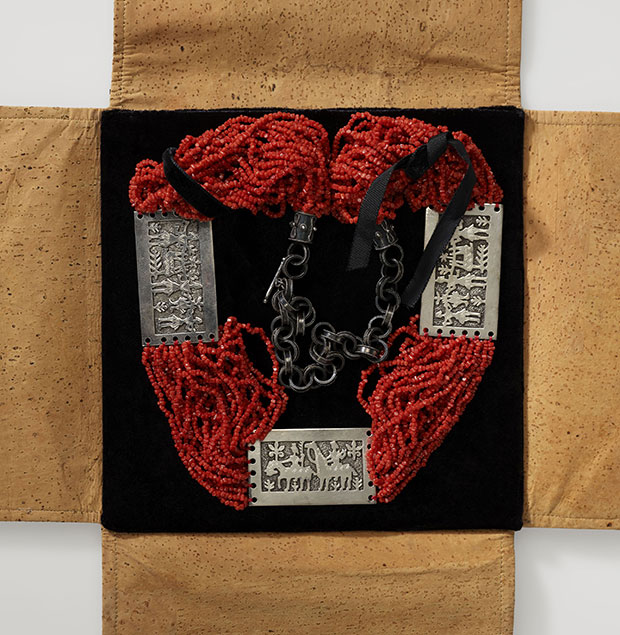
Acquisition: "I danzatori del crepuscolo" (The Dancers of Twilight) Belt
As a continuation of the research and collection project on Mediterranean jewelry conducted in 2018 in Sardinia—where goldsmithing is rich in diverse influences and artisans continue to craft traditional jewelry— the Mucem acquired a piece by Caterina Murino in 2022.
Interview with Pascal Laporte, Vezzoni Agency
Pascal Laporte, an architect who graduated from the Marseille School of Architecture and the Duperré School of Applied Arts (with a degree in visual arts, specializing in surface design), is a co-founder of the firm Corinne Vezzoni & Associés.
In 2004, the firm was selected to design the Mucem’s storage facilities: the Conservation and Resource Center, located at 1 rue Clovis Hugues in Belle de Mai, opened its doors in 2012. Ten years later, Pascal Laporte reflects on the design of this building.
Acquisition: That Raoul LALA There
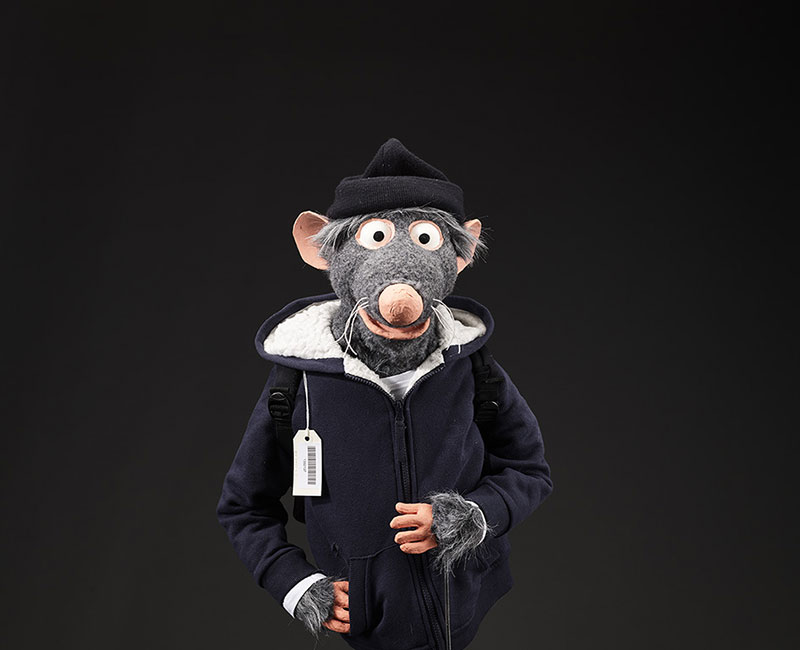
The Mucem and puppets share a long-standing love affair. The museum’s storage areas are brimming with them. Since 2021, thanks to the interactive tour created by M@riolab, Raoul Lala has been offering a fun way to explore the Mucem’s puppet collection.
To celebrate this wonderful collaboration between the museum and the famous Marseille puppet, the Mucem decided in 2022 to acquire Raoul Lala. Cyril Bourgois, Raoul Lala’s creator and puppeteer, crafted a replica of his own puppet during a five-day residency at the Mucem’s Conservation and Resource Center.
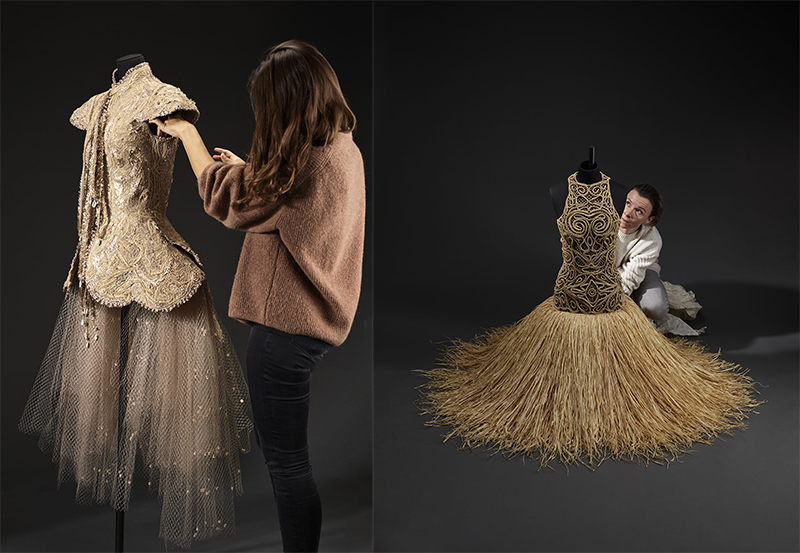
Costume modeling for the "Fashion Folklore" exhibition
The Mucem’s textile collections form the heart of the “Fashion Folklore” exhibition. Traditional folk costumes are juxtaposed with haute couture pieces and works by leading designers. To facilitate this dialogue, the process of dressing the mannequins—that is, placing the garments on mannequins for the exhibition—is an essential and meticulous step.
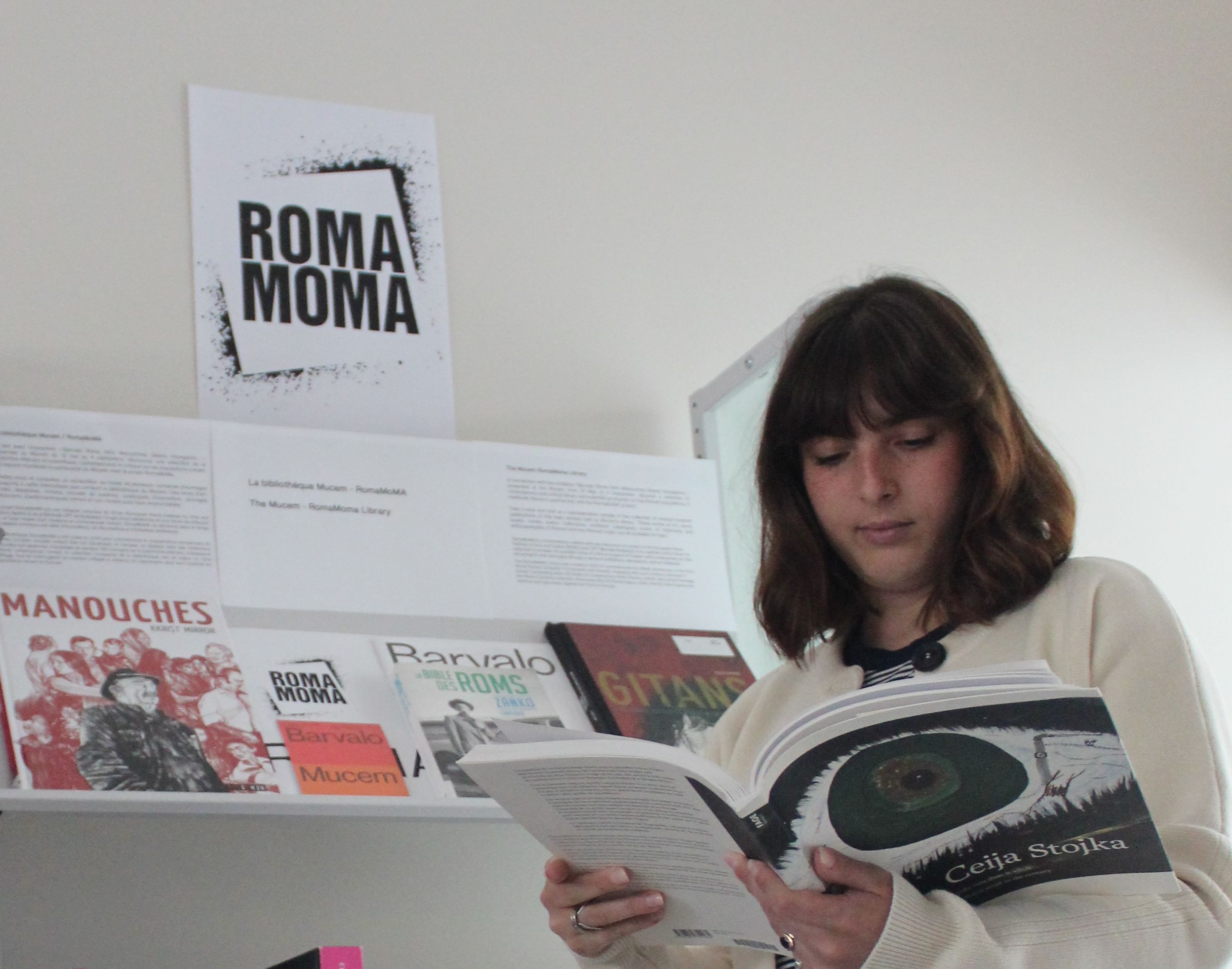
The Mucem / RomaMoMA Library
In conjunction with the exhibition “Barvalo. Roma, Sinti, Manouches, Gypsies, Travelers…” presented at the Mucem from May 10 to September 4, discover a selection of contemporary and critical literary and scholarly works on Romani communities. This space highlights the Mucem’s partnership with the RomaMoMa project.
The RomaMoMA project is a joint initiative of Eriac (European Roma Institute for Arts and Culture, Berlin) and the Budapest Biennale OFF. It serves as a platform and forum for reflection on a future museum of Romani modern and contemporary art. RomaMoMA will unfold over time and across different locations through a series of exhibitions, discussions, and artistic initiatives.
Explore by focus
Immerse yourself in the vastness of the Mucem’s collections and follow the surprising themes imagined by our curators. Discoveries and a change of scenery guaranteed!
 Discover
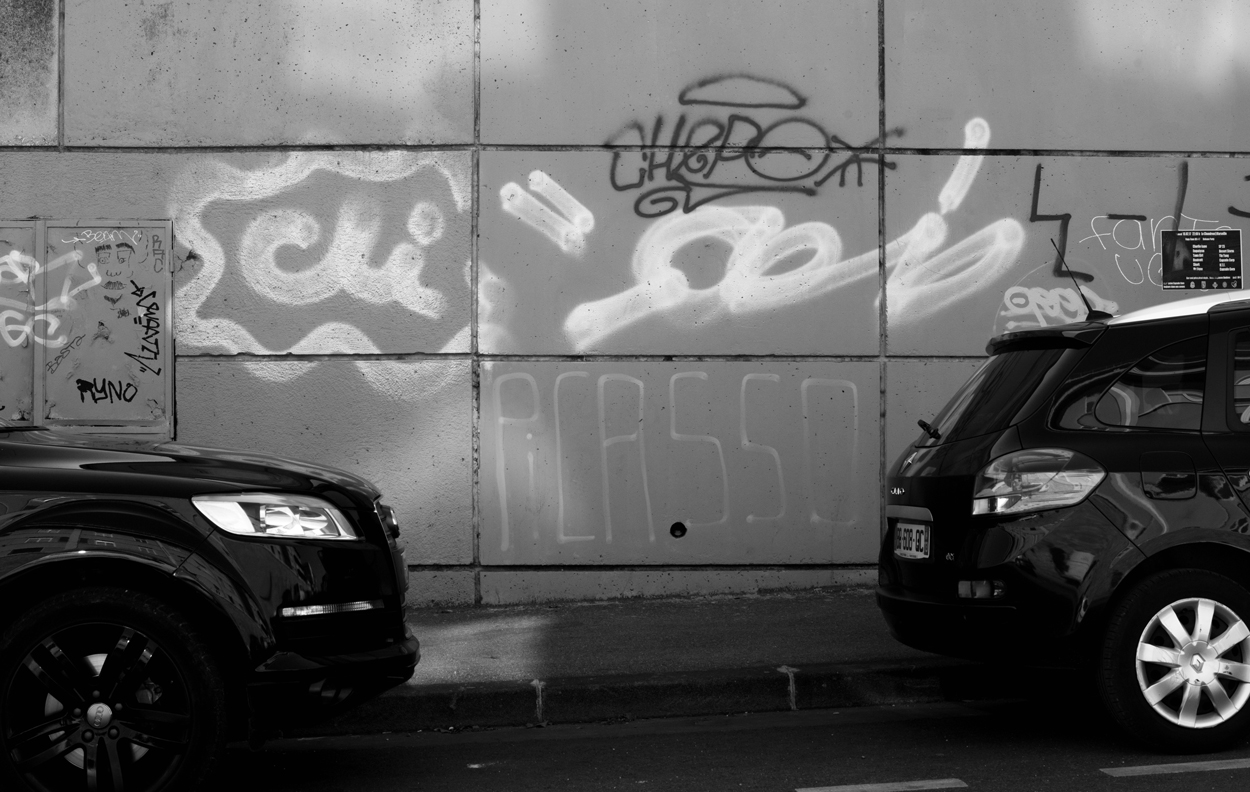
Tagging and Graffiti: “Illegal Art” at the Museum
Between 2001 and 2006, Claire Calogirou, a research associate, conducted several field surveys on the topics of hip-hop, dance, tagging, and graffiti. As for graffiti, 958 items were added to the Mucem inventory, representing an impressive collection of graffitied signs, posters, stickers, markers, spray paint cans, magazines, sketches, photographs, videos, and more. This rich body of research offers insights into social relations in urban settings, the issue of the appropriation of public space, and its reclamation through practices rooted in street culture. Discover
Soccer & Identities
A Mediterranean Survey and Data Collection Project
The “Football & Identities” survey and data collection project represents three years of research, conducted from 2014 to 2016, in 10 countries in the Mediterranean region: Algeria, Bosnia and Herzegovina, Spain, France, Israel, Italy, Morocco, Palestine, Tunisia, and Turkey.
Four humanities researchers—Christian Bromberger, Abderrahim Bourkia, Sébastien Louis, and Ljiljana Zeljkovic—sometimes accompanied by a curator —Florent Molle—and photographers—Giovanni Ambrosio and Yves Inchiermann—collected more than 400 objects, approximately 3,000 photographs, and over 6 hours of video footage. Upon their return from the field and after review, the collected objects and photographs will be presented to the Mucem’s acquisitions committees to determine whether they will be added to the public collections and made available to the public.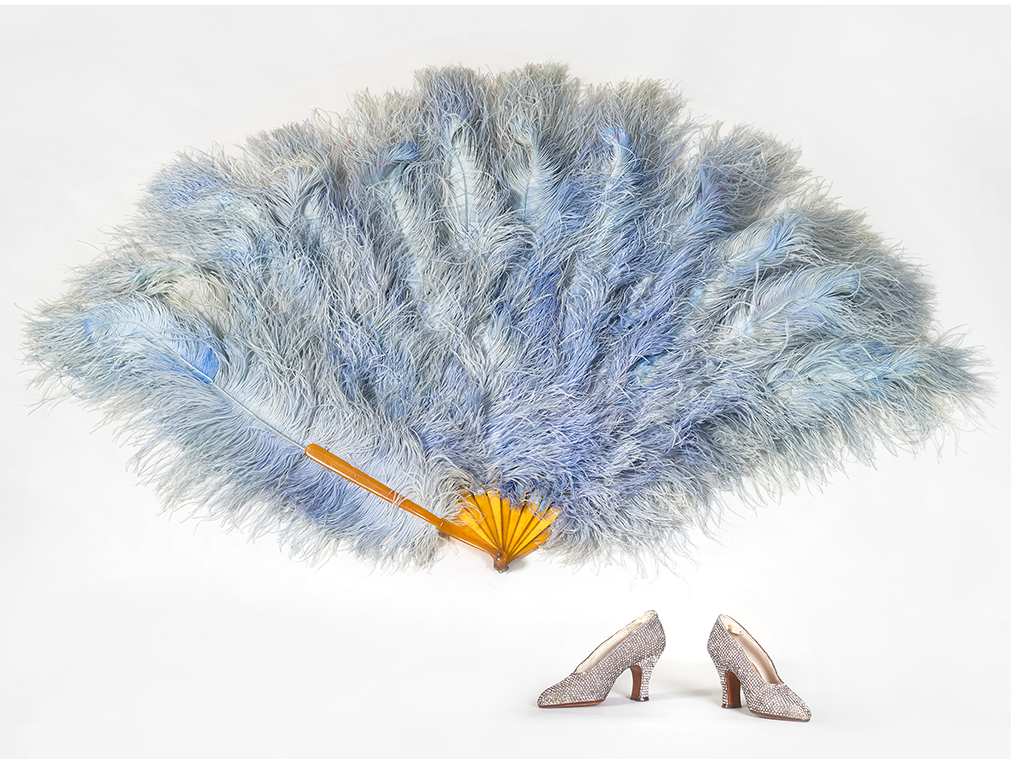 Discover
Celebrity!
Cult Objects and the Star System in the Mucem Collections
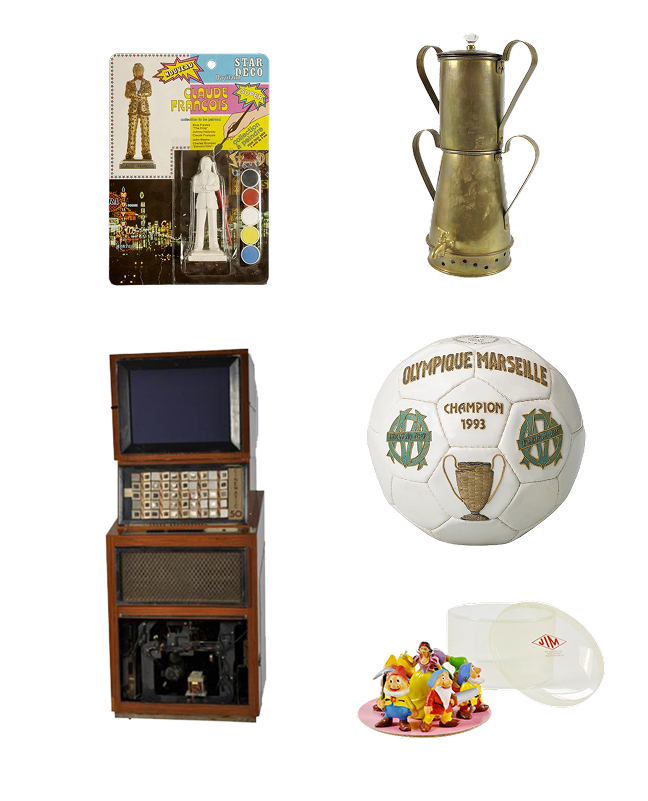
A dress, a console table, a belt buckle, a soccer jersey, a pair of shoes, a swimsuit, a radio: here is a list of simple everyday objects that bear witness to their era. This list would have a very different impact if we added the names of the people to whom they belonged: Edith Piaf’s dress, Pink Floyd’s mixing console, Saint Vincent Palotti’s belt buckle, Cristiano Ronaldo’s soccer jersey, Mistinguett’s shoes, Miss France’s swimsuit, Psykose’s “cataposte.” From being mundane, these objects take on power, sparkling with the glamour of fame. They become desirable and “magical.” But these relics come at a price that is, too, far from trivial…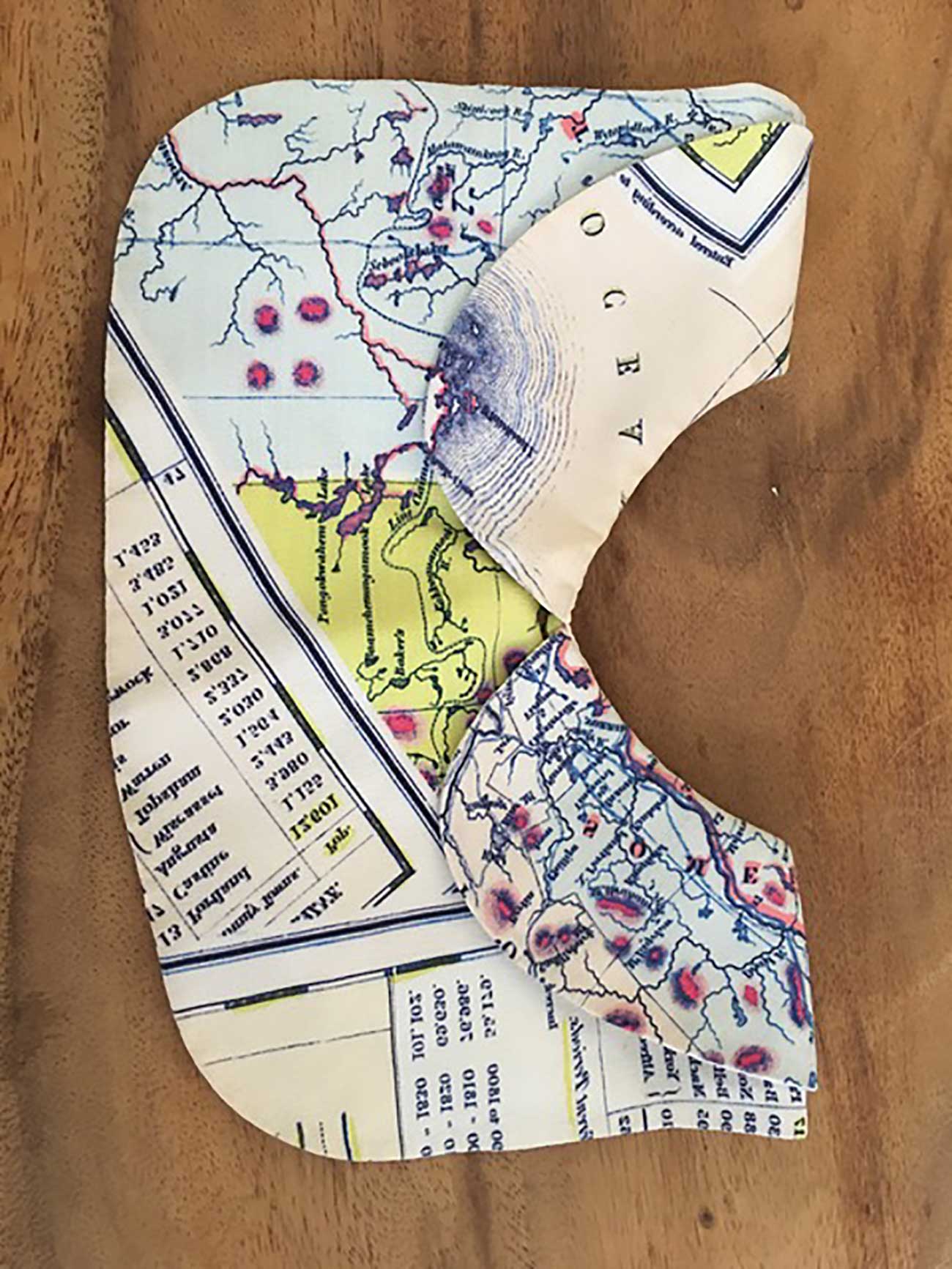 Discover
"Life During Lockdown," the collection
In April 2020, the Mucem launched a major participatory project focused on our lives during lockdown. Many of you took part.
The Mucem has received more than 600 proposals, which are still being reviewed, and some of which will be added to its collections once the review process is complete. A digital booklet lists all the proposals collected through this call for submissions, and here are a few examples: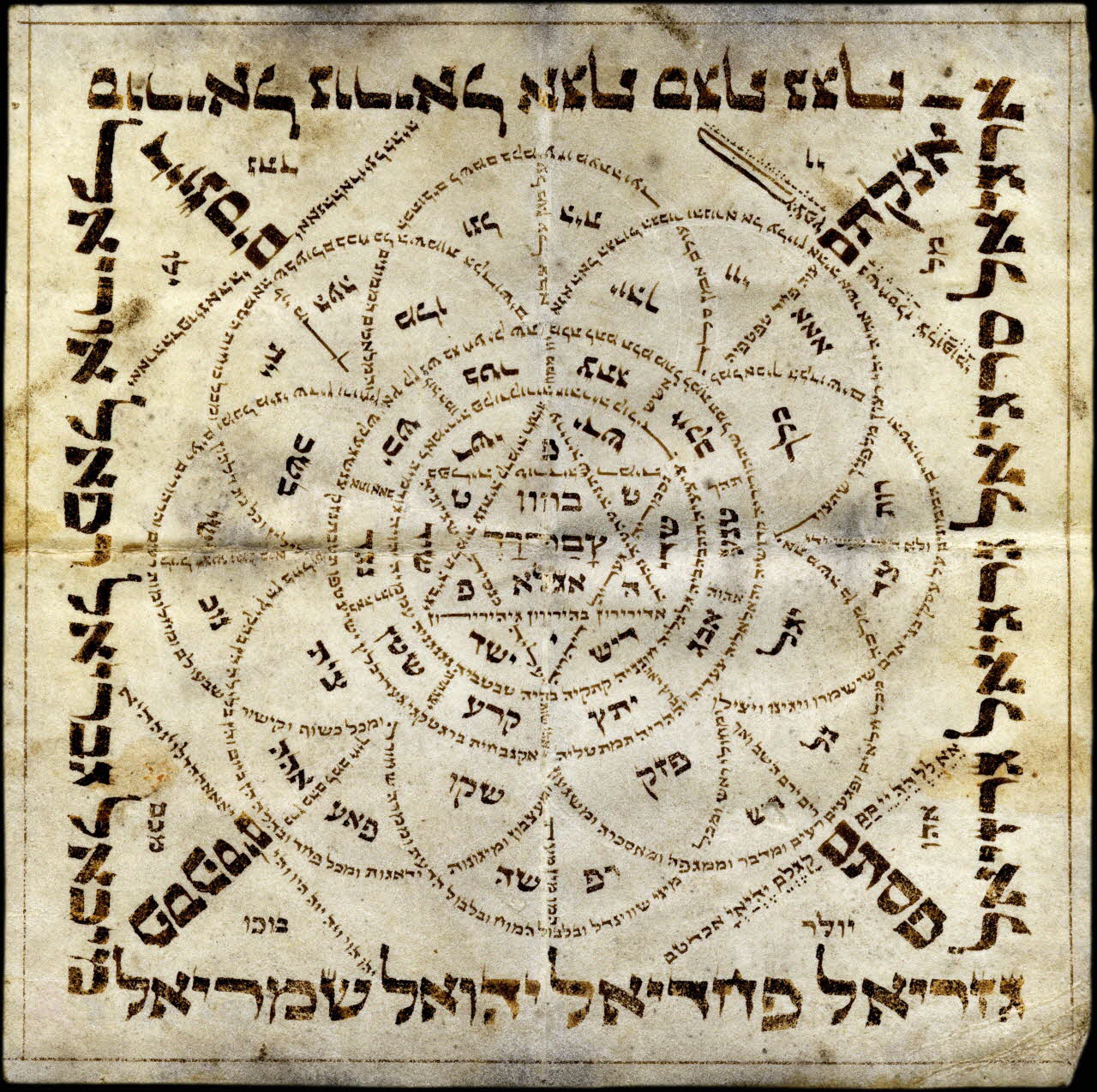 Discover
Watch out for wizards!
Magic and witchcraft: some of us consider them laughable superstitions, others believe in them, and many are undecided. But believing in them has a bad reputation among rational minds: such beliefs were fine for our ancestors—especially in rural areas—or are still acceptable in developing countries—but certainly not here, not today, and definitely not in the city. Yet observing the behavior of our contemporaries shows that scientific progress has not brought an end to mysteries and beliefs, neither in post-industrial France nor elsewhere. Often powerless in the face of misfortune, suffering, and anxiety, people are not satisfied with the answers provided by science. Science leaves a seemingly irreducible space for other principles and other ways of understanding the world.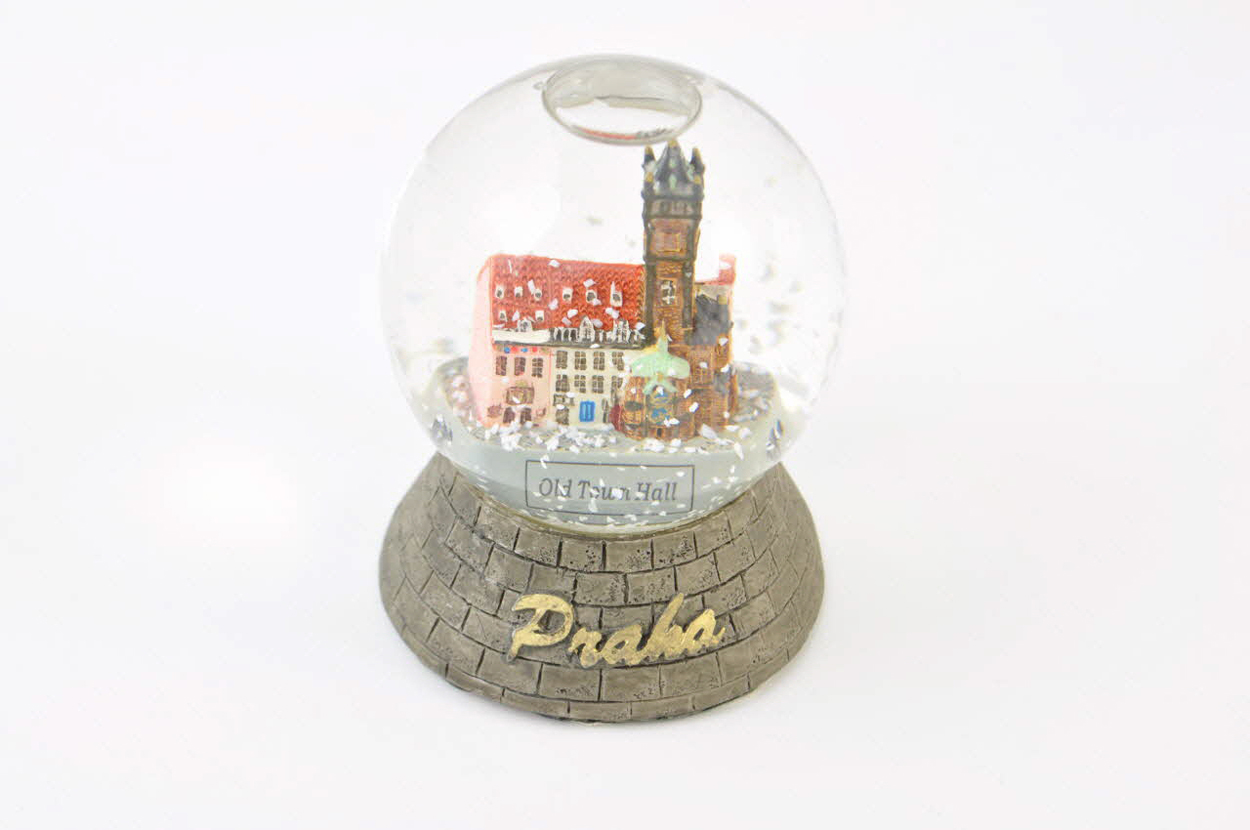 Discover
A Whimsical Alphabet Book!
What are these objects doing at the Mucem?
As its name suggests, the Mucem is a museum of civilizations. In other words, it focuses on everything produced and used by European and Mediterranean societies, from the dawn of humanity to the present day. In the museum’s view, a funerary sculpture from Ancient Egypt speaks just as much about the ritual practices surrounding death during the reign of the pharaohs as a wreath of glass-bead flowers reflects the attachment to the deceased in France during the first half of the 20th century.
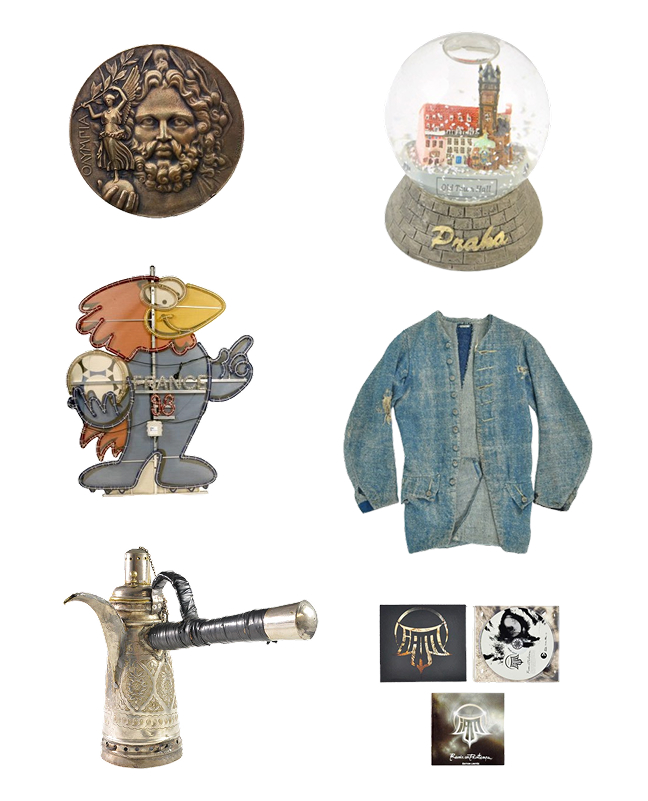
Every object, no matter how humble or kitschy, thus bears witness to the society from which it originated. That is why, since its founding, the museum has made it its mission to seek out and preserve a wide variety of possible and imaginable artifacts in order to preserve their memory. In particular, it has worked systematically by organizing annual collection surveys. For a given theme, within a defined geographic area, Mucem researchers gather testimonies, images, and objects. This is how the artifacts below found their way into the national collections.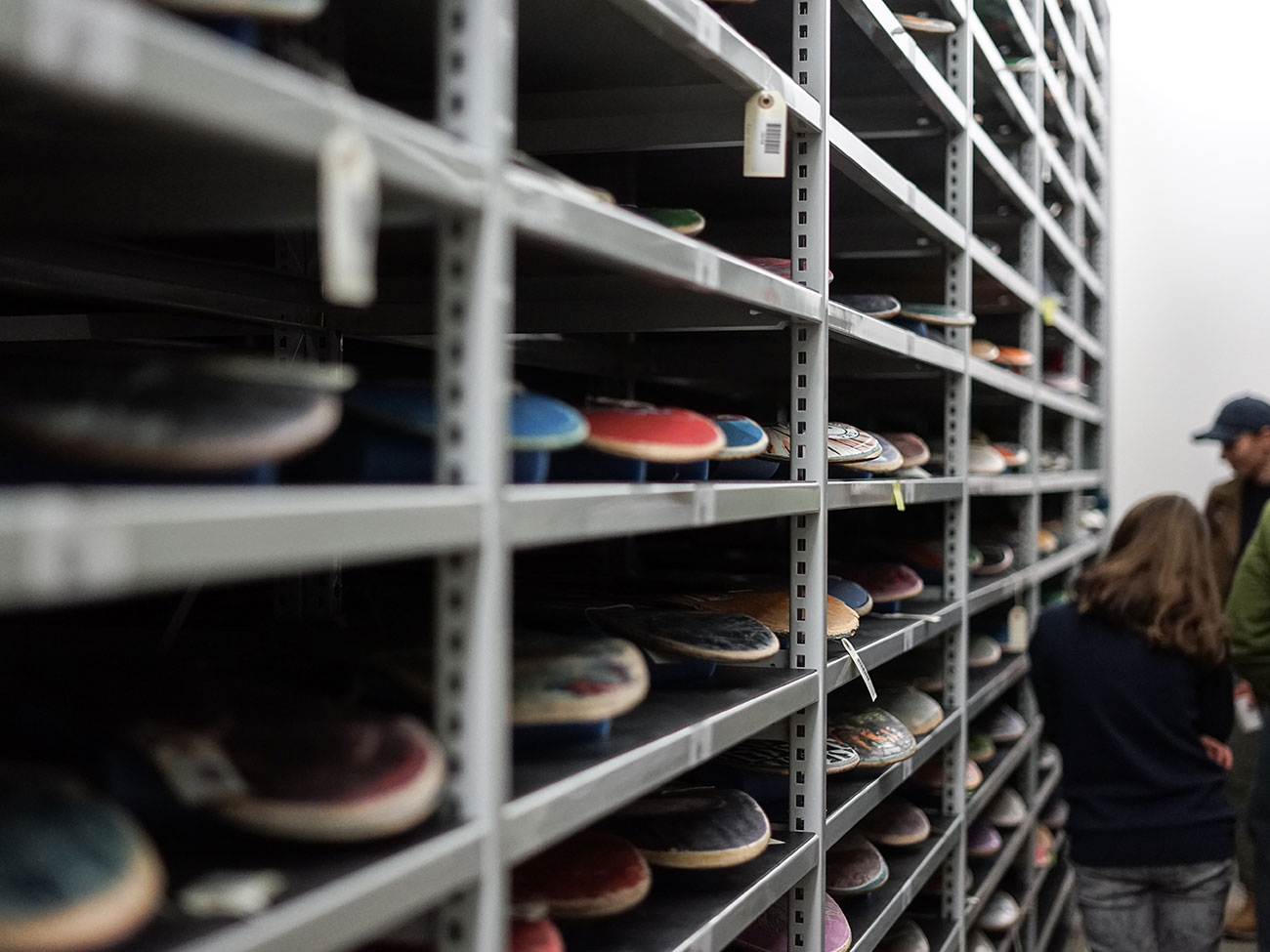 Discover
From California's Beaches to the Mucem: Skateboarding Culture at the Museum
José de Matos, Tony Hawk, Mark Gonzales… these names, which resonate with anyone who has ever skated, belong to legendary skateboarders whose legacies are represented in various forms in the Mucem’s collections. Some of them have donated skateboards, equipment, or memorabilia to the museum, while others are represented through skateboards bearing their names.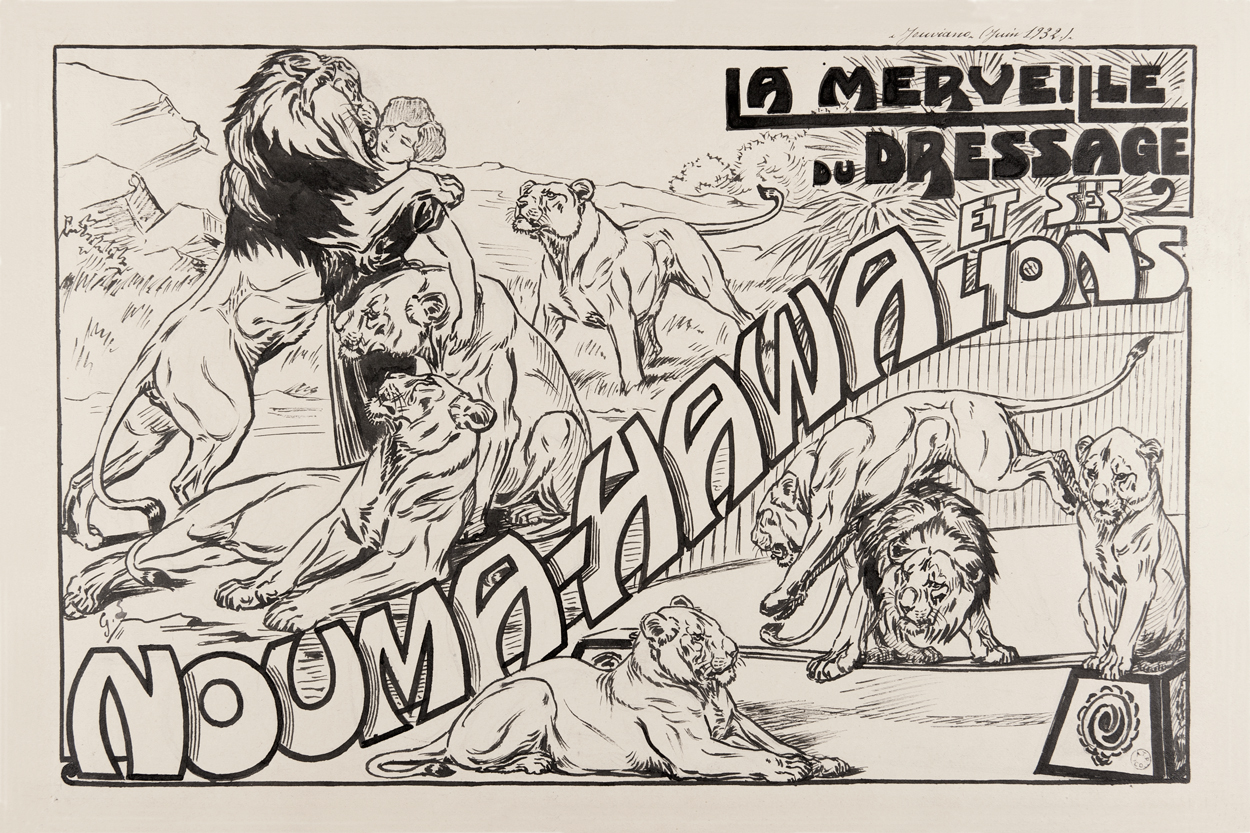 Discover
Draw Me a Lion
Gustave Soury's Animal Art
Gustave Soury (1844–1966) was an illustrator, painter, poster artist, and advertising artist who specialized in animal art for circuses and fairground menageries.
His vast and meticulous body of work, dominated by the figure of the big cats, reflects not only his passion but also our urban society’s fascination with exotic animals, their frightening wildness, and their endearing tenderness.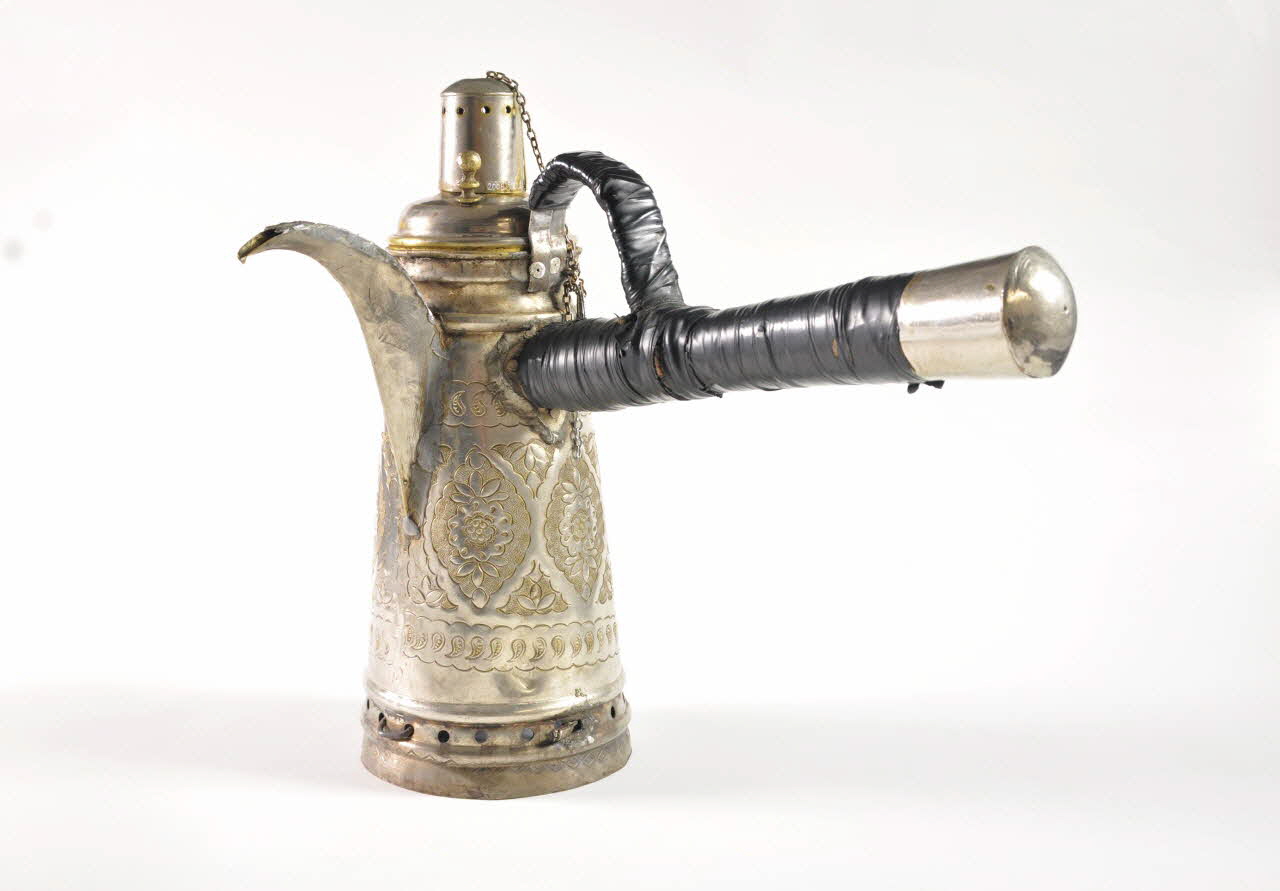 Discover
Coffee
Coffee (qahwa in Arabic, a term also used to refer to wine) reached us via the Arab and Ottoman worlds. From the highlands of Abyssinia, where coffee cultivation is documented as early as the 12th century, coffee crossed the Red Sea to be first cultivated along the coast of “Happy Arabia” (present-day Yemen) and then in the tropical climates of the territories of the great colonial empires beginning in the 17th century. Called the “devil’s drink” because of the black color of its grounds—in which people believed they could read the future—coffee was at times discredited by doctors for its harmful effects on health (it was considered an unnatural and addictive beverage).
Today, coffee is the second most widely consumed beverage in the world after water, but it still competes with tea.
The Mucem’s extensive collections related to coffee illustrate the various ways this beverage has been prepared and consumed since the 18th century, both at home and in public spaces. They also highlight how cafés have become places of social interaction.
Collection life
View all articles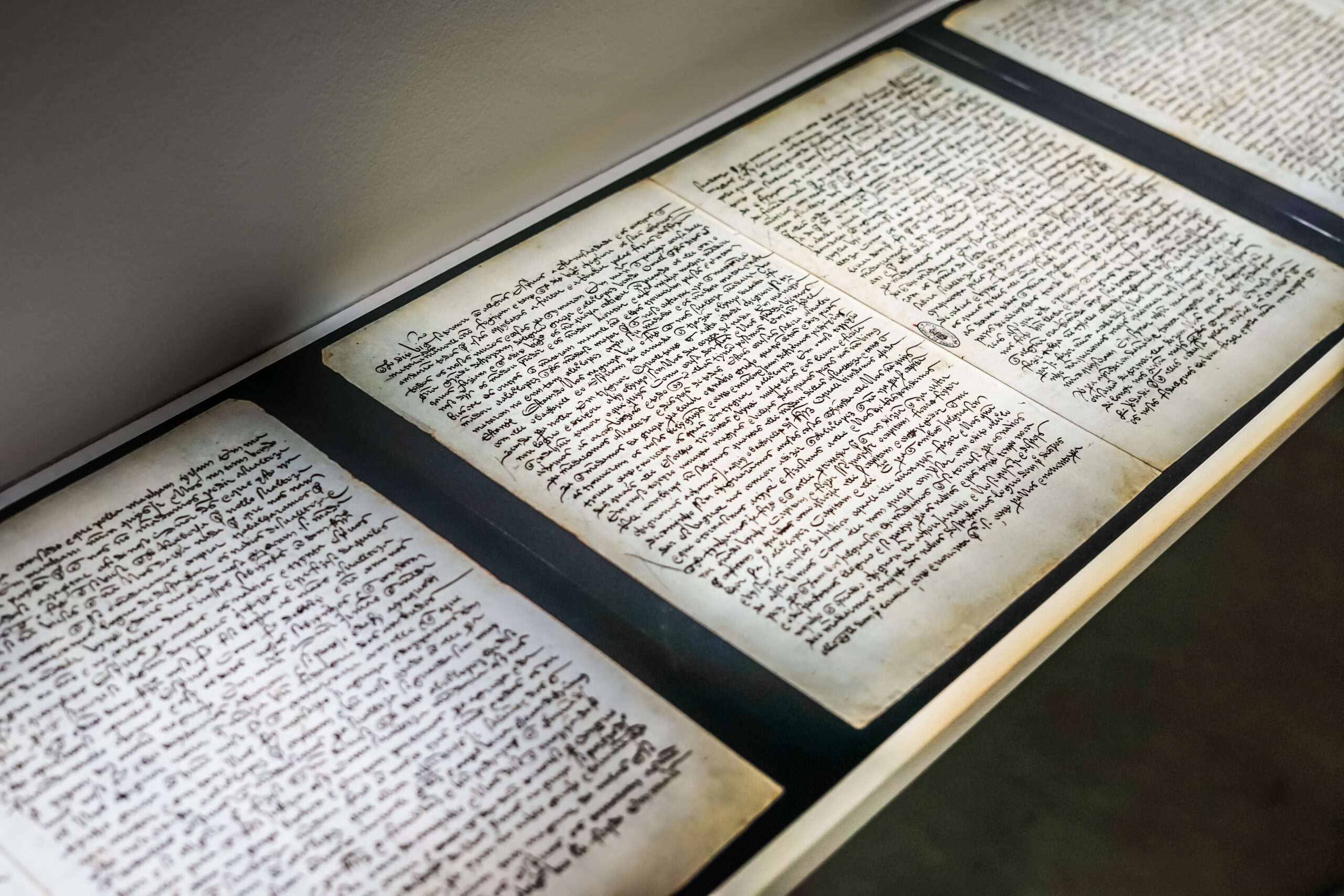
The Mucem Archives
The Mucem archives contain nearly one linear kilometer of paper documents, a collection of more than 100,000 postcards, 79,000 sound recordings, and nearly 4 TB of audiovisual recordings. These collections are divided between public and private archives. Here’s how to navigate them!
Surveys and Data Collection
What is it?
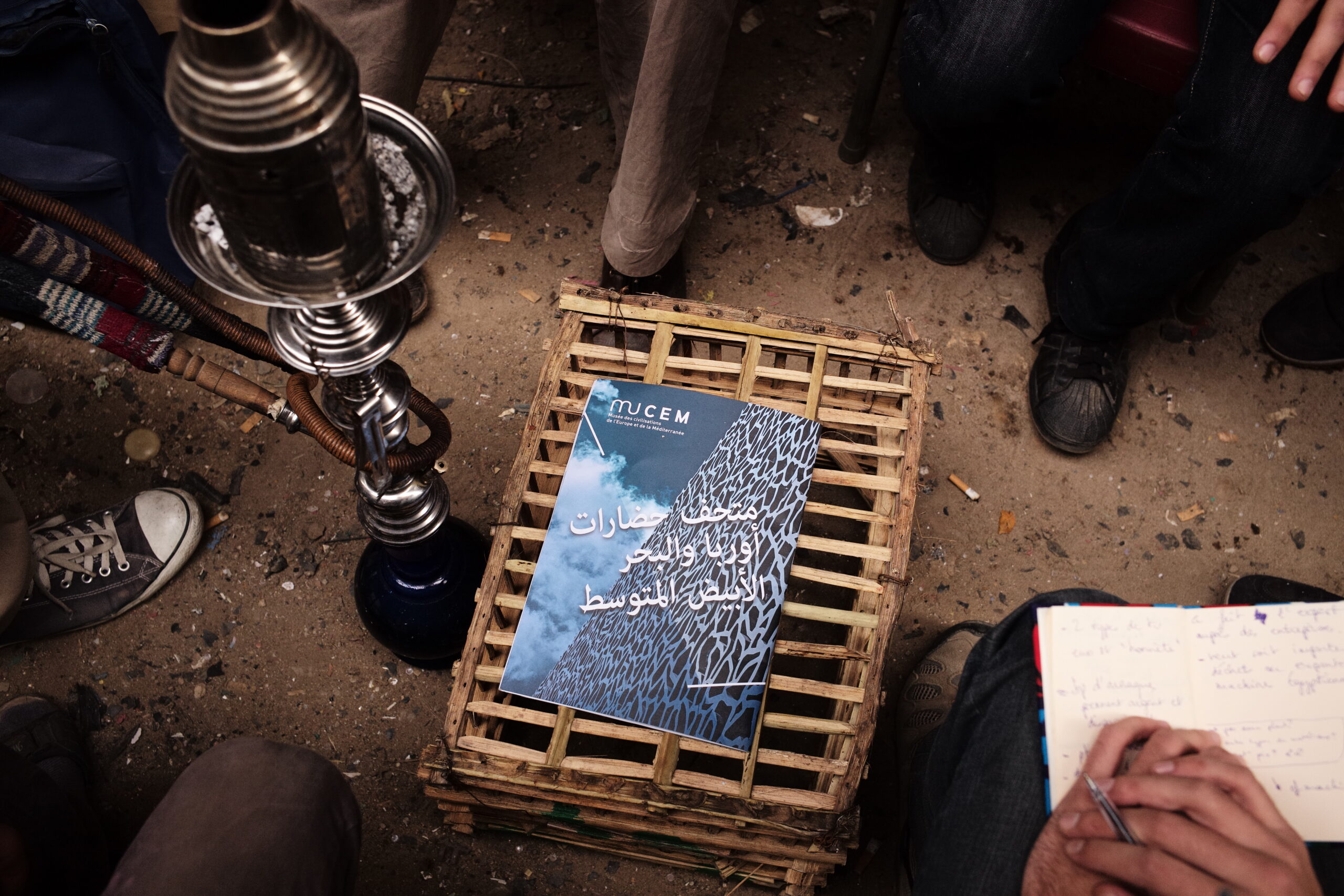
The collection of contemporary artifacts draws its methodology from ethnographic fieldwork. The process involves observing a social phenomenon and gathering objects and testimonies directly in the field, which—if appropriate—will be added to the museum’s collection after selection. The objects are thus contextualized through documentation that combines field collection materials (interviews, field notes, primary data), descriptions and analyses of the sources, and explanations of the research process and its objectives.
History of the Collections
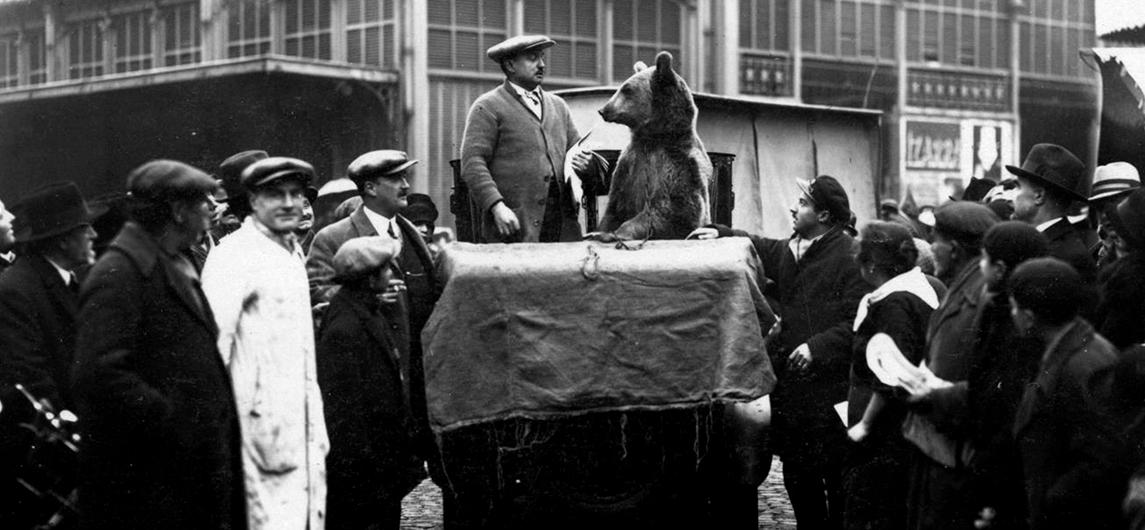
Although the Mucem opened in Marseille in 2013, its origins actually date back to the 19th century. Today, it manages a diverse and unique collection, comprising more than 250,000 objects, 350,000 photographs, 200,000 posters, prints, and postcards, and 150,000 books, which it continues to expand through an acquisition policy focused on Mediterranean themes, ranging from the Neolithic period to contemporary art.
Loan Request and Work Submission
The Mucem holds more than 250,000 French and European ethnographic objects, 350,000 photographs, 100,000 posters and prints, 100,000 postcards, and 80,000 audio recordings covering a wide range of themes and fields. The Mucem provides access to information from its collection management databases, archives, and library through the portal lescollections.mucem.org.
You may contact the scientific directorate to clarify your inquiry before submitting any official loan request.