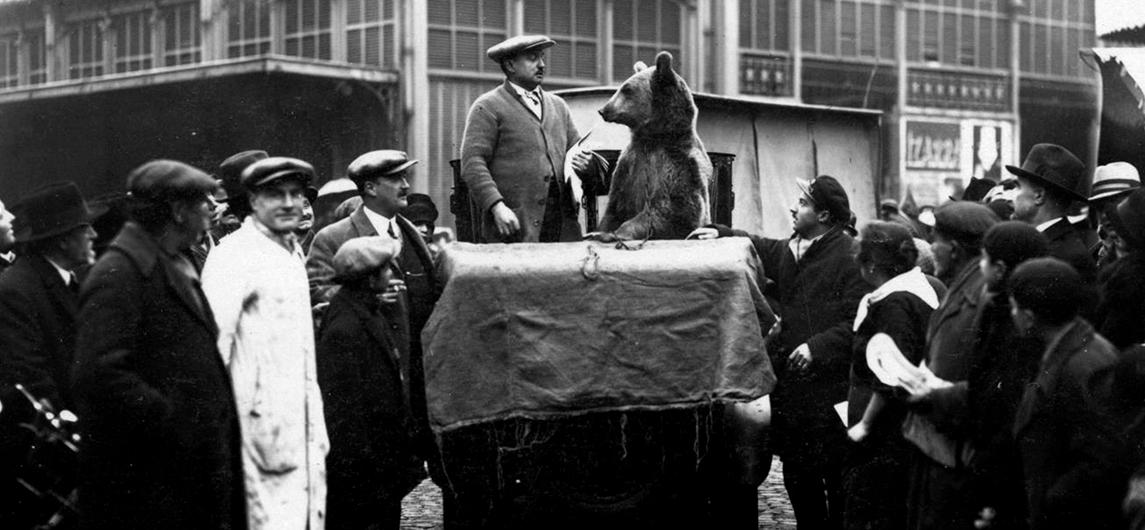
History of the Collections
Although the Mucem opened in Marseille in 2013, its origins actually date back to the 19th century. Today, it manages a diverse and unique collection, comprising more than 250,000 objects, 350,000 photographs, 200,000 posters, prints, and postcards, and 150,000 books, which it continues to expand through an acquisition policy focused on Mediterranean themes, ranging from the Neolithic period to contemporary art.
The Mucem Before the Mucem: A Museum of “Popular” France
The Mucem’s collections, which have been in existence for over 130 years, are the direct successors to those of the Museum of Ethnography at the Palais du Trocadéro in Paris (1878–1936) and the two museums that succeeded it beginning in 1936: the Musée de l’Homme and the National Museum of Popular Arts and Traditions (MNATP).
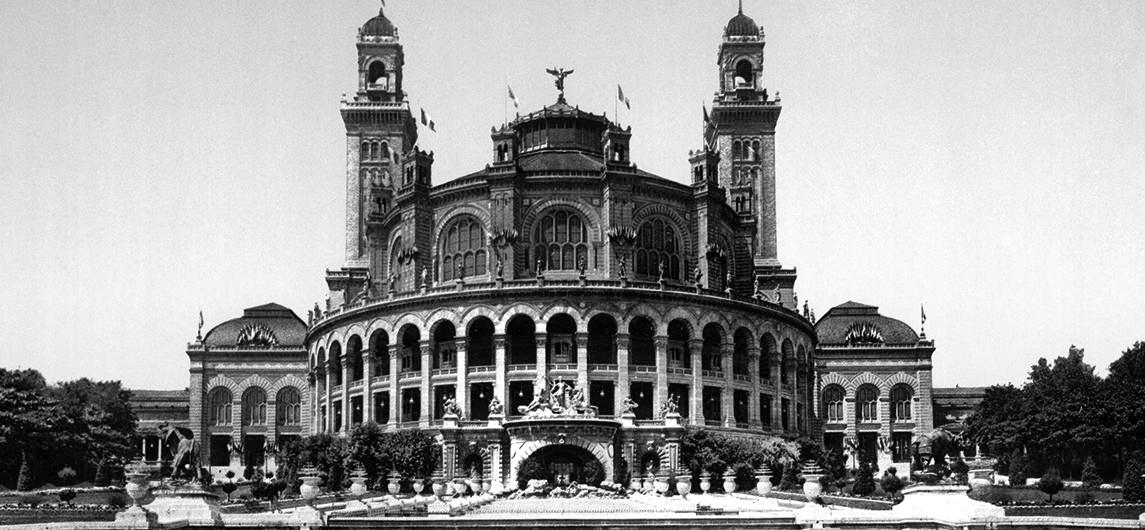
1878–1936: The Trocadéro Museum of Ethnography
The Trocadéro Museum of Ethnography, Paris’s first ethnographic museum, was founded in 1878. As early as 1884, the opening of a “France Gallery” made it possible to display French collections (domestic life, costumes, etc.) alongside the Africa and Asia galleries. This gallery closed in 1928. From that time on, nearly 8,000 objects were added to the collections.
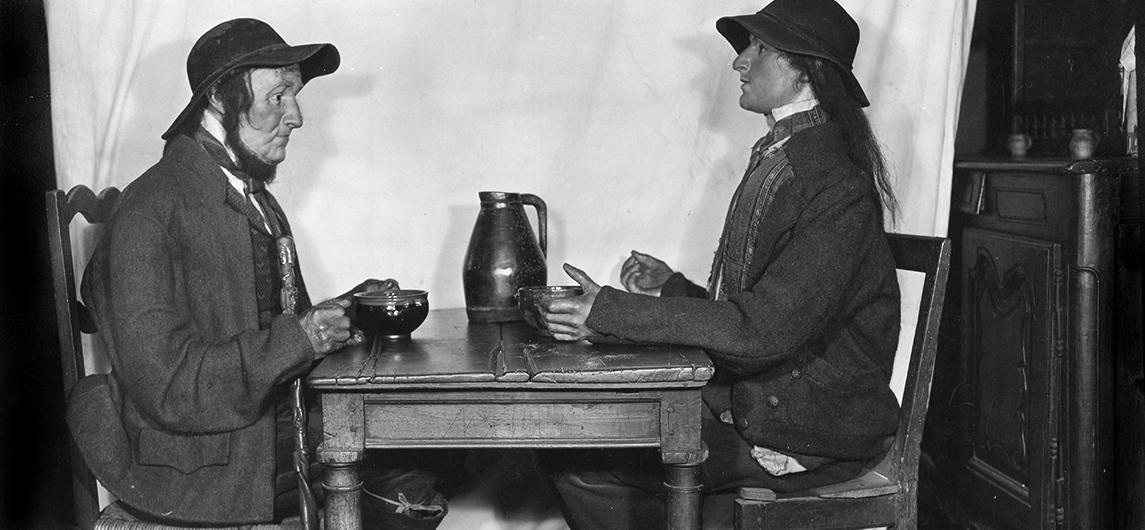
1937–1971: The National Museum of Folk Arts and Traditions
On the occasion of the International Exhibition of Arts and Technology, the Palais de Chaillot was built to replace the former Palais du Trocadéro. On the initiative of Georges Henri Rivière, the National Museum of Popular Arts and Traditions opened on May 1, 1937, with the aim of giving popular arts the same cultural and scientific importance as the fine arts.
In a France undergoing rapid transformation, teams of researchers will travel throughout the countryside to collect testimonies about a rural world that is disappearing, focusing on two main themes: social and cultural life (religion, rituals, and seasonal festivals, etc.) and material culture (agriculture, crafts, rural furnishings, food, etc.).
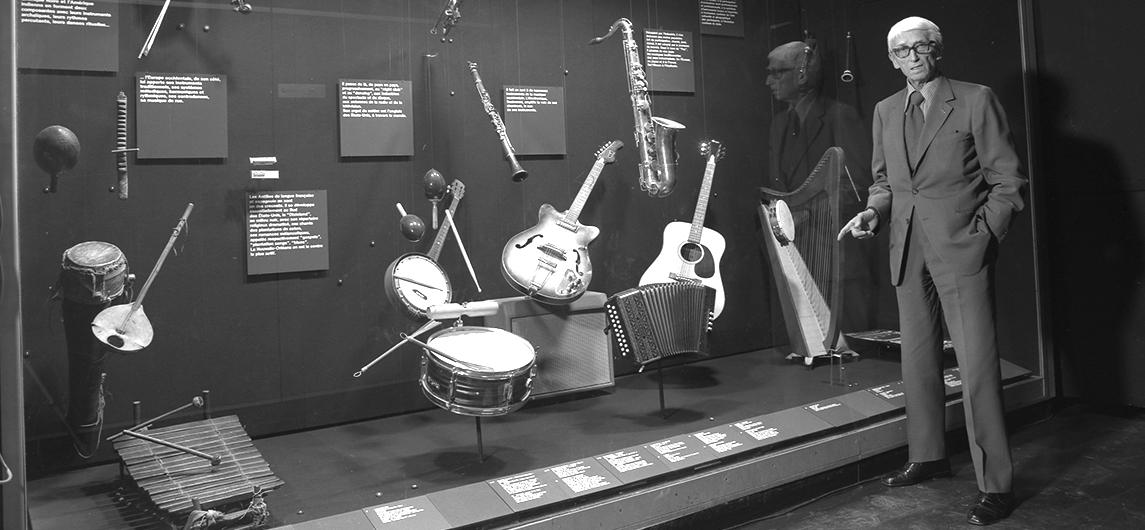
1972–2000: An Ethnology Museum in the Bois de Boulogne
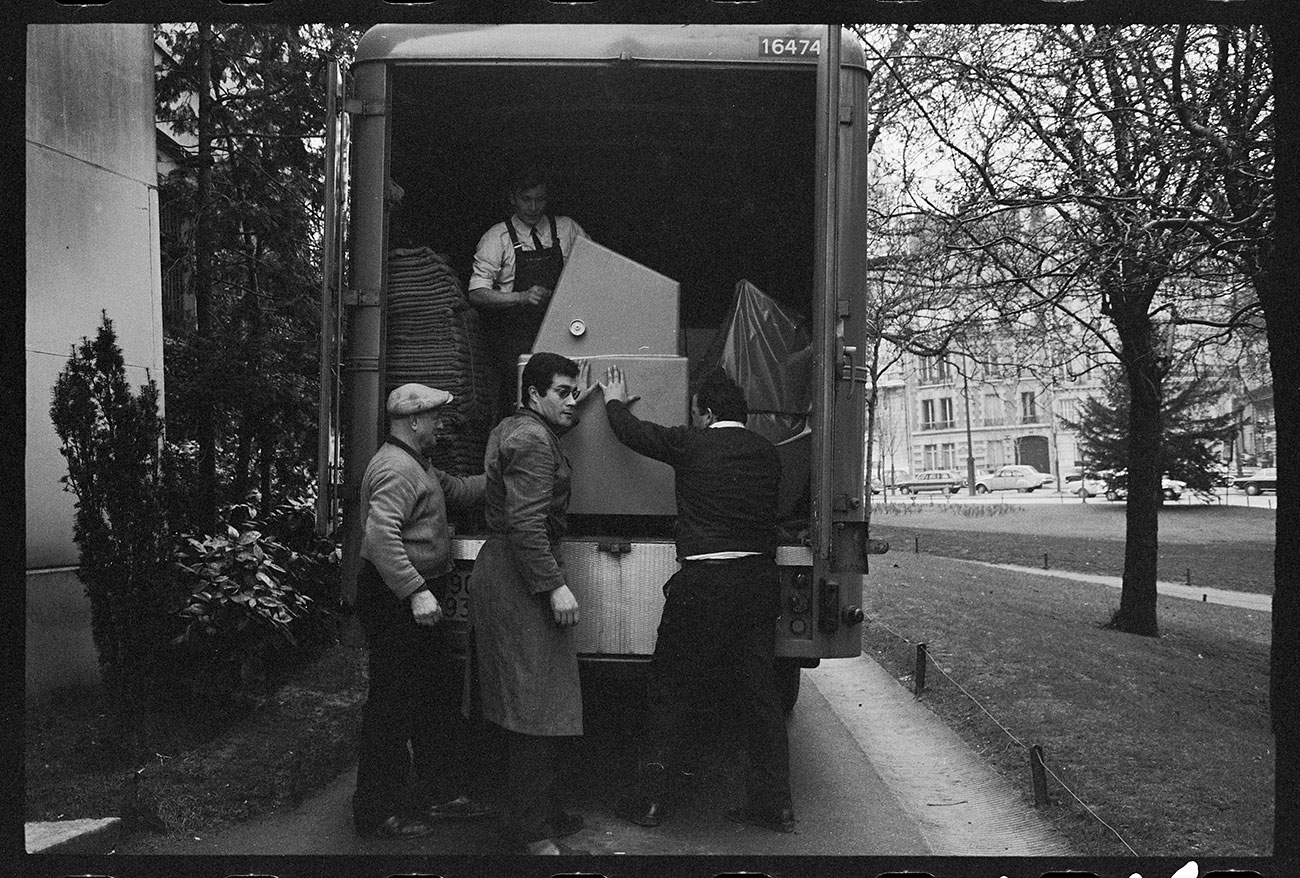
In 1972, the MNATP’s collections moved from the basements of the Palais de Chaillot to a building designed by Jean Dubuisson in the Bois de Boulogne. At the same time, the museum’s acquisition policy expanded to include new areas such as urban crafts and commerce. The museum also built up collections that became leading European references in previously unexplored fields such as the circus and fairground arts. At the same time, the museum’s collection of popular prints became one of the most significant in France, featuring masterpieces of classical printmaking from the 16th to the 18th centuries.
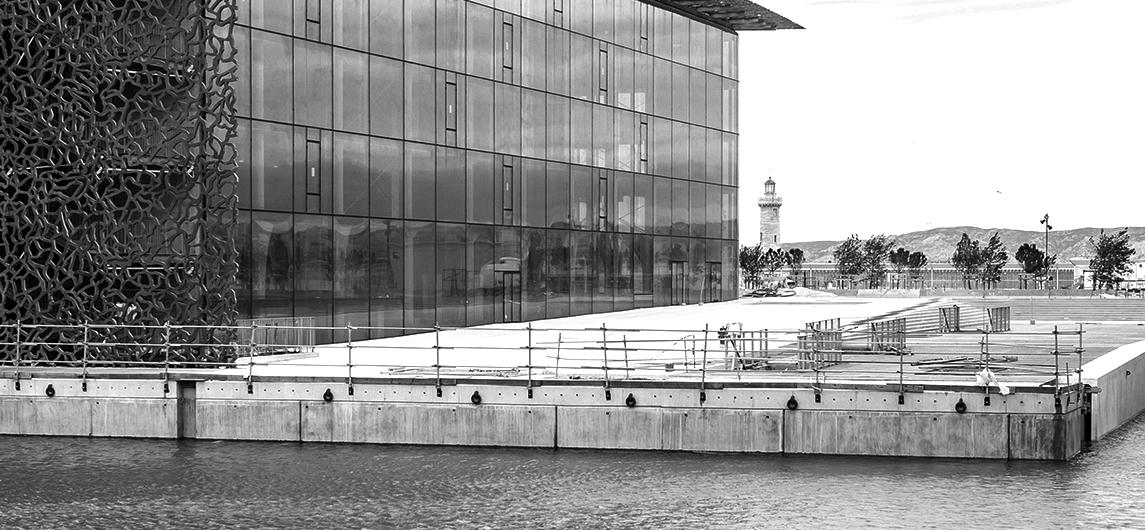
The Mucem: A Museum Open to Europe and the Mediterranean
First considered in the late 1990s, the decision to establish the MNATP in Marseille and transform it into the Museum of European and Mediterranean Civilizations (Mucem) was confirmed in 2000 by the Interministerial Committee on Regional Planning. Since then, the museum’s acquisition policy has taken a proactive focus on Europe and the Mediterranean.
2000–2013: Fundraising and Acquisition Campaigns
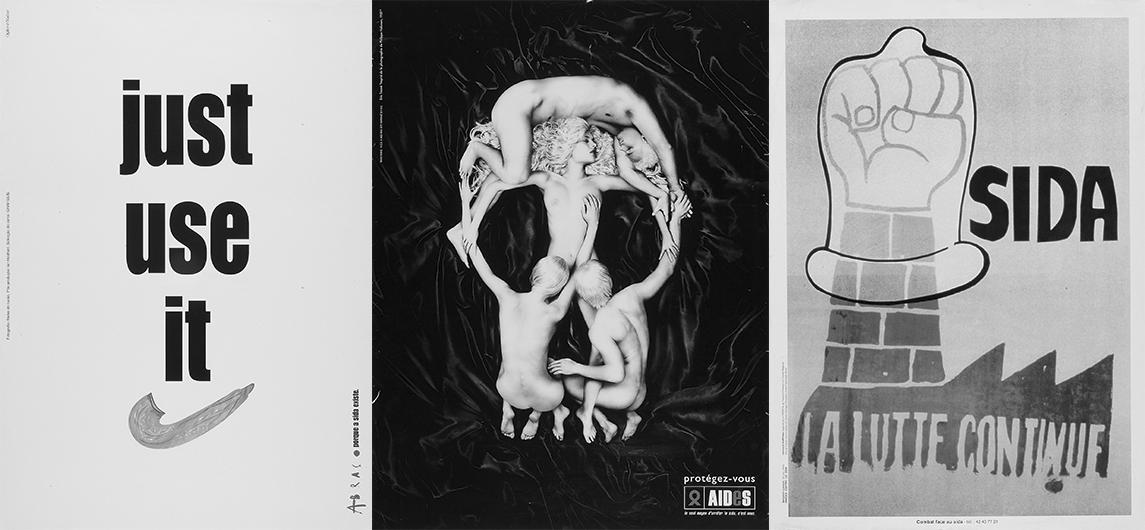
In the 1990s and 2000s, acquisitions explored innovative themes (rock music, urban cultures, AIDS, industrial heritage, cuisine, etc.), both in France and abroad.
The museum’s geographic scope took a major turn in 2005 with the acquisition of the European collection from the Musée de l’Homme (more than 30,000 objects). Also beginning in the early 2000s, an acquisition policy deliberately focused on North Africa and the Near East was implemented in conjunction with the new museum program.
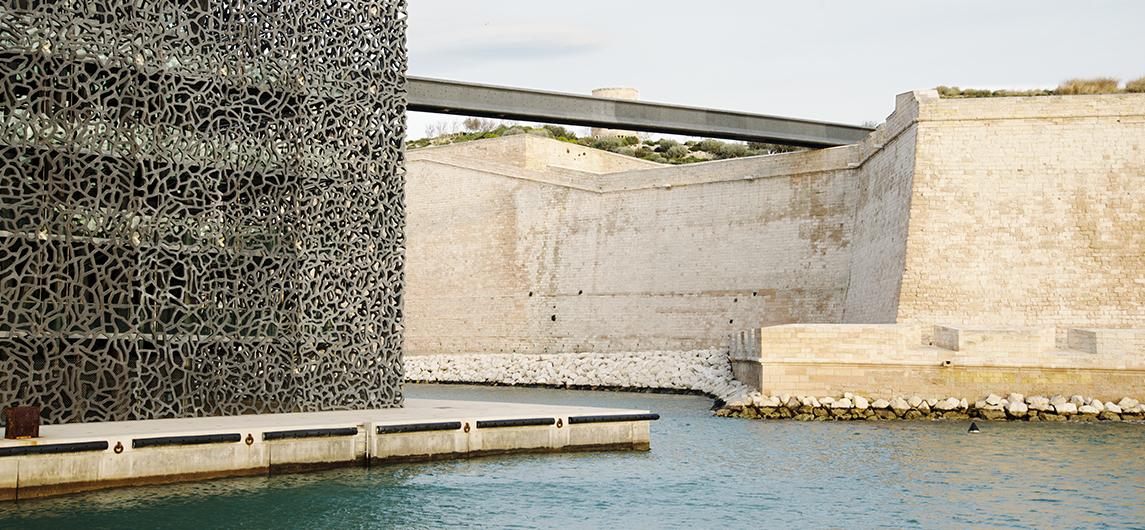
2013 and Beyond: Welcome to Marseille
The Mucem opened in Marseille in June 2013.
The new acquisitions, which focus more on the Mediterranean region, are made with a view to ensuring consistency with the themes of the original collection from the MNATP. Thus, for example, costumes from regions of France are displayed alongside pieces from North Africa or Turkey; chests from the Queyras and Norman wardrobes with Syrian chests or dressers. The expansion of the collections to include Europe and the Mediterranean powerfully illustrates the comparative approach adopted by the Mucem.
Collection life
View all articles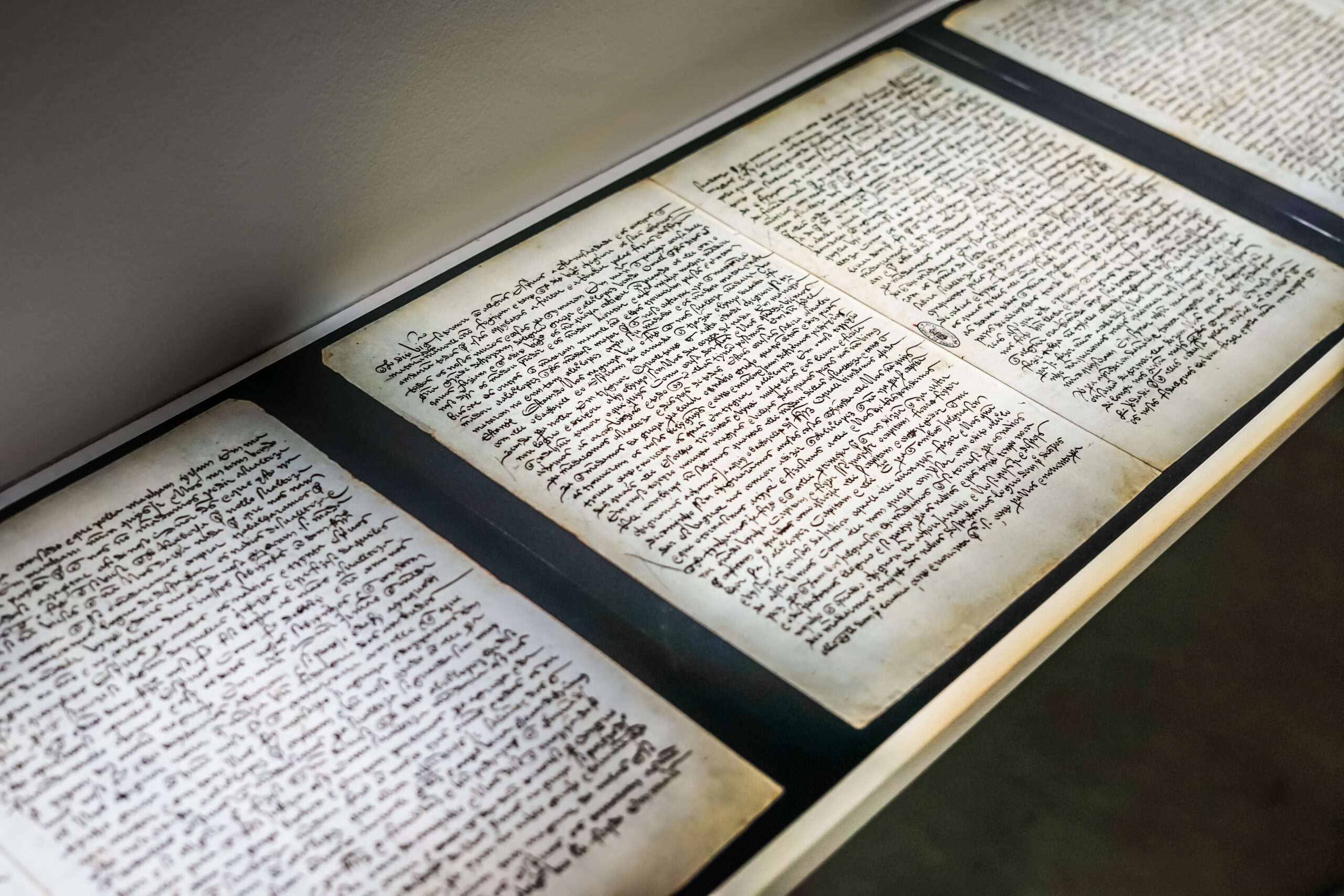
The Mucem Archives
The Mucem archives contain nearly one linear kilometer of paper documents, a collection of more than 100,000 postcards, 79,000 sound recordings, and nearly 4 TB of audiovisual recordings. These collections are divided between public and private archives. Here’s how to navigate them!
Surveys and Data Collection
What is it?
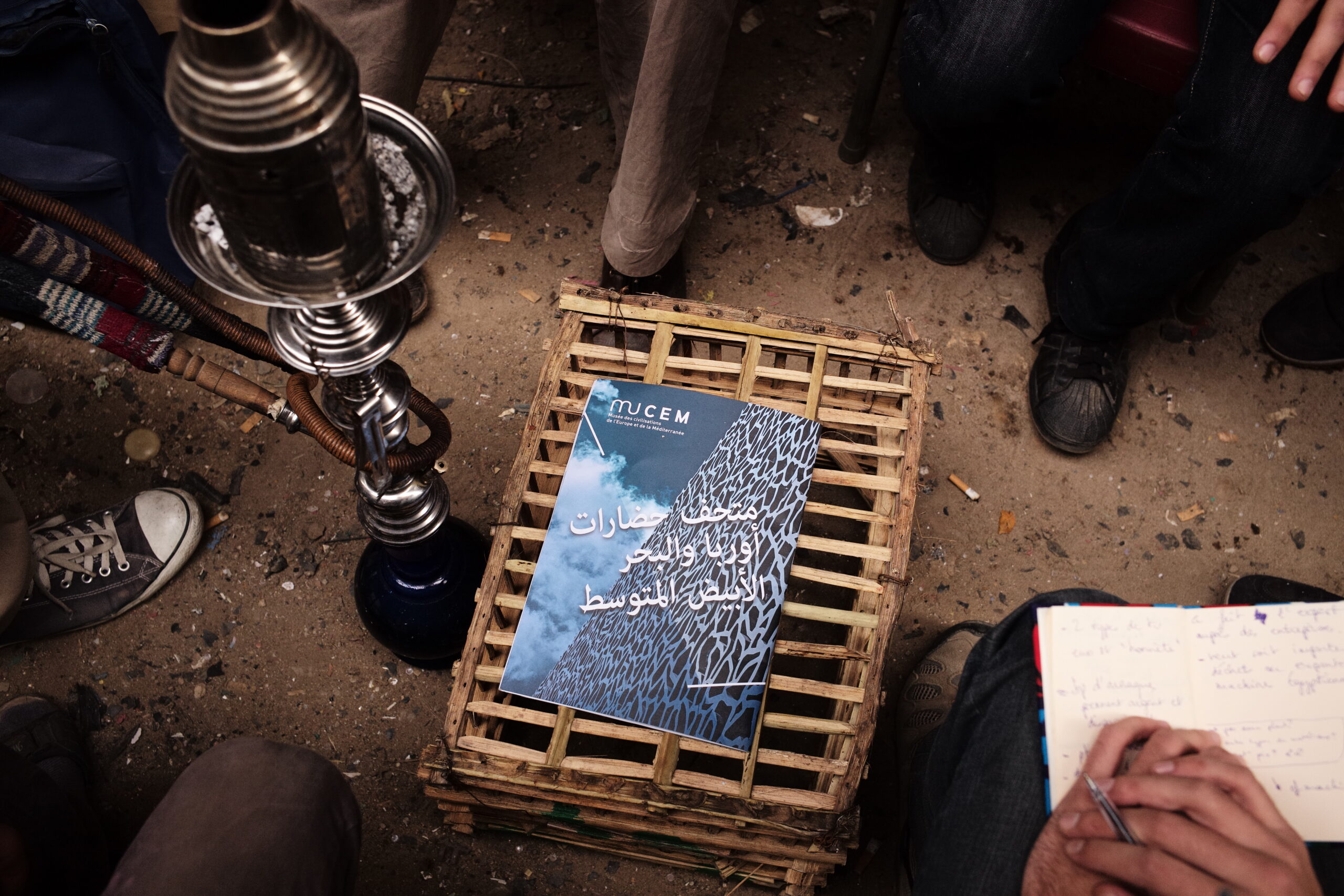
The collection of contemporary artifacts draws its methodology from ethnographic fieldwork. The process involves observing a social phenomenon and gathering objects and testimonies directly in the field, which—if appropriate—will be added to the museum’s collection after selection. The objects are thus contextualized through documentation that combines field collection materials (interviews, field notes, primary data), descriptions and analyses of the sources, and explanations of the research process and its objectives.
Loan Request and Work Submission
The Mucem holds more than 250,000 French and European ethnographic objects, 350,000 photographs, 100,000 posters and prints, 100,000 postcards, and 80,000 audio recordings covering a wide range of themes and fields. The Mucem provides access to information from its collection management databases, archives, and library through the portal lescollections.mucem.org.
You may contact the scientific directorate to clarify your inquiry before submitting any official loan request.