Coffee
Today, coffee is the second most widely consumed beverage in the world after water, but it still competes with tea.
The Mucem’s extensive collections related to coffee illustrate the various ways this beverage has been prepared and consumed since the 18th century, both at home and in public spaces. They also highlight how cafés have become places of social interaction.
Roasting
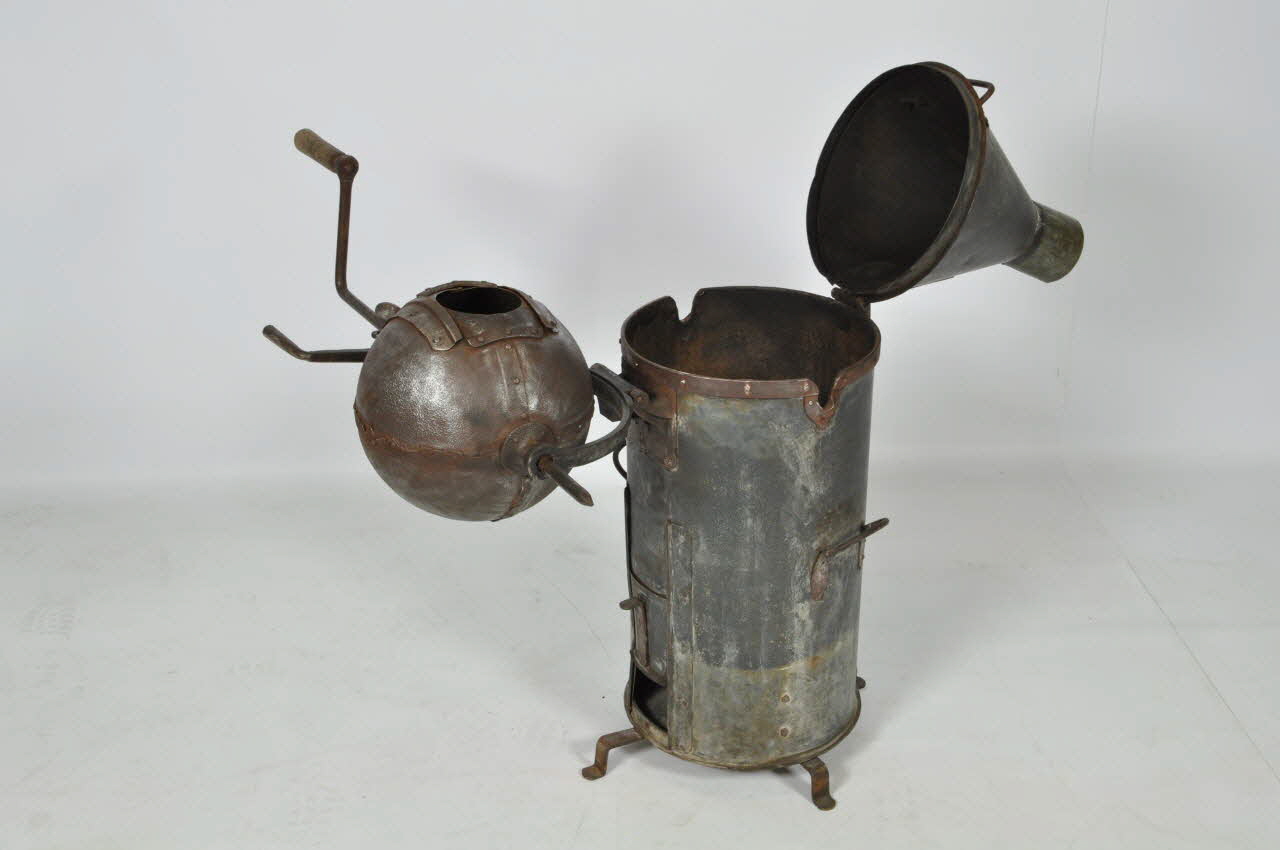
The coffee plant, a shrub native to Central Africa, produces cherries that must be pulped and dried before they can be roasted (that is, heated) to produce the prized, fragrant black beans. The roasting process is crucial—whether done industrially or at home—to achieve a distinctive flavor. The beans are then ground to prepare the beverage. Each method of preparing coffee requires a specific grind—fine or extra-fine—achieved either by hand with a mortar and pestle or using a grinder.
Coffee Grinders
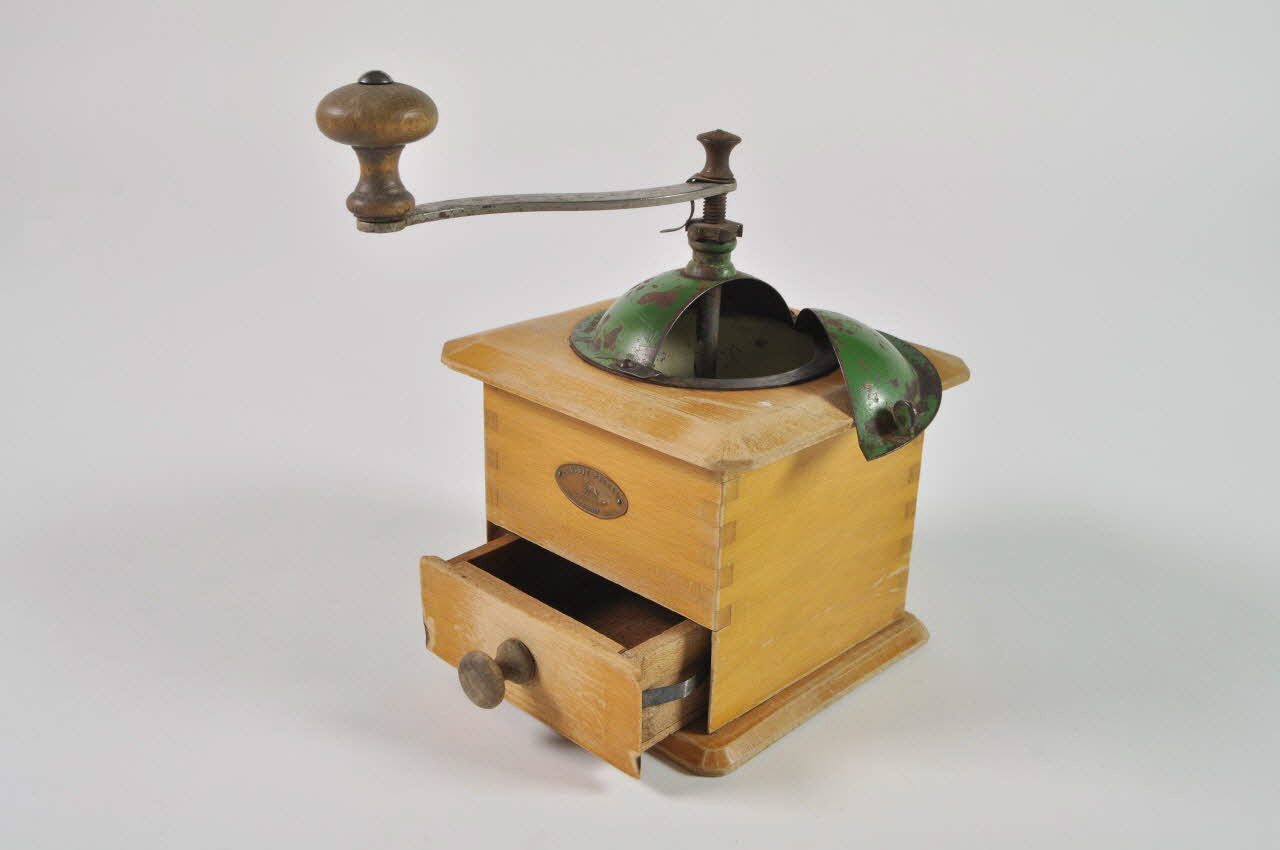
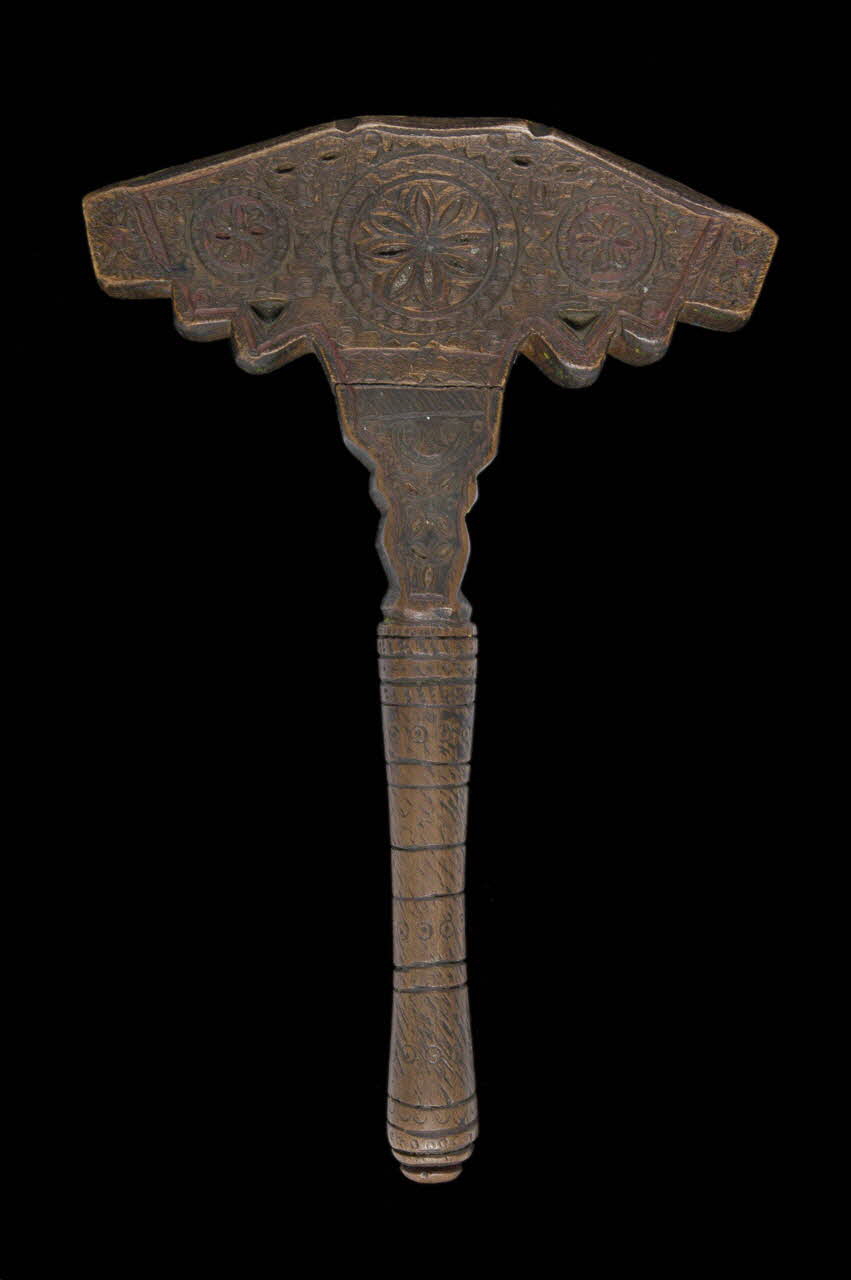
The Mucem has coffee grinders made of wood, ceramic, or metal, produced by small French workshops since the 17th century (in Lorraine, the Saint-Étienne region, etc.), as well as industrial models such as the coffee grinder patented by Peugeot in the mid-19th century. These grinders, which were sometimes also used as spice grinders and could be used by herbalists, operate in a variety of ways: hand-cranked or electric, designed for stationary or wall-mounted use, cylindrical or cubic in shape, and sometimes made from a single piece of wood in the case of older artisanal models; they originate from Europe and the Mediterranean region. Their diversity is such that one can easily understand the passion that drives their collectors—the “molafabophiles” or “mylokaphéphiles.”
Preparation
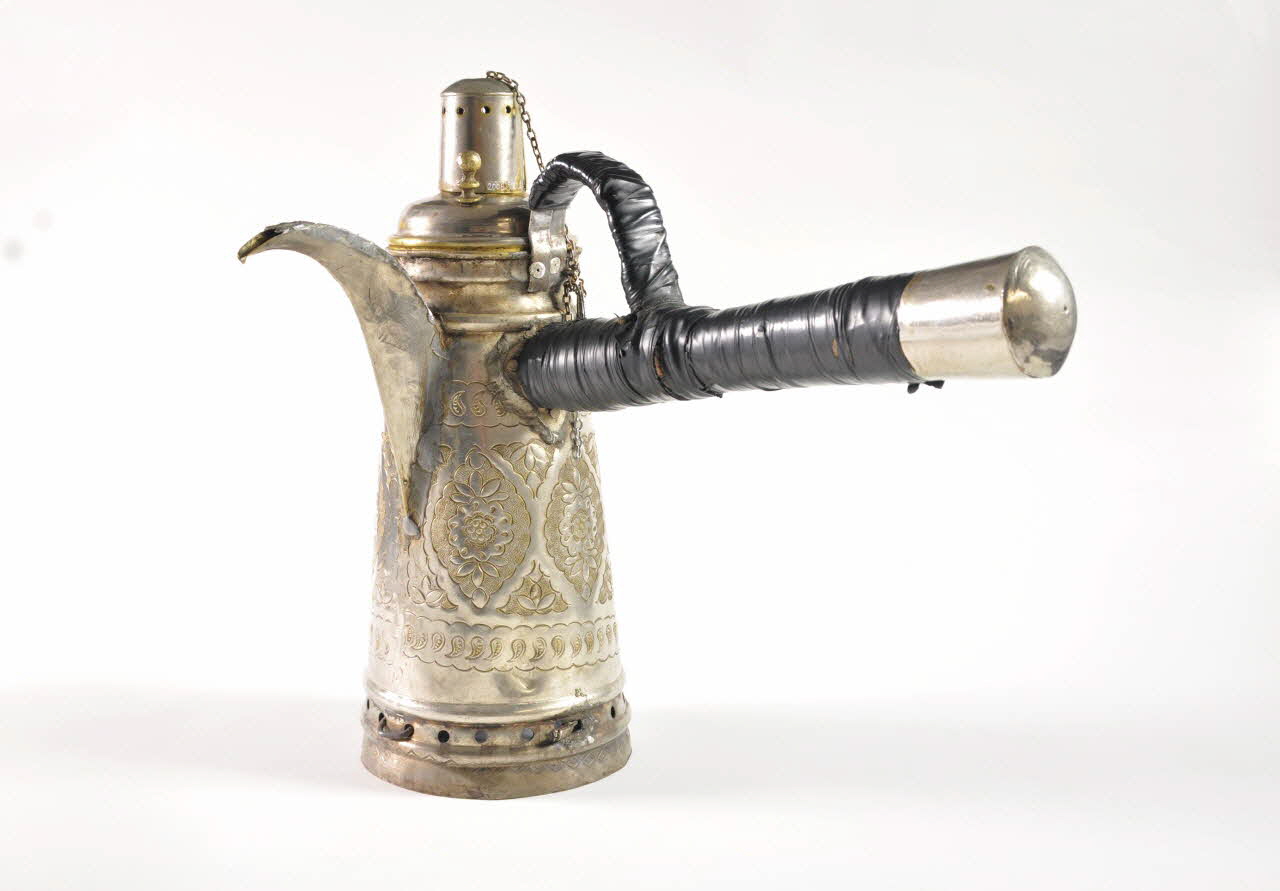
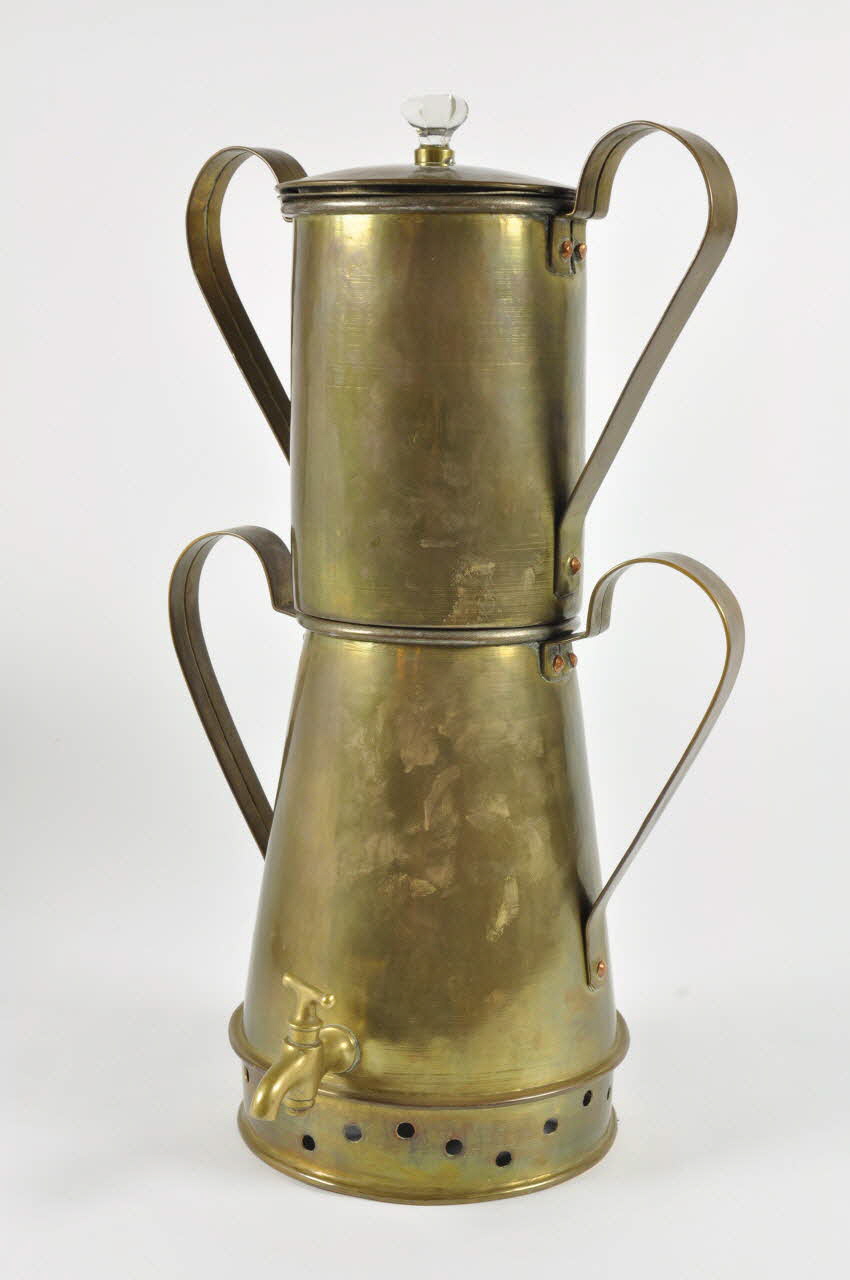
There are many ways to prepare coffee: decoction, in which the coffee is boiled; infusion; and percolation, with or without pressure. The various coffee makers—from the copper Bedouin model to the espresso machine, from Du Belloy’s filter coffee maker patented around 1800 to the enameled iron coffee pot—bear witness to the diverse inventions developed to bring out the flavor of coffee.
All of these designs can be found in our homes, and their forms endure across time and space—such as this “Made in China” measuring device for brewing coffee by decoction, used in the Paris region to make Turkish coffee but derived from the cezves used in the former Ottoman Empire.
The method of preparing coffee by decoction (in which finely ground coffee is brought to a boil three times) requires using containers of increasing size depending on the number of guests sharing the same cup of coffee, to which sugar is added during preparation. This method is used to prepare coffee for one, two, three, or four people who all share the same preference for coffee—whether unsweetened, moderately sweetened, or very sweetened.
The coffee set
The tradition of serving coffee originated in Istanbul, formerly Constantinople. Poured directly from the cezve or sometimes decanted into the ibrik (a pitcher modeled after European teapots, coffee pots, or hot chocolate pots), coffee was initially served in earthenware cups from Iznik or Kütaya, or in porcelain from China or Europe—cups without handles and shaped like small egg cups. To avoid burning one’s fingers, the cup was placed in a zarf, a small, ornate metal stand (made of silver, copper, or tombac, an alloy of copper and zinc).
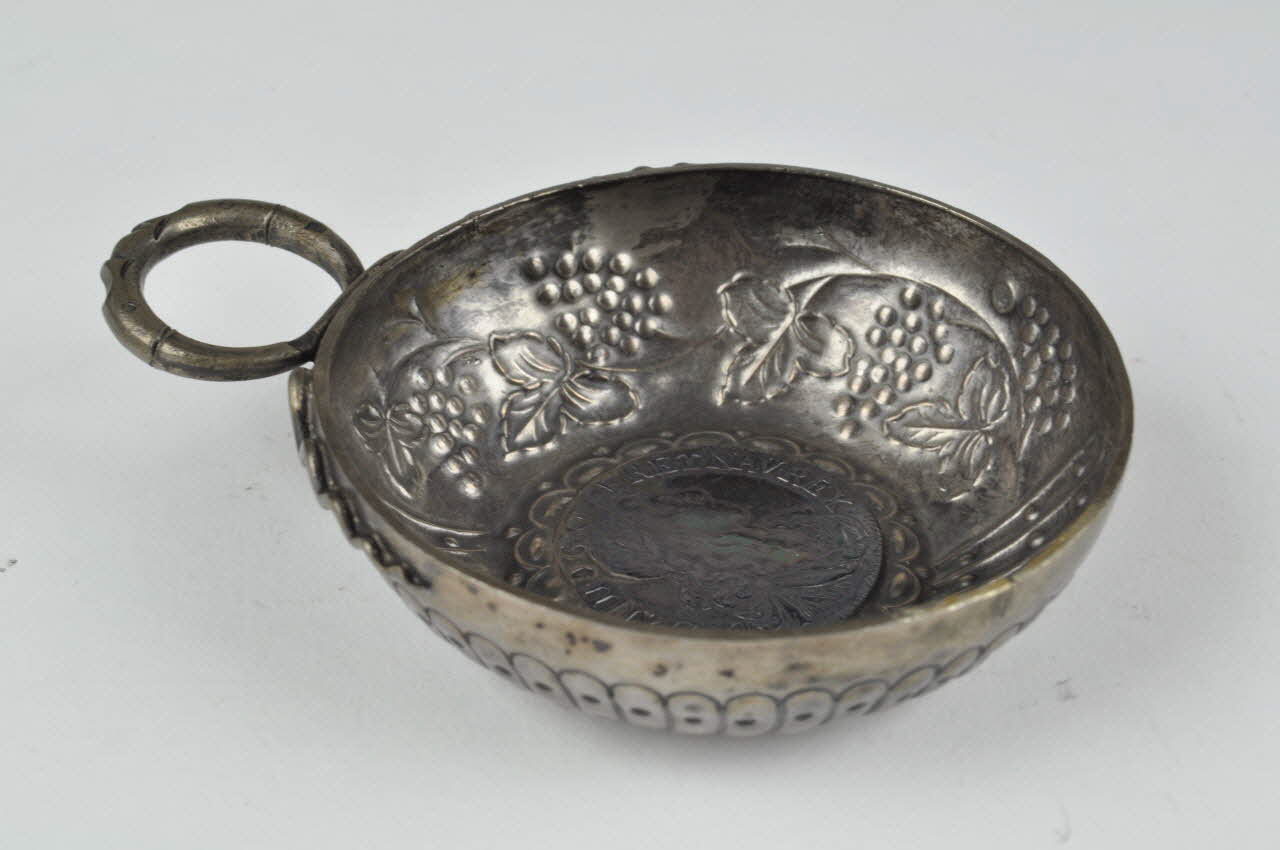
In France, where Louis XV was a great coffee lover, the coffee pots and coffee sets used by the aristocracy were made of silver, gold, or porcelain, and the cups had handles modeled after those used for drinking wine.
Magnificent coffee sets were commissioned by great monarchs, such as the vermeil and porcelain coffee set given by Louis XV to Queen Marie Leczinska to celebrate the birth of the Dauphin. Nowadays, coffee is served in earthenware, stoneware, or porcelain cups for special occasions, and sometimes in glasses or mazagrans.
While some people add sugar to their “petit noir,” Oriental-style coffee has sugar—either powdered or in small chunks of sugar loaf—added to it at the very moment it is prepared. In Western Europe, on the other hand, as early as the late 17th century among the aristocracy, it was common for coffee to be served with sugar, milk, or cream added just before drinking.
But for today’s coffee lover, the pleasure lies in drinking coffee from the white earthenware cup at a bistro—which keeps the coffee at the ideal temperature for a few moments—or from a small clear glass, so they can also appreciate its color.
Cafés: Places for Socializing
You can drink coffee at home, on the street, or in your car—but of course, at a café. The first permanent establishments serving freshly brewed coffee are documented in Mecca, Cairo, and Istanbul in the 16th century, and then in the 17th century in Venice, Vienna, Paris, London, and Marseille. Some of these cafés, often opened by Armenians, Lebanese, or Syrians, are still in business today: Le Procope in Paris (founded in 1689), Le Florian in Venice (founded in 1720), and Le Demel in Vienna (founded in 1786). People would come to drink coffee alone or in groups to exchange and share ideas, play cards or dominoes, listen to music or stories, or read the newspaper…
Cafés, which have become true hubs of social interaction and conviviality, dot both the urban and rural landscapes. In rural areas, coffee as a beverage became more widespread after World War I (1914–1918), and in certain rural regions of North Africa, such as Kabylie, coffee did not become part of everyday life until the 1950s.
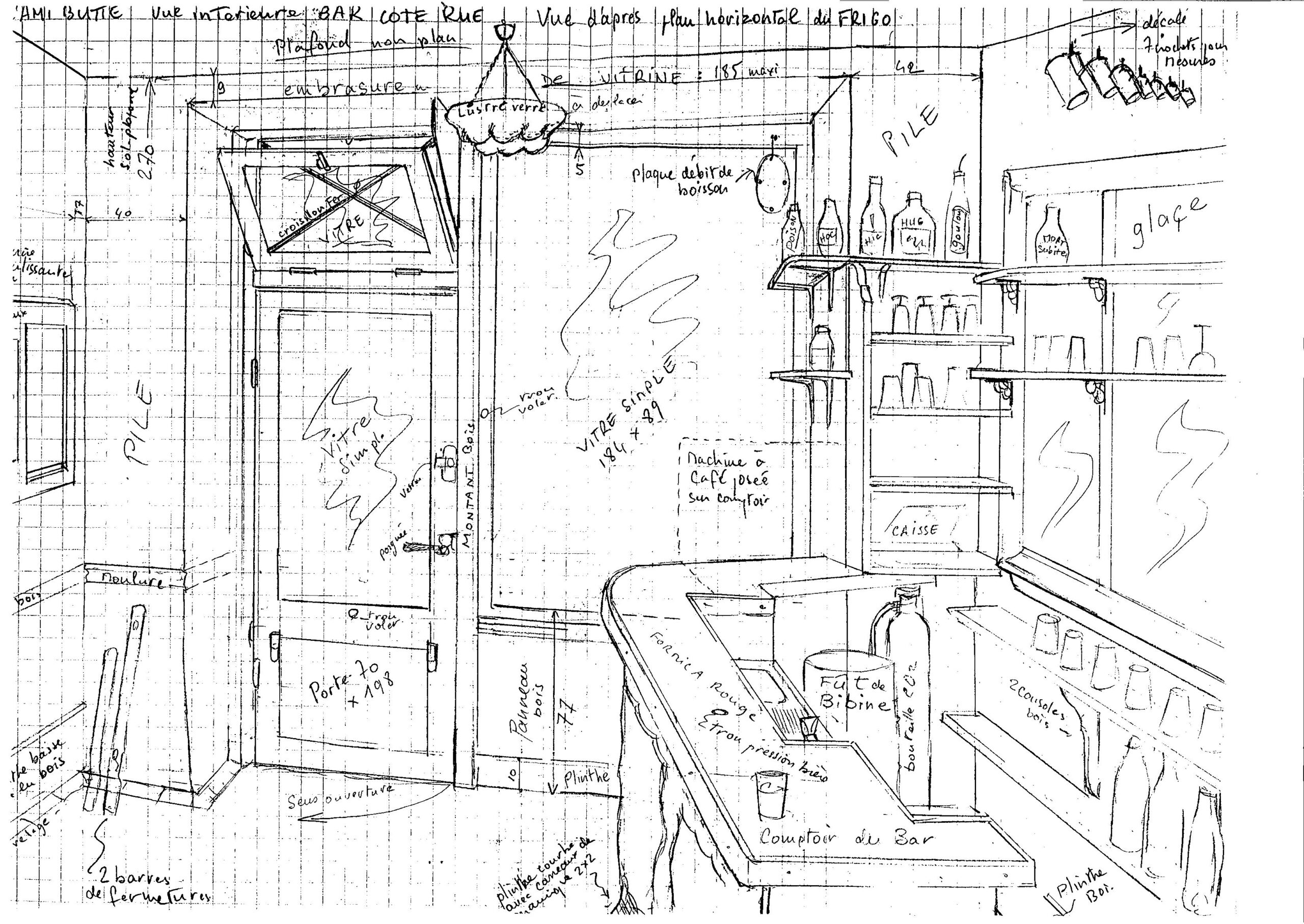
Acquisition campaigns centered on the themes of commerce and coffee have enriched the Mucem’s collections with café signs and storefronts, as well as 1930s furniture from a Montmartre café, L’Ami Butte, located halfway up Montmartre Hill. The names of these cafés are sometimes wordplays (Le Zanzibar, Le Bar à Quai, Le Malabar…).
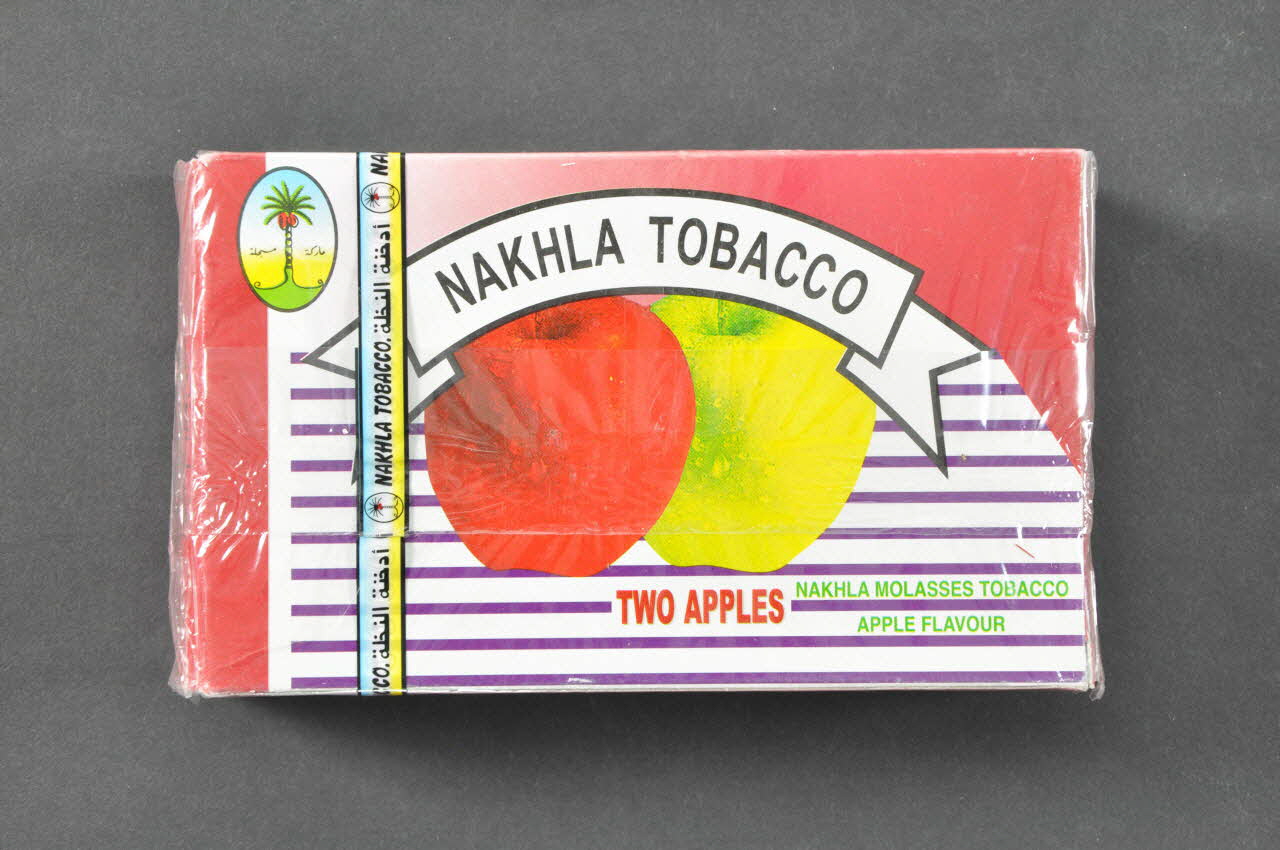
Drinking coffee is often accompanied by another ritual: smoking tobacco. This can take the form of a pipe, a cigar, or a cigarette, but also includes inhaling tobacco vapor through a hookah, following the customs of the Eastern Mediterranean region.
The café is a place dedicated to games and gambling, but also to music—by inserting a coin into the scopitone, the predecessor of the jukebox. The café plays a role in spreading political ideas (through circles and clubs) and, in every neighborhood, brings together patrons based on shared interests.
Discover more features
Immerse yourself in the vastness of the Mucem’s collections and follow the surprising themes imagined by our curators. Discoveries and a change of scenery guaranteed!
 Discover
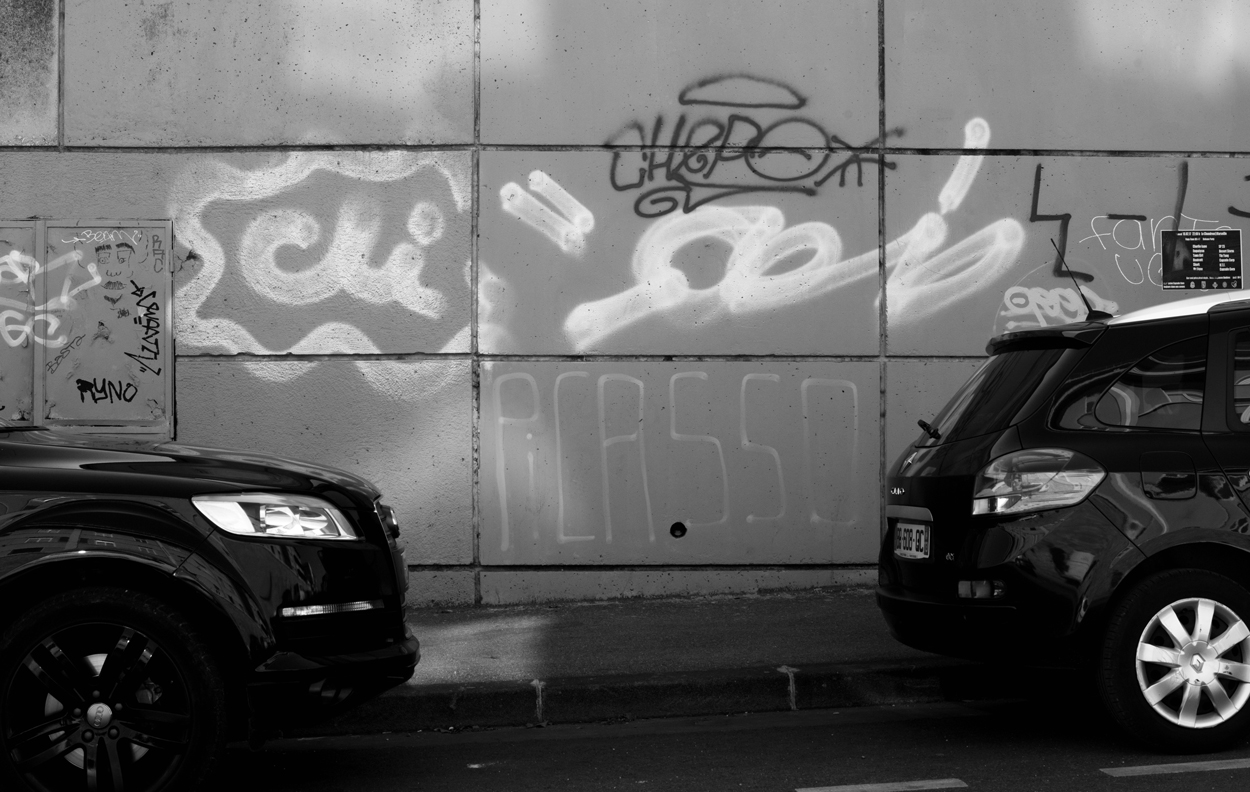
Tagging and Graffiti: “Illegal Art” at the Museum
Between 2001 and 2006, Claire Calogirou, a research associate, conducted several field surveys on the topics of hip-hop, dance, tagging, and graffiti. As for graffiti, 958 items were added to the Mucem inventory, representing an impressive collection of graffitied signs, posters, stickers, markers, spray paint cans, magazines, sketches, photographs, videos, and more. This rich body of research offers insights into social relations in urban settings, the issue of the appropriation of public space, and its reclamation through practices rooted in street culture. Discover
Soccer & Identities
A Mediterranean Survey and Data Collection Project
The “Football & Identities” survey and data collection project represents three years of research, conducted from 2014 to 2016, in 10 countries in the Mediterranean region: Algeria, Bosnia and Herzegovina, Spain, France, Israel, Italy, Morocco, Palestine, Tunisia, and Turkey.
Four humanities researchers—Christian Bromberger, Abderrahim Bourkia, Sébastien Louis, and Ljiljana Zeljkovic—sometimes accompanied by a curator —Florent Molle—and photographers—Giovanni Ambrosio and Yves Inchiermann—collected more than 400 objects, approximately 3,000 photographs, and over 6 hours of video footage. Upon their return from the field and after review, the collected objects and photographs will be presented to the Mucem’s acquisitions committees to determine whether they will be added to the public collections and made available to the public.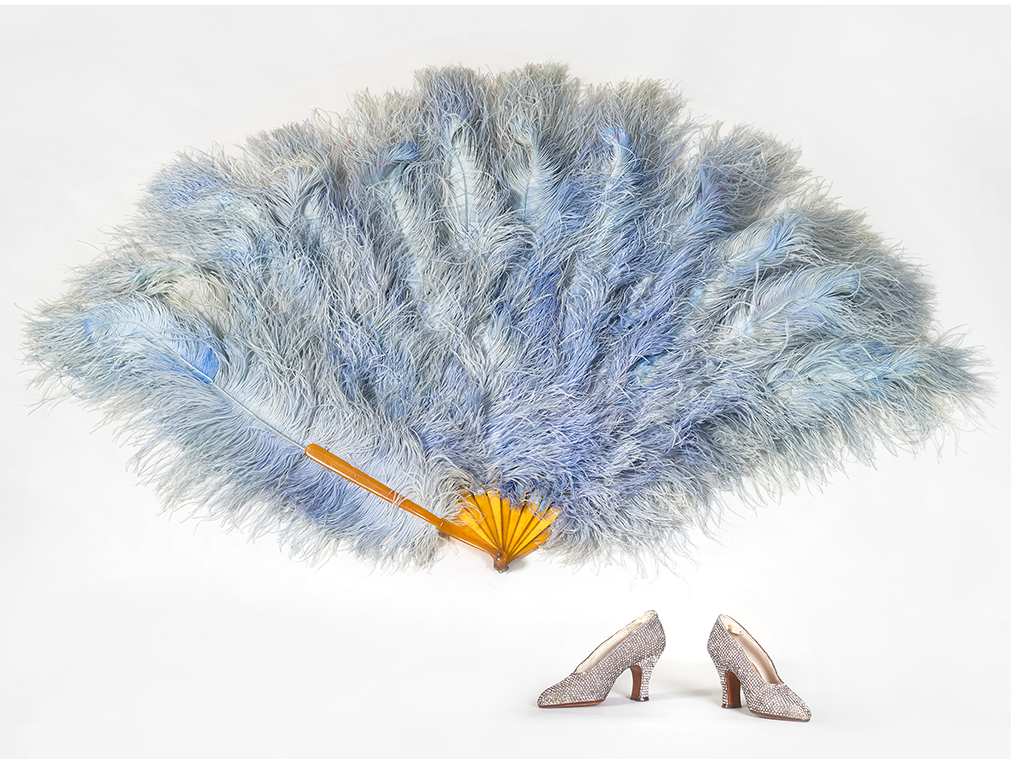 Discover
Celebrity!
Cult Objects and the Star System in the Mucem Collections
A dress, a console table, a belt buckle, a soccer jersey, a pair of shoes, a swimsuit, a radio: here is a list of simple everyday objects that bear witness to their era. This list would have a very different impact if we added the names of the people to whom they belonged: Edith Piaf’s dress, Pink Floyd’s mixing console, Saint Vincent Palotti’s belt buckle, Cristiano Ronaldo’s soccer jersey, Mistinguett’s shoes, Miss France’s swimsuit, Psykose’s “cataposte.” From being mundane, these objects take on power, sparkling with the glamour of fame. They become desirable and “magical.” But these relics come at a price that is, too, far from trivial…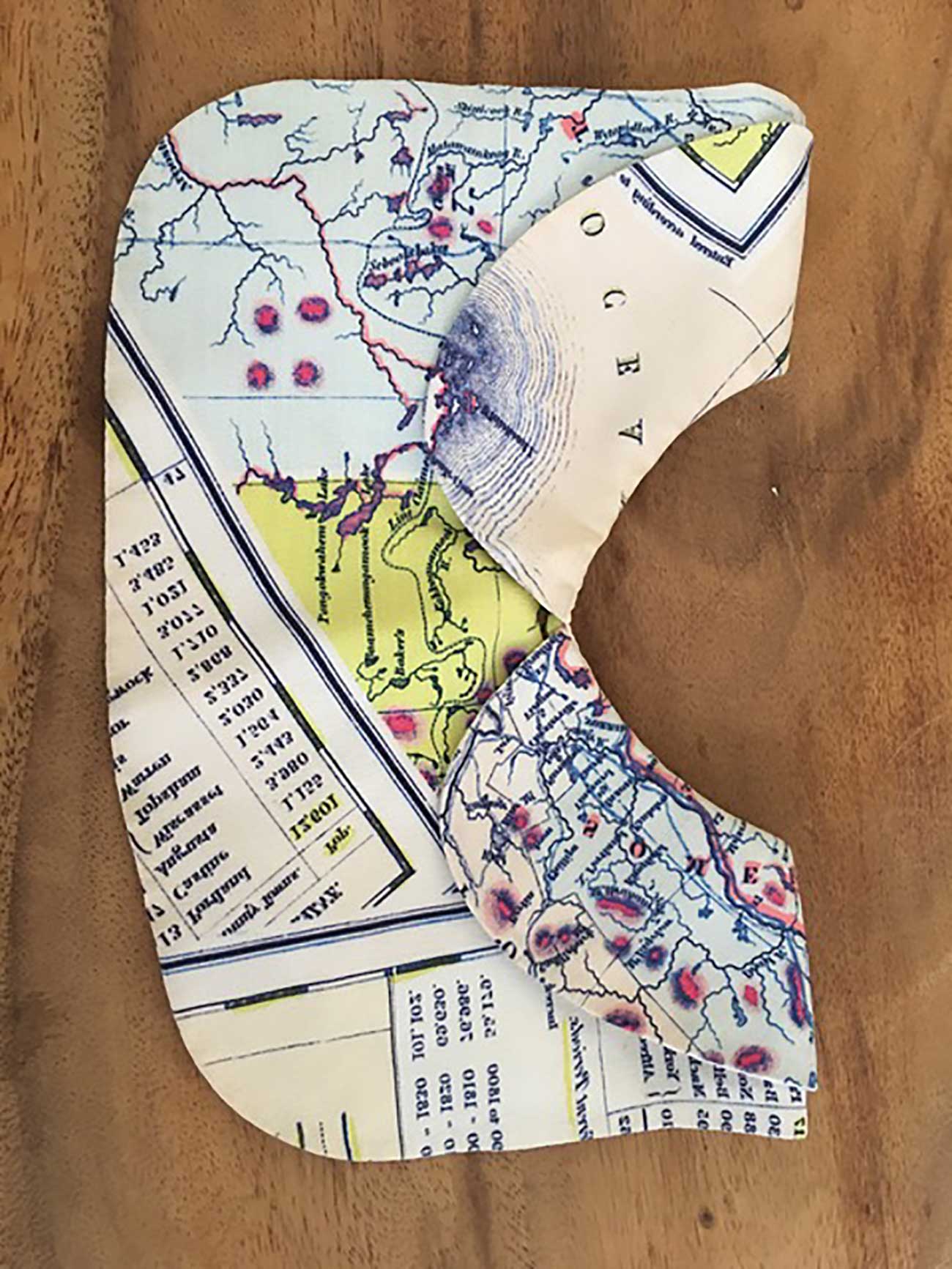 Discover
"Life During Lockdown," the collection
In April 2020, the Mucem launched a major participatory project focused on our lives during lockdown. Many of you took part.
The Mucem has received more than 600 proposals, which are still being reviewed, and some of which will be added to its collections once the review process is complete. A digital booklet lists all the proposals collected through this call for submissions, and here are a few examples: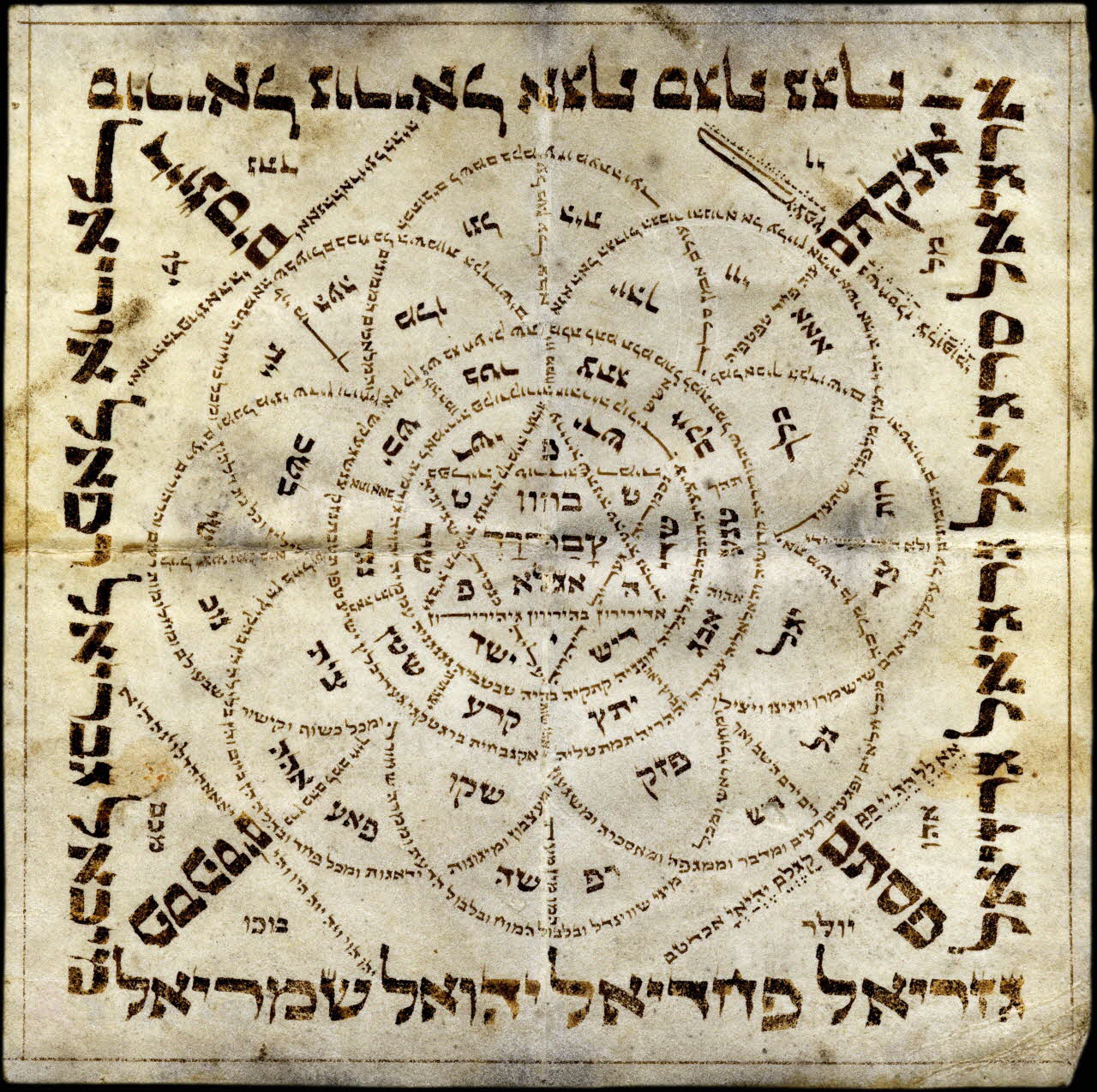 Discover
Watch out for wizards!
Magic and witchcraft: some of us consider them laughable superstitions, others believe in them, and many are undecided. But believing in them has a bad reputation among rational minds: such beliefs were fine for our ancestors—especially in rural areas—or are still acceptable in developing countries—but certainly not here, not today, and definitely not in the city. Yet observing the behavior of our contemporaries shows that scientific progress has not brought an end to mysteries and beliefs, neither in post-industrial France nor elsewhere. Often powerless in the face of misfortune, suffering, and anxiety, people are not satisfied with the answers provided by science. Science leaves a seemingly irreducible space for other principles and other ways of understanding the world.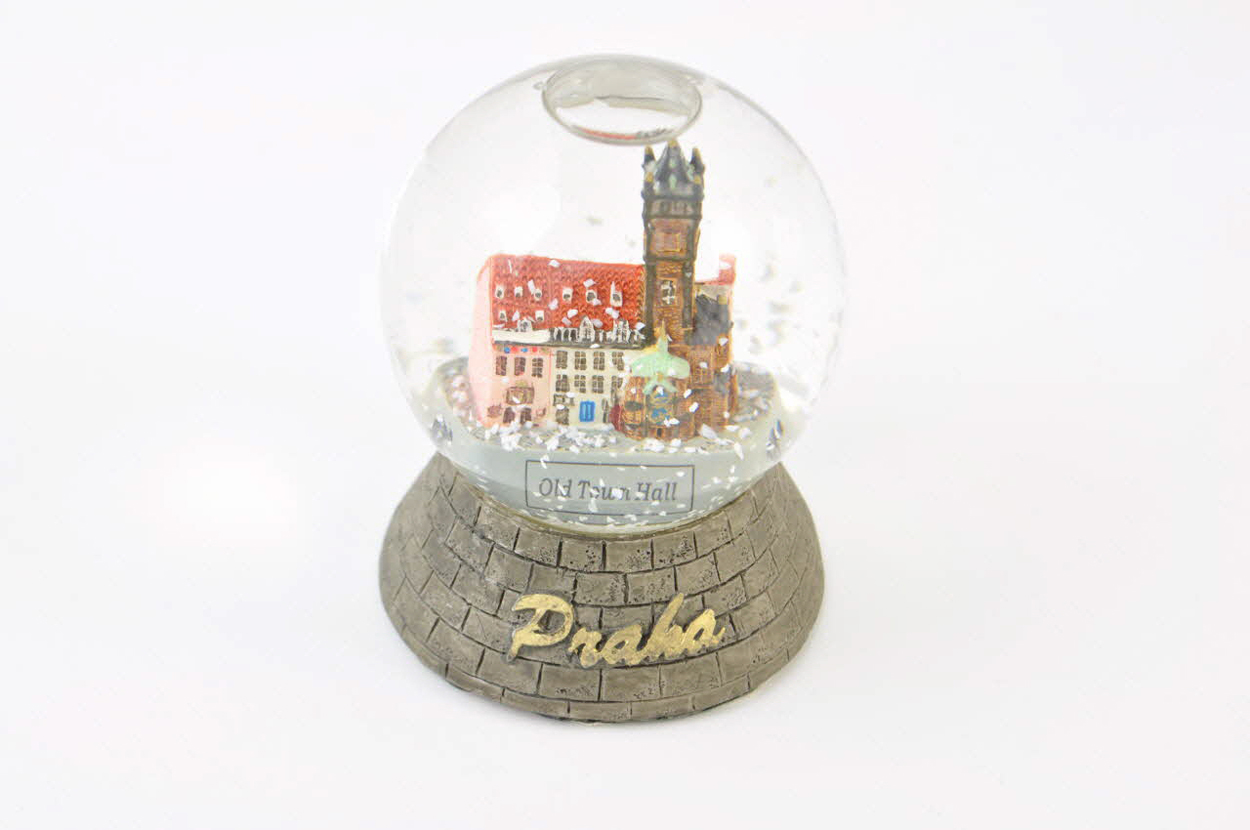 Discover
A Whimsical Alphabet Book!
What are these objects doing at the Mucem?
As its name suggests, the Mucem is a museum of civilizations. In other words, it focuses on everything produced and used by European and Mediterranean societies, from the dawn of humanity to the present day. In the museum’s view, a funerary sculpture from Ancient Egypt speaks just as much about the ritual practices surrounding death during the reign of the pharaohs as a wreath of glass-bead flowers reflects the attachment to the deceased in France during the first half of the 20th century.
Every object, no matter how humble or kitschy, thus bears witness to the society from which it originated. That is why, since its founding, the museum has made it its mission to seek out and preserve a wide variety of possible and imaginable artifacts in order to preserve their memory. In particular, it has worked systematically by organizing annual collection surveys. For a given theme, within a defined geographic area, Mucem researchers gather testimonies, images, and objects. This is how the artifacts below found their way into the national collections.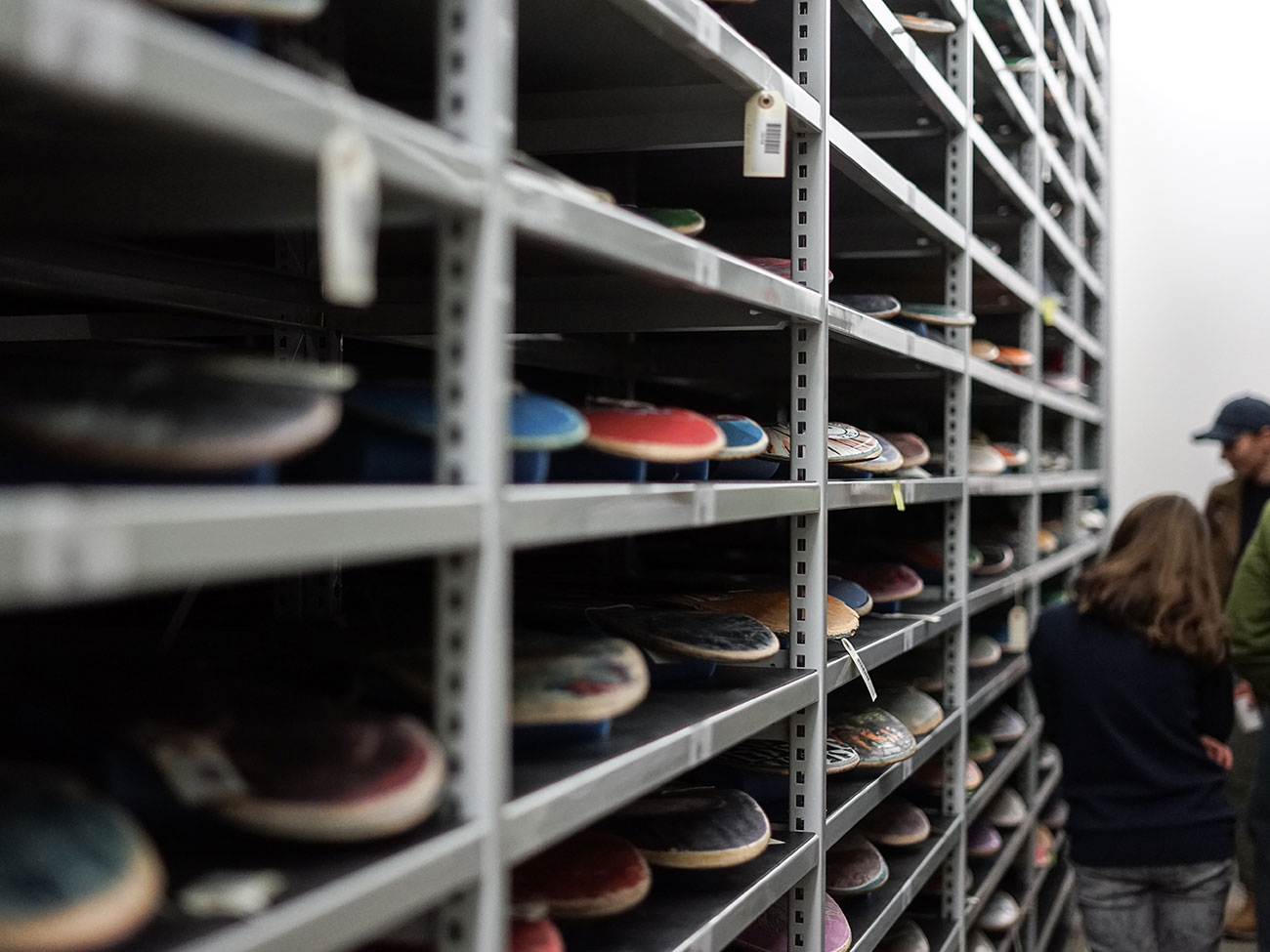 Discover
From California's Beaches to the Mucem: Skateboarding Culture at the Museum
José de Matos, Tony Hawk, Mark Gonzales… these names, which resonate with anyone who has ever skated, belong to legendary skateboarders whose legacies are represented in various forms in the Mucem’s collections. Some of them have donated skateboards, equipment, or memorabilia to the museum, while others are represented through skateboards bearing their names.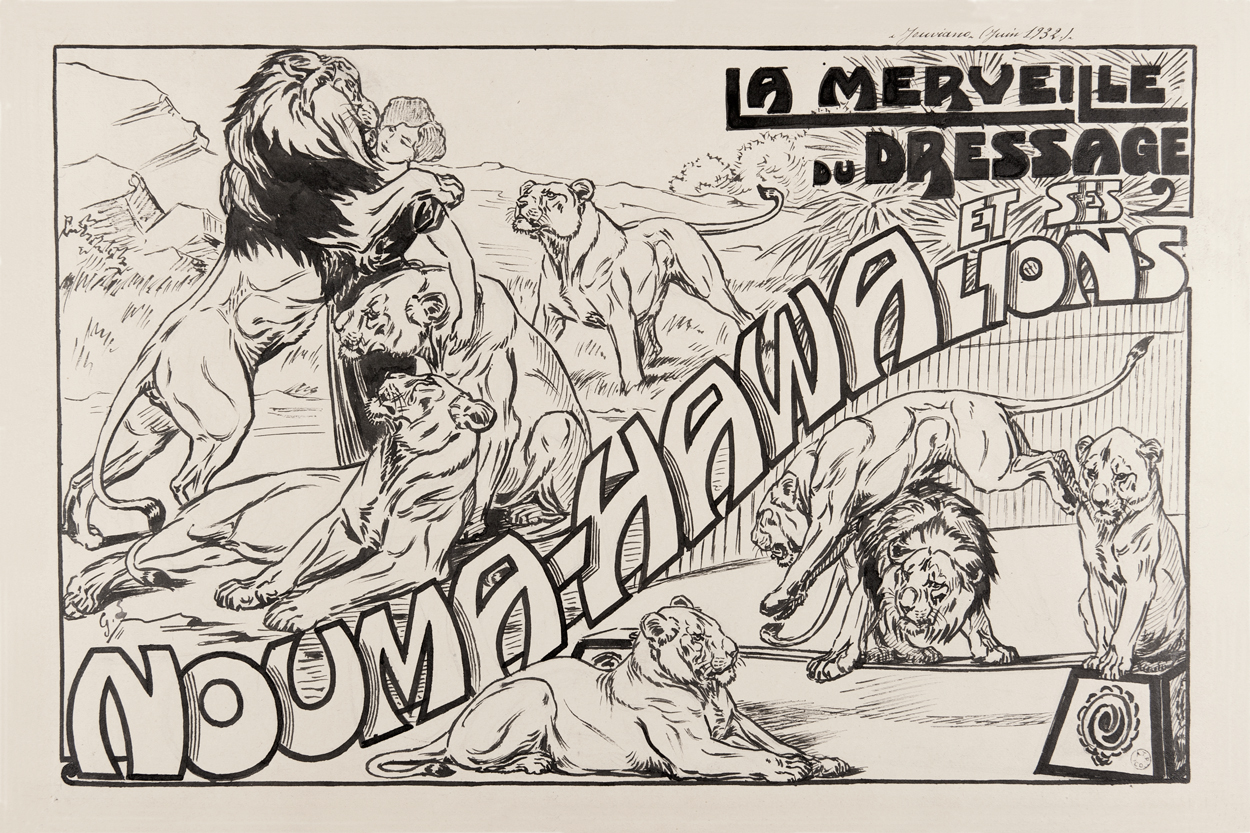 Discover
Draw Me a Lion
Gustave Soury's Animal Art
Gustave Soury (1844–1966) was an illustrator, painter, poster artist, and advertising artist who specialized in animal art for circuses and fairground menageries.
His vast and meticulous body of work, dominated by the figure of the big cats, reflects not only his passion but also our urban society’s fascination with exotic animals, their frightening wildness, and their endearing tenderness.