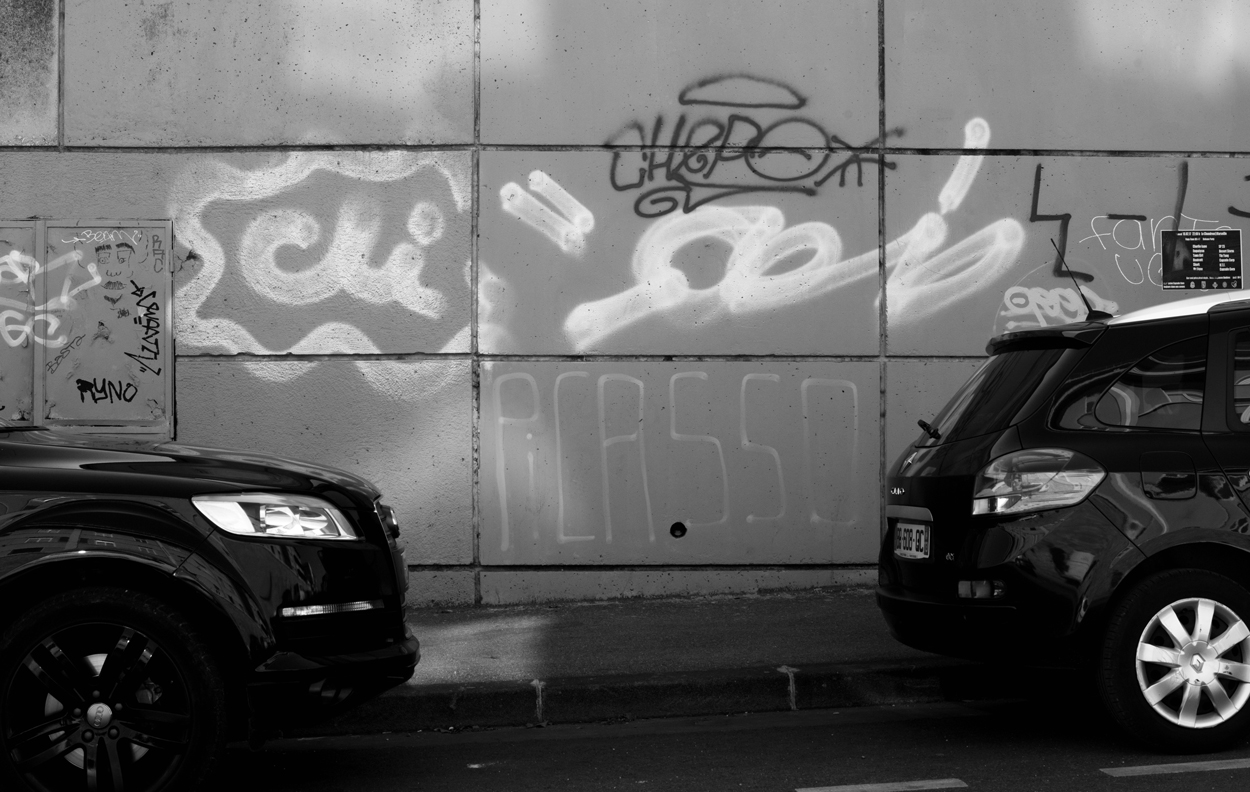
Tagging and Graffiti: “Illegal Art” at the Museum
Hip-Hop: From the Birth of a Culture to a Museum’s Collections
Graffiti (from the Latin *graffio*, meaning “stylus”) is an ancient practice. In France, May 1968 marked a turning point in the history of mural graffiti; the walls had their say. Shortly thereafter, New York graffiti emerged as a movement representing the demands of the ghetto.
Fueled by the rise of the hip-hop movement pioneered by Afrika Bambaataa and the Zulu Nation in the mid-1970s, the constant pursuit of innovation has led to the development of new techniques and styles. Graffiti represents an activity of movement, exploration, adventure, and adrenaline (due to its illegal nature), with the other side of graffiti being mural art. By the 1980s, graffiti had conquered the art market, with tags shifting from walls to canvas and from public to private spaces.
Graffiti is defined as lettering (and the compositions derived from it), as opposed to any other form of street writing or street art. A “tag,” which literally means “label,” is a calligraphic signature. Graffiti is an activity involving movement, exploration, and adventure: repeating one’s signature so that it can be seen by as many people as possible.
Graffiti began to emerge in the mid-1970s in Northern Europe.
At the MnATP (National Museum of Popular Arts and Traditions)—of which the Mucem is the successor—the growing interest in tagging and graffiti coincided with the renewal of the collections, shifting the focus from rural society to urban cultures, and prompted the museum to reflect on issues of creativity and popular culture.
JonOne
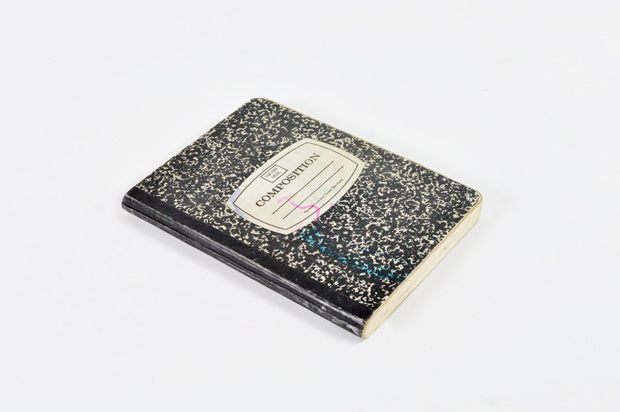
Among the many artists we met was JonOne. A New Yorker from Harlem, he was fascinated from a very young age by trains and subways, symbols of freedom. As a teenager, he apprenticed with local graffiti artists. He then moved to Paris, where the hip-hop movement was just getting started, and settled there in 1987. He joined various collectives and quickly began creating canvases. Today, he is one of the few highly sought-after artists to have emerged from the graffiti scene. Several items that once belonged to him can be found in the Mucem’s collections.
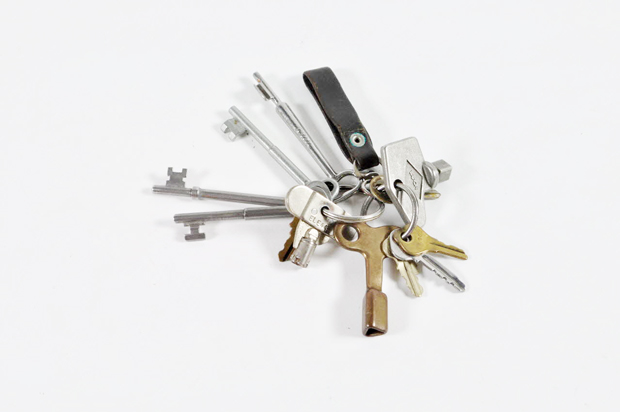
Keys used by graffiti artist JonOne to gain access to the New York City subway depots, used between 1980 and 1986, from the early days of his graffiti career until he moved to France.
This keychain consists of a brown leather strap with two metal rings attached to it, holding twelve keys. These keys were used by the famous graffiti artist JonOne between 1980 and 1986, during his early days in the graffiti scene when he would sneak into the New York City subway depots to paint the train cars. They were acquired along with other items that belonged to the graffiti artist: a sketchbook, two jackets covered in graffiti, a photomontage, and a graffiti piece on canvas created by the artist (2003.141.1-6).
In the Field: The Modus Operandi
The initial question was: What should we collect, and how can we bring graffiti into the museum? We traveled to several cities in France with the goal of reconstructing the historical context of the graffiti movement and meeting artists and key figures: Paris and the Paris region, which have played a leading role in the movement’s history since the early 1980s; Marseille, a city with a rich hip-hop culture, and the surrounding towns; Toulouse, Nantes, Lyon, and Montpellier. This history of the movement is essential because the practice has since expanded and diversified significantly; it was therefore crucial to have a thorough understanding of the first ten years of its development. This required meeting with all the pioneers and key figures—the “old-timers”—without whom graffiti would not be what it is today. These numerous encounters resulted in photographs, films, firsthand accounts, meetings at major urban culture events, research in specialized magazines and books, and interviews with lawyers and journalists specializing in graffiti-related issues…
We also visited several cities abroad and held meetings there:
- New York: Our collaboration with a “scientific advisor” has enabled us, on the one hand, to engage in much-needed reflection on the origins and development of this movement and, on the other hand, to acquire key pieces for our collections.
- Europe: London (United Kingdom), Liège, Brussels, and Charleroi (Belgium), Athens (Greece), Hamburg and Berlin (Germany), Stockholm (Sweden).
The requirements established for building the museum’s collection include:
- give priority to objects and documents related to the personal or group lives of graffiti artists recognized by their peers,
- to showcase the various “styles” of lettering, from the simplest tags to the most elaborate, including flop, chrome, wild style, etc…
- to have a representative selection of materials, such as paper, cardboard, clothing, etc.
- to have a diverse collection of graffiti-covered street furniture,
- demonstrate all the techniques and tools,
- to have a comprehensive overview of the different types of “uses” of graffiti: posters, advertising, workshops…
- to illustrate the evolution of graffiti (always through the stories of graffiti artists) into street art, painting, and clothing design,
- show both sides of the practice: the illegal side (streets, trains, etc.) and the legal side (commercial activities, festivals, etc.),
- Show the social reaction: censorship, articles, trials…
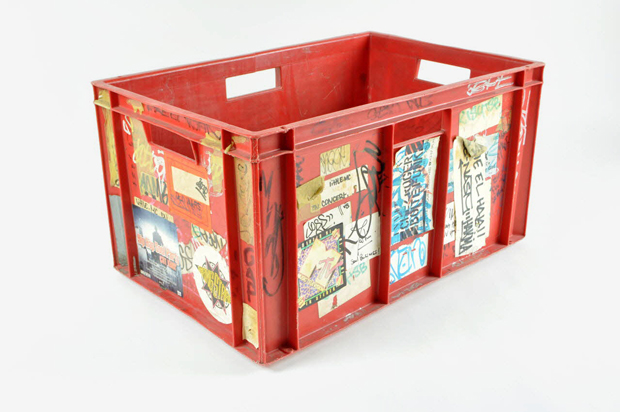
This is the DJ’s essential case, used to transport records for a night out. This renowned DJ used two of them, each holding 100 vinyl records. This case is covered with stickers from 1987 through 1997. Today, DJs have switched to wheeled cases designed to fit vinyl records. A photo of D.Nasty from the late 1980s shows this case.
In the early 1980s, DNasty appeared on radio shows featuring Black music. That’s where he began spinning records. As an organizer of parties at the La Chapelle vacant lot—a legendary spot in the mid-1980s—a party host, and the creator of the show “Deenastyle” on Radio Nova in 1988–89, D.Nasty became (and remains) France’s leading DJ—the one who inspired countless careers and won every competition.
Spotlight on the Graffiti Collection
The acquired items are very diverse and include, among others:
- street furniture, which serves as a canvas for graffiti artists (construction signs, store awnings, mailboxes
- a collection of objects and documents related to the personal and collective histories of the graffiti artists interviewed (drawings, mockups, tools, new and used spray cans, clothing, small posters, programs, stickers, flyers, surfaces for tags, canvases…
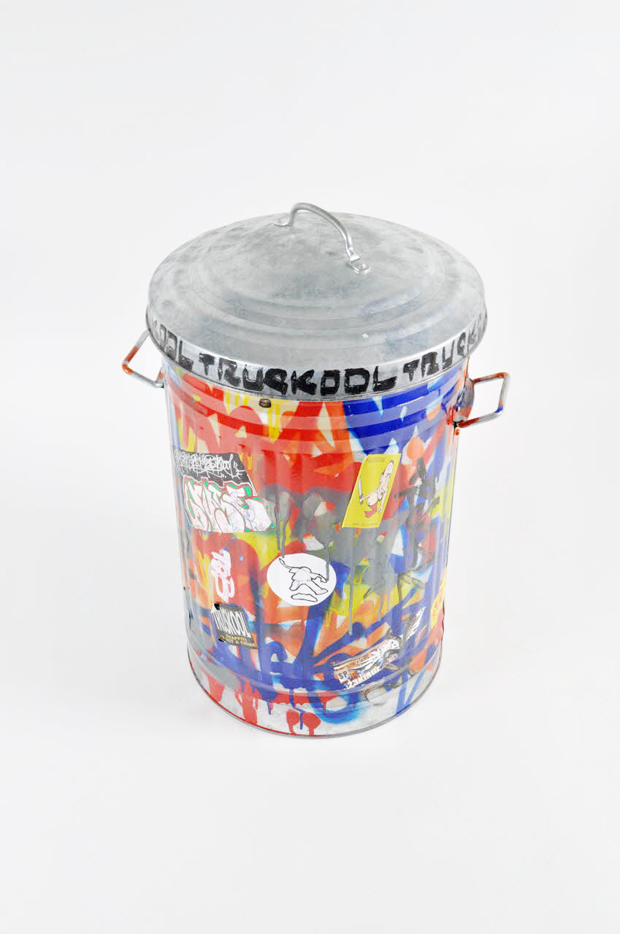
It belonged to one of the groups under investigation in Toulouse, Truskool. This trash can, which was in their studio, is an example of how graffiti artists take over and decorate their surroundings just as they do on walls: using spray paint and stickers (signing one’s name on a piece of paper to be stuck on a wall or in a train is a quick method; the effect is enhanced by using an official label, as mentioned earlier).
No Comment by Mode2
“The work is an interpretation of a sort of assessment of the culture in which I have been immersed for so many years. We started with something fresh, naive, positive, and spontaneous, and moved toward a ‘every man for himself’ mentality where the music industry, soft drink and alcohol brands, gallery and museum curators, and journalists covering art, music, or dance have taken control of the evolution and development of this so-called culture. Technology has also claimed its victims, but here and there a few tools have not yet fallen into obsolescence… That’s basically a reflection of the situation, without trying to pinpoint exactly where any given factor fits into the picture.”
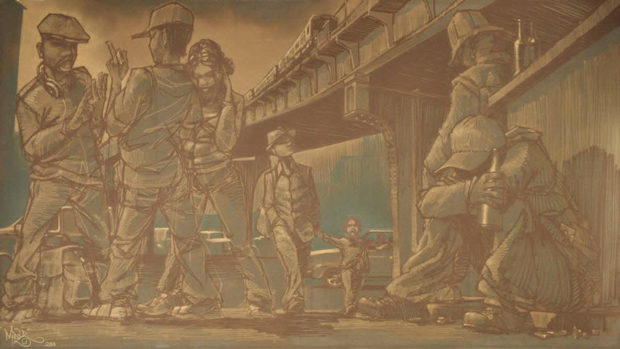
Mode2 is a leading figure in the graffiti scene in France and Europe—but more accurately, on a global scale. He is renowned for his characters. And even among “purist” graffiti artists—who believe that lettering alone defines graffiti—his status is undisputed. He seeks to support all disciplines of hip-hop, a movement he discovered in 1983 in London, where he was living at the time. For this reason, he produces the posters every year for Battle Of The Year, a must-see international B-Boying competition, an organization that champions the evolution of these dance forms as an art form in their own right. Invited as an artist to exhibitions and events around the world, his work is part of many collectors’ collections.
This work was acquired through the Friends of the Museum Association in 2012 following the “Faire le Mur” exhibition, for which it was painted.
Conclusion
Even today, the Mucem takes a keen interest in these cultures, particularly graffiti, as several research and collection projects were conducted on this topic in 2015 in Tunisia, Morocco, Italy, and Spain, with the aim of expanding and enriching the collection to encompass the Mediterranean region.
The museum’s “graff” collection was largely on display at Le Lieu Unique in Nantes, as part of the exhibition “Faire le mur,” which ran from November 6, 2011, to January 8, 2012. The Mucem is also lending several items from its collections, such as this set of 11 graffiti-covered panels from a store undergoing renovations in Paris, for the exhibition “Street Art – Banksy & Co.” which took place at the Museum of the History of the City of Bologna, Italy, from April to June 2016.
Discover more features
Immerse yourself in the vastness of the Mucem’s collections and follow the surprising themes imagined by our curators. Discoveries and a change of scenery guaranteed!
 Discover
Soccer & Identities
A Mediterranean Survey and Data Collection Project
The “Football & Identities” survey and data collection project represents three years of research, conducted from 2014 to 2016, in 10 countries in the Mediterranean region: Algeria, Bosnia and Herzegovina, Spain, France, Israel, Italy, Morocco, Palestine, Tunisia, and Turkey.
Four humanities researchers—Christian Bromberger, Abderrahim Bourkia, Sébastien Louis, and Ljiljana Zeljkovic—sometimes accompanied by a curator —Florent Molle—and photographers—Giovanni Ambrosio and Yves Inchiermann—collected more than 400 objects, approximately 3,000 photographs, and over 6 hours of video footage. Upon their return from the field and after review, the collected objects and photographs will be presented to the Mucem’s acquisitions committees to determine whether they will be added to the public collections and made available to the public.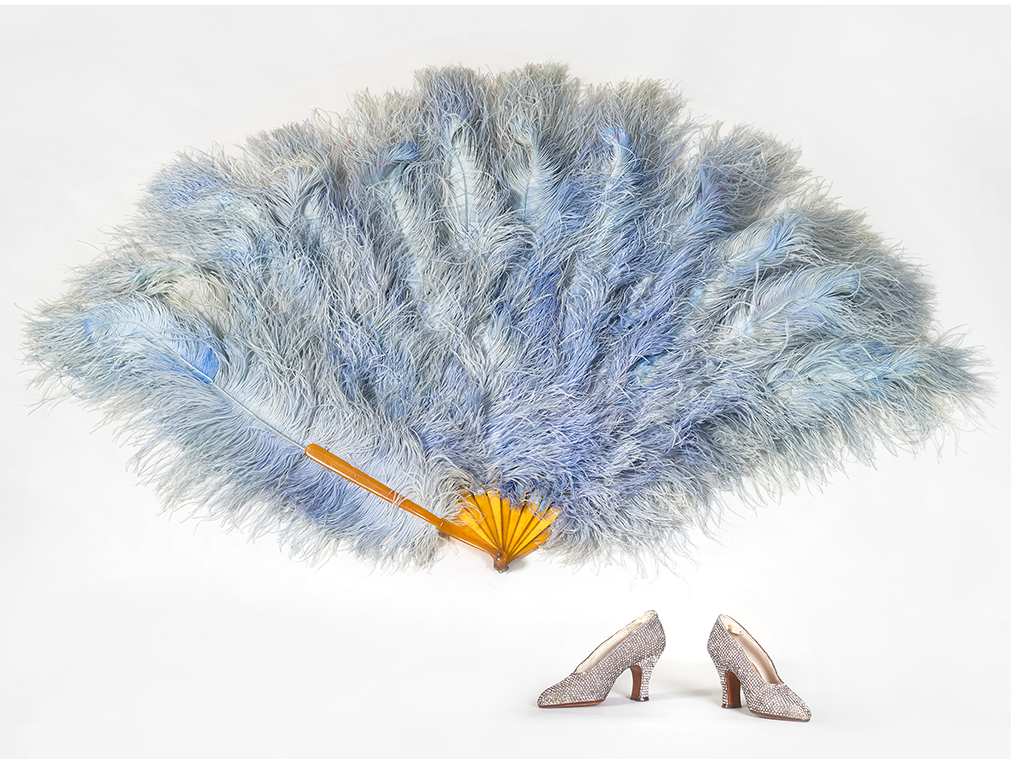 Discover
Celebrity!
Cult Objects and the Star System in the Mucem Collections
A dress, a console table, a belt buckle, a soccer jersey, a pair of shoes, a swimsuit, a radio: here is a list of simple everyday objects that bear witness to their era. This list would have a very different impact if we added the names of the people to whom they belonged: Edith Piaf’s dress, Pink Floyd’s mixing console, Saint Vincent Palotti’s belt buckle, Cristiano Ronaldo’s soccer jersey, Mistinguett’s shoes, Miss France’s swimsuit, Psykose’s “cataposte.” From being mundane, these objects take on power, sparkling with the glamour of fame. They become desirable and “magical.” But these relics come at a price that is, too, far from trivial…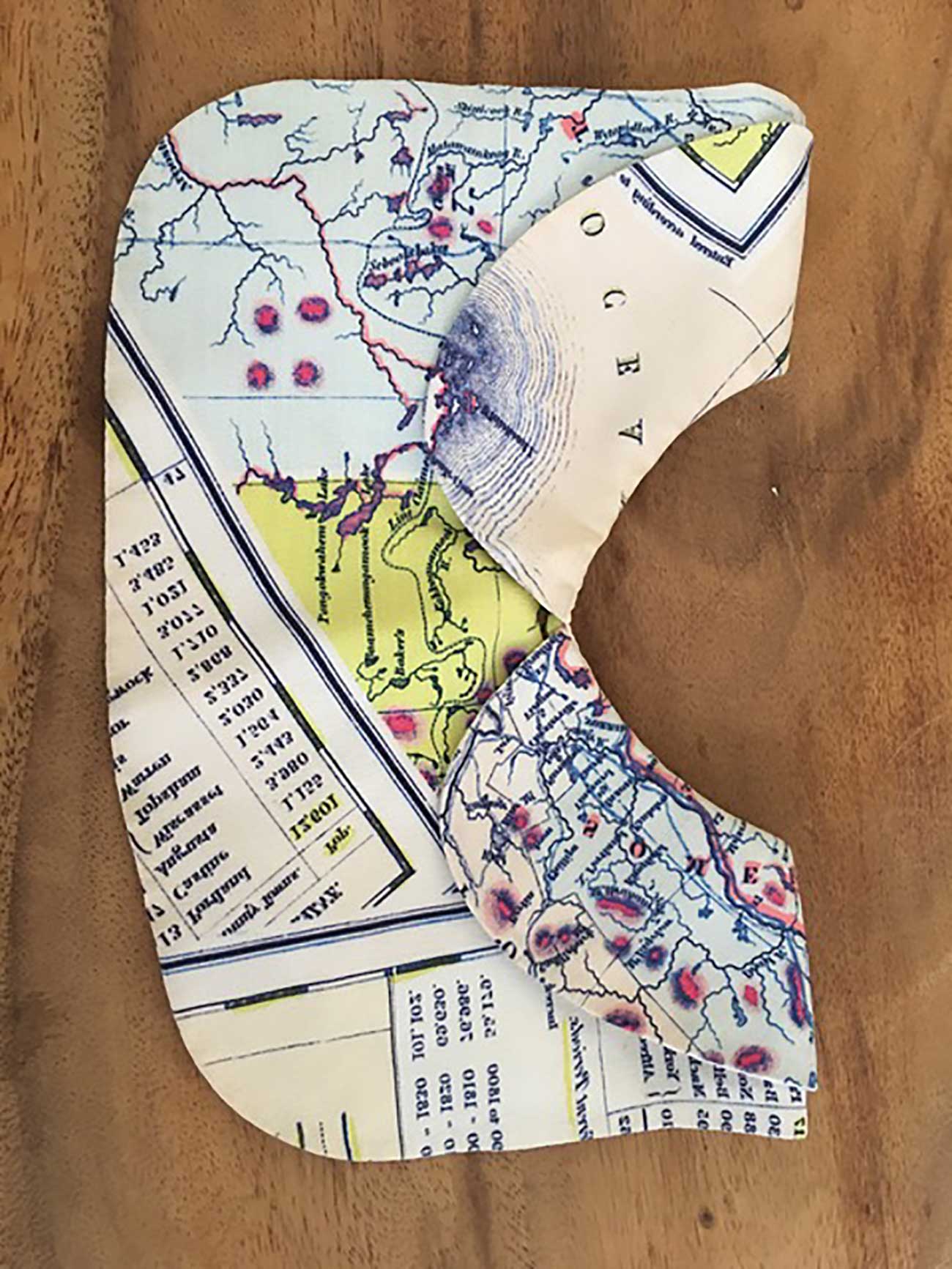 Discover
"Life During Lockdown," the collection
In April 2020, the Mucem launched a major participatory project focused on our lives during lockdown. Many of you took part.
The Mucem has received more than 600 proposals, which are still being reviewed, and some of which will be added to its collections once the review process is complete. A digital booklet lists all the proposals collected through this call for submissions, and here are a few examples: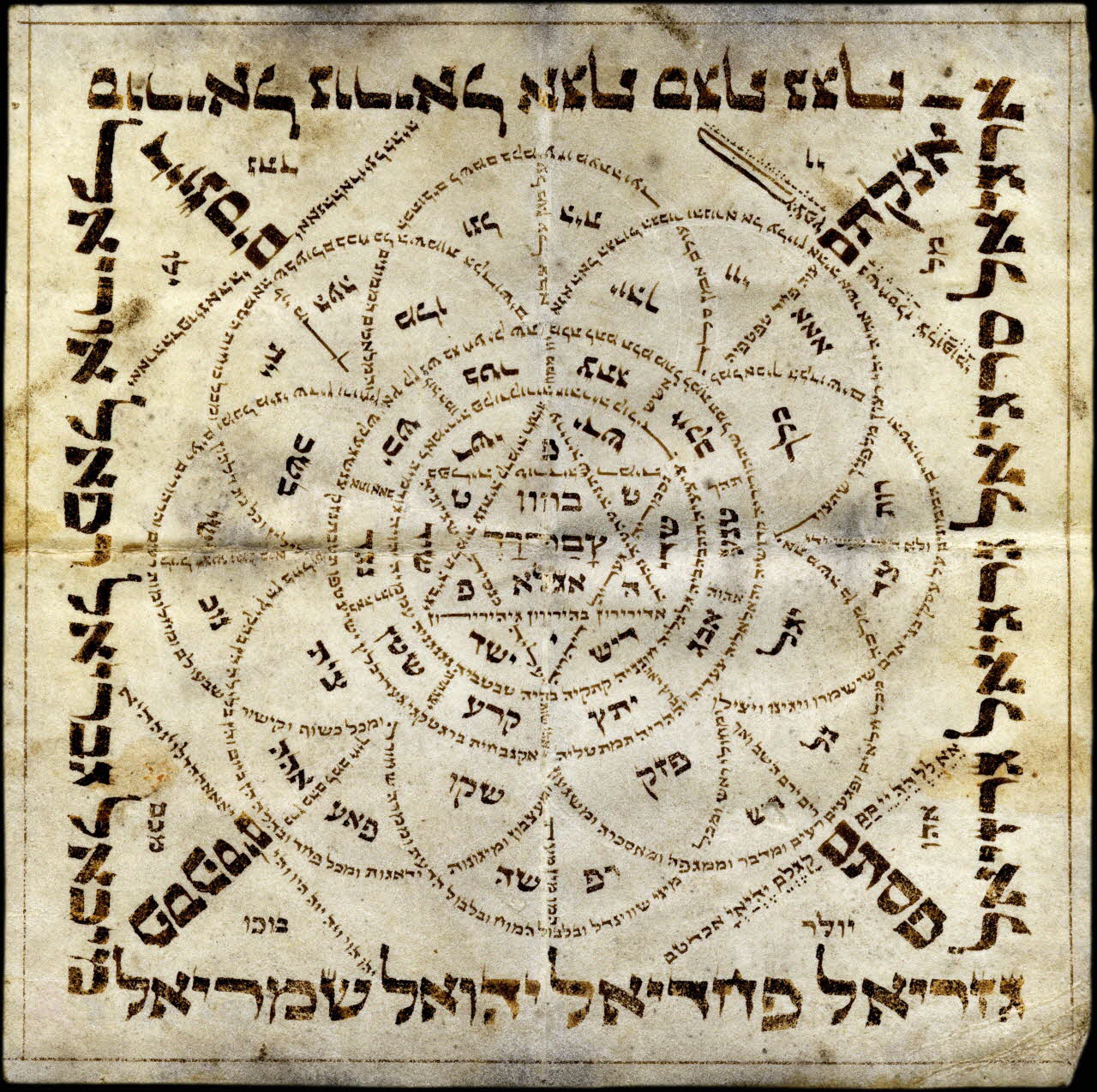 Discover
Watch out for wizards!
Magic and witchcraft: some of us consider them laughable superstitions, others believe in them, and many are undecided. But believing in them has a bad reputation among rational minds: such beliefs were fine for our ancestors—especially in rural areas—or are still acceptable in developing countries—but certainly not here, not today, and definitely not in the city. Yet observing the behavior of our contemporaries shows that scientific progress has not brought an end to mysteries and beliefs, neither in post-industrial France nor elsewhere. Often powerless in the face of misfortune, suffering, and anxiety, people are not satisfied with the answers provided by science. Science leaves a seemingly irreducible space for other principles and other ways of understanding the world.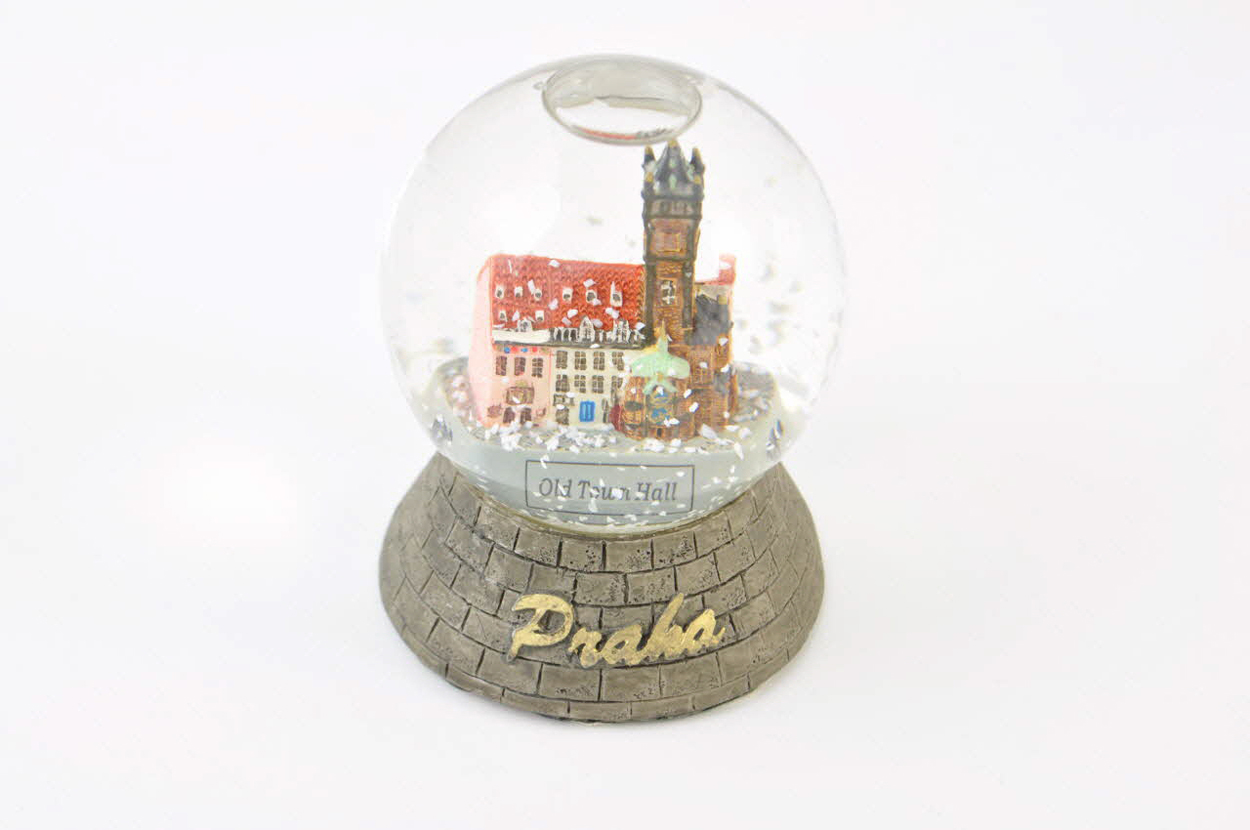 Discover
A Whimsical Alphabet Book!
What are these objects doing at the Mucem?
As its name suggests, the Mucem is a museum of civilizations. In other words, it focuses on everything produced and used by European and Mediterranean societies, from the dawn of humanity to the present day. In the museum’s view, a funerary sculpture from Ancient Egypt speaks just as much about the ritual practices surrounding death during the reign of the pharaohs as a wreath of glass-bead flowers reflects the attachment to the deceased in France during the first half of the 20th century.
Every object, no matter how humble or kitschy, thus bears witness to the society from which it originated. That is why, since its founding, the museum has made it its mission to seek out and preserve a wide variety of possible and imaginable artifacts in order to preserve their memory. In particular, it has worked systematically by organizing annual collection surveys. For a given theme, within a defined geographic area, Mucem researchers gather testimonies, images, and objects. This is how the artifacts below found their way into the national collections.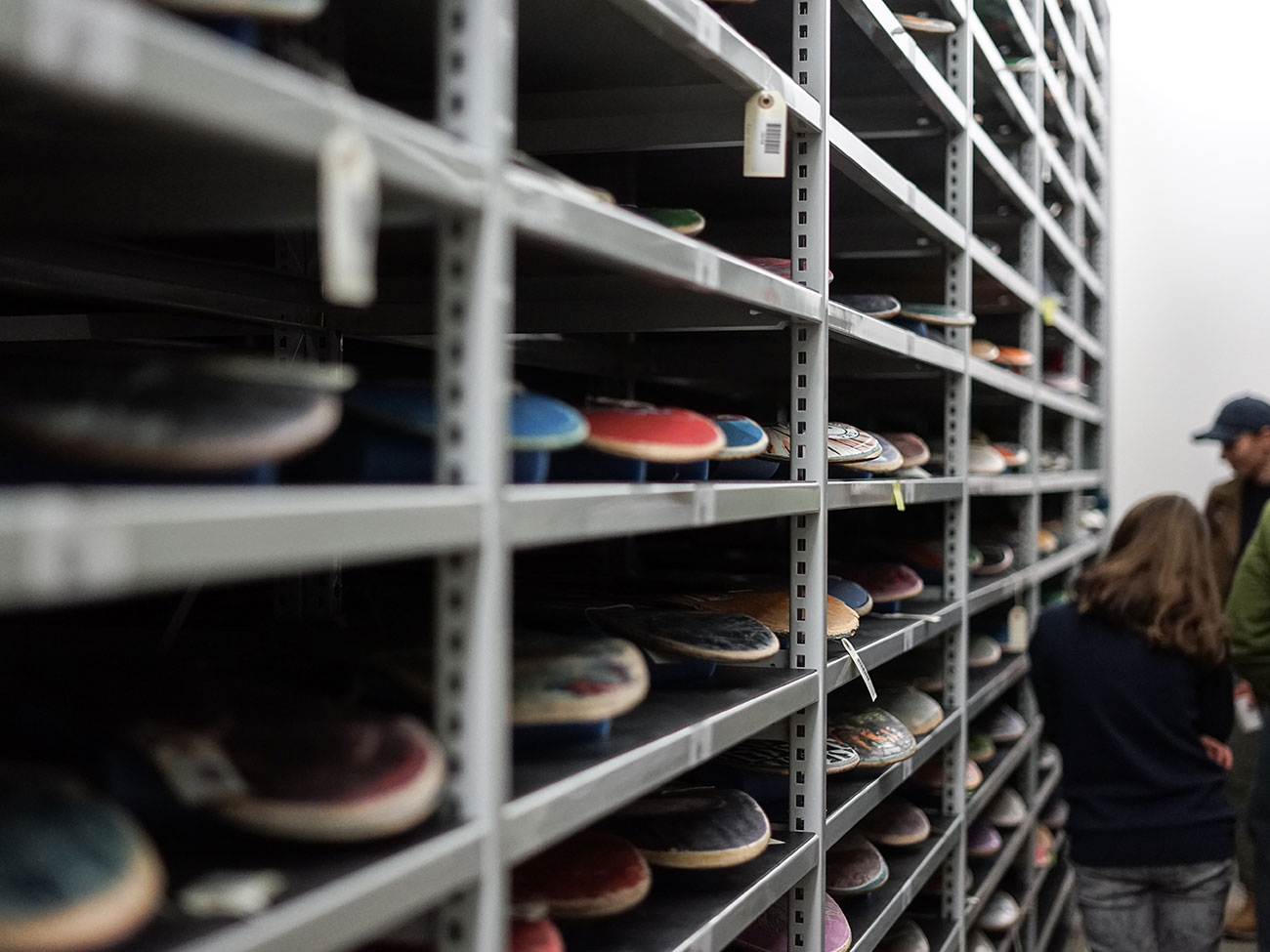 Discover
From California's Beaches to the Mucem: Skateboarding Culture at the Museum
José de Matos, Tony Hawk, Mark Gonzales… these names, which resonate with anyone who has ever skated, belong to legendary skateboarders whose legacies are represented in various forms in the Mucem’s collections. Some of them have donated skateboards, equipment, or memorabilia to the museum, while others are represented through skateboards bearing their names.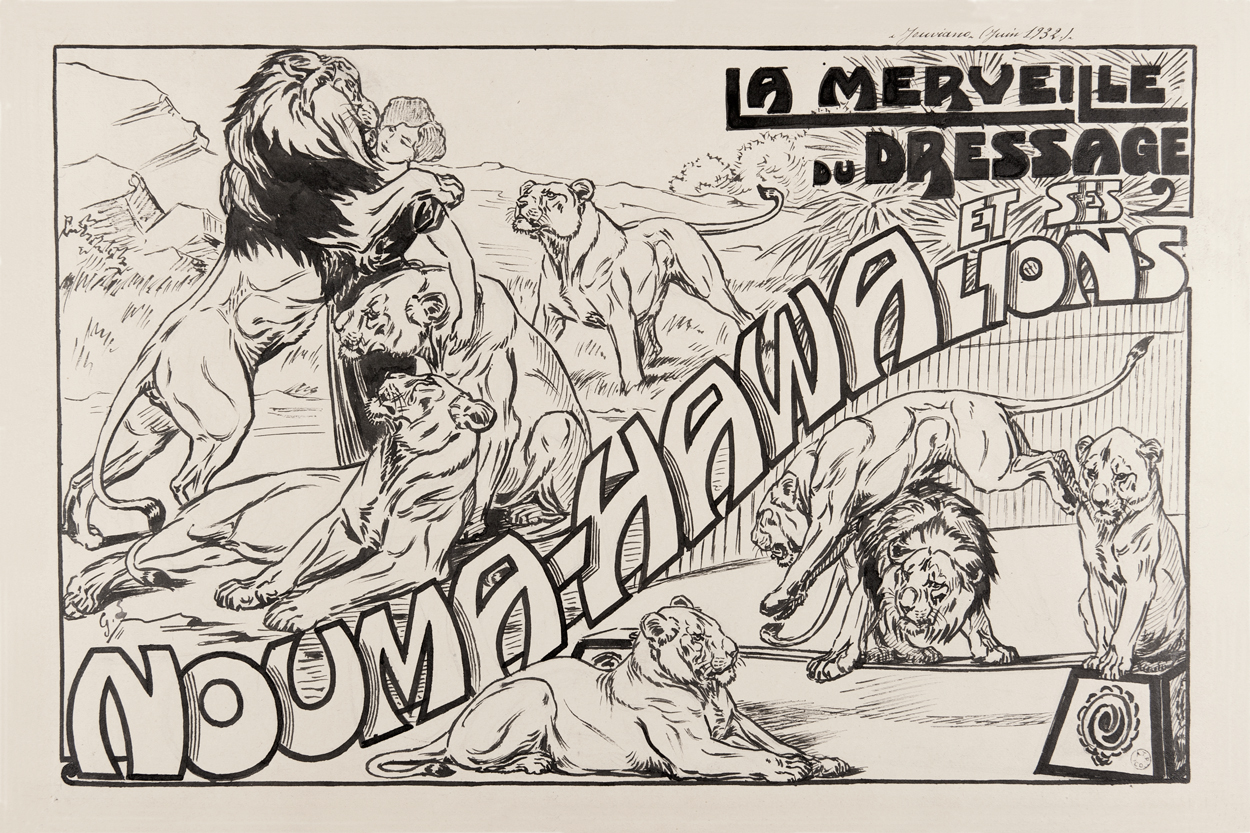 Discover
Draw Me a Lion
Gustave Soury's Animal Art
Gustave Soury (1844–1966) was an illustrator, painter, poster artist, and advertising artist who specialized in animal art for circuses and fairground menageries.
His vast and meticulous body of work, dominated by the figure of the big cats, reflects not only his passion but also our urban society’s fascination with exotic animals, their frightening wildness, and their endearing tenderness.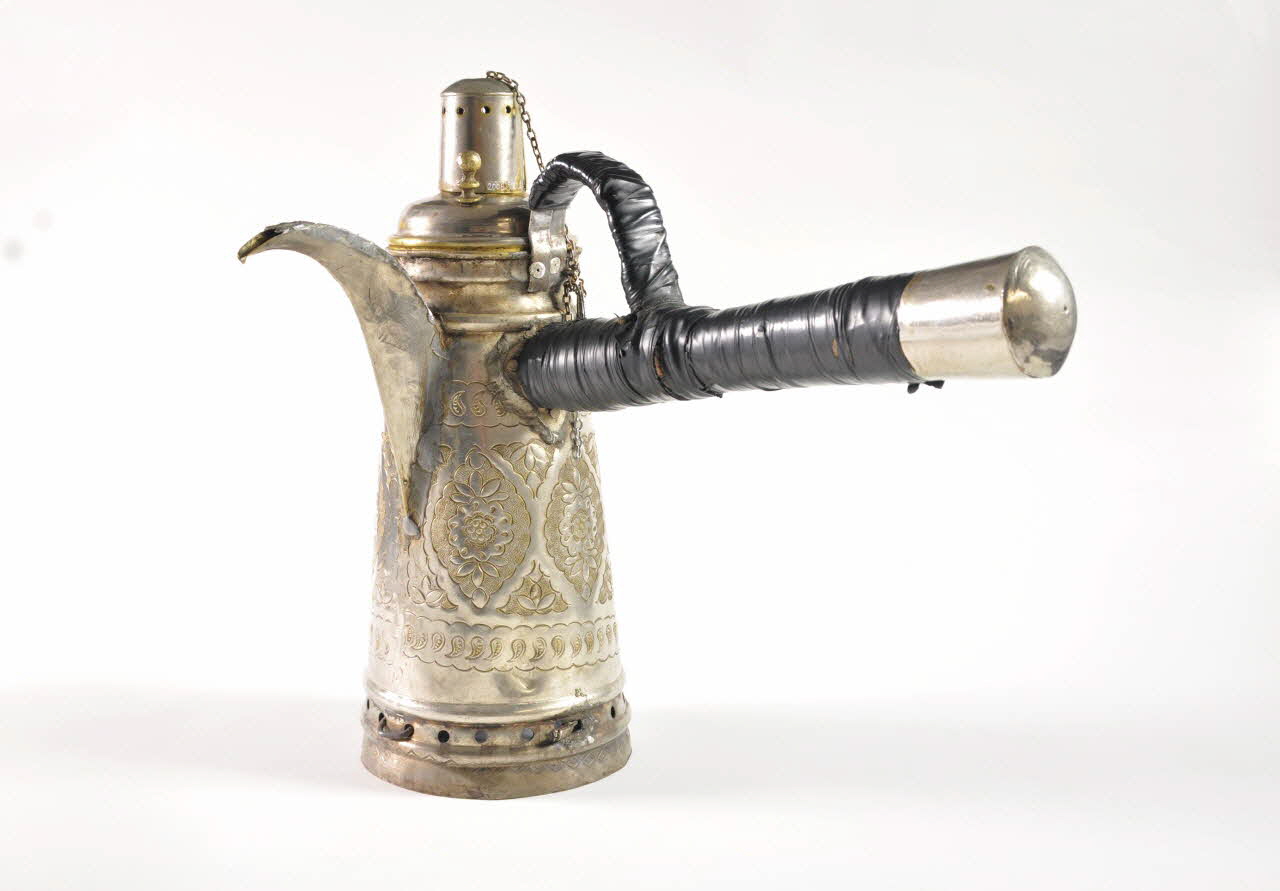 Discover
Coffee
Coffee (qahwa in Arabic, a term also used to refer to wine) reached us via the Arab and Ottoman worlds. From the highlands of Abyssinia, where coffee cultivation is documented as early as the 12th century, coffee crossed the Red Sea to be first cultivated along the coast of “Happy Arabia” (present-day Yemen) and then in the tropical climates of the territories of the great colonial empires beginning in the 17th century. Called the “devil’s drink” because of the black color of its grounds—in which people believed they could read the future—coffee was at times discredited by doctors for its harmful effects on health (it was considered an unnatural and addictive beverage).
Today, coffee is the second most widely consumed beverage in the world after water, but it still competes with tea.
The Mucem’s extensive collections related to coffee illustrate the various ways this beverage has been prepared and consumed since the 18th century, both at home and in public spaces. They also highlight how cafés have become places of social interaction.