From California's Beaches to the Mucem: Skateboarding Culture at the Museum
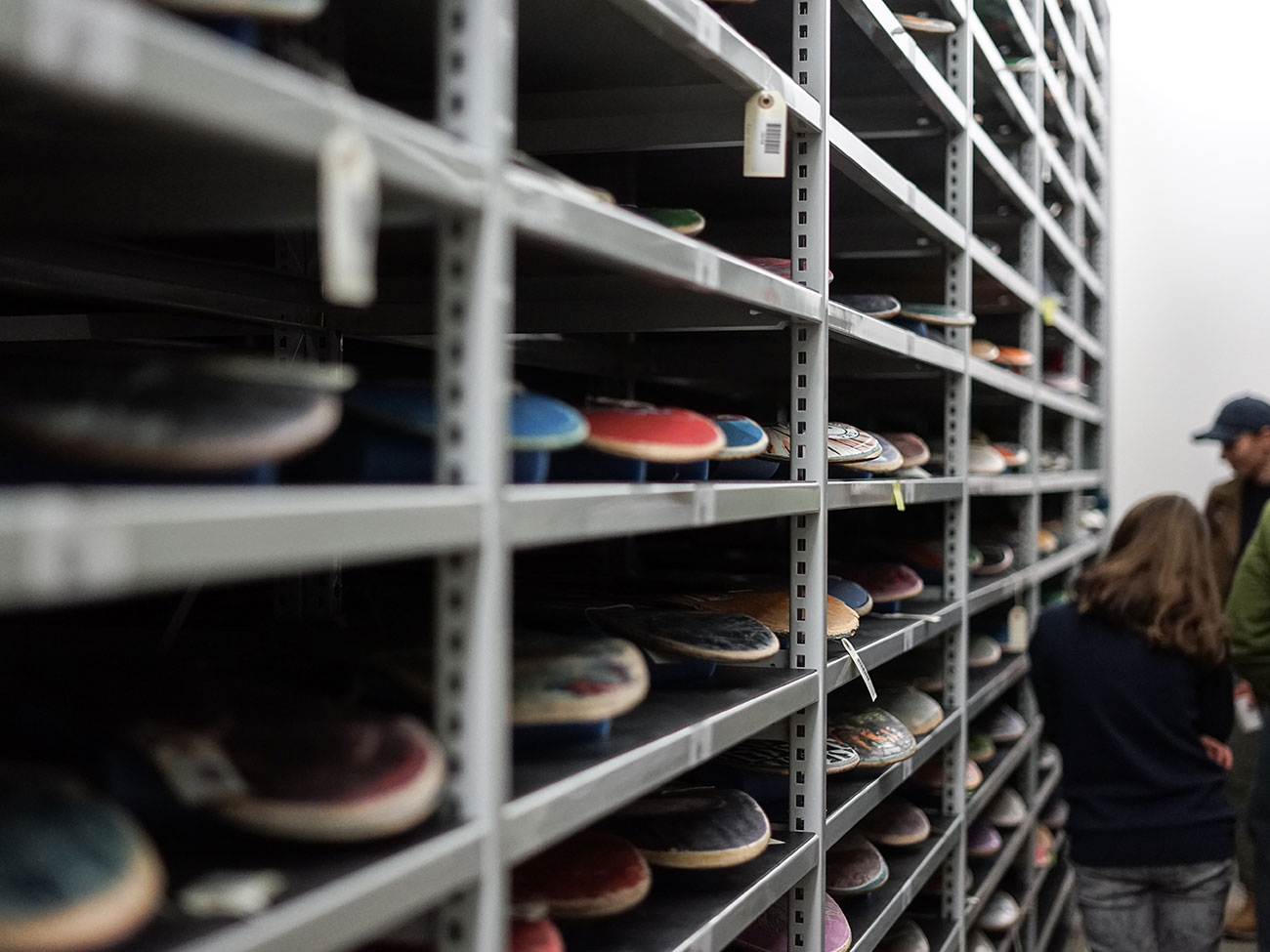
The Mucem’s storage facilities hold a veritable treasure: one of the largest public collections related to skateboarding. More than a thousand items—skateboards, wheels, works of art, sports equipment, and memorabilia from notable skaters—trace the history of this sport from the 1960s to the 2000s, covering both its champions and its enthusiasts.
This remarkable collection is the result of a field survey and ethnological research conducted in the 1990s by two ethnologists, Claire Calogirou and Marc Touché, assisted by Marie Cipriani Crauste. For nearly a decade, the three of them frequented France’s top skateboarding spots—such as the Trocadéro (Paris), Poitiers, Bayonne, and Bourges—to meet champions, skateboarding enthusiasts, retailers, and skateboard manufacturers. During these trips and encounters, the researchers discovered and collected numerous objects that shed light on this cultural and athletic practice from various perspectives: technical, cultural, and institutional.
Several exhibitions in France—notably at the National Museum of Popular Arts and Traditions in 1997—have used this collection to showcase the emergence and development of skateboarding in France, as well as the cultural imagery associated with it. The display of a large portion of the “skateboarding” collection in the Mucem’s model apartment allows the public to continue exploring this legendary history even today.
Skateboarding Mythology: From a Children’s Game to Countercultures
Before it was adopted in the 1960s by teenagers and young adults seeking freedom, the skateboard was an innocent toy derived from roller skates, scooters, and even soapboxes used for riding down hills. A strange four-wheeled board from the 1920s serves as a reminder of these distant origins. Called the “auto-skiff,” this toy was used primarily for racing or hurtling down hills: the child would sit on the rear platform, which served as a seat, with their feet braced against the front bar used to steer the device, and pull on the cord attached to the pulley at the front of the board to drive the rear wheels.
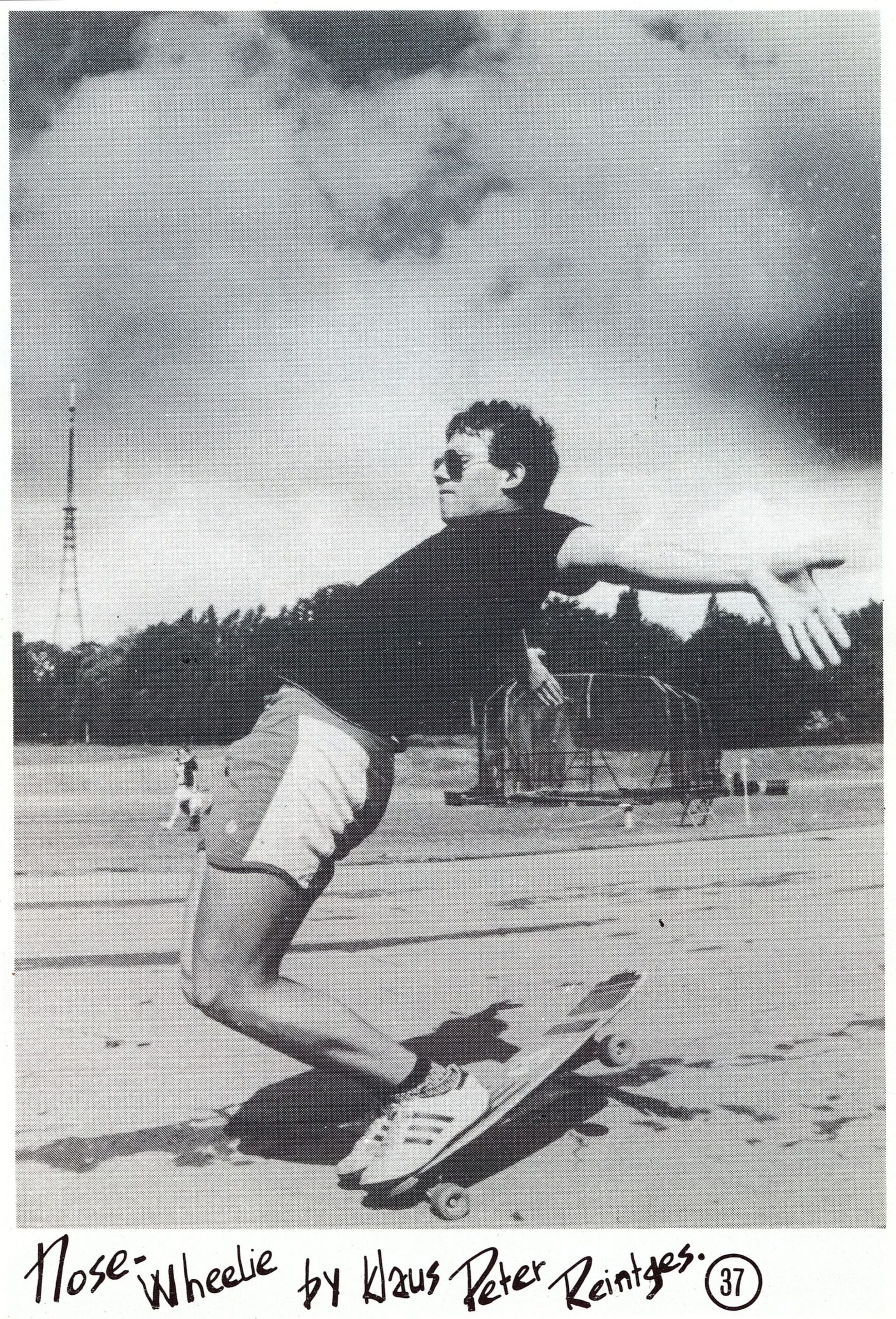
During the 1960s, skateboarding moved beyond the realm of childhood and gained a more rebellious reputation through its connection with California surfers. Surfers began skateboarding when the ocean conditions weren’t ideal, while surf companies were organizing the first skateboarding competitions at the same time.
The “Surfer” model board, with red wheels bearing the “Barland” logo, bears witness to this convergence between the worlds of skateboarding and surfing, as well as to the development of skateboarding in France. The set design, featuring photographs of surfers riding waves under the bright sun or at sunset, evokes the Californian spirit. The company “Barland,” which specializes in surfing and skateboarding, also plays on this spirit—not in the United States, but in France. Based in Bayonne, a major surfing hub in France, it is one of the first companies to manufacture skateboard wheels in France. In doing so, it has helped bring this cultural and sporting practice to France.
Popular among teenagers and young adults who often seek to defy authority, skateboarding is immediately perceived as dangerous. Prohibition signs are popping up everywhere, from the streets to the subway corridors. In an ironic twist, skateboarder Gilles Lazennec repurposed one of these signs by combining a sign he stole from the Paris metro with a high jump board made from a stair step.
In response to this ban, skateboarders coined the phrase “Skateboarding is not a crime,” which has since become a rallying cry for the community.
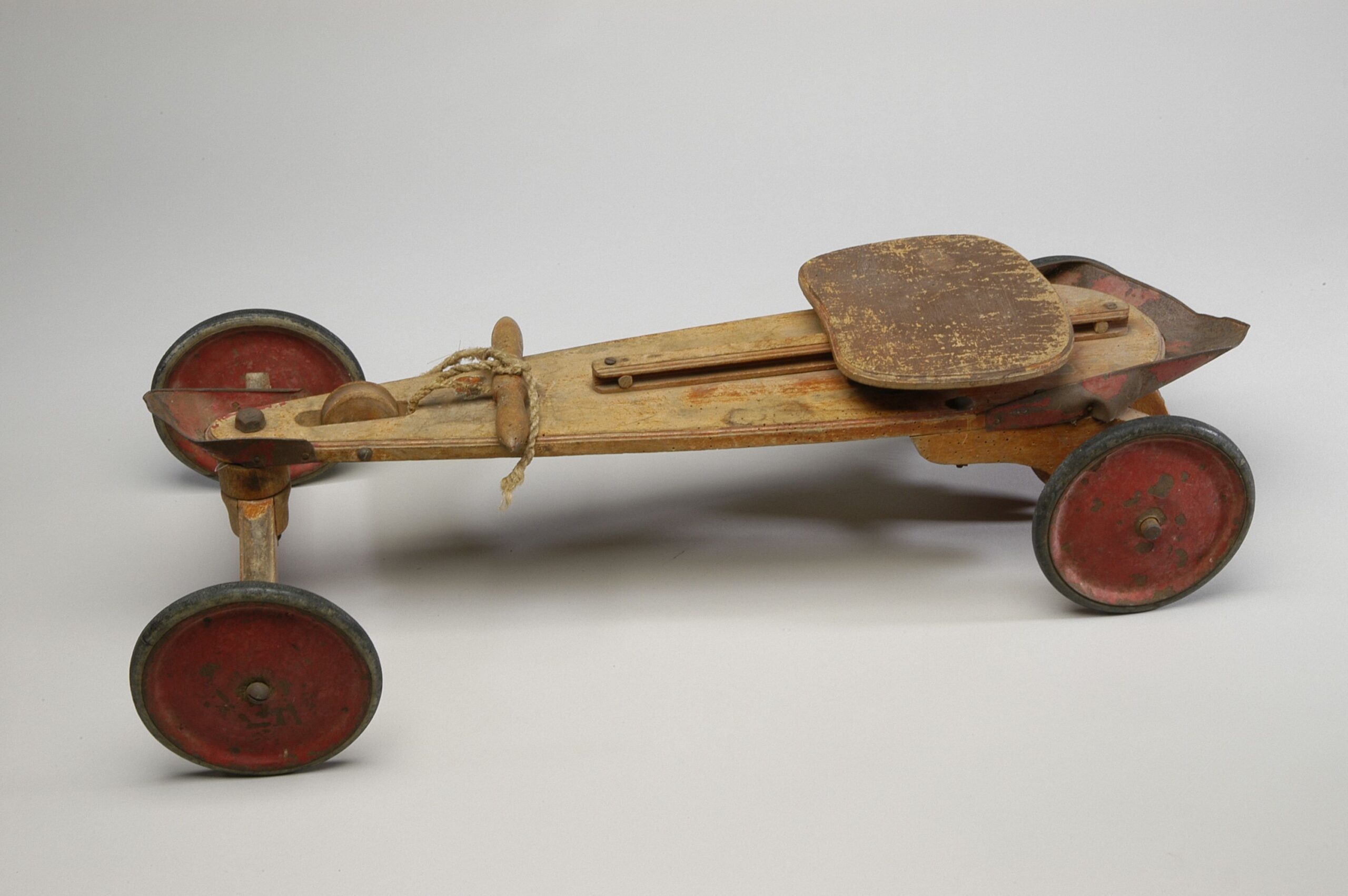
Toy by the Auto-skiff brand, 1920–1930, donated by André Sévenier, 2002.64.1. Photo: Mucem / Christophe Fouin 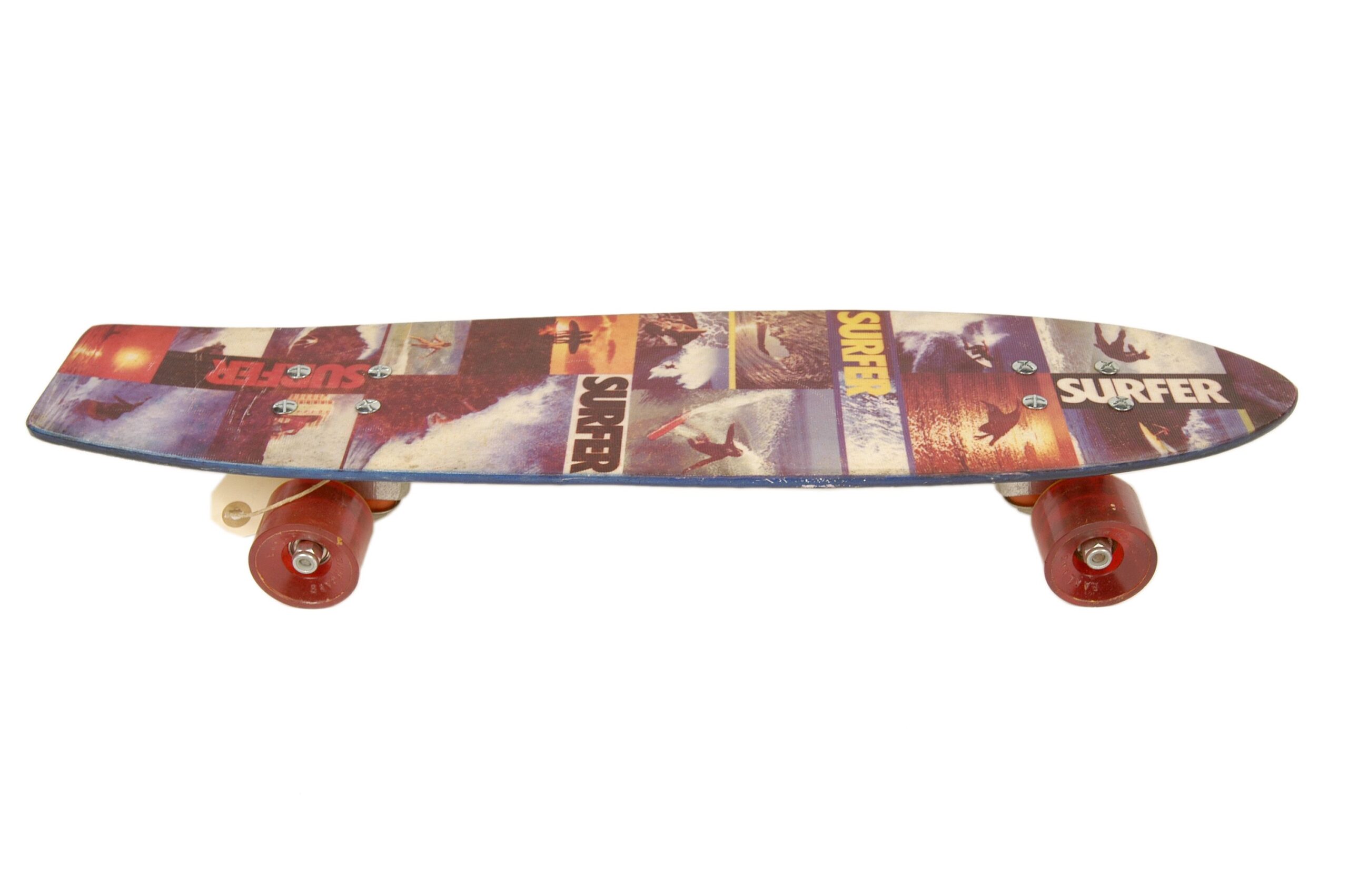
"Surfer" Skateboard, 1975–1979, Acs (trucks), Barland (wheels), 2000.29.132. Photo: Mucem / Anne Maigret 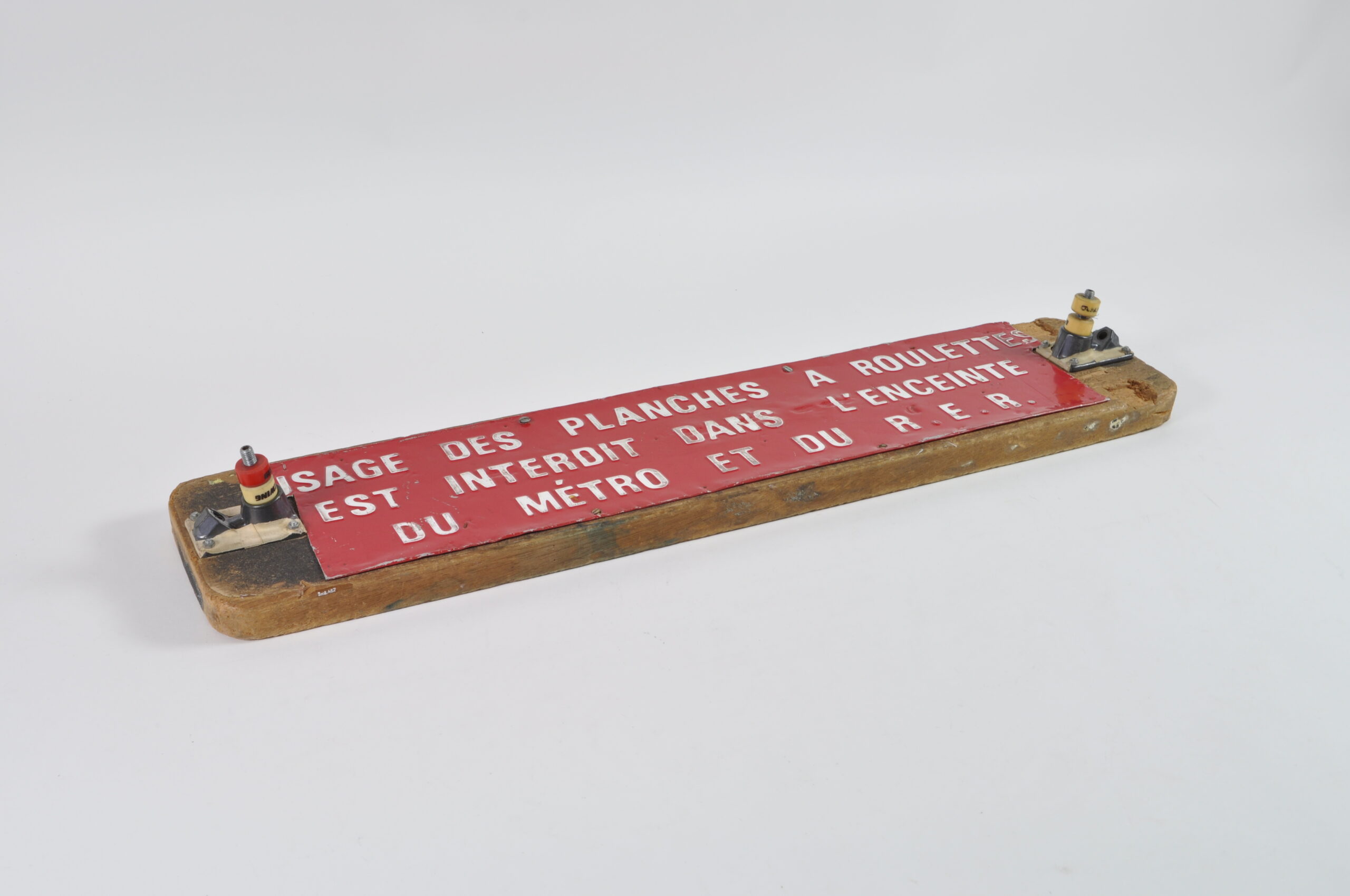
Repurposed skateboard deck, donated by Gilles Lazennec, 2002.48.7. Photo: Mucem 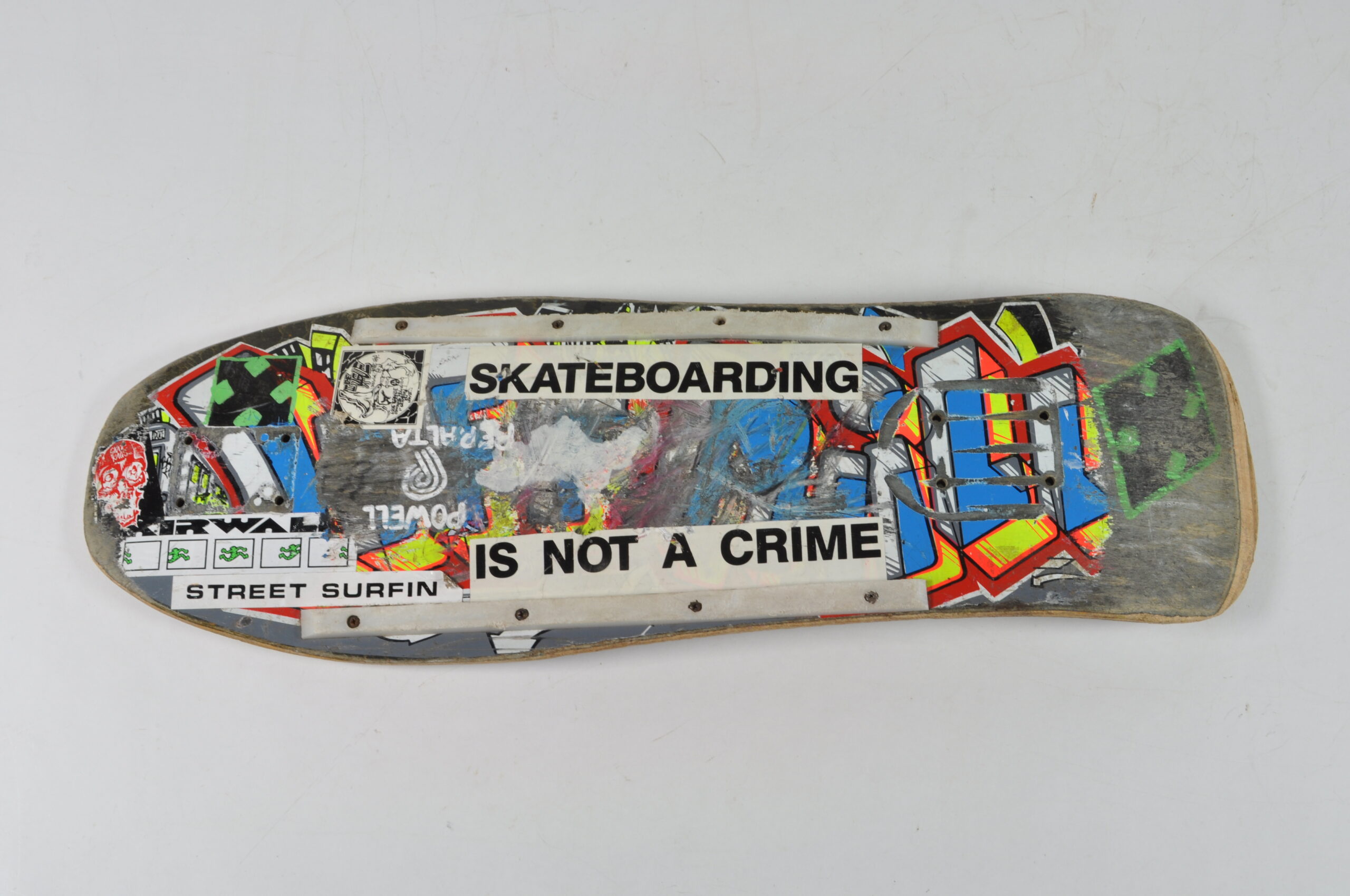
Skateboard deck with the inscription “Skateboarding is not a crime,” 2002.49.3. Photo: Mucem
Making “Concrete Sing”: Stories of Asphalt, Plastic, and Rubber
For a skateboarder, choosing the right equipment is essential. The shape of the wheels and the deck, as well as the materials they’re made of, determine how well the skateboard grips the pavement, how maneuverable it is, and therefore how you skate. Aware of the importance of these technical details, the ethnologists behind our collection have gathered numerous skateboard parts.
A wide variety of wheels thus sheds light on the technical evolution of skateboarding, particularly the transition in the early 1970s from wheels made of a mixture of clay and plastic (clay wheels)—which had the drawback of falling apart very quickly— to urethane wheels (a petroleum-based material), which offer better grip on asphalt and greater resistance to wear and tear.
Skateboarders pay just as much attention to maintaining their gear as they do to choosing their boards. That’s because the gear is expensive and wears out quickly. There are several tips for making your gear last longer, such as “ShoeGoo.” This clear resin has long been used by skateboarders to repair their shoes, but was later banned in France because it gave off toxic fumes (which some skateboarders intentionally inhaled).
Passionate and resourceful, many skateboarders build their own skateboards and experiment with different shapes. The remarkable 2002.35.29 board is one such DIY creation. Three small, banana-shaped beige boards were cut out and assembled to form, in a way, the base of a skateboard. The whole thing was attached to a heavy rectangular wooden board. This skateboard (one of a kind!) is one of the inventions of a DIY dad, François Hardouin-Duparc, for his three children who were learning to skateboard in the late 1970s.
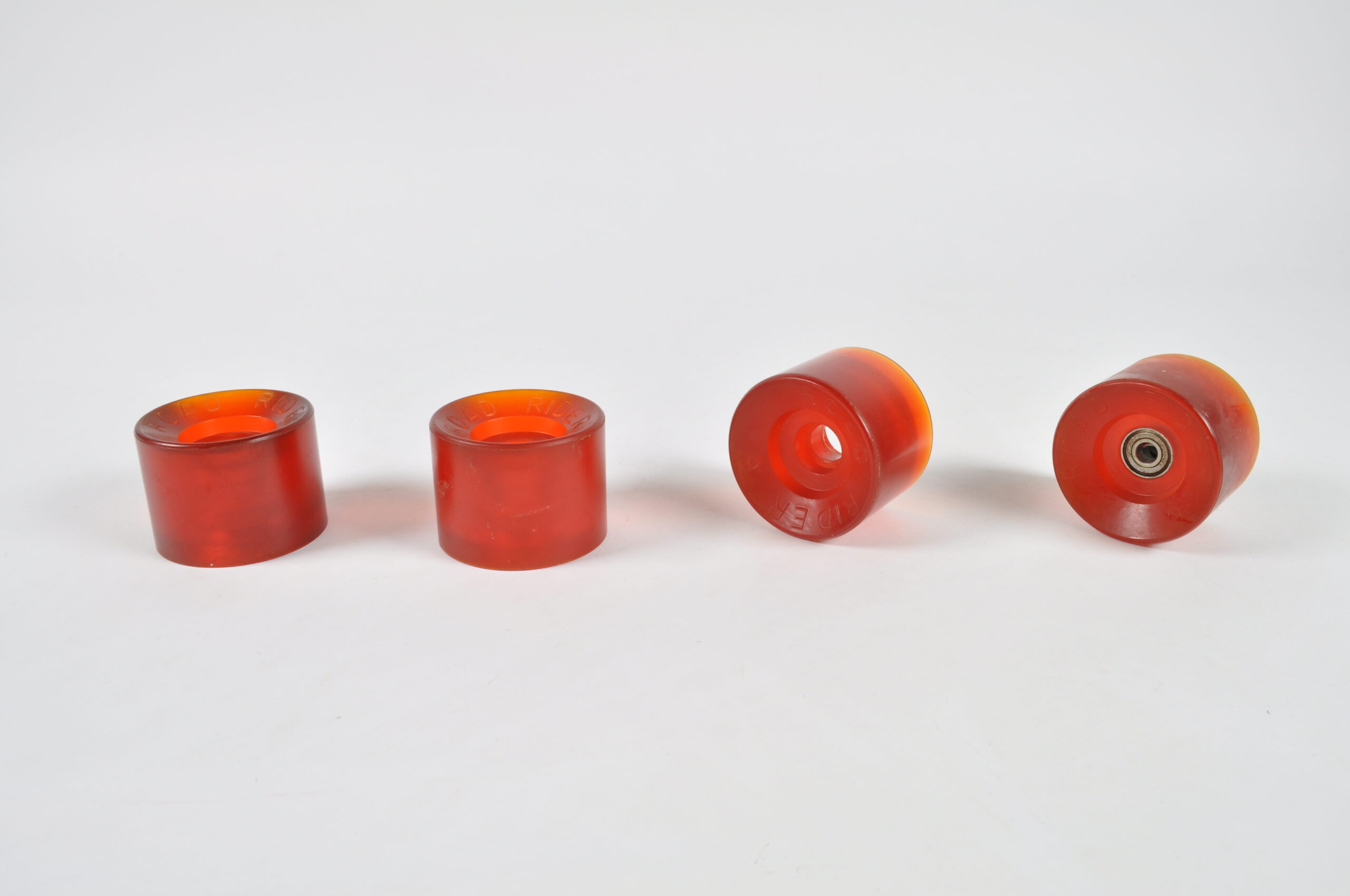
Set of urethane wheels from the “Road Rider” brand, circa 1975–1979, 2000.29.41. Photo: Mucem 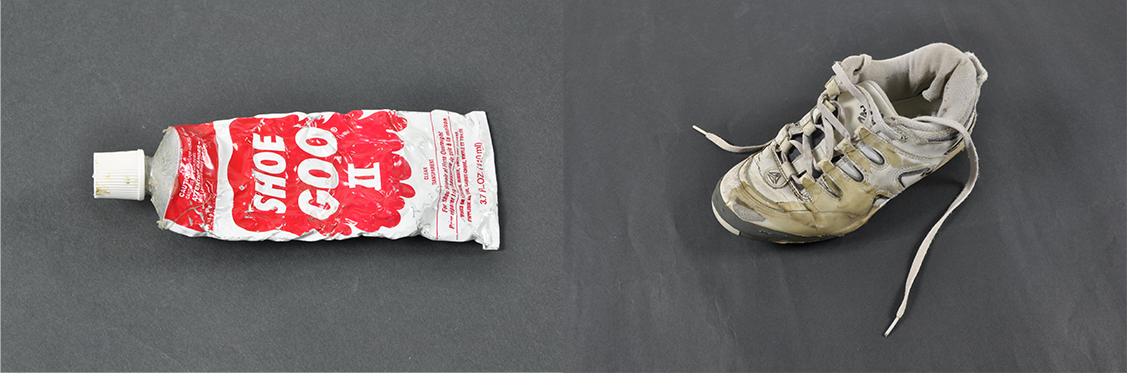
A tube of “ShoeGoo” (2002.49.26) and a shoe repaired using this glue (2002.35.6.2, donated by Hardouin-Duparc). Photos: Mucem 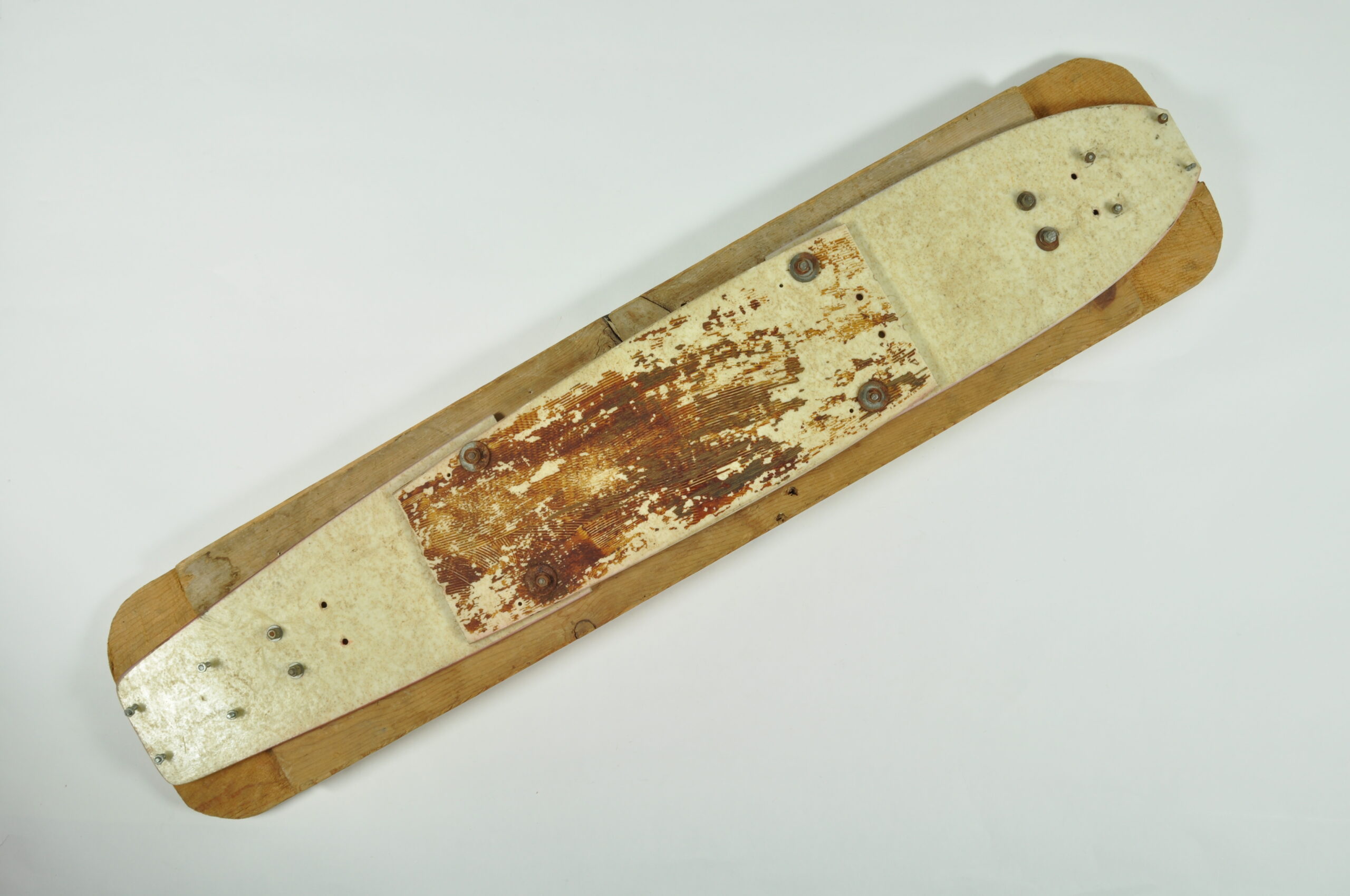
Skateboard deck made by François Hardouin-Duparc, circa 1977–1980, 2002.35.29, donated by Hardouin-Duparc. Photo: Mucem
The 1990s: Skateboarding and Politics
In the 1990s, skateboard enthusiasts and manufacturers alike were no longer seeking to invent new types of boards, as the Hardouin-Duparc family had done. During that decade, the shape of skateboards and their manufacturing processes became standardized. To set themselves apart, skateboard brands competing for market share began exploring a new frontier: board graphics. While a commercial asset, graphics can also serve as a political tool. Skateboards were thus used to denounce—sometimes in very provocative ways—gun ownership, the puritanism of American society, and consumerism.
A prime example is the “Burger Board,” designed for Jason Lee. The graphic designer ironically reimagined the advertisements for the fast-food chain “Burger King”: a photograph of the famous American burger was superimposed on a checkered background featuring cows, while the name of the skateboarder for whom the board was intended is written as a logo modeled after that of the famous American brand. This reinterpretation—which is, to say the least, critical of American consumer culture—was not well received by the fast-food chain’s legal department, which sought to have the board removed from the market.
Several items in the Mucem’s collections also illustrate how skateboarding became accessible to Hispanic and African American communities, even though the sport had previously been almost exclusively the domain of young, white, middle-class people.
The 1995 “Black Jesus” skateboard from the “American Dream” brand is thus named after an African-American skateboarder, Jahmal Williams, while the one from the “Chocolate” brand is named after the Hispanic skateboarder Chico Brenes.
From the beach to the streets, skateboarding has gradually become mainstream, as evidenced by its inclusion in the 2021 Tokyo Olympic Games and its presence at the 2024 Paris Games. However, the independence of skateboarders and the countercultural aspect of the sport remain strong, which many cities seek to channel by confining it to designated areas (skateparks).
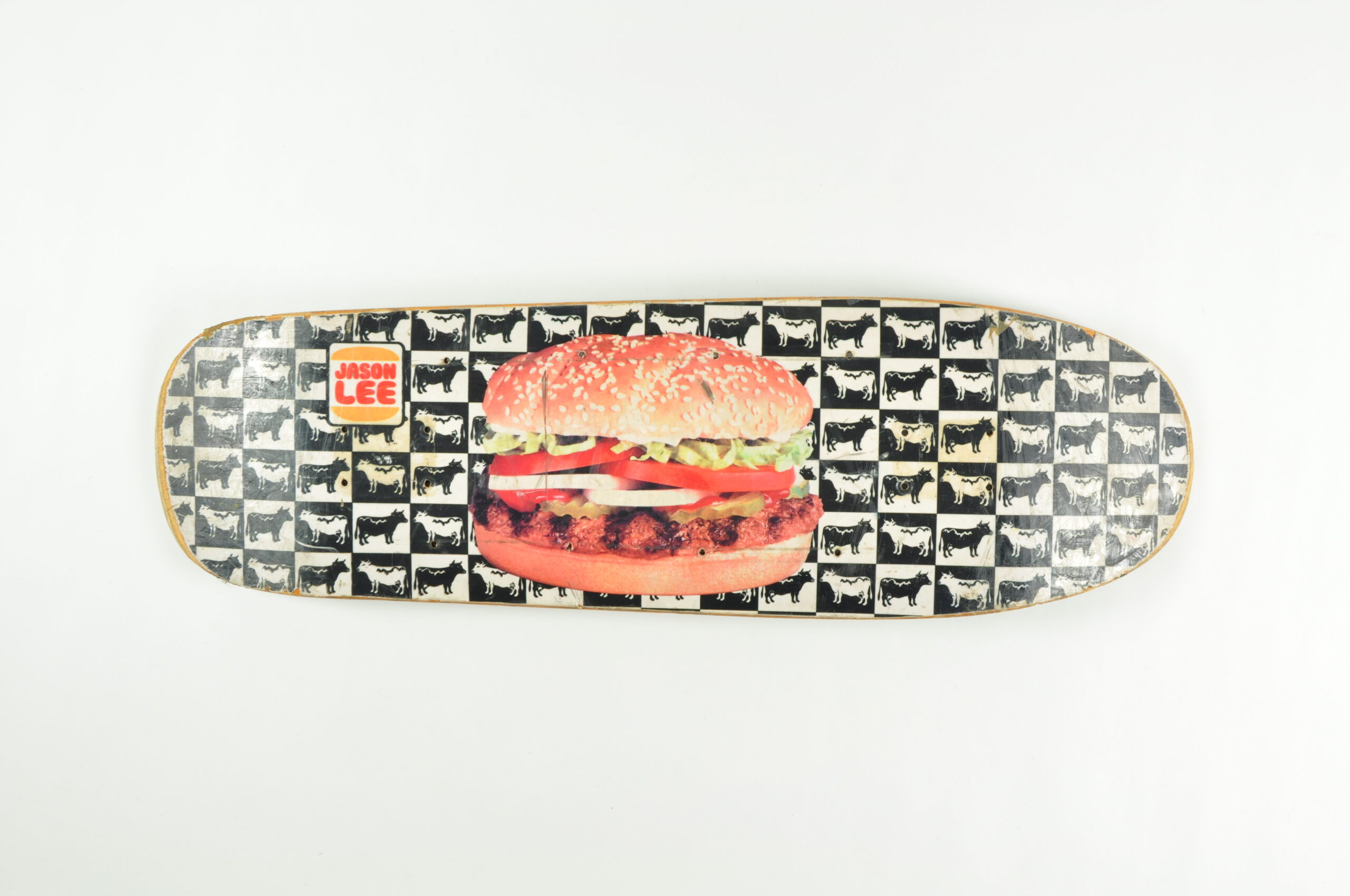
"Burger Board" skateboard designed for skateboarder Jason Lee, Blind, 1991, 2002.45.11, donated by Jean-Marc Vaissette. Photo: Mucem 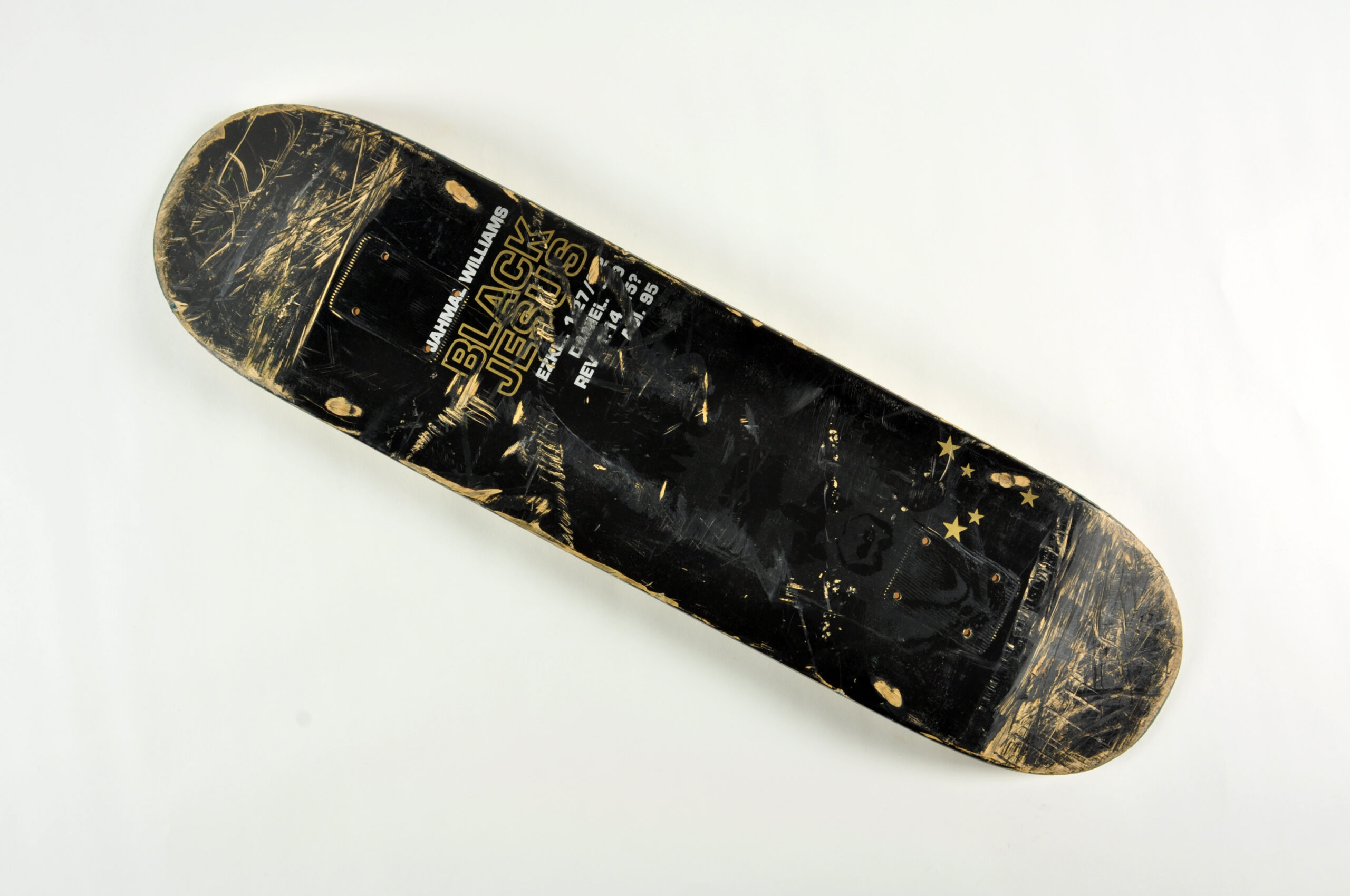
"Black Jesus" skateboard deck designed for skater Jahmal Williams, American Dream, 1995, 2002.45.62, donated by Jean-Marc Vaissette. Photo: Mucem 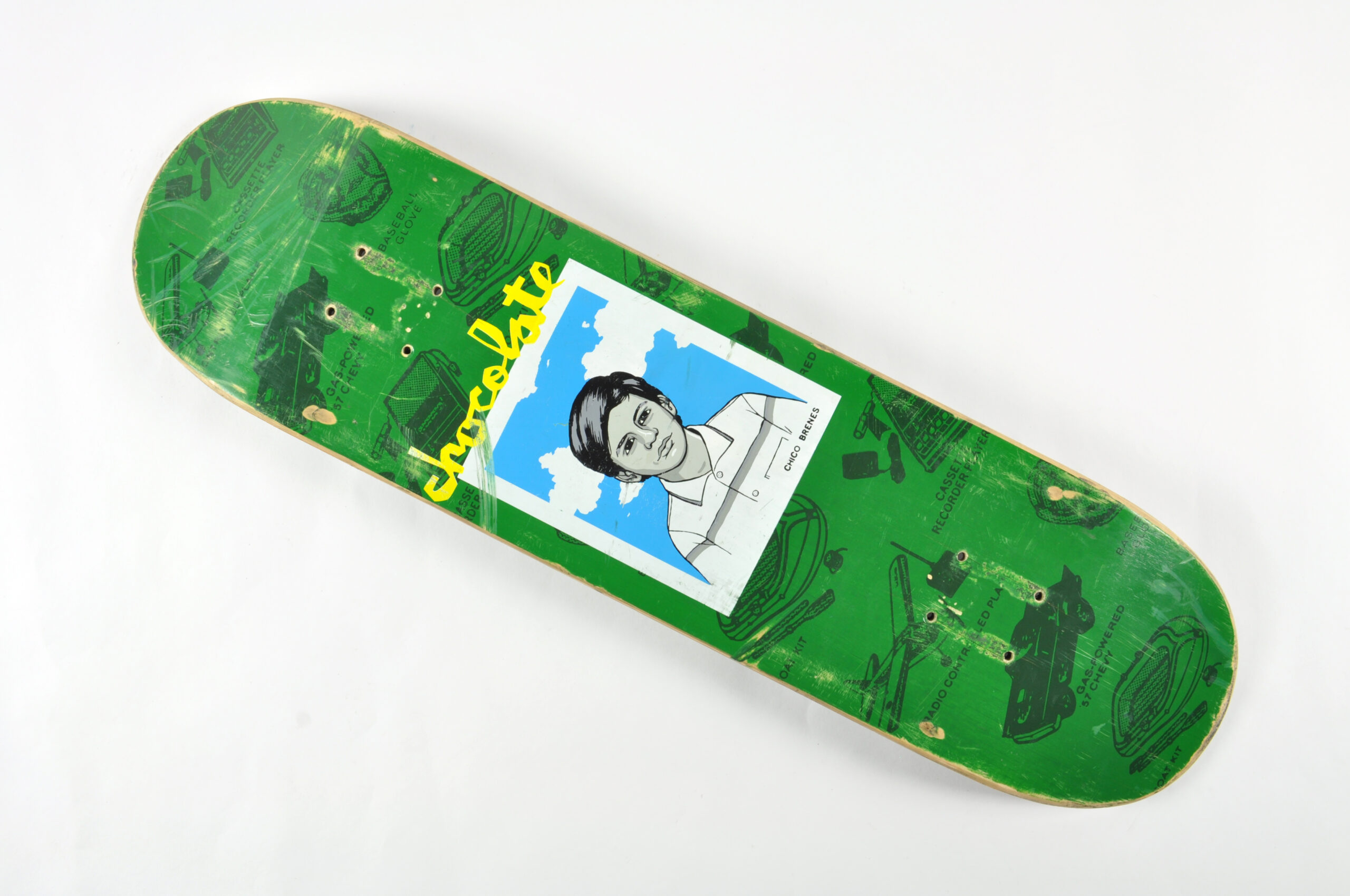
Skateboard designed for skater Chico Brenes, Chocolate, circa 1995–1999, 2002.45.76, donated by Jean-Marc Vaissette. Photo: Mucem
The skateboarding motto is still as relevant as ever: SKATEBOARDING IS NOT A CRIME.
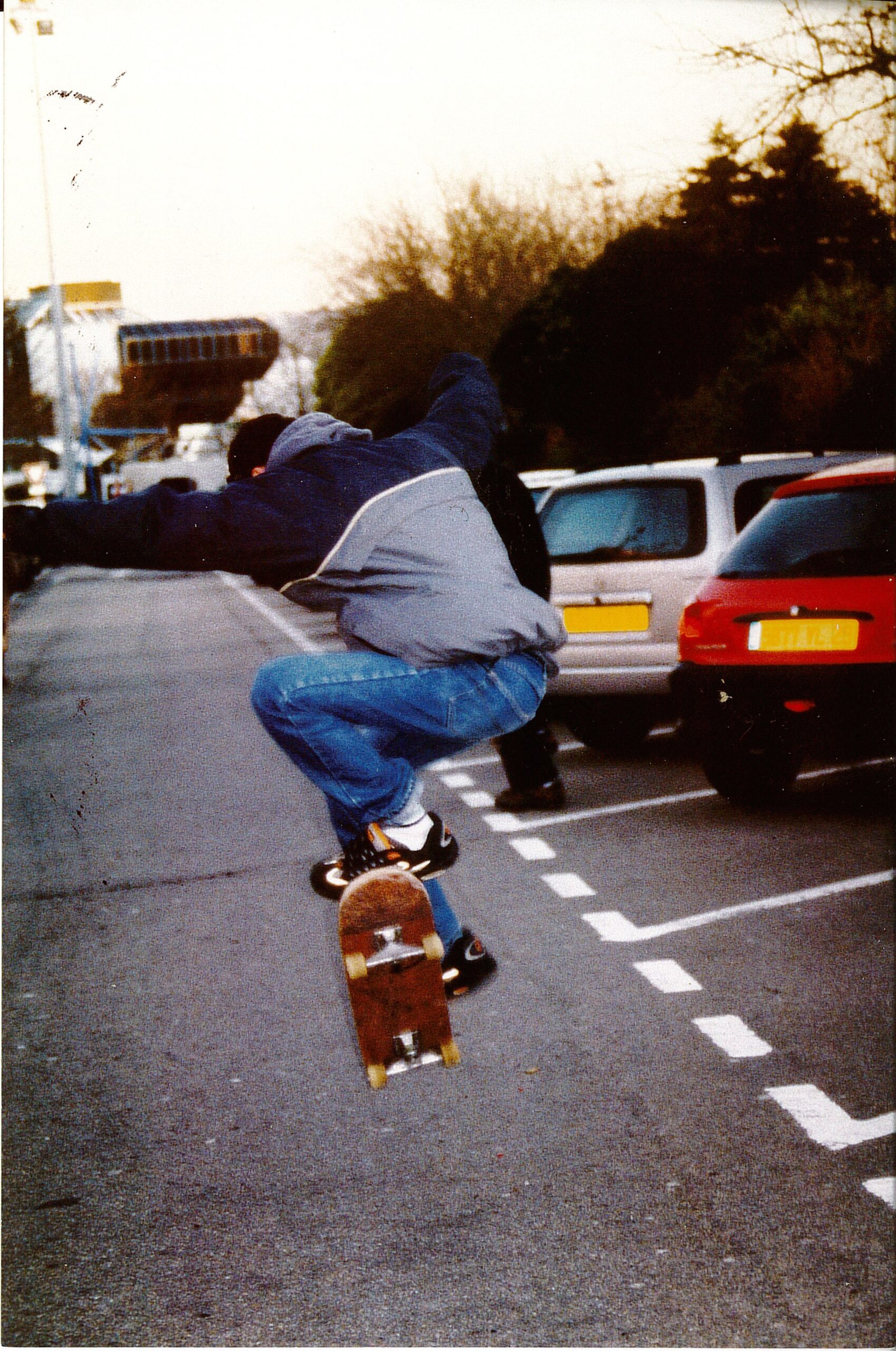
To learn more, listen to the LSD program, the documentary series “Skate: From the Streets to the Olympics, ” recorded in part at the Conservation and Resource Center.
Discover more features
Immerse yourself in the vastness of the Mucem’s collections and follow the surprising themes imagined by our curators. Discoveries and a change of scenery guaranteed!
 Discover
Coffee
Coffee (qahwa in Arabic, a term also used to refer to wine) reached us via the Arab and Ottoman worlds. From the highlands of Abyssinia, where coffee cultivation is documented as early as the 12th century, coffee crossed the Red Sea to be first cultivated along the coast of “Happy Arabia” (present-day Yemen) and then in the tropical climates of the territories of the great colonial empires beginning in the 17th century. Called the “devil’s drink” because of the black color of its grounds—in which people believed they could read the future—coffee was at times discredited by doctors for its harmful effects on health (it was considered an unnatural and addictive beverage).
Today, coffee is the second most widely consumed beverage in the world after water, but it still competes with tea.
The Mucem’s extensive collections related to coffee illustrate the various ways this beverage has been prepared and consumed since the 18th century, both at home and in public spaces. They also highlight how cafés have become places of social interaction.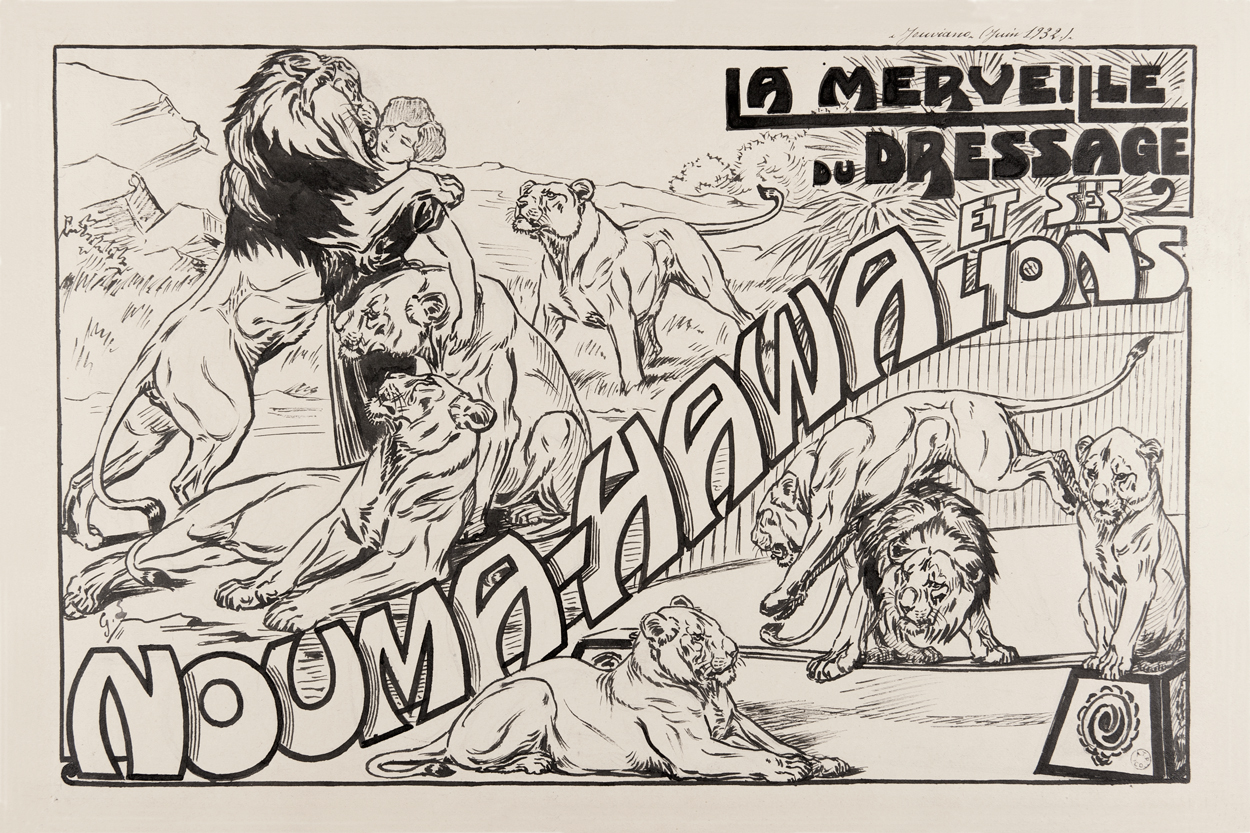 Discover
Draw Me a Lion
Gustave Soury's Animal Art
Gustave Soury (1844–1966) was an illustrator, painter, poster artist, and advertising artist who specialized in animal art for circuses and fairground menageries.
His vast and meticulous body of work, dominated by the figure of the big cats, reflects not only his passion but also our urban society’s fascination with exotic animals, their frightening wildness, and their endearing tenderness.