Draw Me a Lion
His vast and meticulous body of work, dominated by the figure of the big cats, reflects not only his passion but also our urban society’s fascination with exotic animals, their frightening wildness, and their endearing tenderness.
An Artist Behind Bars (But on the Right Side)
In the early years of the 20th century, Gustave Soury was a lace painter, a profession he practiced “diligently, but without enthusiasm,” as he himself put it (according to Adrian, a journalist specializing in the circus world). In his spare time, he visited the menageries in Paris, where people could come to admire animals of all species and origins in their cages. In particular, he frequented the Pezon Menagerie and the one at the Jardin des Plantes.
There, he became familiar with the animals and their trainers, and enjoyed sketching them in small sketchbooks. It was the trainer Alexis Tanalias—known as Tana—who was then working for the showman Bostock at the Place Clichy racetrack, who encouraged him to become a professional animal painter. A sketch artist and painter in his spare time himself, Tana suggested that Gustave Soury present his sketches and studies in the form of postcards. He passed them on to Bostock, who was enthusiastic about the drawings and decided to turn them not into postcards, but into posters. Leaving the lace business behind,
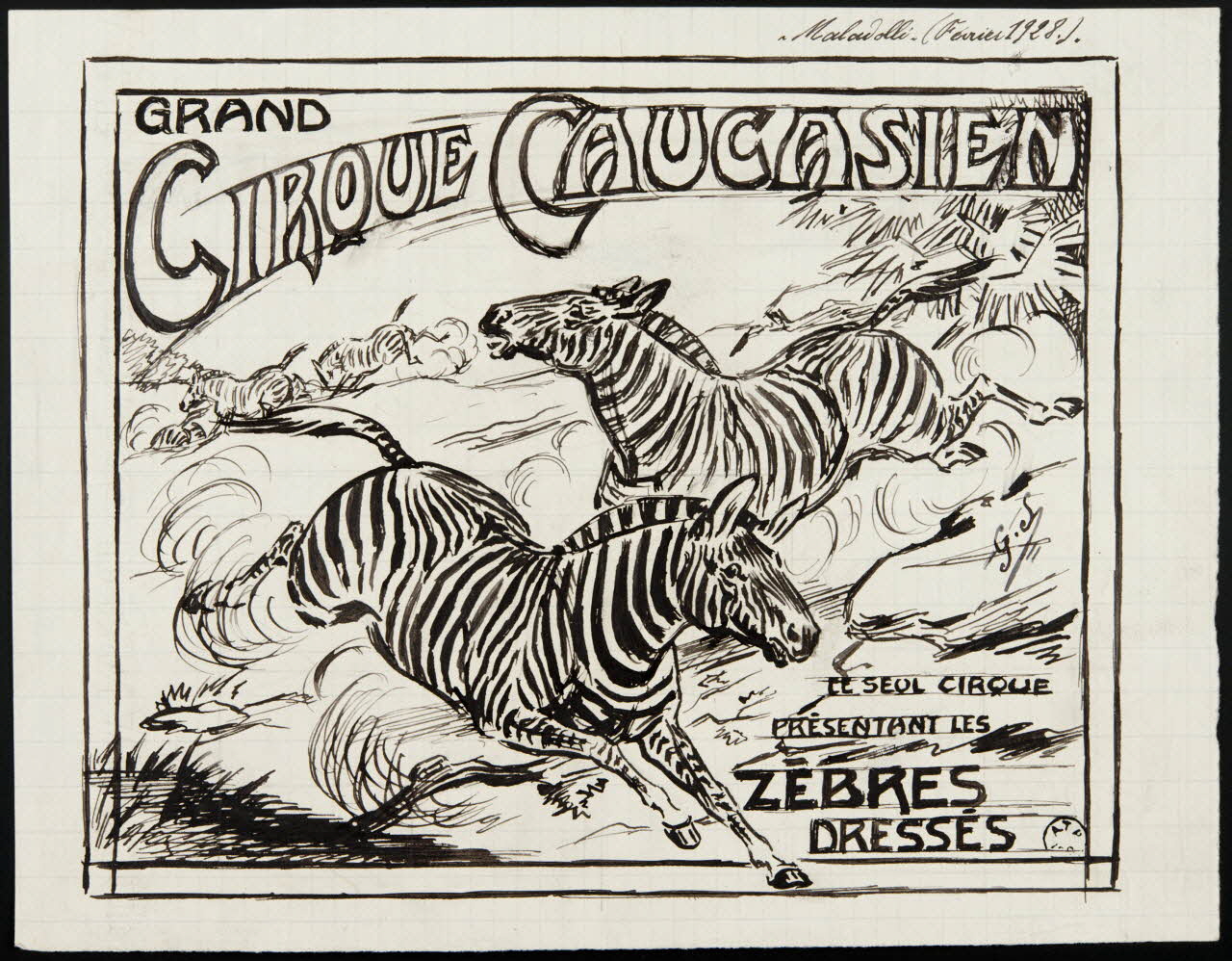
Gustave Soury became fully immersed in the world of menageries and circuses, working successively as a cashier for the animal trainer Mac Donald, an administrator for Professor Maladolli’s Caucasian Circus, and an assistant to Henry Thétard, who led educational tours at the Vincennes Zoo.
Gustave Soury made his first donation to the museum (then the National Museum of Folk Arts and Traditions) of preparatory drawings for menagerie posters. Upon his death, his archives were also bequeathed to the museum: more than ten thousand photographs and postcards, which he had organized into thirty-one thematic albums on festivals and the circus; more than six hundred small show posters from the years 1880–1914; all his sketchbooks, the tracings, and the preparatory work for the pieces he created for the menageries, circuses, and other animal shows for which he worked.
The Artist Who Sketched Animals / The Artist’s Touch
Gustave Soury is by no means the first artist to sketch exotic animals. In fact, he is part of a tradition revived in the 19th century: Romantic painters such as Delacroix and Géricault studied lions in particular—symbols of freedom and the wild—which the conquest of Algeria had brought back into the spotlight. Jean-Léon Gérôme, too, in a more academic style, often gave wild beasts a central role in his dramatic scenes of the Orient or those inspired by the games at the Circus in Rome. Gérôme observed these wild beasts at the Pezon menagerie, where Gustave Soury followed in his footsteps a few years later, sketchbooks and pencils in hand.
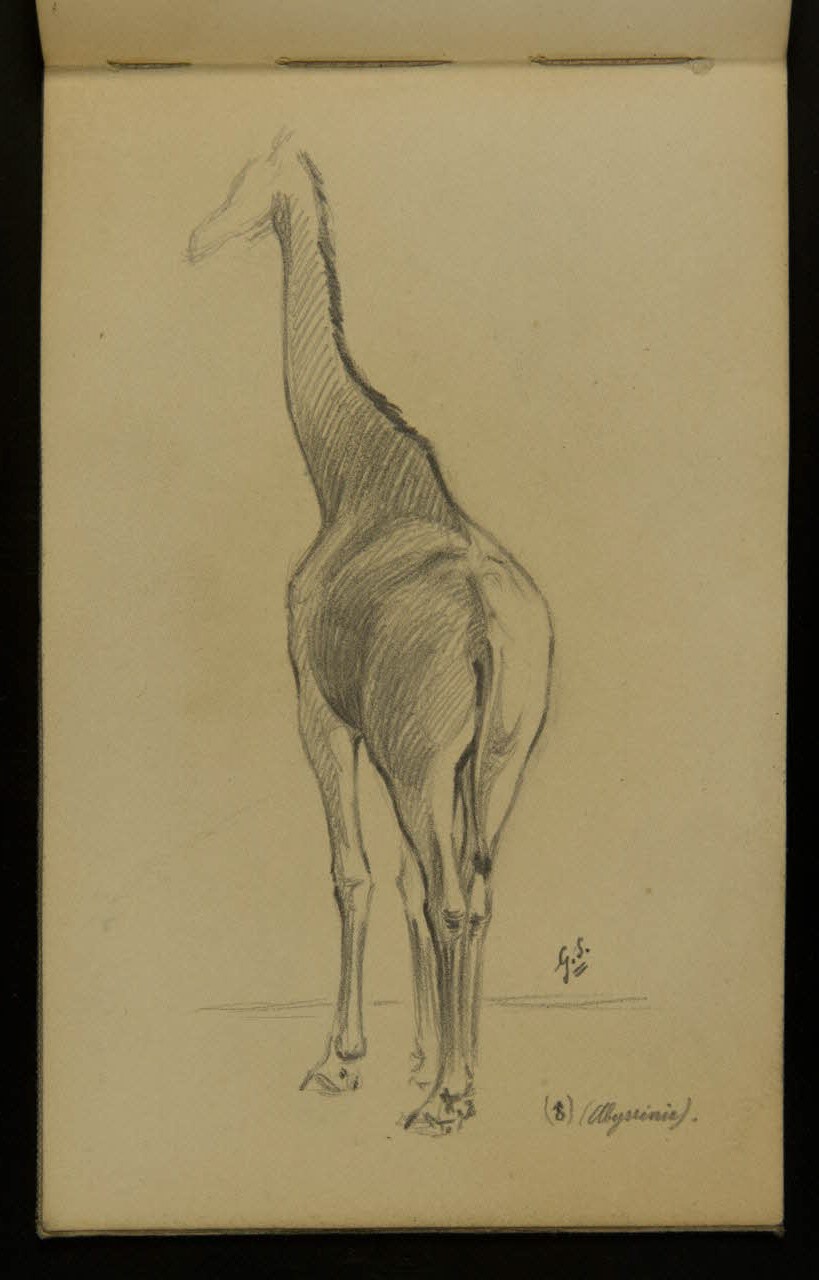
The sketchbooks filled with sketches, rough drawings, and barely started drawings reveal Gustave Soury’s talent more than any other part of his body of work. While his advertising work for menageries depicts the animals in their most majestic poses, his sketchbooks show the animals as they actually appeared, just as they lived—very peacefully—in the Parisian menageries. As we turn the pages, far from the acrobatics of the circus, we see many panthers at rest, lions sprawled out, sleeping jaguars, and dozing bears. Gustave Soury excels, moreover, at depicting animals from behind or in poses that are unconventional yet natural—poses that must have piqued his curiosity as an artist. A connoisseur of the anatomy of the creatures he meticulously observed and tirelessly depicted, he managed to sketch their silhouettes in just a few strokes, capturing even the most subtle facial expressions, poses, and postures in a highly expressive manner. Adrian, a journalist specializing in the circus in the 1960s and a great admirer of his work, claimed that the resemblance between the drawings and their models was so striking that the animal trainers were able to recognize their own wild animals in them.
These sketchbooks, in which he systematically notes the species of the animal depicted, its sex, the location where the drawing was made, and, often, a date, are first and foremost working tools. In them, the artist produces a series of detailed studies and sketches of varying levels of elaboration. Of particular note are the images of panthers and tigers, in which he has only begun to sketch the complex patterns that characterize the coats of these big cats. He thus presents us—uninvited viewers as we are (since these sketchbooks were not intended for exhibition)—with strange creatures whose coats remain unfinished.
In his posters and other advertising works—skillfully composed pieces—he had to adopt a less free-flowing, more structured style of drawing, one that nonetheless demonstrated his expertise. For example, in order to reproduce his preparatory studies on a larger scale and in multiple copies—and to ensure that the proportions of each anatomical figure are accurate—he uses a grid system that has been in use since the early days of academic drawing in antiquity.
Similarly, he bases some of his compositions on the principle of axial symmetry, using tracing paper to create a frontal figure that is perfectly symmetrical and proportionate. These animal heads, more perfect than nature itself, achieve greater artistic excellence but stray from the naturalism of the sketches, which are undoubtedly more personal and moving.
Zoos are placing orders
Being an animal painter no longer seems like a very promising career to us, and today we wonder what opportunities Gustave Soury might have found to put his talent and passion to use. We may have forgotten that from the 1870s through World War I, traveling menageries drew crowds of visitors eager to see exotic—and often reputedly dangerous—creatures in person. They subsequently fell into decline, and by the early 1950s, Gustave Soury himself could count no more than half a dozen such menageries left in France. Like circuses and zoos, these menageries based their advertising on the animals they exhibited. To showcase these fascinating creatures and thus make the public want to encounter them and experience them firsthand, circus and menagerie directors turned to artists such as Gustave Soury. More broadly, any organization that wanted to communicate using the image of an animal—whether wild or domestic—could call on Gustave Soury.
Advertising
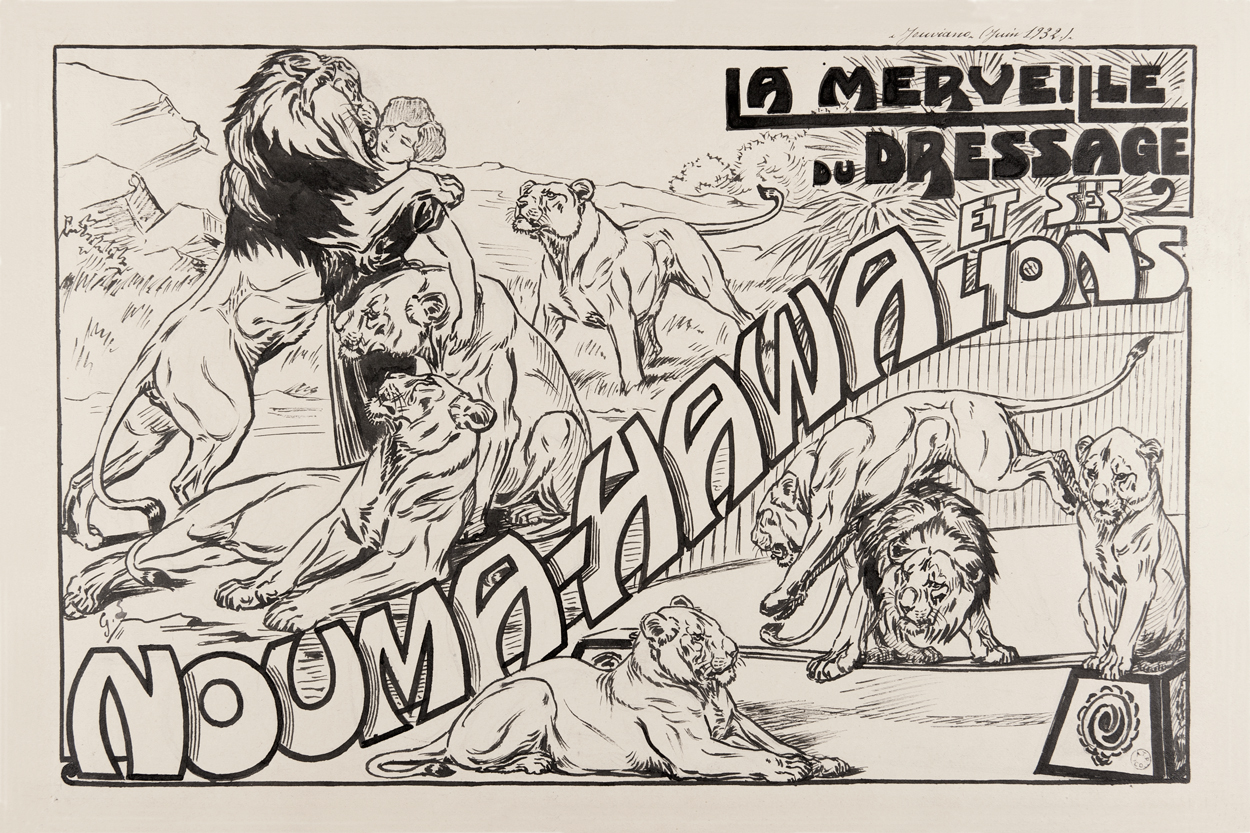
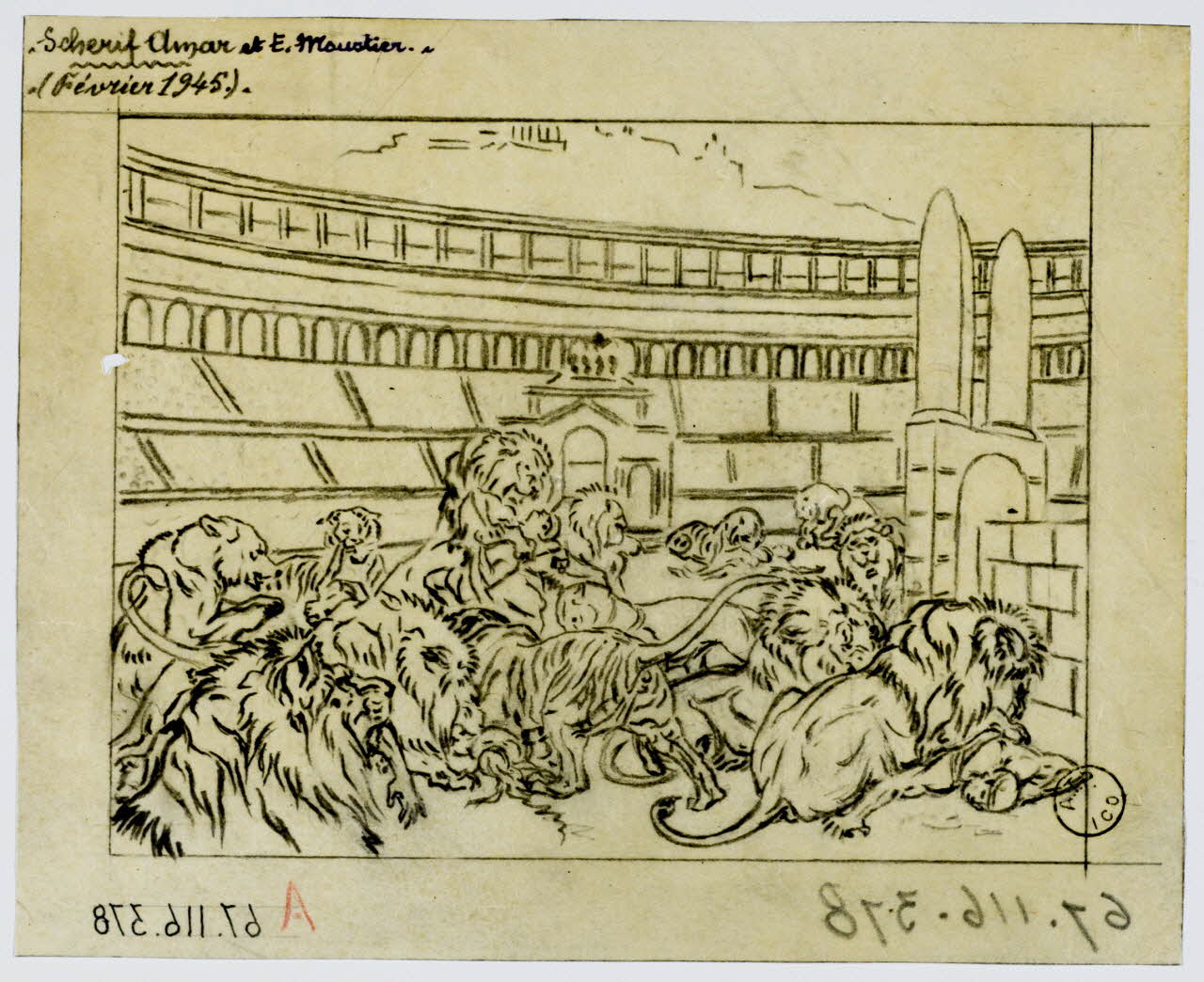
Among Gustave Soury’s personal archives bequeathed to the museum are various promotional materials for which menageries and circuses called upon his talents as an animal illustrator, graphic designer, and poster artist. Gustave Soury created posters for most of the major menageries and circuses, as well as for the most renowned animal trainers of his time; generally, we have only the drafts and work-in-progress stages of these projects. For example, he created a large number of posters for the Amar family, famous animal trainers and owners of a circus-menagerie founded in the early 20th century by Ahmed Ben Amar, an Algerian of Kabyle origin.
In addition to posters, Gustave Soury depicted his wild cats and other exotic animals on all kinds of advertising materials: show programs, menagerie catalogs, promotional postcards, newspaper advertisements, business cards, and letterhead and envelope designs—including his own.
A significant part of his work also involved designing the decoration of the facades, storefronts, and entrance gates of the great menageries, which were intended to highlight the majesty or ferocity of the creatures the public could see inside. For example, the Mucem holds the preparatory drawings for two paintings of African wildlife intended to frame the entrance to the menagerie.
Louis Troisvallets. Several of the old photographs collected by Soury show examples of this type of façade and the arrangement of the animal scenes, which are often epic or dramatic.
Work in Progress
Most of the works by Gustave Soury donated to the museum are actually stages in the creation of these promotional materials for major menageries and animal breeding facilities. They offer us some insight into his working methods. Some sketches, already highly expressive, include specifications for the desired colors of the trainers’ costumes or the scenery. Many poster designs, painted in ink on paper, have exact counterparts drawn in black pencil on tracing paper. We can also trace the journey of a setter with an anxious expression, drawn on tracing paper in 1949 and incorporated into a colorized poster design for the Maison-Blanche kennel in Paris. Sometimes, one can admire the published result, for example on an advertising card for trainer Frank-Henry’s “Jungle” depicting a fierce battle between two lions. Or on professional letterheads, of which we have preserved finished copies, into which the photographic portraits of the animal trainers were inserted. In the case of trainer Félix Petit and his partner Miss Eliane, their names were handwritten by Gustave Soury where their faces would be, and from the initial design to the final image, note that their lions went from being described as “magnificent” to “superb”…
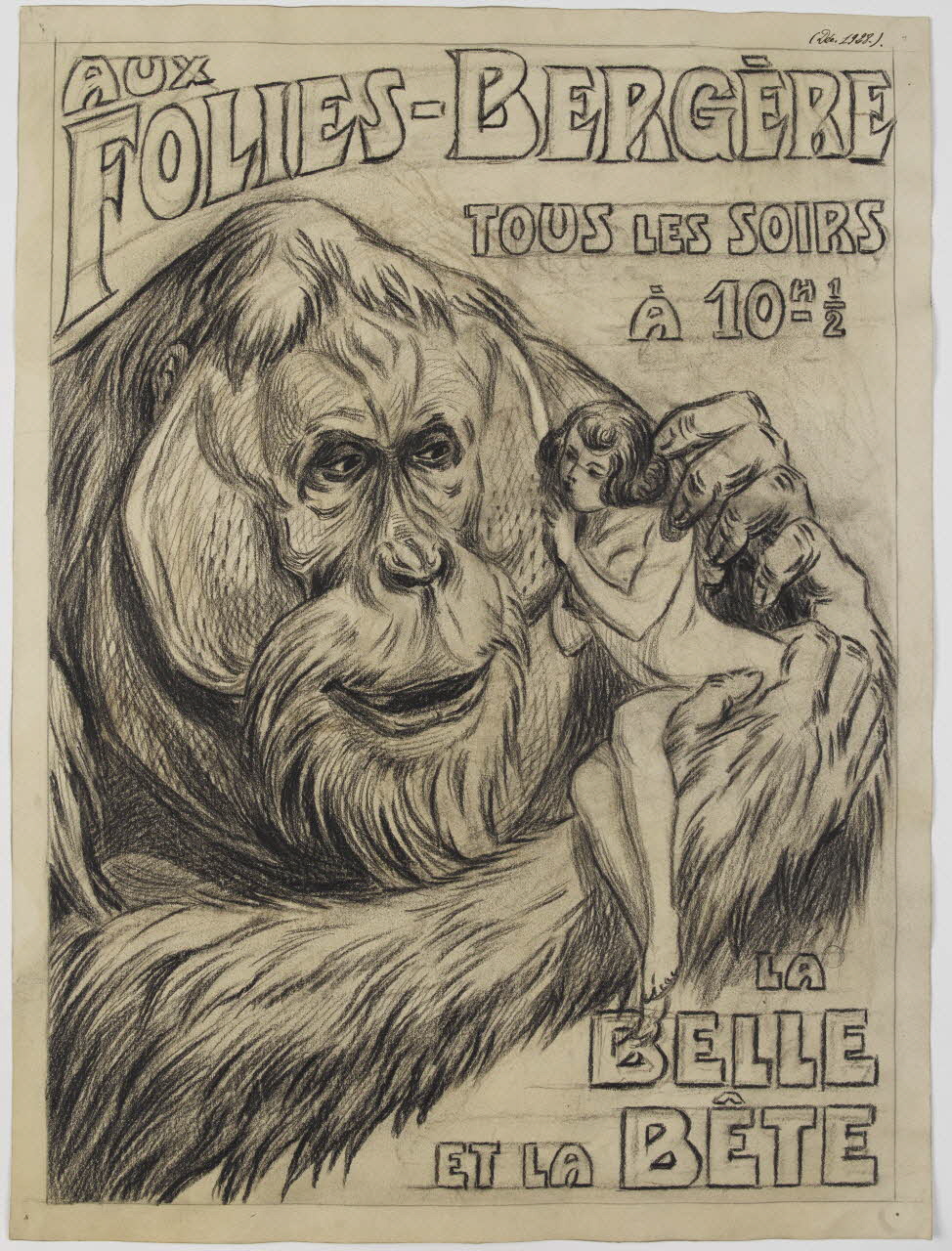
Poster design for the Folies-Bergère, 1928, Gustave Soury, Mucem 1967.116.62 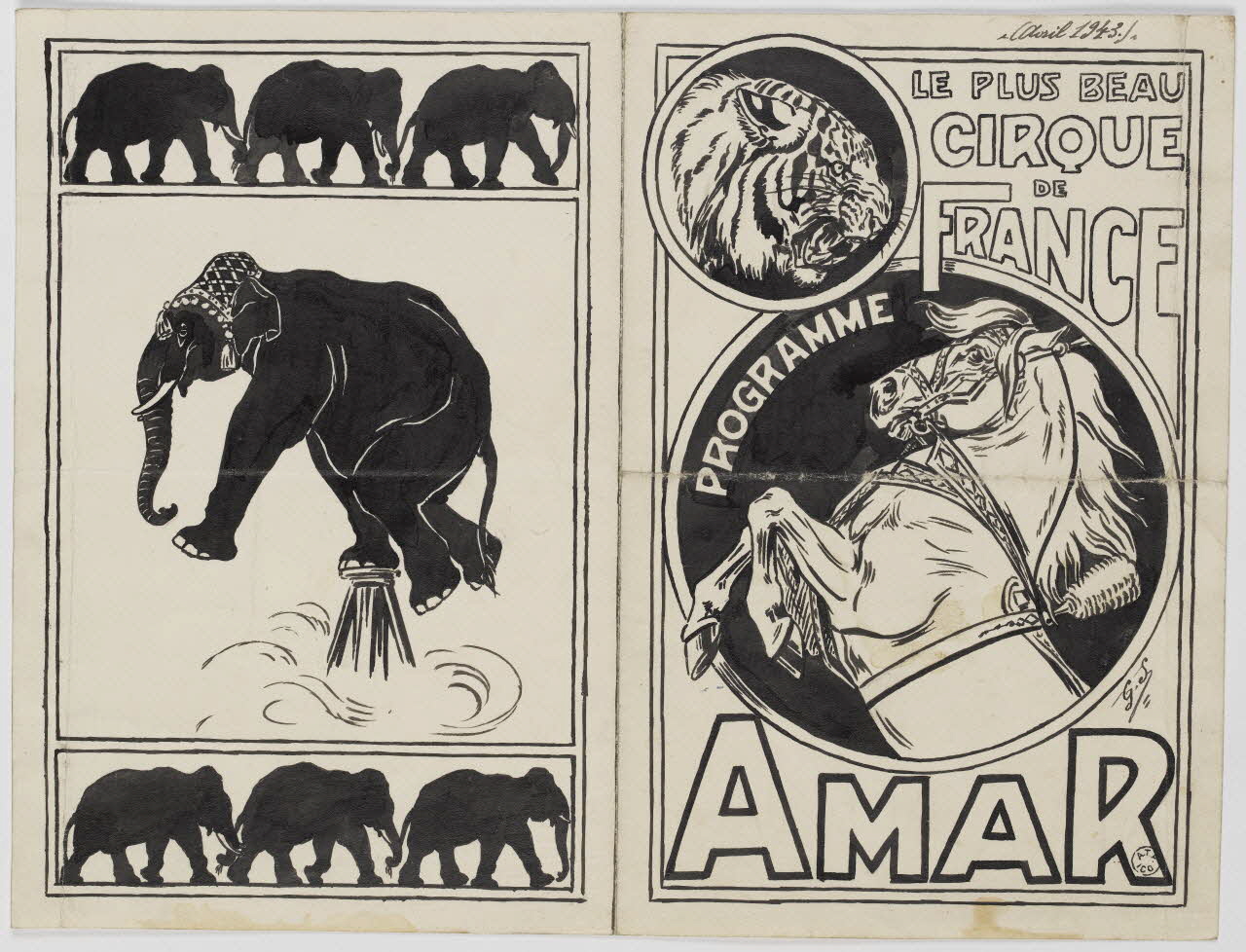
Program cover design, 1943, Gustave Soury, Mucem 1964.23.76
The Lives of Animals (and Their Trainers)
Violence
Magnificent and superb—these are the adjectives that come to mind—or that the artist intends to suggest—when one encounters Gustave Soury’s wildlife in his creations for menageries. While his sketchbooks tend to show peaceful, even slumped-over animals—perhaps even bored—his advertising work clearly emphasizes their ferocity and power, in scenes where the dramatic tension is often at its peak. Many of the animals roar, snarl, or open wide mouths full of fearsome teeth, ready to devour. Big cats in particular—which seem to have been the favorite of the artist, his clients, and the public—are almost always depicted as muscular, agile, and leaping beasts with sharp claws and fangs: relentless predators. Fight scenes abound in this form of entertainment—battles as ruthless as they are improbable between black panthers and spotted panthers; the tragic clash of two stars, the lion and the tiger; or unequal and bloody fights between rats and rat-hunting dogs. Even placid herbivores like zebus are not spared and are depicted in the midst of a struggle. These works, intended to attract customers on the facades of the tents or on posters, seek to pique the public’s fascination with horror and the proximity to danger.
In fact, the pinnacle of this particular genre of animal painting is undoubtedly the accident scene in which the tamer, having lost control of the wild creatures he sought to subdue, is attacked by his own beasts. This is a classic painting displayed in front of a menagerie, no doubt intended to entice passersby to come and see if, by chance, they might witness a terrible and highly ironic bloodbath today. Gustave Soury distinguished himself on several occasions with scenes of accidents in the ring, notably in a painting for the façade of the Menagerie des Alliés, which was intended to commemorate an accident involving the animal trainer Vincent Franchi.
Conflict and Tenderness
Beyond this dramatic—even downright voyeuristic—aspect of Gustave Soury’s work, his creations also serve as valuable records of the acts performed in French circuses and menageries during his time. For example, we can recognize two contrasting styles of performance that play on the audience’s mixed feelings toward the animals. On the one hand, in “ferocity-based” animal training, the trainer dramatically emphasizes the divide between man and animal, the civilized and the wild. To achieve this, he cracks his whip repeatedly and even uses firearms to rile up and drive back the wild beast, which must bristle, roar as much as possible, swish its tail, and bite the bars… This kind of highly spectacular act appears in many of Gustave Soury’s productions, where tigers and lions leap and rear up before their tamer, who seems to maintain his composure and keep a firm grip on the handle of his whip.
Conversely, a “gentle” or “cuddly” approach to taming emphasizes the physical closeness and intimacy between the animal and the human, who lulls the wild instincts of the beasts to sleep with plenty of caresses and hugs rather than with lashes of the whip (at least in public). Gustave Soury, like the photographers of his era, immortalized portraits of trainers and their big cats, clinging to them and tenderly curled up against them. This closeness allows the trainer to handle the mouths of his big cats without fear and, at times, to even put his head inside them. Some of the acts advertised on his posters also clearly rely on caresses and embraces between the tamer and his “partners,” conveying a more peaceful—though undoubtedly somewhat idealized and illusory—image of human-animal relationships.
Behind the Scenes
While Gustave Soury’s published works depict vigorous and agile animals, and his sketchbooks show them as calm and tranquil, a few drawings—isolated within the collection—may reveal a less cheerful side of the menageries. Difficult to interpret, a small series of chained Asian elephants exudes a profound melancholy, due in part to the pachyderms’ naturally clumsy silhouette, but not solely so. Unlike in his sketchbooks, the artist did not seek merely to depict the animals’ anatomy, but also their movements—restricted by their chains—and the restraints themselves.
Similarly, a quick sketch of a starving—perhaps sick—lion, scribbled on a corner of a graph-paper page, stands in contrast to the proud “kings of the animals” we have come to expect from Gustave Soury’s sketchbooks and posters. With this sketch, it is unclear whether the artist is demonstrating raw realism or a form of caricature in which he has occasionally excelled.
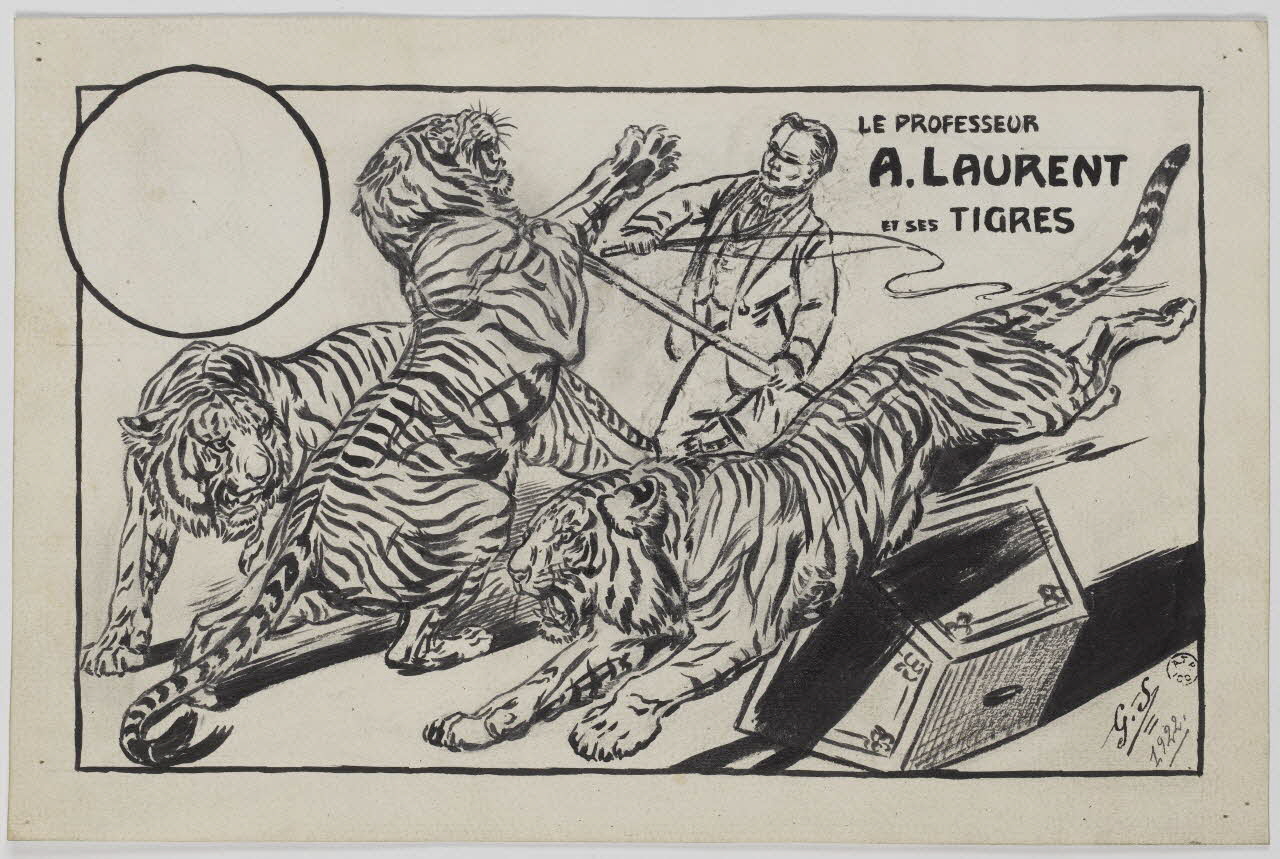
Poster design for Professor Laurent's menagerie, 1922, Gustave Soury, Mucem 1964.23.45 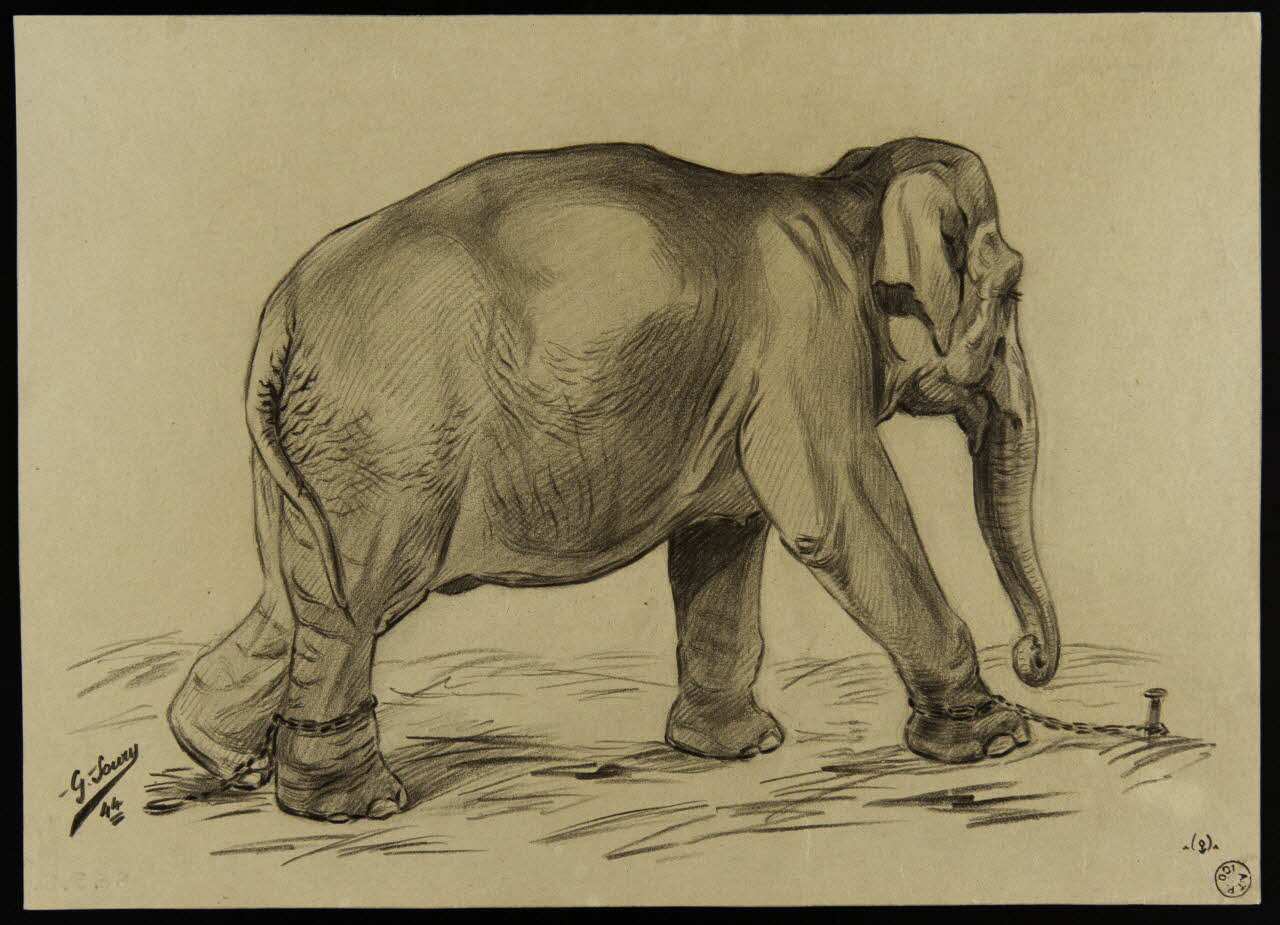
Asian Elephant in Chains, 1944, Gustave Soury, Mucem 1966.5.2
Gustave Soury’s Other Menageries
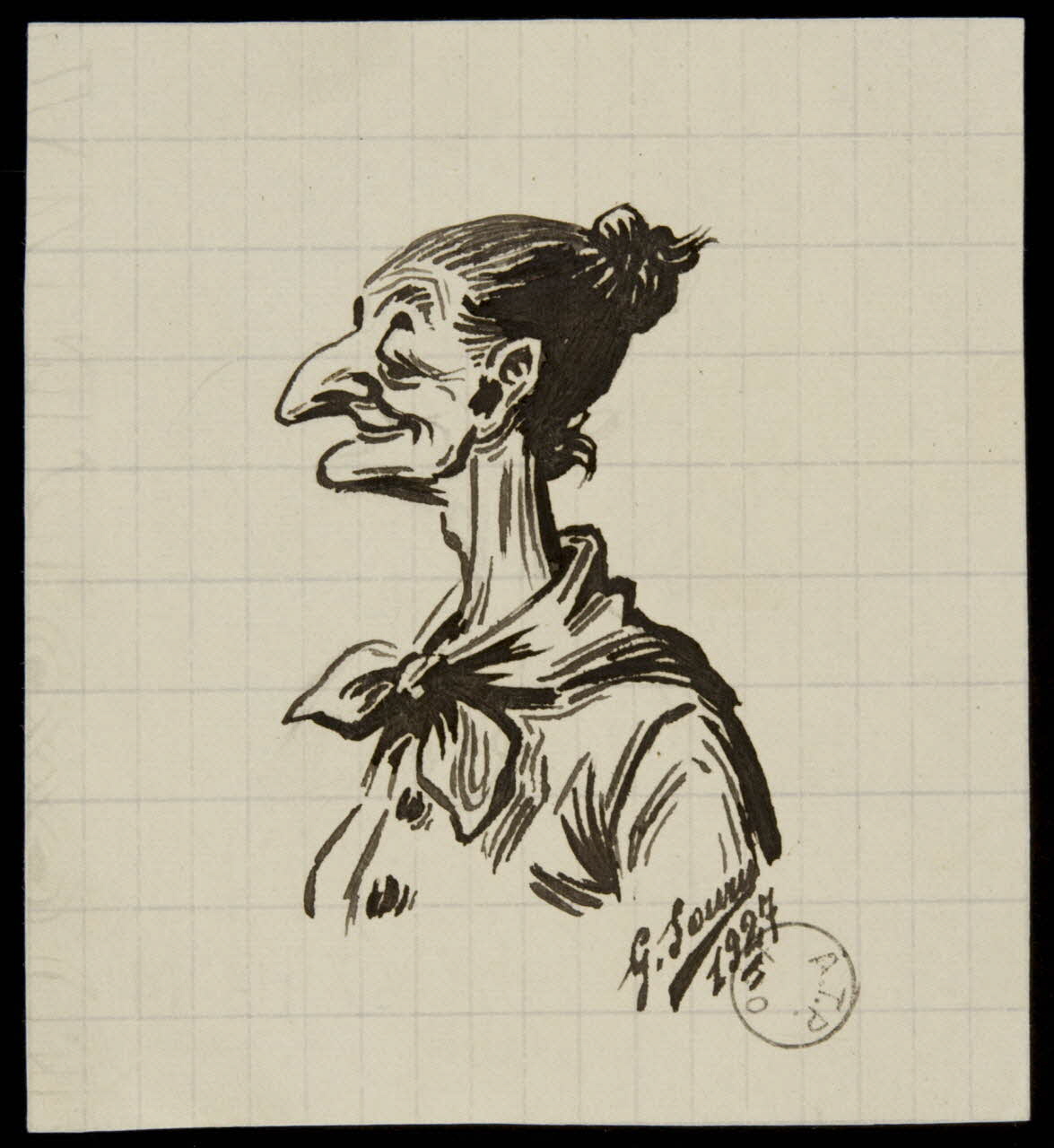
His ability to capture the most characteristic anatomical details in animals is undoubtedly linked to Gustave Soury’s talents as a caricaturist. Several of his drawings preserved at the Mucem attest to his mastery in sketching archetypal characters—some of whom may or may not have actually existed, such as a potbellied priest or an old woman with a prominent chin—as well as some of his contemporaries. The specialist in wild animals thus left behind, if not caricatures, then at least uncompromising portraits of Mr. Steinhoff of the zoological park at the 1931 Colonial Exposition, as well as of Sarah Caryth, a famous dancer and frequent performer at menageries, and her python, Mectoub. Finally, it is difficult to explain a strange work that borders on social satire: a watercolor on cardboard depicting a Paris police officer—recognizable by the coat of arms on his kepi—in the guise of a bulldog. Once again, a ferocious animal.
But Gustave Soury wasn’t just a painter of wild animals and menageries. While menageries were his most loyal clients, he also worked in many areas of advertising and what we would today call communications, including for restaurants, a Parisian ice cream maker, and a cigarette brand, among others.
While animal painting and drawing sometimes suffer from a lack of academic recognition—with the exception of a few major figures from the 17th and 19th centuries (such as Jean-Baptiste Oudry and Rosa Bonheur)— Gustave Soury nevertheless embraced it with great skill, immersing himself in a distinct genre with its own codes and expectations: that of the circus and menageries. This world of spectacle, which plays on the fears and fantasies of its audience, must have been a perfect fit for an artist like him, who surely possessed both a mischievous spirit and a great capacity for wonder. So much so that some of his creations remain deeply mysterious to us even today, such as this strange, fantastical ride—both alluring and terrifying at the same time.
Discover more features
Immerse yourself in the vastness of the Mucem’s collections and follow the surprising themes imagined by our curators. Discoveries and a change of scenery guaranteed!
 Discover
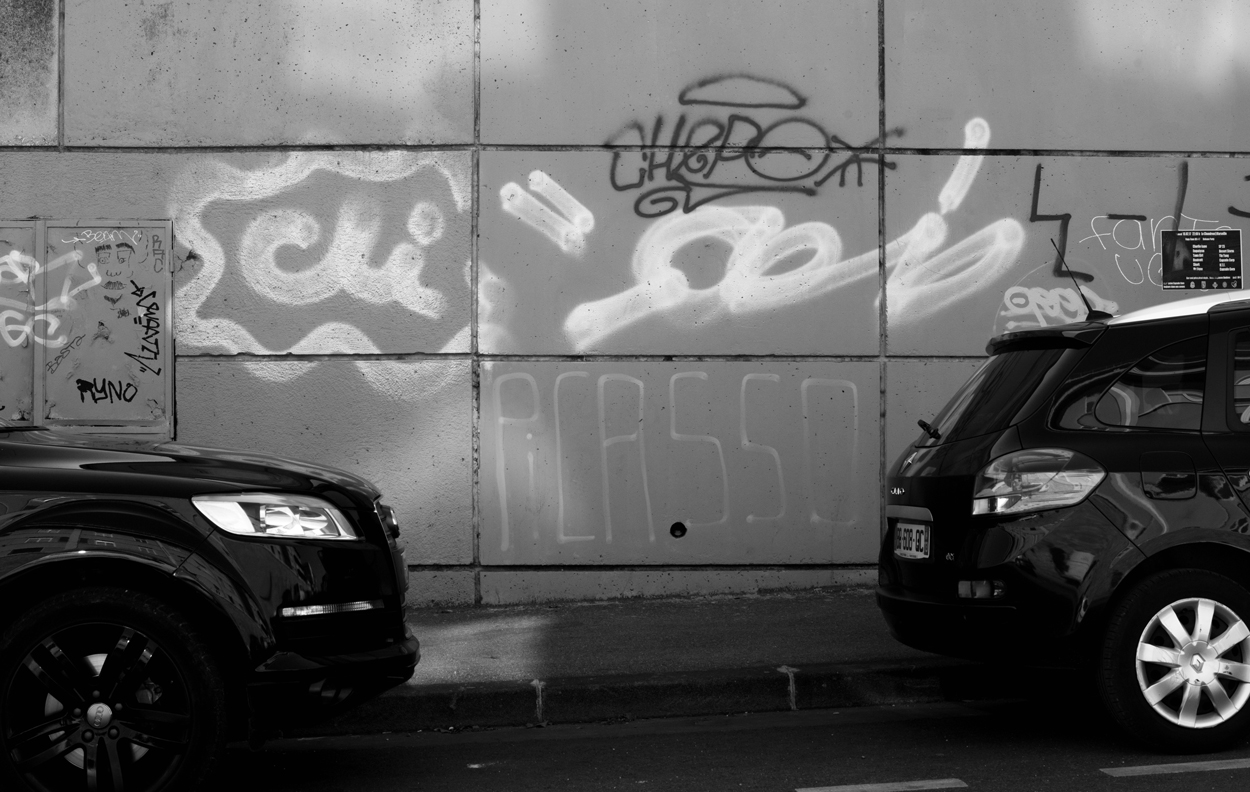
Tagging and Graffiti: “Illegal Art” at the Museum
Between 2001 and 2006, Claire Calogirou, a research associate, conducted several field surveys on the topics of hip-hop, dance, tagging, and graffiti. As for graffiti, 958 items were added to the Mucem inventory, representing an impressive collection of graffitied signs, posters, stickers, markers, spray paint cans, magazines, sketches, photographs, videos, and more. This rich body of research offers insights into social relations in urban settings, the issue of the appropriation of public space, and its reclamation through practices rooted in street culture. Discover
Soccer & Identities
A Mediterranean Survey and Data Collection Project
The “Football & Identities” survey and data collection project represents three years of research, conducted from 2014 to 2016, in 10 countries in the Mediterranean region: Algeria, Bosnia and Herzegovina, Spain, France, Israel, Italy, Morocco, Palestine, Tunisia, and Turkey.
Four humanities researchers—Christian Bromberger, Abderrahim Bourkia, Sébastien Louis, and Ljiljana Zeljkovic—sometimes accompanied by a curator —Florent Molle—and photographers—Giovanni Ambrosio and Yves Inchiermann—collected more than 400 objects, approximately 3,000 photographs, and over 6 hours of video footage. Upon their return from the field and after review, the collected objects and photographs will be presented to the Mucem’s acquisitions committees to determine whether they will be added to the public collections and made available to the public.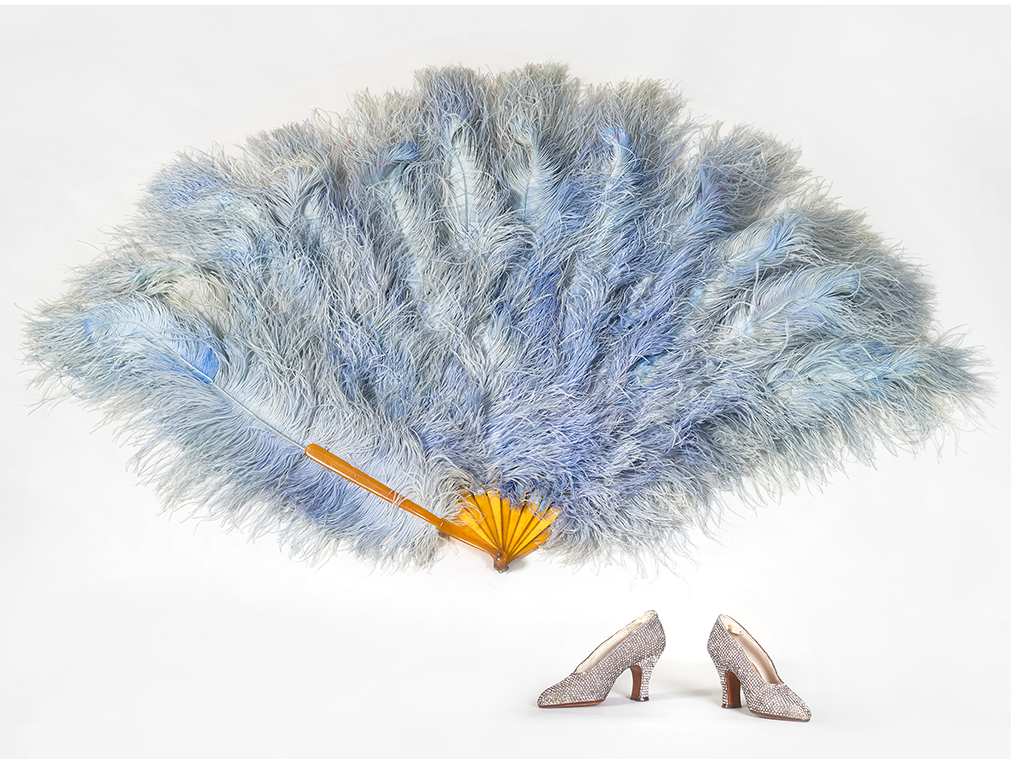 Discover
Celebrity!
Cult Objects and the Star System in the Mucem Collections
A dress, a console table, a belt buckle, a soccer jersey, a pair of shoes, a swimsuit, a radio: here is a list of simple everyday objects that bear witness to their era. This list would have a very different impact if we added the names of the people to whom they belonged: Edith Piaf’s dress, Pink Floyd’s mixing console, Saint Vincent Palotti’s belt buckle, Cristiano Ronaldo’s soccer jersey, Mistinguett’s shoes, Miss France’s swimsuit, Psykose’s “cataposte.” From being mundane, these objects take on power, sparkling with the glamour of fame. They become desirable and “magical.” But these relics come at a price that is, too, far from trivial…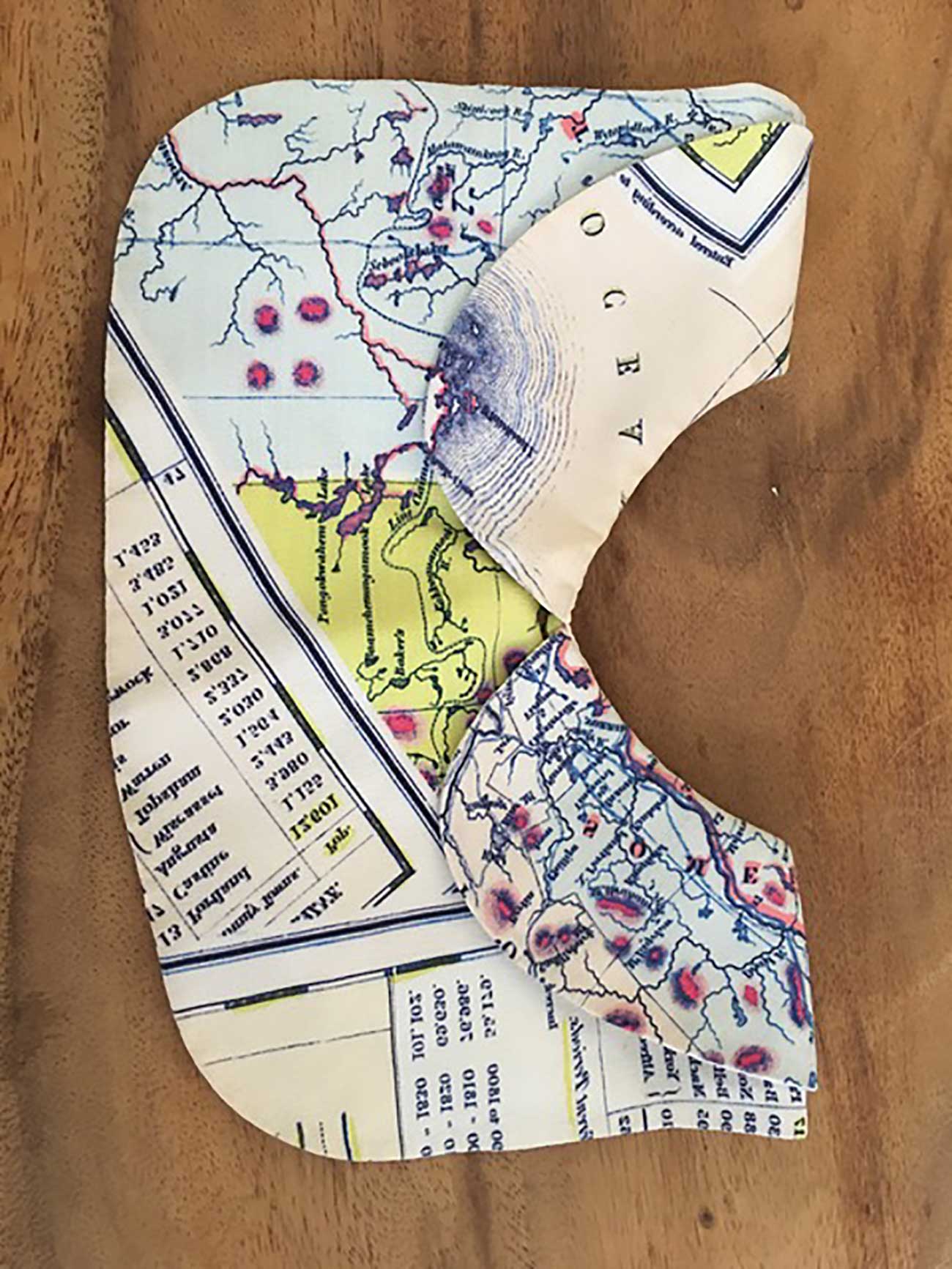 Discover
"Life During Lockdown," the collection
In April 2020, the Mucem launched a major participatory project focused on our lives during lockdown. Many of you took part.
The Mucem has received more than 600 proposals, which are still being reviewed, and some of which will be added to its collections once the review process is complete. A digital booklet lists all the proposals collected through this call for submissions, and here are a few examples: Discover
Watch out for wizards!
Magic and witchcraft: some of us consider them laughable superstitions, others believe in them, and many are undecided. But believing in them has a bad reputation among rational minds: such beliefs were fine for our ancestors—especially in rural areas—or are still acceptable in developing countries—but certainly not here, not today, and definitely not in the city. Yet observing the behavior of our contemporaries shows that scientific progress has not brought an end to mysteries and beliefs, neither in post-industrial France nor elsewhere. Often powerless in the face of misfortune, suffering, and anxiety, people are not satisfied with the answers provided by science. Science leaves a seemingly irreducible space for other principles and other ways of understanding the world.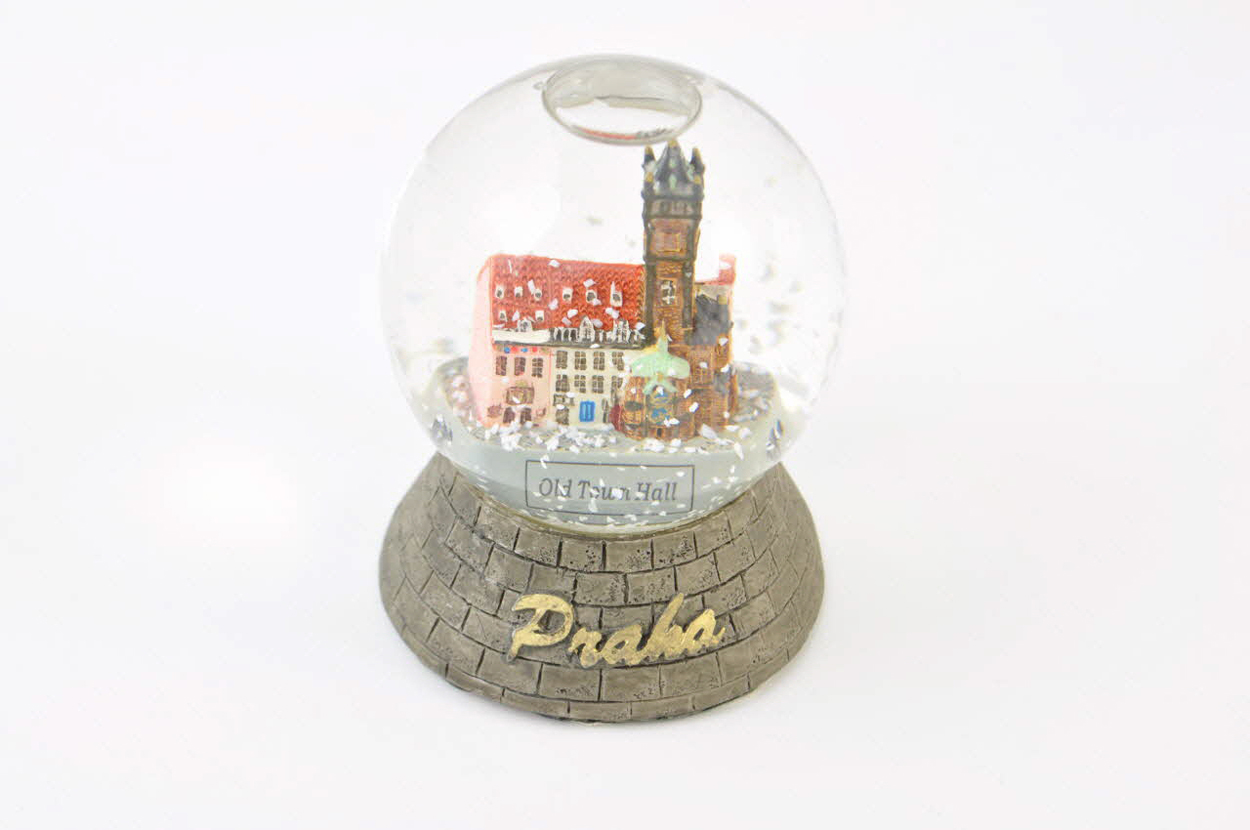 Discover
A Whimsical Alphabet Book!
What are these objects doing at the Mucem?
As its name suggests, the Mucem is a museum of civilizations. In other words, it focuses on everything produced and used by European and Mediterranean societies, from the dawn of humanity to the present day. In the museum’s view, a funerary sculpture from Ancient Egypt speaks just as much about the ritual practices surrounding death during the reign of the pharaohs as a wreath of glass-bead flowers reflects the attachment to the deceased in France during the first half of the 20th century.
Every object, no matter how humble or kitschy, thus bears witness to the society from which it originated. That is why, since its founding, the museum has made it its mission to seek out and preserve a wide variety of possible and imaginable artifacts in order to preserve their memory. In particular, it has worked systematically by organizing annual collection surveys. For a given theme, within a defined geographic area, Mucem researchers gather testimonies, images, and objects. This is how the artifacts below found their way into the national collections.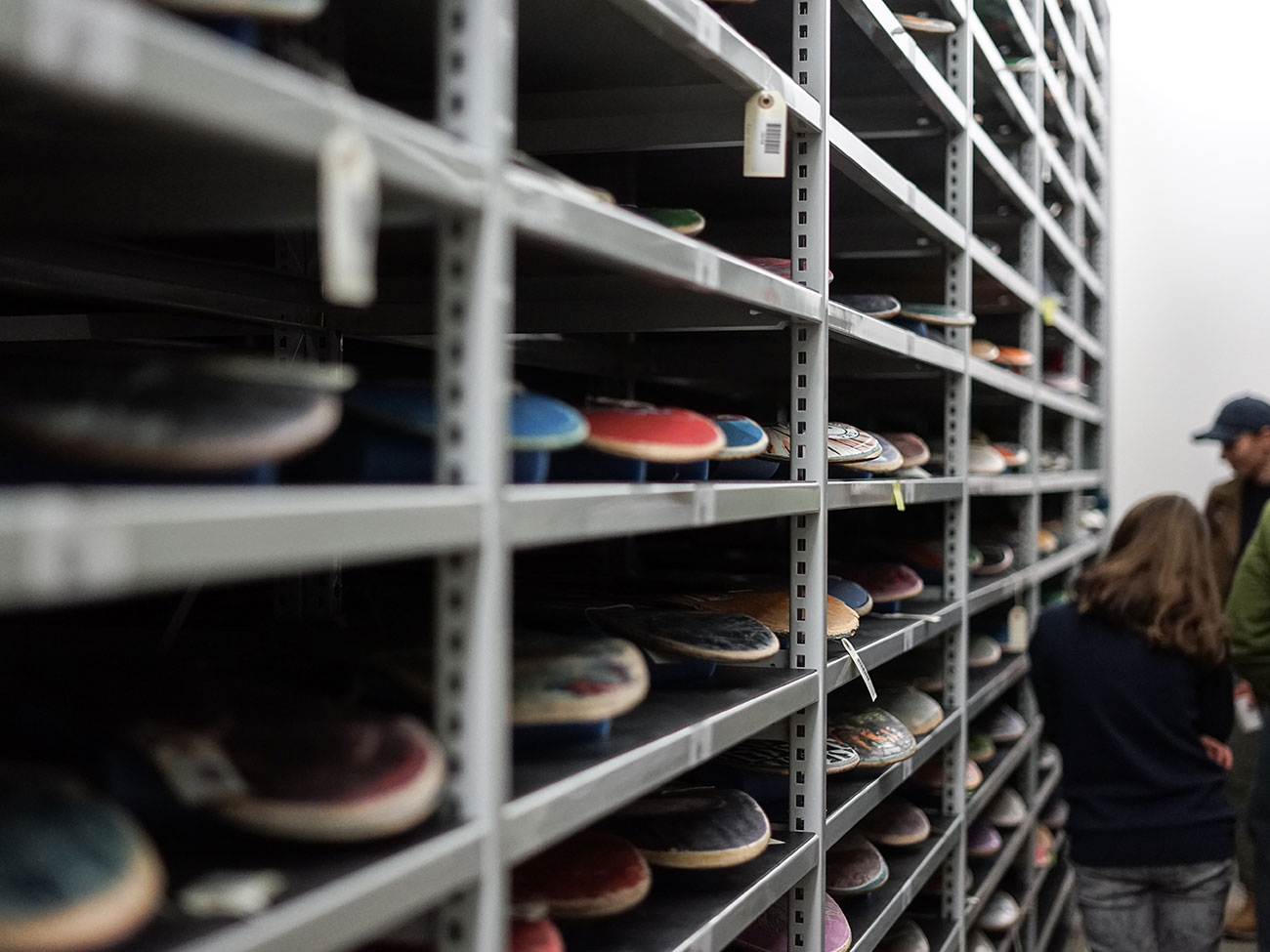 Discover
From California's Beaches to the Mucem: Skateboarding Culture at the Museum
José de Matos, Tony Hawk, Mark Gonzales… these names, which resonate with anyone who has ever skated, belong to legendary skateboarders whose legacies are represented in various forms in the Mucem’s collections. Some of them have donated skateboards, equipment, or memorabilia to the museum, while others are represented through skateboards bearing their names.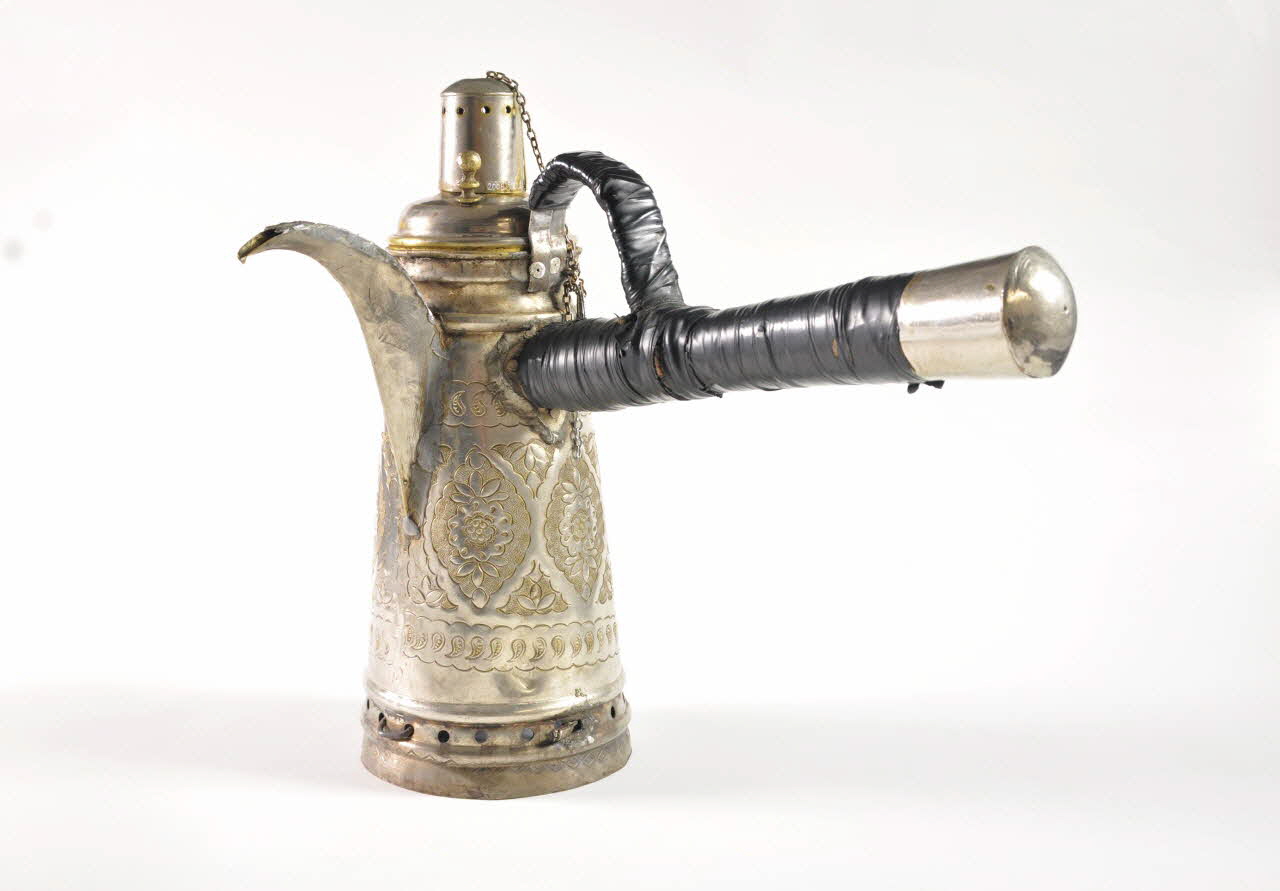 Discover
Coffee
Coffee (qahwa in Arabic, a term also used to refer to wine) reached us via the Arab and Ottoman worlds. From the highlands of Abyssinia, where coffee cultivation is documented as early as the 12th century, coffee crossed the Red Sea to be first cultivated along the coast of “Happy Arabia” (present-day Yemen) and then in the tropical climates of the territories of the great colonial empires beginning in the 17th century. Called the “devil’s drink” because of the black color of its grounds—in which people believed they could read the future—coffee was at times discredited by doctors for its harmful effects on health (it was considered an unnatural and addictive beverage).
Today, coffee is the second most widely consumed beverage in the world after water, but it still competes with tea.
The Mucem’s extensive collections related to coffee illustrate the various ways this beverage has been prepared and consumed since the 18th century, both at home and in public spaces. They also highlight how cafés have become places of social interaction.