A Whimsical Alphabet Book!
Every object, no matter how humble or kitschy, thus bears witness to the society from which it originated. That is why, since its founding, the museum has made it its mission to seek out and preserve a wide variety of possible and imaginable artifacts in order to preserve their memory. In particular, it has worked systematically by organizing annual collection surveys. For a given theme, within a defined geographic area, Mucem researchers gather testimonies, images, and objects. This is how the artifacts below found their way into the national collections.
Here is a selection—presented in the playful format of an alphabetical guide—of some of the most unusual works in the Mucem’s collection, along with the arguments in favor of their inclusion in the museum’s European and Mediterranean heritage.
A for Panini Sticker Album
What European born between the second half of the 20th century and the beginning of the 21st didn’t collect stickers and albums published by the Italian company Panini as a child? Founded in 1961, the publishing house has, since its inception, released international hits from the world of children’s entertainment—from soccer to Star Wars, Barbie, and all the Walt Disney films. While some albums, such as those from the WWF, are more educational in nature, raising children’s awareness of the natural sciences and the environment, the majority of the albums, dedicated to sports and entertainment (toys and especially cartoons), reflect the world in which Western populations have lived since the 1960s. They thus reveal the siren song of a consumer society that has been singing in everyone’s ear from a very young age. The Mucem therefore felt it was essential to acquire artifacts reflecting this enthusiasm for sticker albums and the practice of collecting. This was accomplished in 2007 with the donation of 60 albums dating from the 1970s to the 1990s.

B for Bouton d’or (costume)
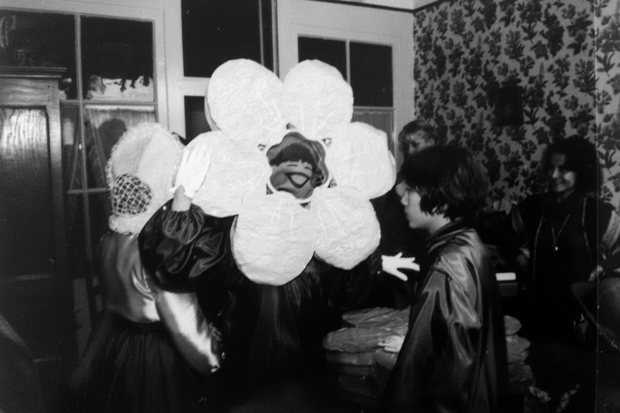
In 1979, the museum turned its attention to the theme of festivals in France—a vast subject, to say the least. There are countless rites of passage (such as weddings, First Communions, and military conscription), secular and religious holidays like Easter and July 14, traditional rural festivals, and popular urban celebrations such as dances and carnivals. In short, every aspect of these moments of celebration, social interaction, and community cohesion within communities of varying sizes was explored over the course of three years. The carnival in the small town of Jargeau, in the Loiret department—whose reputation extends far beyond the borders of the Centre region, where it has been held annually on Shrove Tuesday since the 19th century—was one of the very first sites of the study. Among other things, the study documented three “boutons d’or” costumes parading through the streets in a bouquet-like formation. Thirty years later, this theme of celebration—narrowed down to carnivals and masquerades in Europe and the Mediterranean—was the subject of a new research and collection project that demonstrated that this centuries-old tradition is still very much alive, as evidenced in 2014 by the exhibition “The World Upside Down.”
C for Cloclo
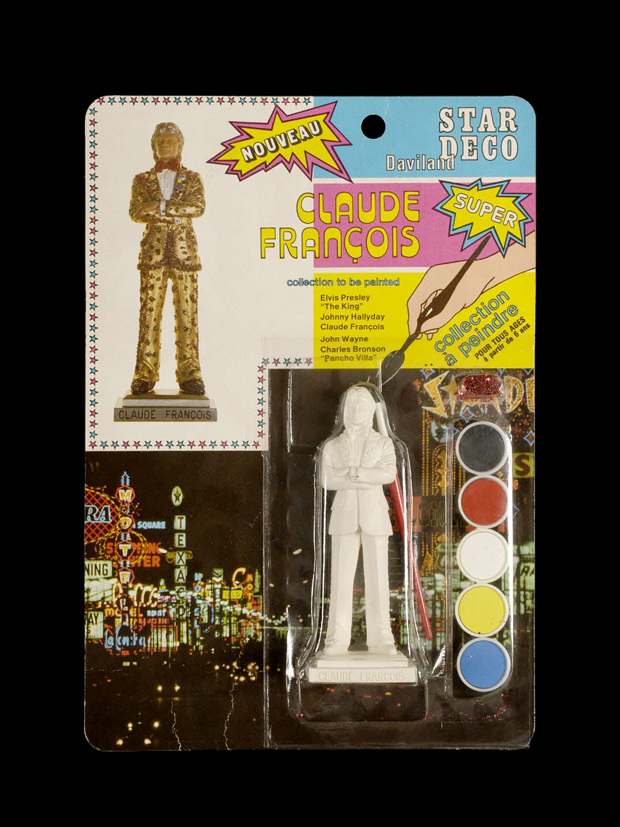
The fascination with people famous for their talent, beauty, or power is a phenomenon that has been known and studied since the mid-20th century. However, the world of fans and the star-related merchandise created specifically for them has only been studied more recently. In a pioneering research and collection initiative, the National Museum of Popular Arts and Traditions turned its attention in the early 1970s to the community of Claude François fans and added these artifacts—evidence of the singer’s orchestrated self-promotion—to the national collections. Posters, biographies, autographed photos, and a perfume created by the star are now familiar types of items found in celebrity fan clubs around the world. More unusual, however—and certainly more revealing of the era in which it was created and the tastes of the public at the time—is the Claude-François plaster figurine designed for fans to paint themselves.
D for D (system)
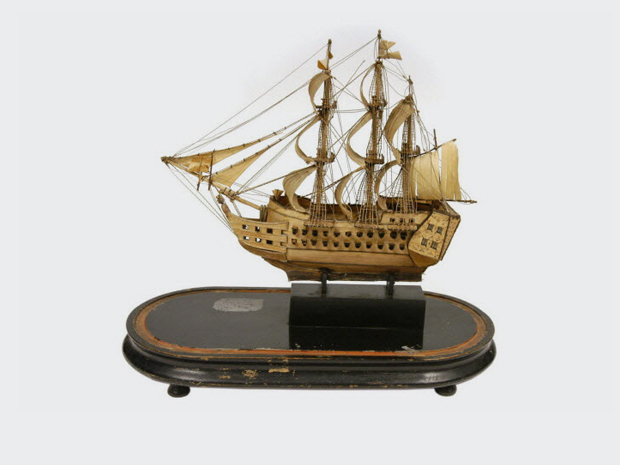
This 1/300-scale model of a three-masted ship flying the British flag is made of surprising materials: cardboard for the hull, small pieces of wood for the masts, and braided or twisted hair for the ropes and cables. It was created in the early 19th century, possibly by an Englishman imprisoned on the Île de Ré. The circumstances of its creation explain the rough nature of the materials used: this prisoner built this small ship with whatever he had at his disposal—which wasn’t much. Far from being merely anecdotal, this work is part of a tradition of crafting objects in prison known as “pontoon work.” This tradition takes its name from the decommissioned ships anchored off the English coast, in which the British confined French prisoners—soldiers, sailors, and privateers serving under Napoleon I—in the very early 19th century. To keep from losing their minds and to keep themselves occupied in these floating prisons, the prisoners crafted small objects—model ships, miniature automatons, boxes, statuettes, and more—using whatever materials they could find on board. This model, made from unusual materials, thus offers a glimpse into the daily lives of thousands of prisoners during the Napoleonic Wars.
E for Eternals (regrets)
Since death plays such a prominent role in human societies, a museum of civilizations like the Mucem has a duty to preserve evidence of mortuary practices, from the earliest antiquity to the present day. Part of this conservation effort includes an ancient Egyptian sculpted funerary group depicting a herdsman and his cattle, French coffins and urns from the 19th, 20th, and 21st centuries, and the simple 20th-century wooden stelae marking Macedonian graves. In 2003, the Mucem received a significant donation from collectors of funerary objects gathered from French cemeteries and discarded after the graves were abandoned. The museum subsequently acquired beaded floral wreaths, paintings under glass, photographs framed in heavy glass globes or printed on metal plates, elegiac hair arrangements, metal flower pots, small ceramic flower still lifes… dating from the late 19th and early 20th centuries, and reflecting types of funeral offerings that are no longer in use today.

F for Footix
In 1998, following the surge in interest in the World Cup sparked by the French team’s success, the museum launched a major campaign to collect souvenirs from the event. It was during this campaign that this full costume of the World Cup’s official mascot, Footix—the Gallic rooster with a sports-themed name—was acquired. Produced by the French Organizing Committee for the World Cup, it is designed to be worn by an average-sized adult. Our researchers focused on various types of artifacts documenting the event: fan merchandise, promotional materials related to the matches, and items intended for staff managing each event… Among other items, the collections now include 11 official posters from the World Cup host cities, the official “Les Trois Suisses” catalog of World Cup merchandise, a set of items produced by Sony France, a T-shirt emblazoned with “World Cup” and a plastic horn reading “nou le avec zot” from Réunion Island, three puzzles, a packet of admission documents for a World Cup match, a lighted Footix sign measuring 1.80 m by 1.60 m, perfumery products, Yves Saint Laurent-branded clothing and accessories worn by the hostesses, board games from Hasbro, and various other everyday items, such as a Hewlett Packard printer cartridge stamped with a “World Cup” logo, dog accessories, swim trunks, McDonald’s glasses, crystal figurines bearing Footix’s likeness… Starting in 2014, a new three-year research and collection project examined the world of soccer and fan culture, expanding into the Euro-Mediterranean region to build on the project initiated in 1998 while moving away from the world of merchandising explored that year.

G for Glove
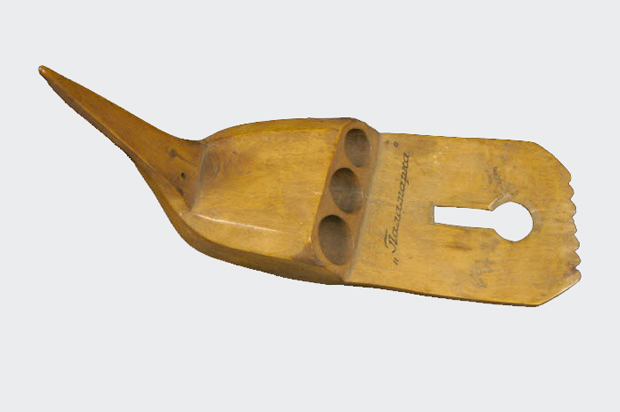
Some of the objects on display at the Mucem may seem unusual to today’s visitors. Yet just a few decades ago, they didn’t raise an eyebrow among their users. This object isn’t an ice skate for an athlete who’s lost two toes, but a glove used by farmers in the Balkans from the early 19th to the mid-20th century. During harvest time, reapers would slip this wooden, three-fingered guard onto the hand not holding the sickle. This glove allowed them to grip the ears of grain in its curved upper section and cut them without risking injury.
H for Homage
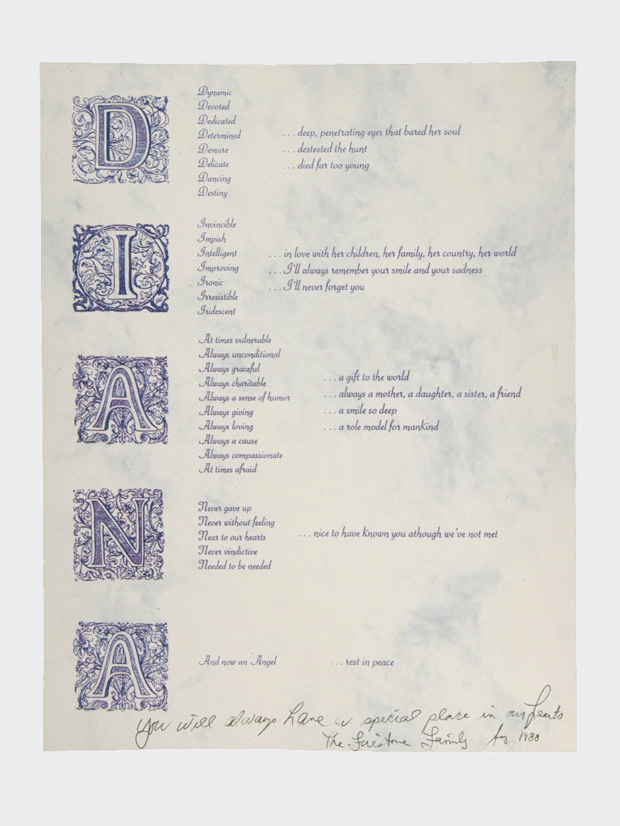
In the late 1990s, the National Museum of Popular Arts and Traditions launched a research project on new sacred and secular rituals by collecting devotional objects and souvenirs from modern pilgrimages, primarily of a religious nature. However, the devotional phenomena that developed around Princess Diana following her fatal accident in the tunnel under the Alma Bridge in Paris in August 1997 piqued the researchers’ interest. Around Bartholdy’s Flame of Liberty atop the Alma Bridge—a replica of the one held by the Statue of Liberty in New York—tributes and votive rituals have accumulated. The flame itself was covered with numerous graffiti messages expressing the love and sorrow of Lady Di’s admirers, whom many had elevated to the status of a saint. The City of Paris, owner of the sculpture, decided—in response to what it considered to be acts of vandalism in a public space—to remove the graffiti. The restoration project required the installation of a fence and a construction sign explaining the nature of the work being carried out. The “pilgrims” transformed this sign into a commemorative plaque. This is why the museum decided to acquire it. It perfectly captures the popular devotion to Lady Diana, despite the measures taken by public authorities to protect the monument.
I for IAM
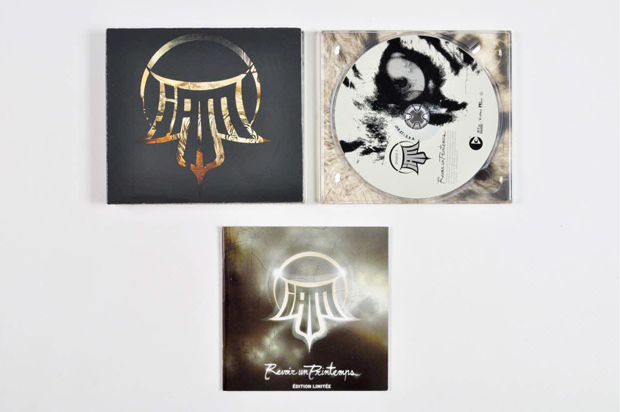
Since 2000, the Mucem has been exploring tags and graffiti in the Euro-Mediterranean region, as well as the urban music and dance styles that often go hand in hand with them, with rap and hip-hop at the forefront. Part of the study focused on Marseille, represented in the museum’s collections by Jo Corbeau and Massilia Sound System, who were instrumental in spreading hip-hop locally and more broadly throughout France. When it came to rap, the Marseille-based group IAM, formed in 1998, was the key reference to study. Composed of Akhénaton, DJ Khéops, Shury’K, Imhotep, and Kephren, IAM records its albums at La Cosca studio in Marseille. In fact, it was the studio’s owner who donated various iconic IAM rap items to the Mucem: the Belgian gold record for the album *L’Ecole du micro d’argent*, a promotional box set for the release of that same album, a script notebook for the music video *La Saga*, and a metal reproduction of IAM’s signature donated by a fan.
J for Jaguar
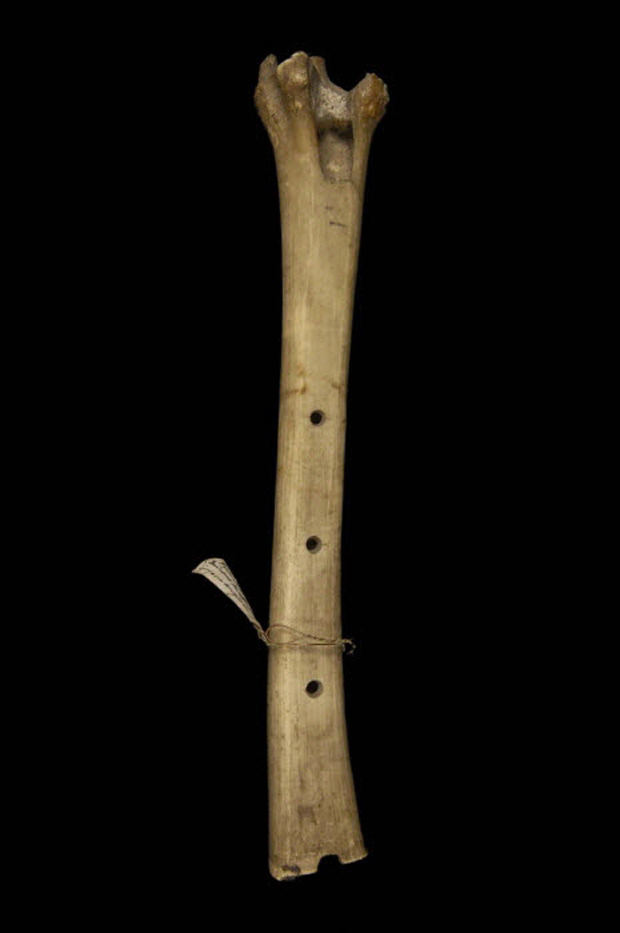
The Mucem’s collections extend beyond the geographical boundaries of Europe and the Mediterranean. In fact, back when the museum was dedicated to French folk arts and traditions, its focus was on the entire French sphere of influence—including the overseas departments and territories. Quite legitimately, the institution—then based in Paris—purchased part of Edouard Mérite’s collection at a public auction on December 14 and 15, 1953. The painter and animal sculptor had indeed devoted his life to collecting traps, cages, bird calls, and animal decoys—a passion that made him famous. This jaguar-bone flute, crafted by an indigenous Guyanese man, was selected by the museum to become part of France’s cultural heritage. Forty years later, French Guiana—as well as Martinique, Guadeloupe, and Réunion—became the focus of the museum’s research. Objects representative of the cultural practices of the various populations living in these French territories were collected to highlight the cultural diversity in the overseas territories and the specific characteristics of each culture.
K for Artificial Hymen Kit
This small wooden box contains two aluminum pouches. One contains a membrane to simulate an intact hymen, and the other contains red liquid to simulate blood. Originally designed in Japan in 1993 by a manufacturer of adult novelty items, this artificial hymen kit was marketed as a sex toy in South Asia and later in the West. However, it has found a completely different use in countries where society places great importance on female virginity at the time of marriage. There, it has served as a low-cost alternative to hymen reconstruction surgery. The artificial hymen kit has become so controversial that it has been banned by Muslim religious authorities, particularly in Egypt. So much so that Abdul Moeti Bayoumi, an Egyptian cleric, issued a fatwa in 2009 calling for sellers of the fake hymen to be prosecuted for promoting immorality and vice—a crime punishable by death under Islamic Sharia law. It is precisely because this object—which at first glance may seem trivial—perfectly illustrates the diverse perspectives held across the Mediterranean region on a given topic, in this case virginity, and because it crystallizes certain societal tensions, that it deserves to be included in the national heritage.
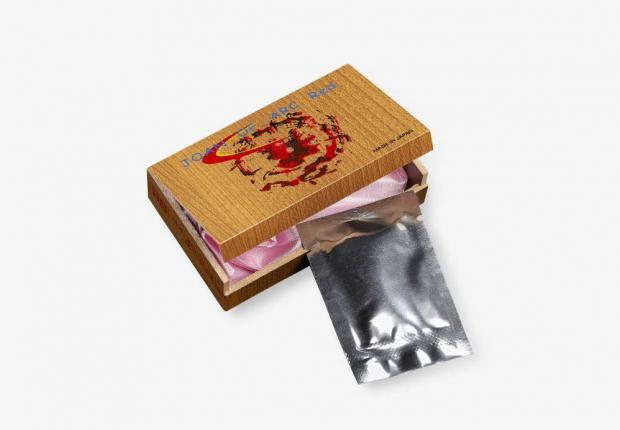
"Artificial Hymen" Kit © Mucem L for Luge
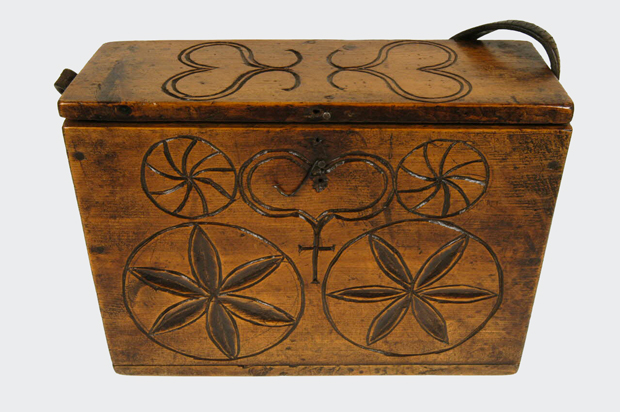
What is this wooden box with a strap used for? Schoolchildren in Queyras, a valley in the French Hautes-Alpes, would have answered without hesitation at the very beginning of the 20th century. “It’s a schoolbag. We also use it in the winter to whiz down snowy slopes. It doubles as a portable sled!” In this age of soft, plastic-coated backpacks adorned with images of their heroes, the young mountain dwellers of the 21st century would certainly lose a schoolbag-sled race against their ancestors.
M for Suppository Mold
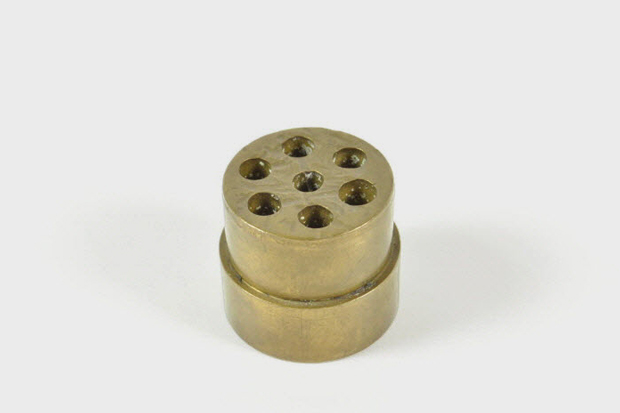
In 2000, upon learning of the closure of three Parisian hospitals (Boucicaut, Laennec, and Broussais), whose departments were to be integrated into the new Georges-Pompidou European Hospital, the Mucem decided to launch a research and collection project to preserve the intangible and tangible heritage of these three institutions. The researchers chose to study materials and furnishings that were representative not of the specific identity of each individual institution, but of care, treatments, and daily life in hospitals in general during the second half of the 20th century. A number of themes emerged, particularly those related to the life cycle within the hospital, the rituals of birth and death, therapeutic care, medical “folklore,” the distinction between clean and dirty, and the realm of food. This is how this suppository mold found its way into the Mucem’s collections.
N for Snowball
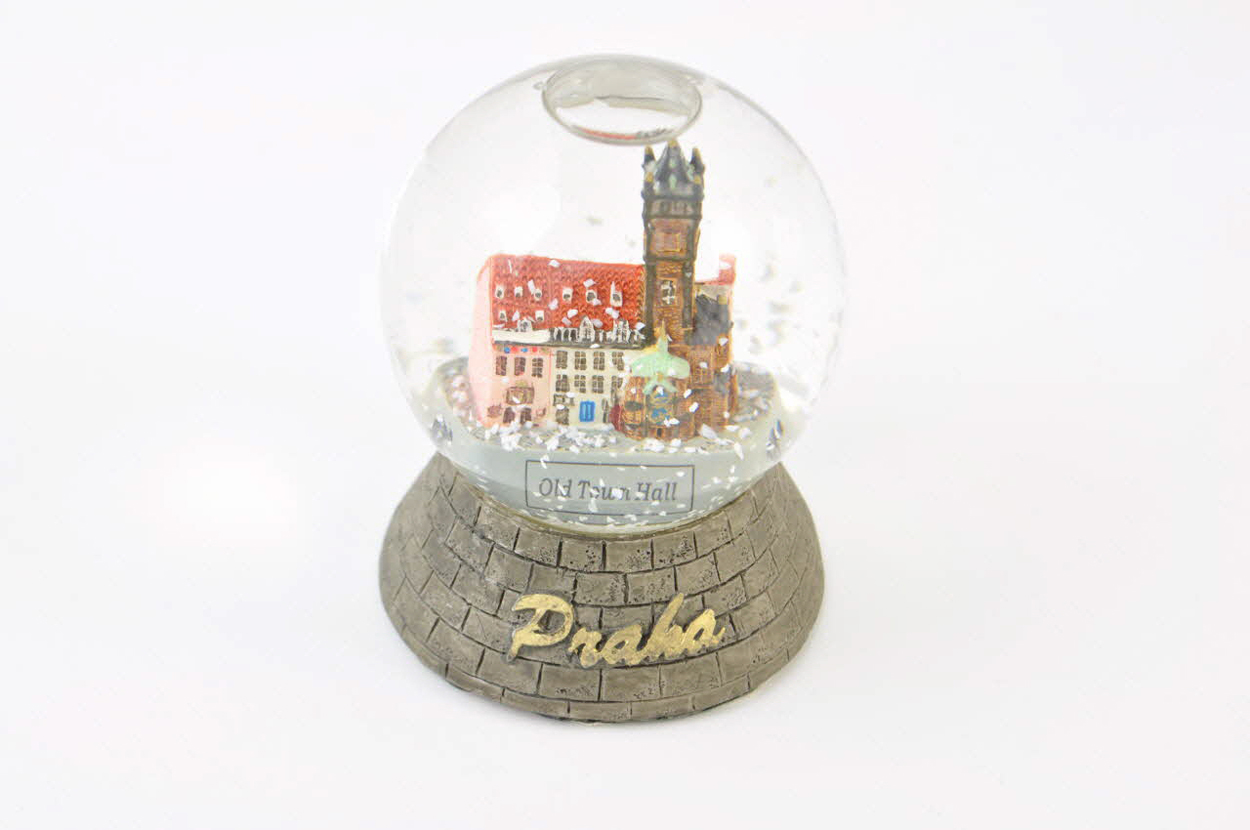
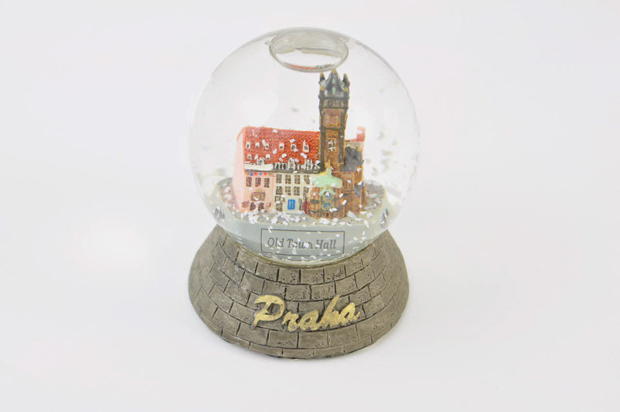
Inside this glass ball filled with water is a three-dimensional representation of a building flanked by a tower. It depicts Prague’s Old Town Hall and Clock Tower, identified by the inscription “Praha” on the base. When turned upside down, fine polystyrene particles suspended in the water fall like snowflakes onto the monument. The snow globe is a very popular souvenir. It generally depicts the iconic symbols of a country or city that everyone can recognize. Its origins seem to date back to the 1878 World’s Fair in Paris. Master glassmakers took center stage there. Some of them presented the first snow globes, containing figurines of men taking shelter under an umbrella. The 1889 Paris World’s Fair, which saw the inauguration of the Eiffel Tower, launched the trend of monuments inside glass globes. These spread throughout the 20th century in a sort of… snowball effect, to the point of becoming a must-have vacation souvenir. For this reason, numerous snow globes from various European capitals, each featuring their most famous monuments, were acquired during the survey and collection effort conducted from 2005 to 2006 on tourist souvenirs.
O for Nettle
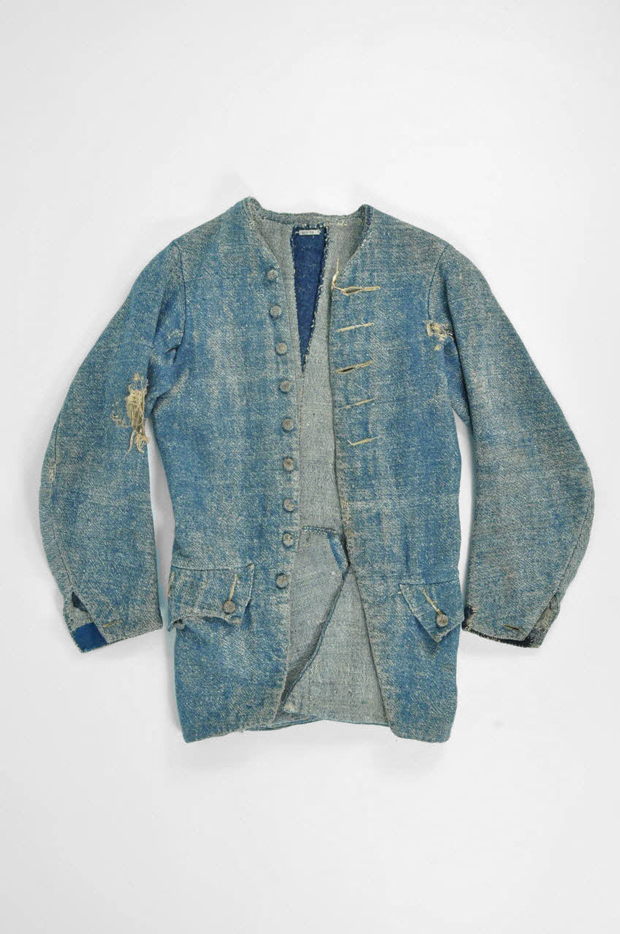
This levite—a loose-fitting men’s frock coat reaching to mid-calf—was likely made in the second half of the 18th century from droguet fabric. A fabric of mediocre quality, droguet is considered the precursor to denim. Traditionally made with a weft of hemp or linen on a warp of wool, or wool on cotton, it can also be found—as in this case—woven from nettle fibers. Contrary to popular belief, nettle fiber is not itchy. It has been used in Europe since the Middle Ages, primarily for making ropes and textiles. Its lightweight yet strong fiber possesses thermal insulation properties, making it ideal for fabrics that are warm in winter but cool in summer. Its use, which was common until the late 19th century, had fallen into disuse, but recent environmental concerns are bringing it back into the spotlight. The stinging nettle is indeed an interesting alternative to cotton cultivation; it is a perennial plant that requires no polluting chemicals to grow. New clothing, particularly jeans, is now being made from its fiber.
P for Condom
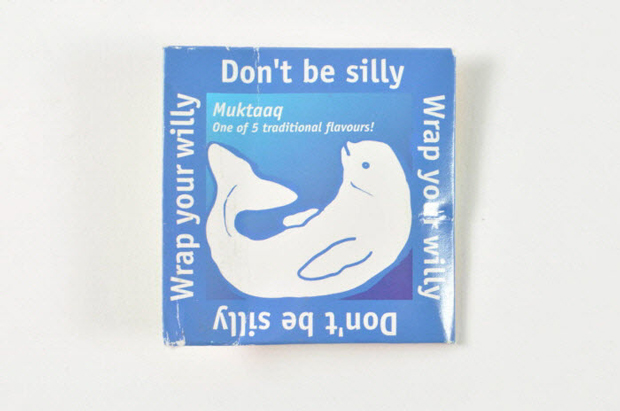
With a collection of nearly 800 condoms, the Mucem is certainly the national museum with the largest number of such items in its holdings. They all come from a collection initiative launched in 2002 focused on the history of AIDS. AIDS (or Acquired Immunodeficiency Syndrome) was one of the major epidemics of the late 20th century. Beyond the terrible disease that, according to the 2007 UNAIDS report, affected 33.5 million people worldwide, AIDS is unique in that, for the first time in the history of epidemics, those affected spoke out to defend their rights—particularly the right to information and prevention. This is one of the themes explored by the “History and Memory of AIDS” project, which has acquired more than 12,000 objects from 49 countries in Europe and the Mediterranean.
Q for “That’s the Quille!”
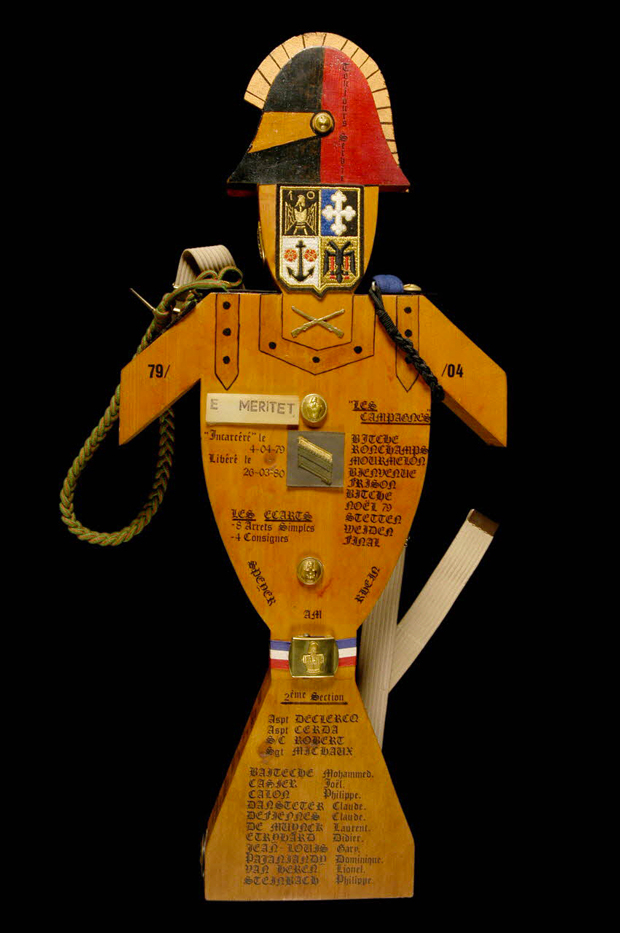
A conscript is a young man called up for military service. This call to arms for all young French men born in the same year is a legacy of the Revolution. When it was time to leave for the army, everyone would gather for a celebration that symbolized, in a way, their entry into adulthood. Practiced in all regions of France with regional variations, it generally took the form of dances at which the conscripts wore boater hats and tricolor cockades. While the start of military service was celebrated, its end was eagerly awaited. This is what the “conscript skittles” symbolize. Named after the ship *La Quille*, which in the late 19th century brought convicts back from the Cayenne penal colony to metropolitan France, these wooden skittles came to symbolize the young soldiers’ liberation and their return to civilian life. As mementos of the years spent in the military, they could be more or less decorated—often painted in the regiment’s colors—and bore the owner’s name, the draft class number, the number of the last unit, the stages of military service, as well as risqué inscriptions and drawings: the discharged conscript, after having been “fit for military service,” became “fit for the girls.” With the end of mandatory national service, the tradition has been lost, and the conscript skittles at the Mucem bear witness to a fundamental stage in the lives of young French men in the 19th and 20th centuries that has now disappeared.
R for Laughter
In 1972, the museum acquired more than 2,000 prank items, ranging from fake noses to water-shooting cameras and vibrating boxes of chocolates. This collection came from the French company Coudurier et Niogret, which operated in the Paris region from 1931 to 1970. The owner, Gabrielle Niogret, donated more than 300 items produced before 1938 (corresponding to the period when her father, the company’s founder, was active) as well as the tools used in the family workshop and various stages of the joke and prank item manufacturing process. This collection is of great interest; it bears witness to the activity and expertise of a company that, for nearly half a century, employed just under ten workers. It was one of the five leading manufacturers of prank items in France in the mid-20th century. National history is also implicitly reflected in the history of the Coudurier-Niogret company. During the German occupation, for example, the company was shut down, but the workshop—reduced to just two workers—continued to “run,” despite the lack of raw materials. It also offers insight into French humor and its evolution throughout the 20th century, as reflected in the production of these playful little objects.
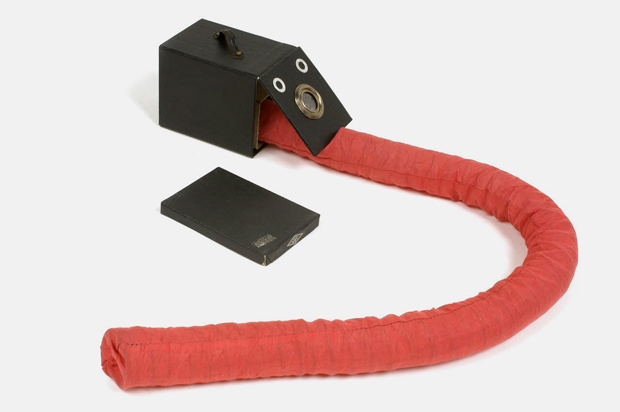
S for Lard
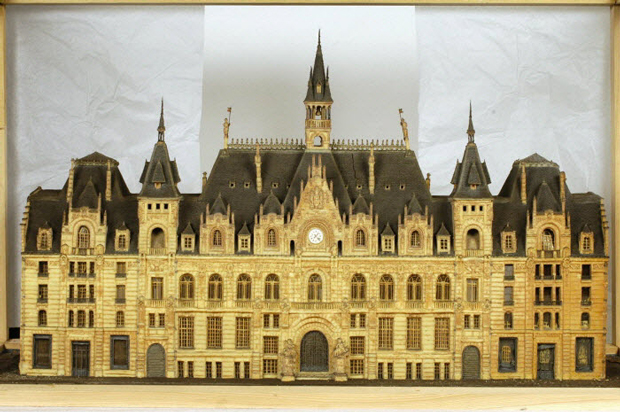
Just a few decades ago, French butchers would showcase their talent and artistic flair during Easter and Christmas by decorating their storefronts with models made of lard (pork fat). The models were then destroyed so that the raw material could be recovered. Of those that were not remelted, very few have survived, as the material they were made of is highly perishable. This is why this model of the Mézières City Hall is so valuable. Created in the late 1930s by Charles Fauquinon, president of the Ardennes Butchers’ Guild, it is one of the few remaining examples of an ancient craft that demonstrates the skill of a master artisan. In fact, models of this type were frequently presented as reception gifts by candidates for journeyman status in order to be accepted by their fellow butchers.
T for Tag
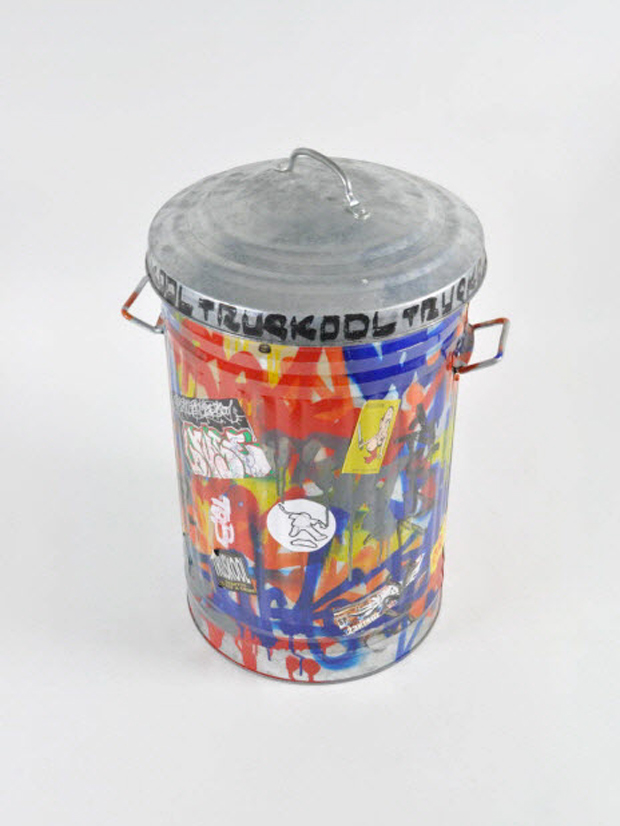
Graffiti originated in the United States, particularly in New York City. Initially, it was a way for gangs to mark their territory in urban areas, before anonymous individuals began leaving their signatures in public spaces, such as the New York City subway. Gradually, the art of lettering evolved, and by the 1980s, graffiti had conquered the art market, with tags shifting from walls to gallery walls—from the public to the private sphere. Europe, in turn, was affected by the phenomenon in the 1970s but did not begin to receive media attention until a decade later. At the Mucem, the interest in tagging and graffiti accompanied the renewal of the collections—shifting from rural society to urban cultures—and prompted the museum to address questions of creativity and popular culture. Since 2000, several research and collection projects on the themes of hip-hop, dance, tagging, and graffiti have been conducted. For this last theme, 958 objects have been added to the museum’s inventory (graffiti-covered panels, posters, stickers, markers, spray cans, magazines, sketches, photographs, videos, etc.), including this trash can that belonged to the Toulouse-based graffiti artist Truskool. It was part of his studio from 1990 to 2002 and was tagged by the artist’s visitors and friends.
U for USSR
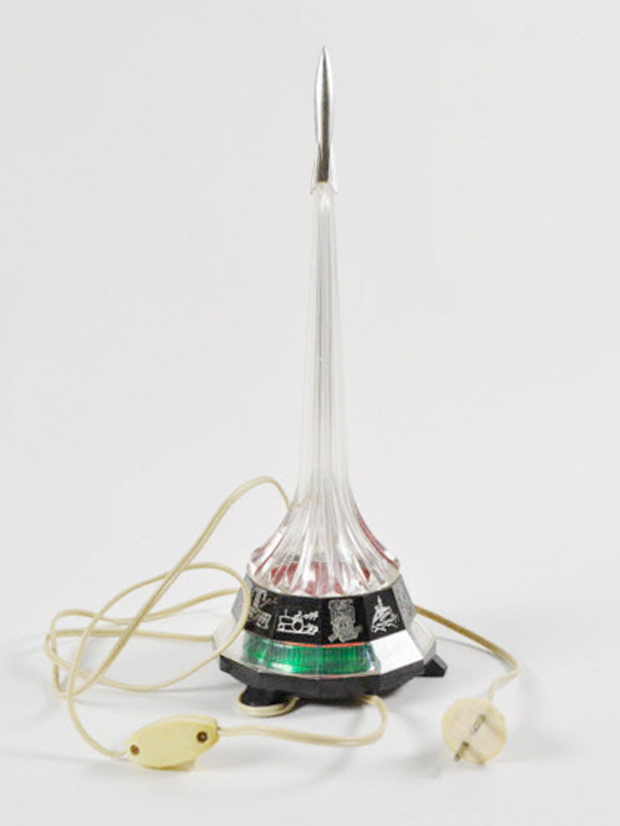
Between 2006 and 2009, the museum focused on the remnants of the political and social ideology that had prevailed for nearly a century in the countries within the Soviet sphere of influence. Numerous objects representative of the Soviet model were acquired at that time as part of a research and collection campaign called “Socialist Paradise.” Its aim was to demonstrate how the governments of Eastern European countries sought, through material culture, to re-enchant the rather drab daily lives of their citizens. This lamp, which celebrates the Moscow regime and the Russian people’s achievements in space exploration, fits perfectly into this approach. When turned on, the transparent plastic base glows red, simulating the launch of the rocket that adorns its top. Furthermore, the base of the object features a frieze depicting what Russian leaders consider to be the major achievements of Soviet history: the 1917 Revolution, the conquest of space, the peace of 1945, the electrification of the country, the BAM (Amur-Yakutsk Mainline) railway, and Lenin and his teachings.
V for Vlad the Impaler
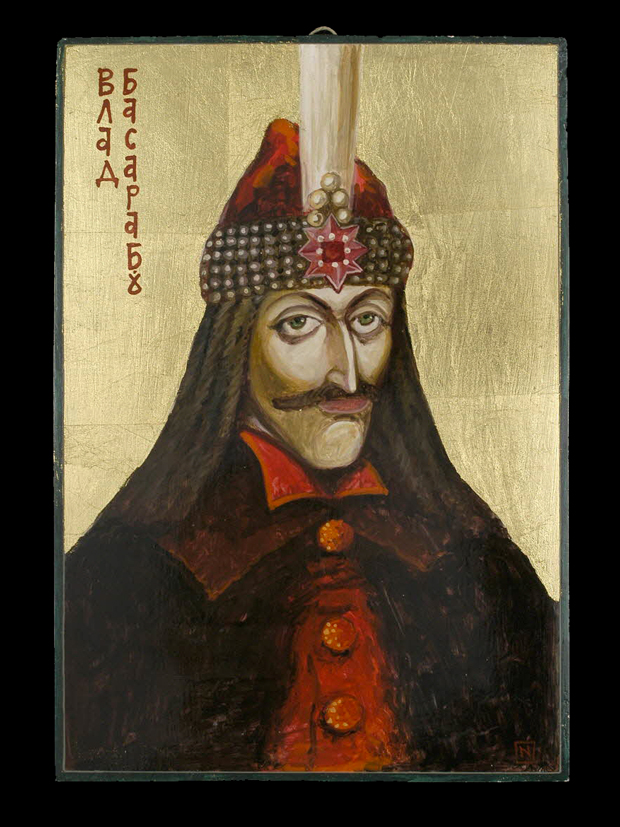
Vlad Basarab-Tepes was born in December 1431 in Sighisoara, Transylvania (Romania), and died in 1476 in Bucharest. As Prince of Wallachia and voivode (military commander of a region), he was nicknamed “The Impaler” by chroniclers because of his cruel habit of executing his enemies in this gruesome manner: peasants who rebelled against him or Turkish soldiers during the war between Christian Hungary and the Ottoman Empire. But he is best remembered by the name Draculea or Dracula (Romanian for “son of the Dragon,” referring to his family’s membership in the Order of the Dragon), thanks to the vampire character invented by Bram Stoker for his 1897 novel. A national hero during the communist era for having defeated the Ottoman invaders, the vampire popularized by Stoker’s novel has become a veritable economic and tourist boon for Romania. From an icon of a fierce Transylvanian warrior to a plush toy with sharp fangs sold at the Bucharest airport, Vlad the Impaler has become the symbol of this part of the Balkans in the eyes of the entire world. As such, he deserved a place in the Mucem’s collections.
W for Walt Disney
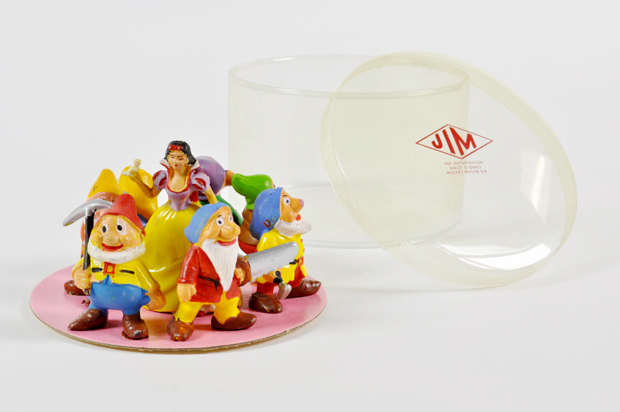
This item was donated in 1966 by none other than George Henri Rivière, the founder of the Museum of Popular Arts and Traditions. It was accompanied by an invitation to the show “Snow White and the Seven Dwarfs on Ice,” performed at the Alhambra Theater in Paris on December 26 of that same year. It clearly illustrates Walt Disney’s already widespread presence in the world of entertainment in Europe. This plastic figurine set, presented in its original packaging as a memento of a festive evening enjoyed by the general public, demonstrates the deep interest the founder of the Museum of Popular Arts and Traditions had in objects that bear witness to our civilization, however modest they may be. And this was at a time when intellectuals as a whole drew a very clear distinction between high culture—the preserve of an elite—and low culture—popular and shared by the majority of the French people. It was, therefore, a pioneering vision that the Mucem has strived to follow ever since.
X as in "born to unknown parents"
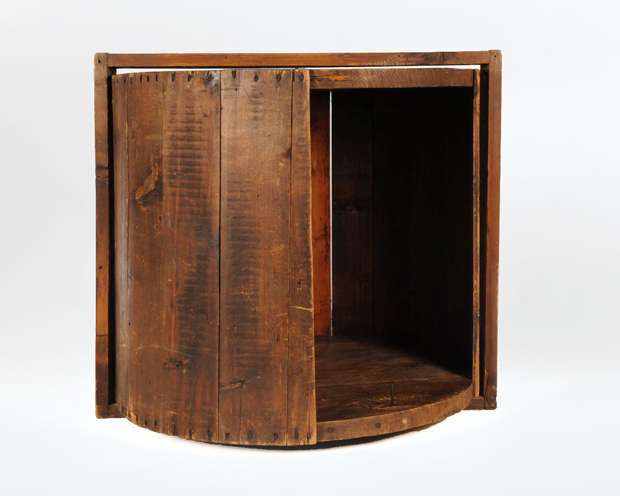
A baby hatch is a facility that allows a mother to leave a newborn baby—usually conceived out of wedlock—with an organization (such as a hospital, social services, or a church), which will take the child into care and place it for adoption. It consists of a cylinder that opens onto the exterior of a building and rotates on a vertical axis, like a revolving door. The mother places her child in the cylinder and turns it so that the infant enters the building, then rings a bell to alert those inside. A practice known in Europe since the Middle Ages, it became widespread in the 18th century. In the face of infanticide, which threatened babies whose mothers could not care for them, the foundling wheel was seen as a real step forward. In fact, it still exists in some countries, such as Germany, in a more modern and significantly less rudimentary form. In France, these structures were banned by the law of June 27, 1904. Since then, women have retained the right to give birth anonymously in hospitals (known as “anonymous childbirth”) and to leave their babies there. As soon as they were phased out, the museum acquired two foundling towers to preserve their memory.
Y for Yogurt
This bottle of drinkable yogurt is part of a collection of 1,300 plastic bags and various containers (cheese boxes, sausage wrappers, plastic bottles for toiletries and cleaning products, laundry detergent barrels, bottles of aperitifs and wine, and various glass bottles) from industrial production, donated to the Mucem by André Desvallées, a curator, museologist, and ethnologist well known in French museums. His collection, begun in the 1980s, documents the daily life of a large family with five children over a period of twenty years. A reflection of consumer society—of which disposable packaging is one of the symbols— this yogurt bottle and its counterparts in the André Desvallées collection allow us to explore several topics, such as the issue of disposable packaging—and consequently, waste management and recycling—in our contemporary society. The morphological variations in packaging also help us better understand the spirit of an era. Indeed, all these objects served as vehicles for advertising and for graphic and design research. They tell a story of marketing at the end of the 20th century. At a time when the use of plastic as a packaging material is being called into question, it is important to preserve a record of its existence.

Z for Zizi
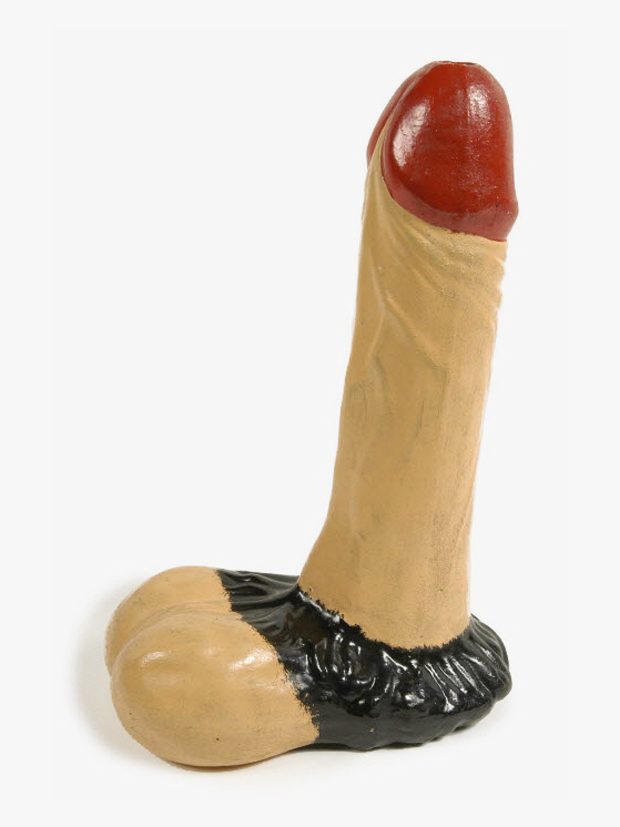
The phallus has been a symbol of virility and fertility since ancient times; in the West, depictions of it have come to be seen, by extension, as good-luck charms. Associated with satyrs and Priapus, the ithyphallic god of fertility (that is, depicted with an erect phallus), who form the retinue of Bacchus, the god of the vine, it is therefore not surprising to find this male organ depicted on wine jugs. Since the late 19th century, the Portuguese town of Caldas da Rainha, located in Extremadura, has been renowned for its production of glazed ceramics. It has become particularly well-known for its production of phallic jugs, which are given as gifts to newlyweds or used by medical students during their boozy parties. Today, the few artisans who continue this tradition sell their jugs primarily to tourists visiting Portugal.
Discover more features
Immerse yourself in the vastness of the Mucem’s collections and follow the surprising themes imagined by our curators. Discoveries and a change of scenery guaranteed!
 Discover
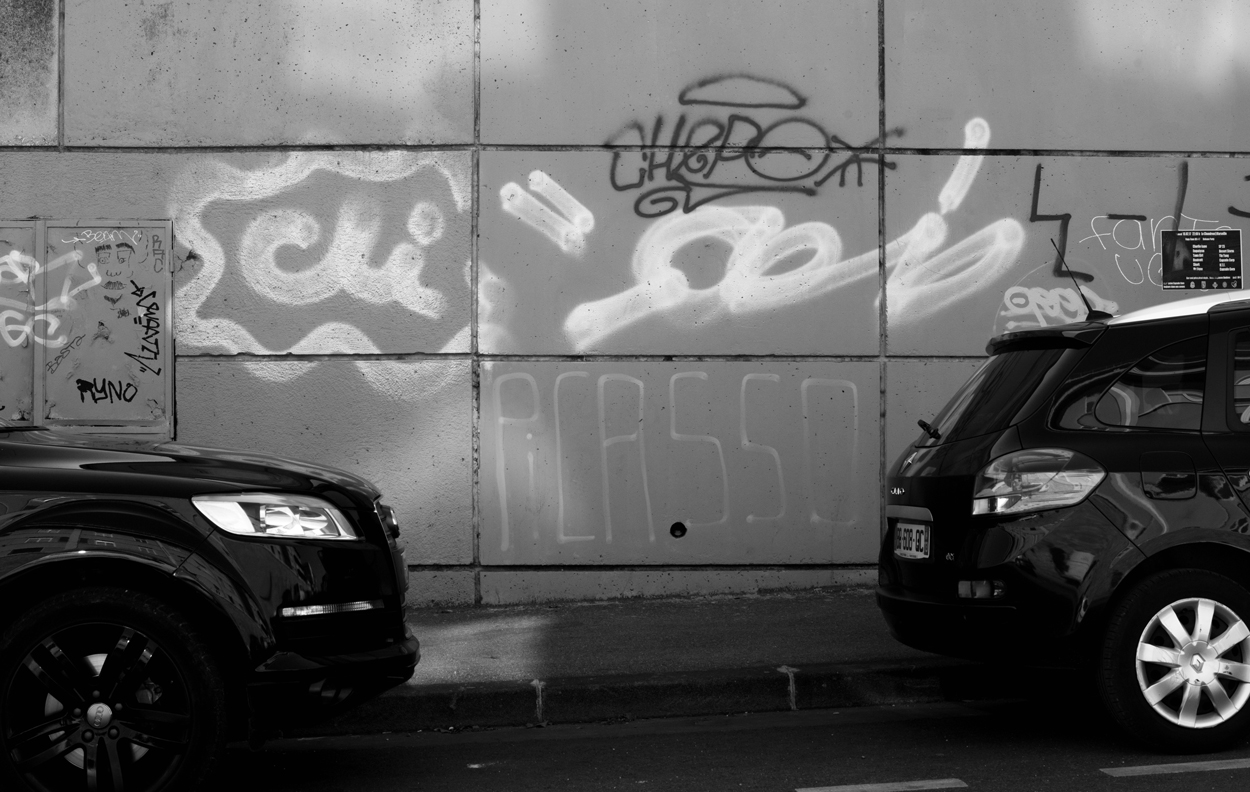
Tagging and Graffiti: “Illegal Art” at the Museum
Between 2001 and 2006, Claire Calogirou, a research associate, conducted several field surveys on the topics of hip-hop, dance, tagging, and graffiti. As for graffiti, 958 items were added to the Mucem inventory, representing an impressive collection of graffitied signs, posters, stickers, markers, spray paint cans, magazines, sketches, photographs, videos, and more. This rich body of research offers insights into social relations in urban settings, the issue of the appropriation of public space, and its reclamation through practices rooted in street culture. Discover
Soccer & Identities
A Mediterranean Survey and Data Collection Project
The “Football & Identities” survey and data collection project represents three years of research, conducted from 2014 to 2016, in 10 countries in the Mediterranean region: Algeria, Bosnia and Herzegovina, Spain, France, Israel, Italy, Morocco, Palestine, Tunisia, and Turkey.
Four humanities researchers—Christian Bromberger, Abderrahim Bourkia, Sébastien Louis, and Ljiljana Zeljkovic—sometimes accompanied by a curator —Florent Molle—and photographers—Giovanni Ambrosio and Yves Inchiermann—collected more than 400 objects, approximately 3,000 photographs, and over 6 hours of video footage. Upon their return from the field and after review, the collected objects and photographs will be presented to the Mucem’s acquisitions committees to determine whether they will be added to the public collections and made available to the public.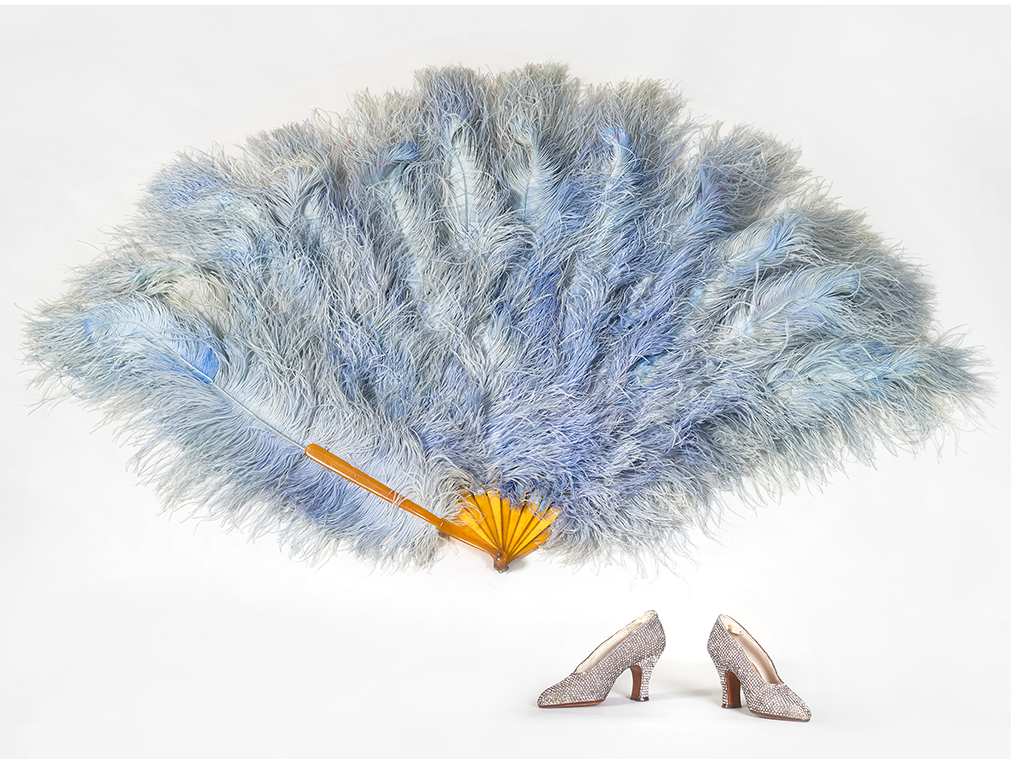 Discover
Celebrity!
Cult Objects and the Star System in the Mucem Collections
A dress, a console table, a belt buckle, a soccer jersey, a pair of shoes, a swimsuit, a radio: here is a list of simple everyday objects that bear witness to their era. This list would have a very different impact if we added the names of the people to whom they belonged: Edith Piaf’s dress, Pink Floyd’s mixing console, Saint Vincent Palotti’s belt buckle, Cristiano Ronaldo’s soccer jersey, Mistinguett’s shoes, Miss France’s swimsuit, Psykose’s “cataposte.” From being mundane, these objects take on power, sparkling with the glamour of fame. They become desirable and “magical.” But these relics come at a price that is, too, far from trivial…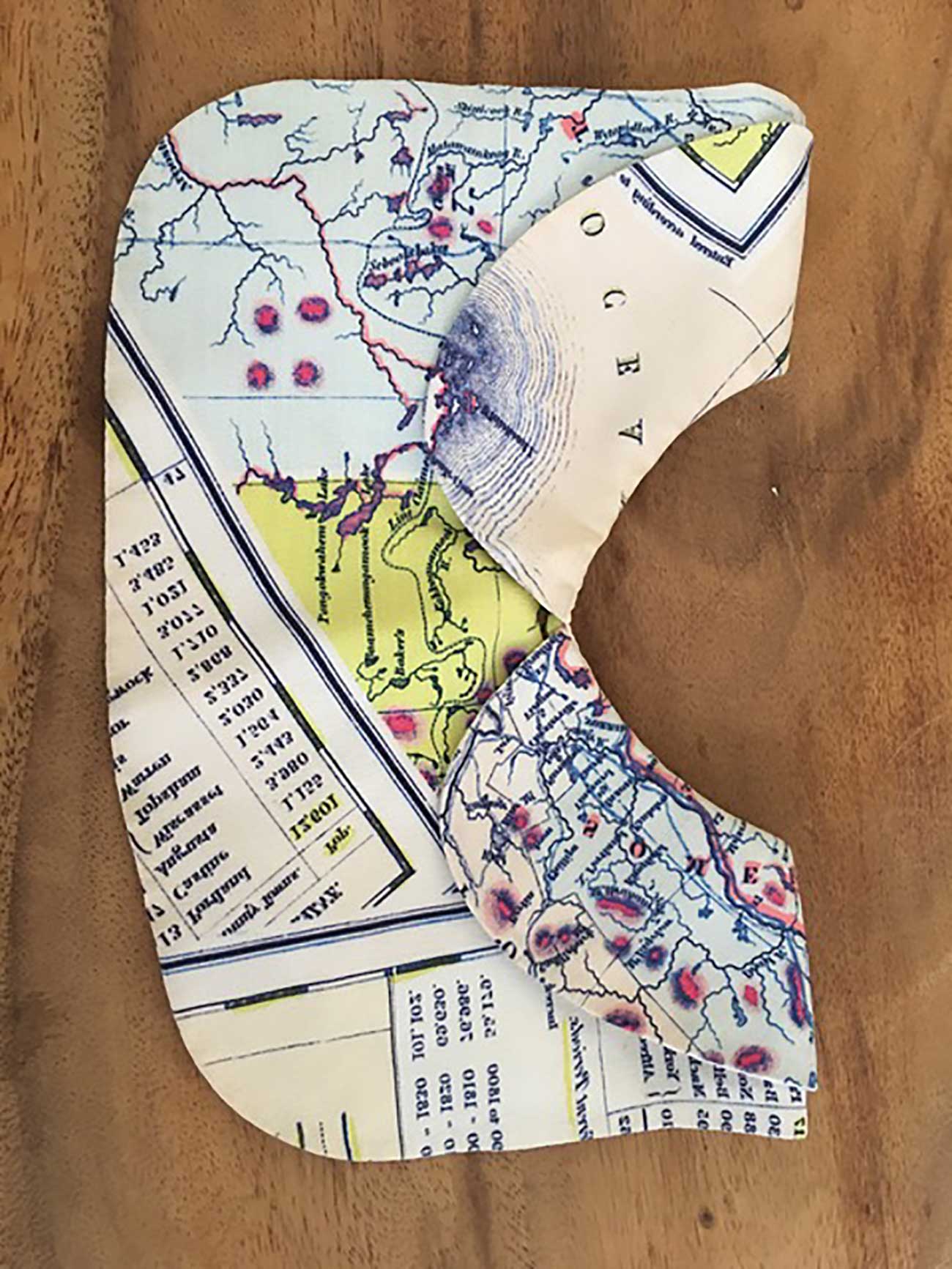 Discover
"Life During Lockdown," the collection
In April 2020, the Mucem launched a major participatory project focused on our lives during lockdown. Many of you took part.
The Mucem has received more than 600 proposals, which are still being reviewed, and some of which will be added to its collections once the review process is complete. A digital booklet lists all the proposals collected through this call for submissions, and here are a few examples: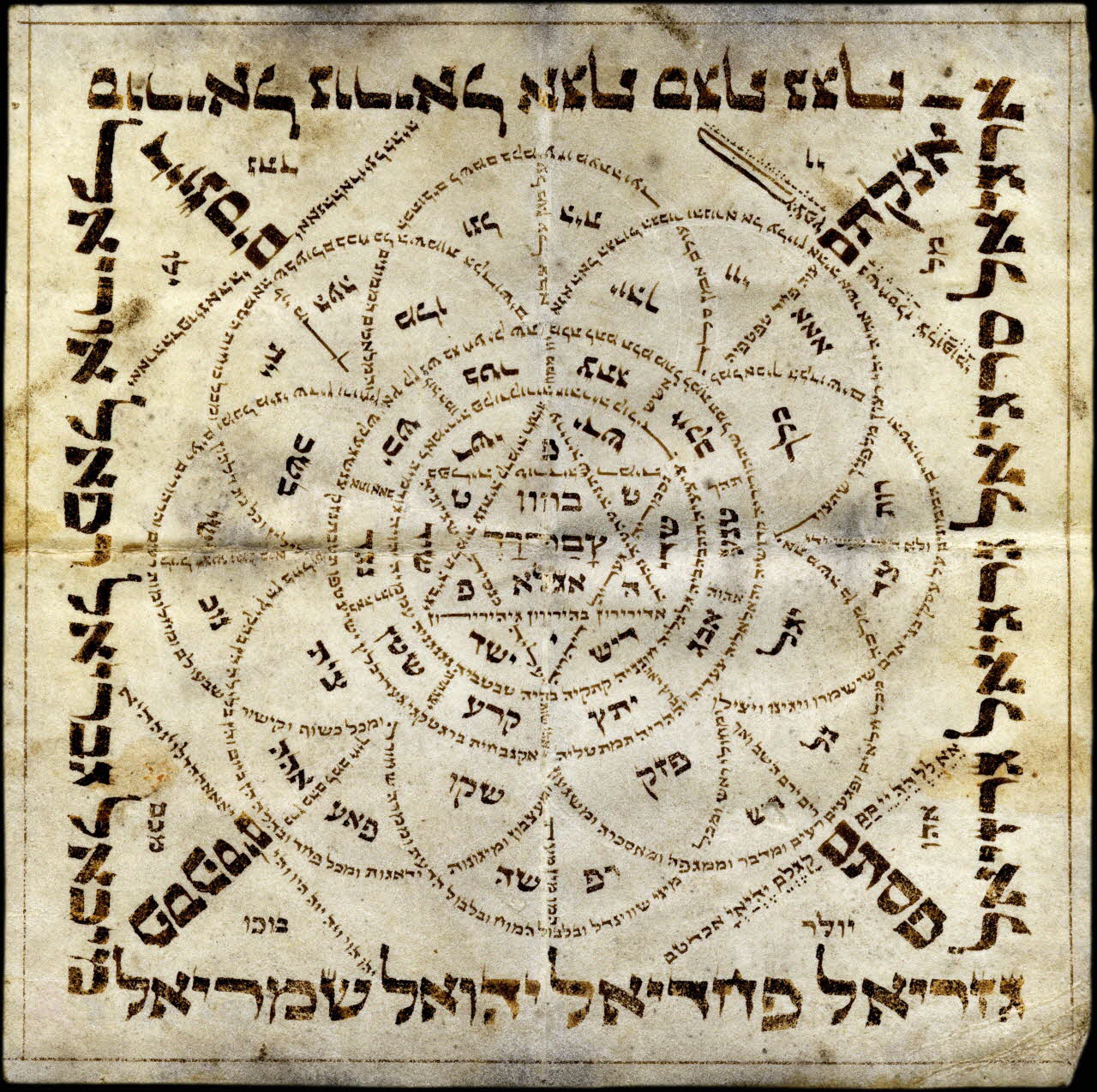 Discover
Watch out for wizards!
Magic and witchcraft: some of us consider them laughable superstitions, others believe in them, and many are undecided. But believing in them has a bad reputation among rational minds: such beliefs were fine for our ancestors—especially in rural areas—or are still acceptable in developing countries—but certainly not here, not today, and definitely not in the city. Yet observing the behavior of our contemporaries shows that scientific progress has not brought an end to mysteries and beliefs, neither in post-industrial France nor elsewhere. Often powerless in the face of misfortune, suffering, and anxiety, people are not satisfied with the answers provided by science. Science leaves a seemingly irreducible space for other principles and other ways of understanding the world.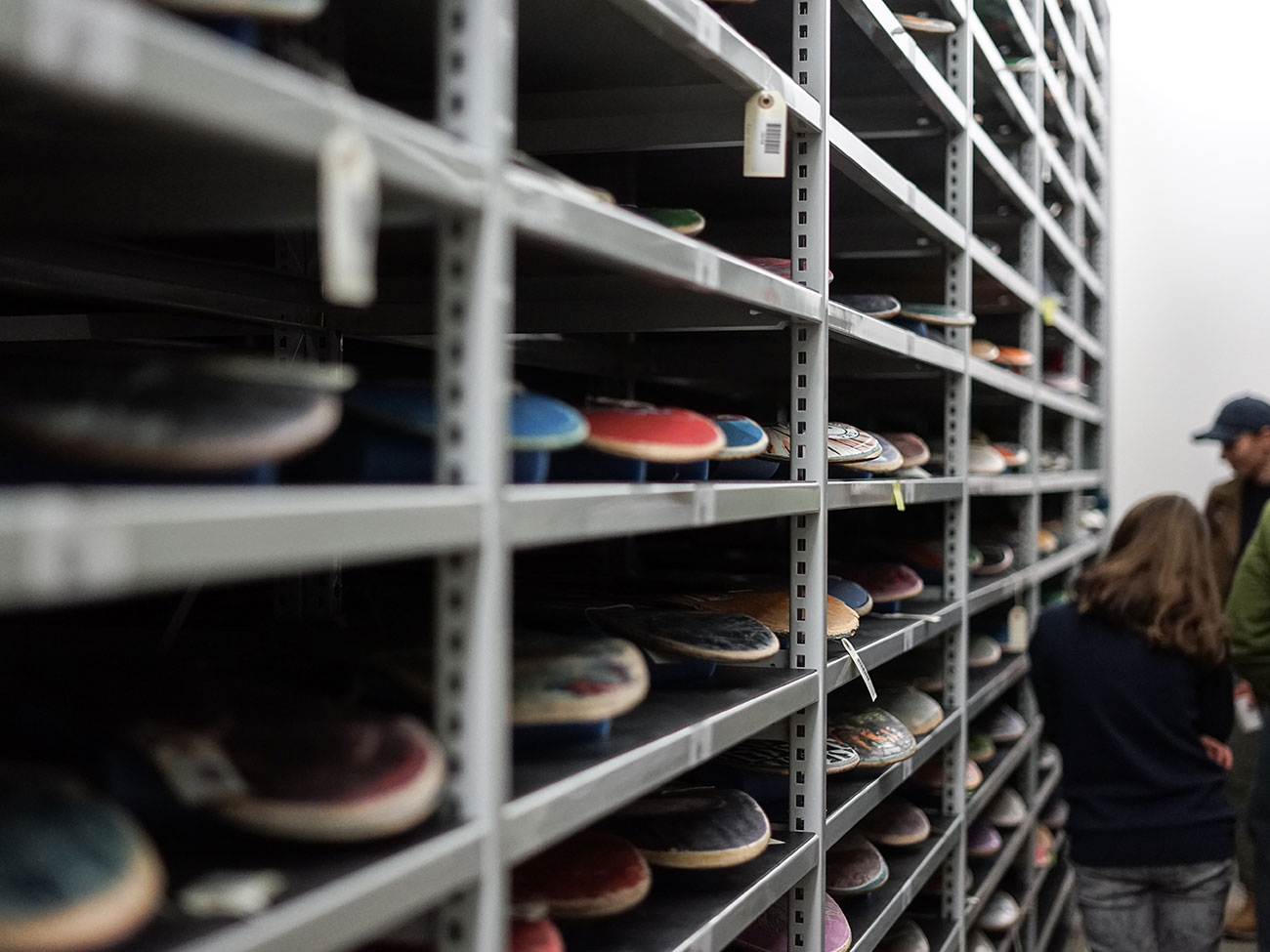 Discover
From California's Beaches to the Mucem: Skateboarding Culture at the Museum
José de Matos, Tony Hawk, Mark Gonzales… these names, which resonate with anyone who has ever skated, belong to legendary skateboarders whose legacies are represented in various forms in the Mucem’s collections. Some of them have donated skateboards, equipment, or memorabilia to the museum, while others are represented through skateboards bearing their names.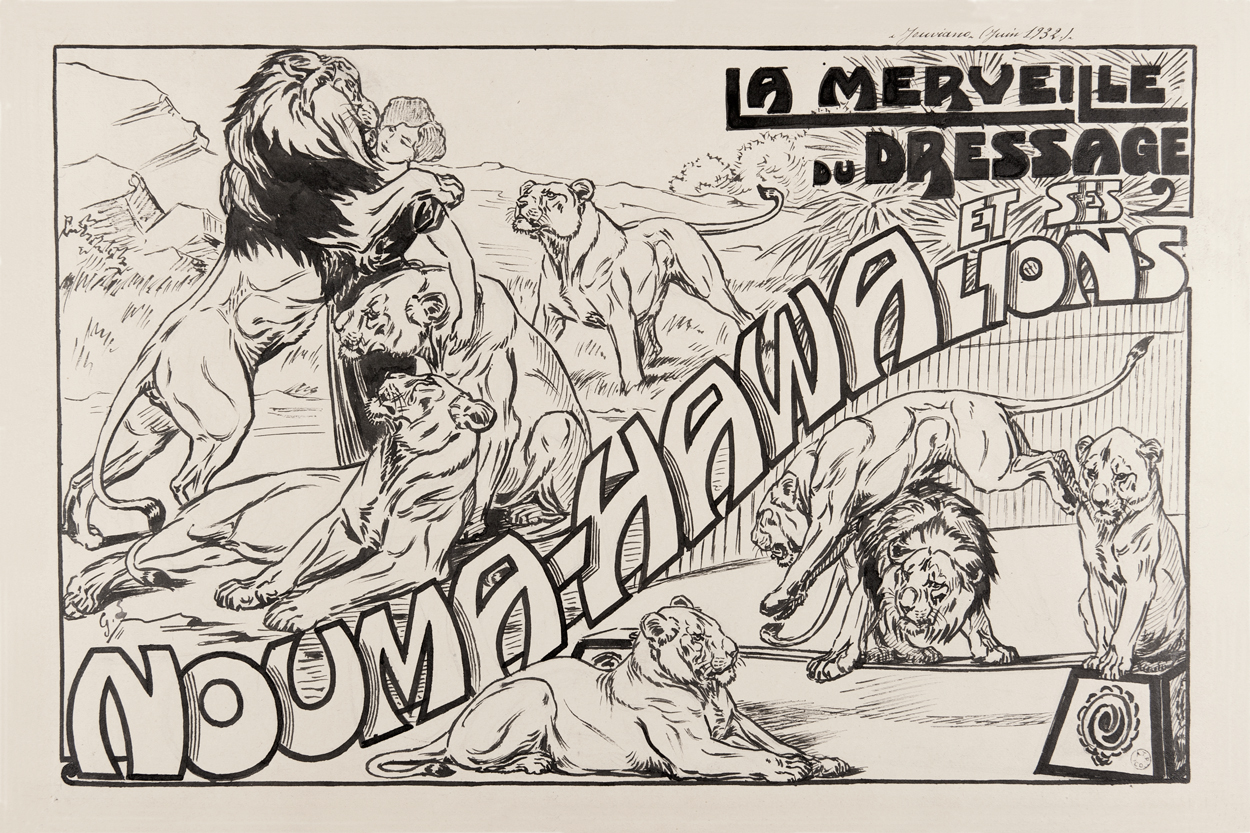 Discover
Draw Me a Lion
Gustave Soury's Animal Art
Gustave Soury (1844–1966) was an illustrator, painter, poster artist, and advertising artist who specialized in animal art for circuses and fairground menageries.
His vast and meticulous body of work, dominated by the figure of the big cats, reflects not only his passion but also our urban society’s fascination with exotic animals, their frightening wildness, and their endearing tenderness.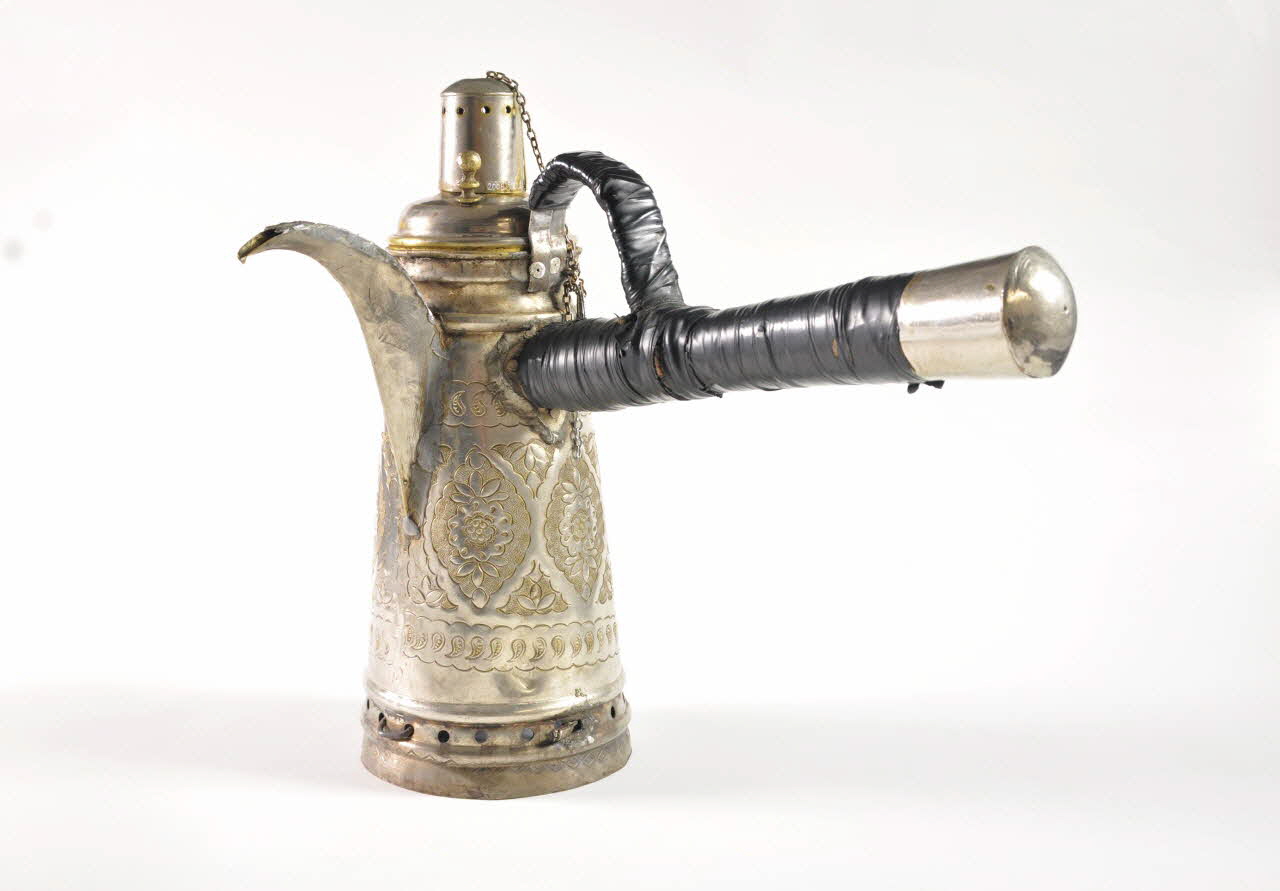 Discover
Coffee
Coffee (qahwa in Arabic, a term also used to refer to wine) reached us via the Arab and Ottoman worlds. From the highlands of Abyssinia, where coffee cultivation is documented as early as the 12th century, coffee crossed the Red Sea to be first cultivated along the coast of “Happy Arabia” (present-day Yemen) and then in the tropical climates of the territories of the great colonial empires beginning in the 17th century. Called the “devil’s drink” because of the black color of its grounds—in which people believed they could read the future—coffee was at times discredited by doctors for its harmful effects on health (it was considered an unnatural and addictive beverage).
Today, coffee is the second most widely consumed beverage in the world after water, but it still competes with tea.
The Mucem’s extensive collections related to coffee illustrate the various ways this beverage has been prepared and consumed since the 18th century, both at home and in public spaces. They also highlight how cafés have become places of social interaction.