Watch out for wizards!
Magical Attack
When a person is beset by misfortune, it sometimes happens that, in their own mind or in the minds of those around them, these “blows of fate” are interpreted as symptoms of magical attack. Witchcraft then seems all the more plausible as an explanation if the person believes they are the target of jealousy or is in a situation of conflict within their social, professional, or family circle. It then becomes necessary to identify the person responsible for these supernatural misfortunes—the sorcerer accused of casting the spells.
Find the Witch
In our imagination and in folklore, the figure of the sorcerer is most often portrayed as a character with an unsettling appearance, much like the fairy-tale witch with her wart and hooked nose. Shepherds, who live in solitude in the heart of nature, or any other somewhat eccentric outsiders, are often identified by passing ethnologists as the local sorcerer.
In reality, spellcasters do not openly identify as such and are more discreet than these folkloric sorcerers, both in rural areas and in cities, even though their powers are often partially known within the community. These men and women, moreover, possess ambiguous powers and status, and are also called upon as seers, magnetizers, healers, and spellbreakers. A statue preserved at the Mucem bears witness to this ambiguity. Acquired from a healer in the Nivernais region, it depicts a man with goat’s hooves—suggesting a wild and malevolent creature—whose particularly well-manicured hands suggest that he is a being endowed with powers. However, the statue’s head, beneath its unscrewable hat, is hollow and contained a packet of resin and a nail: this hidden “charge” is characteristic of objects used in rituals of protection and healing. So, is it a statue of a sorcerer or a spellbreaker? An object of enchantment or of protection? The line is often very fine, and depends on our own perspective.
Objects of Misfortune!
The exorcist’s identification of the spell and the sorcerer is accompanied by a search for the physical objects believed to have been used in the spell. Once located, these objects are generally ritually destroyed to nullify their effects. The Mucem is fortunate to have in its collection such objects used in spells, gathered in France throughout the 20th century, notably from an exorcist priest in the Bordeaux region.
These objects allow the spellcaster to discreetly interfere from a distance with the daily life of the person being targeted. They often contain a physical “trace” collected from the intended victim (a strand of hair, a nail clipping, a scrap of clothing) that ensures a targeted and effective action. For example, a small heart molded from raw clay containing horsehair, found on the edge of a meadow in the Vienne region, was likely intended to harm the animals on a neighboring farm. More generally, they often draw on a traditional repertoire combining materials, forms, and tools that have been used since time immemorial.
Crime Through Images
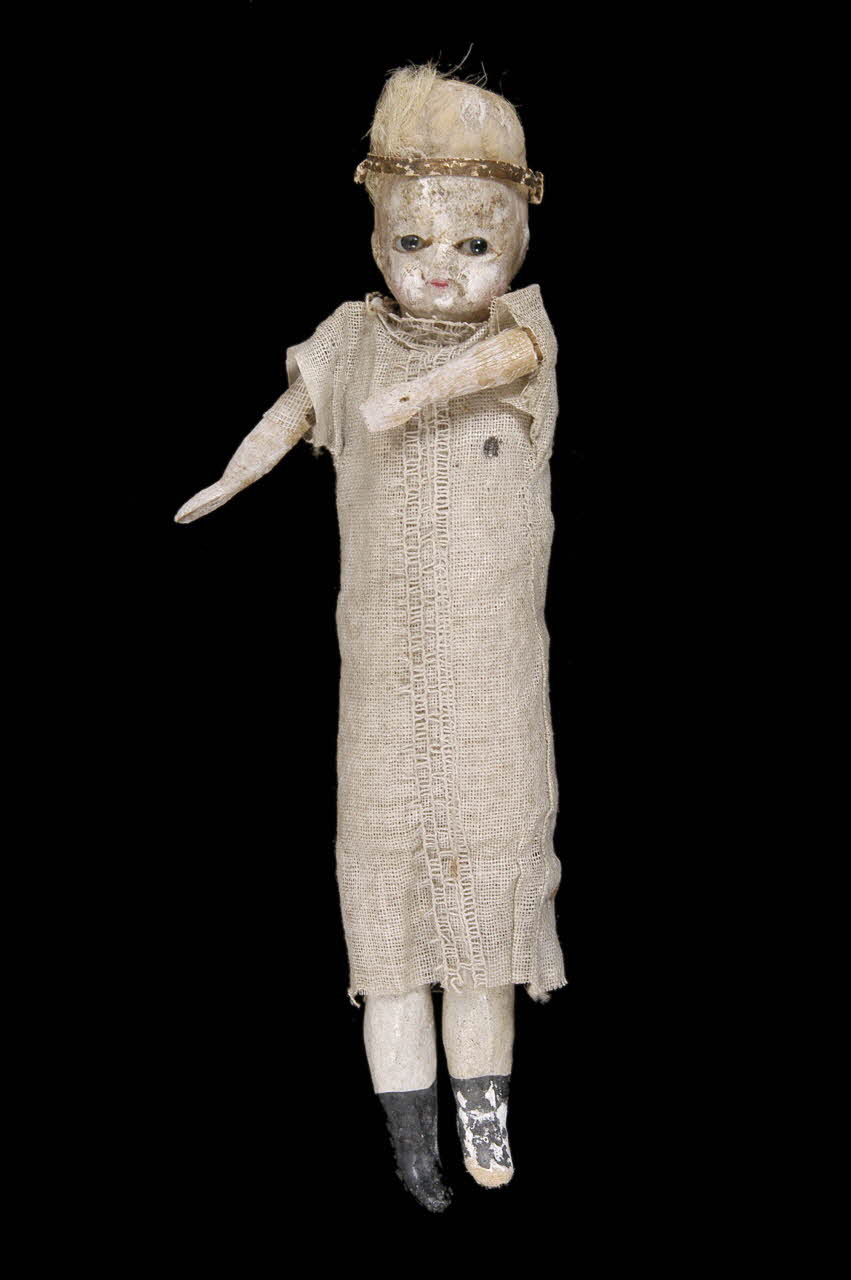
Known since ancient times and in many regions of the world, charm figurines are well represented in witchcraft practices in Europe. They may be sculpted specifically for a ritual or, particularly in an industrialized society, prefabricated and repurposed from their original use. They draw on the widespread magical principle of similarity between the charm and its victim, which share the same general form and sometimes a few distinctive features. For example, two figurines found in Talence in the Gironde region—one depicting a tall, slender woman with long hair, and the other a shorter, stouter woman—are believed to have been made by a man to harm his wife and mother-in-law. Through the magic of similarity between the effigy and the real person, acting upon the former has consequences for the latter: piercing the image with needles or nails in strategic places such as the heart, crushing its face, or depicting it with its entrails exposed must have serious repercussions for the person targeted.
Misfortune Lies in the Pillow
Unlike an amulet, which is believed to bring good fortune when kept close, malevolent objects hidden in the victim’s surroundings are thought to bring misfortune upon them. The Mucem thus houses several feather-based charms discovered in the pillows of people who believed themselves to be victims of a curse. Some balls of feathers interpreted as malevolent objects—such as the one found in a hospice in Valence—may form naturally in feather pillows. But others are undeniably man-made objects, such as small cords or a sock stuffed with feathers. Thus, in many cases, the supposed victim and those around them manage to establish a link between the shape of these objects and recent misfortunes. For example, a feather glove was found in the pillow of a craftsman who, after a long series of misfortunes, had his hand cut off. It was discovered by his wife, who suspected that witchcraft was behind all these misfortunes. Another fabric object covered in feathers came from the pillow of a man whose wife no longer wanted to sleep with him. Because of her refusal, its shape was interpreted as a spermatozoon, and he was accused of being the cause of this situation—a vicious cycle of interpreting causes and consequences…
Witchcraft for Dummies
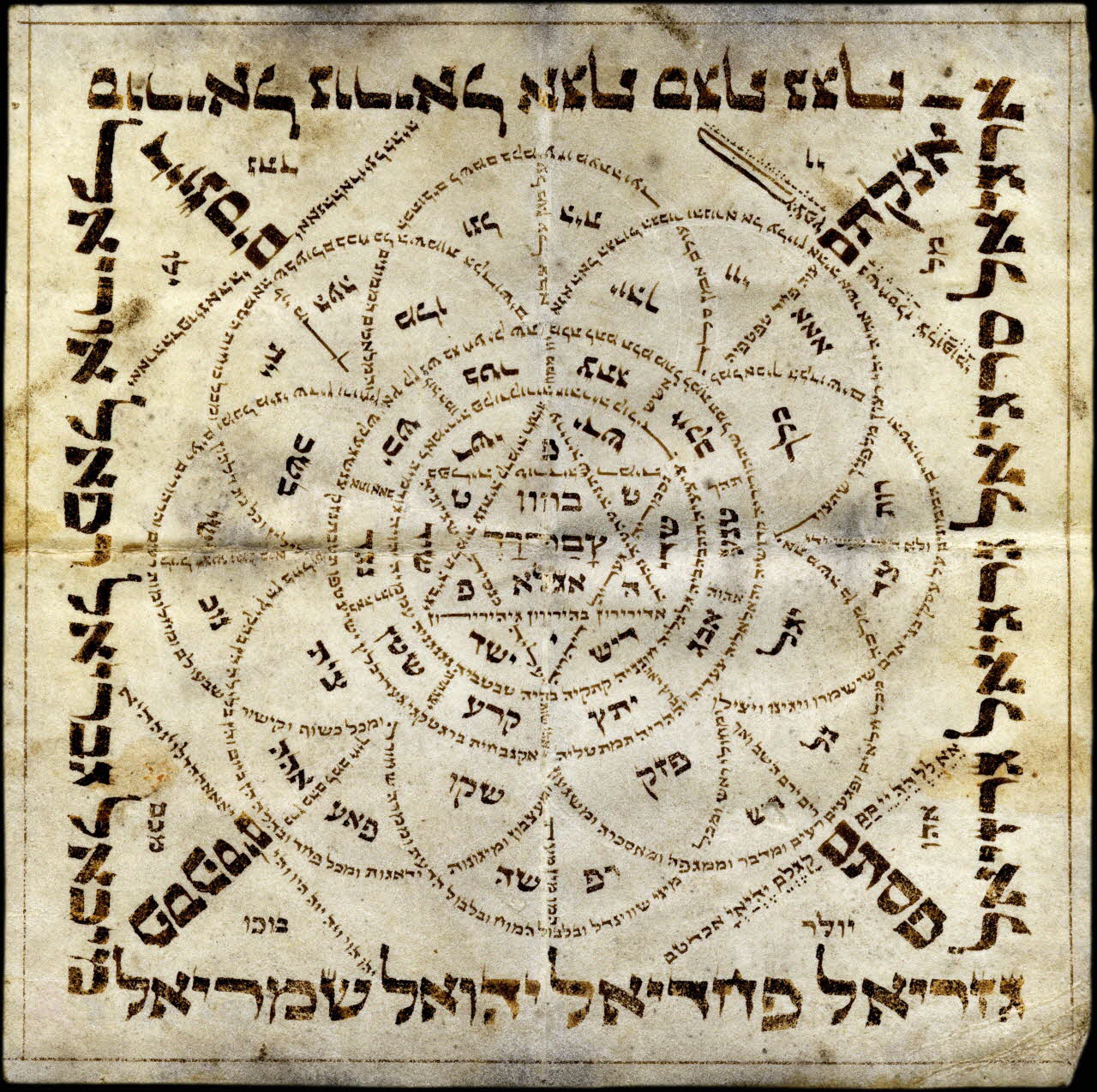
However, good spell-casting materials alone are not enough: the spell is generally activated by ritual words and gestures, performed under specific conditions (significant dates and times of night, optimal positions of the stars). These instructions and magical formulas are known to the spellcaster through oral tradition, but also through disreputable grimoires that can be obtained from peddlers, in town, or—these days—online.
These books are feared not only because of the information they contain, but also as living objects endowed with a malevolence of their own: their mere presence in a house is said to be a source of misfortune. Likewise, the mere possession of them multiplies the powers of a person with malicious intent, whether or not that person knows how to read them. Their authorship is often attributed to great scholars of Antiquity or the Middle Ages, whose legendary wisdom is a guarantee of their effectiveness: King Solomon, the supposed author of the “Clavicula” or “Little Key” that bears his name, Pope Leo III, or the Dominican Albert the Great, to whom the “Great Albert” and the “Little Albert” are attributed—two bestsellers of magical literature that continue to be reprinted to this day. Sometimes the devil himself is suspected of having contributed to the writing of certain works. Faced with such authors, is there no hope of salvation for the victims?
Magical Protection
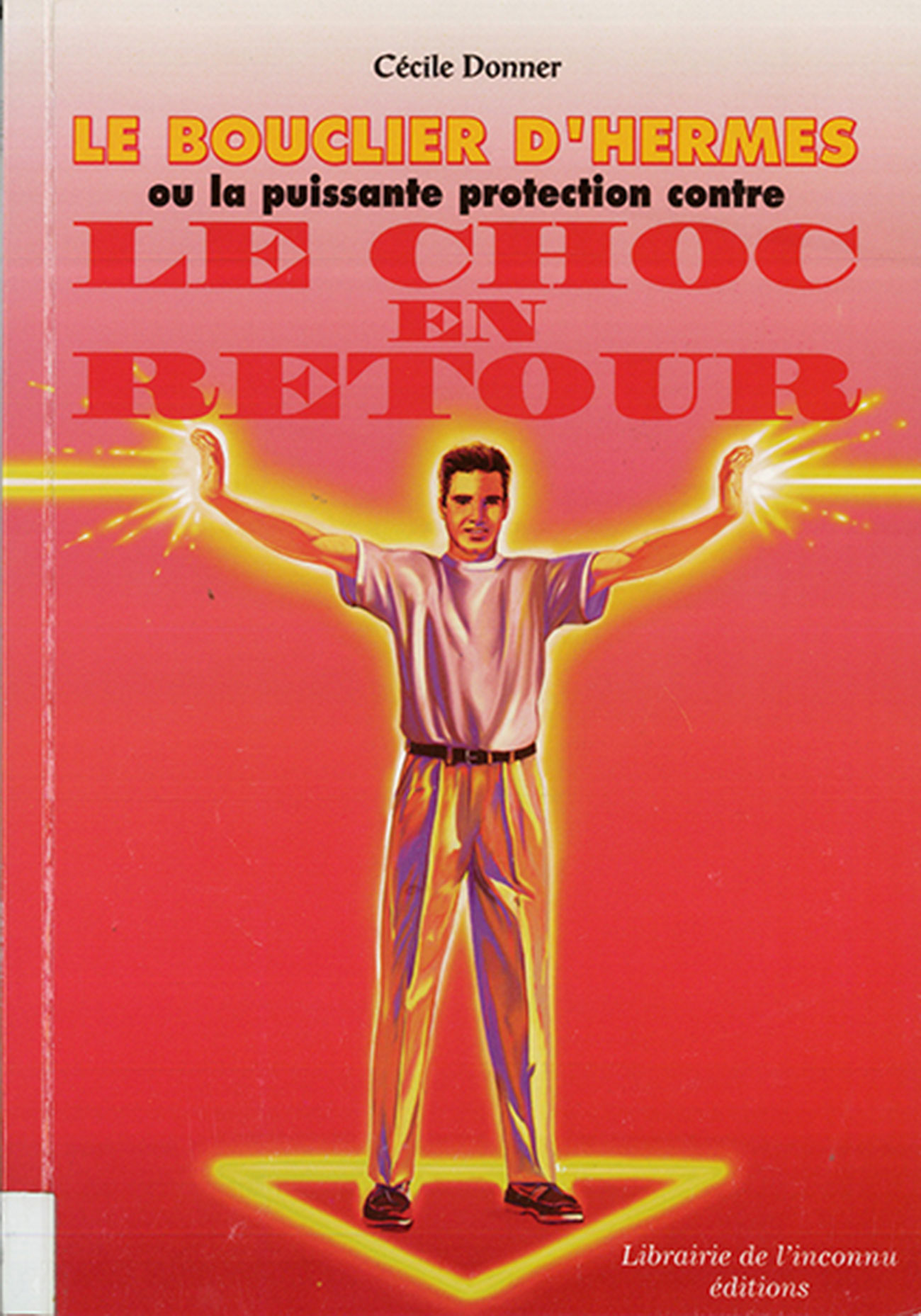
To combat the sorcerer’s evil spells, one must be stronger than he is: one must have enough strength of character to resist his attacks, reflect them back at him, and wear him down until he is defeated. Thus, the spellbreaker called to the rescue must often resort to the same unsavory methods as the sorcerer himself. He also recommends that his protégés use a whole array of magical tools, which must first neutralize the sorcerer’s attacks and serve as a shield against his spells, and then, more generally, bring prosperity and happiness. As in all magical practices, the effectiveness of this protection rests on the powers of matter, the symbolism of forms, and the authority of God and His helpers. While attachment to such talismans and amulets may seem irrational to a scientific mind, the choice of an amulet generally follows an undeniable logic.
Fighting Evil with Evil
One of the most widespread magical principles is the use of a malevolent object or an image of something harmful to protect oneself from it. This practice certainly amounts to acknowledging the power of one’s enemy. But at the same time, it amounts to turning one’s own strength against the enemy, and thus no longer fearing him. Thus, in the Arab-Muslim world, the blue eye is both an image of the “Evil Eye” (a reminder of the clear, cold gaze of the ancient Norman and Byzantine enemies) and a widespread amulet used to protect against it. The Turkish “nazar bonçuk” is thus hung above entrance doors, on the walls of houses, on babies’ clothing, on the interior rearview mirrors of vehicles, on horses, or on keychains. Traces of it can also be found in many amulets from the Balkan regions, which were long part of the Ottoman Empire.
Similarly, in the Christian world—and particularly in Italy—it is horns that, paradoxically, protect against witches and the most dangerous of all horned creatures: the devil. In Christian folk traditions, the devil is indeed often depicted with attributes borrowed from a goat. Surrounding oneself with horn-shaped amulets or even displaying a real pair of horns in one’s home is believed to ward off spells and misfortune. On the facade of the house or near the doors, a small mask of a grimacing devil—much like the image of Medusa on the pediments of ancient temples—is also meant to ward off evil from the home. Finally, Italians, clenching their fists while leaving the index and little fingers extended, make the gesture called iettatura—mimicking horns—to cast a curse as well as to block it and ward off misfortune. This symbol is found on all kinds of amulets—pendants, keychains, or ceramic tiles—used to protect homes.
Unraveling the Mystery of Our Origins
Many amulets are believed to possess protective powers because their material and shape are so unusual, so remarkable, and so rich in meaning that one cannot conceive of them as mere accidents of nature. In Italy, certain pendants made from polyp or sea urchin fossils were believed to protect children from the harm of witches.
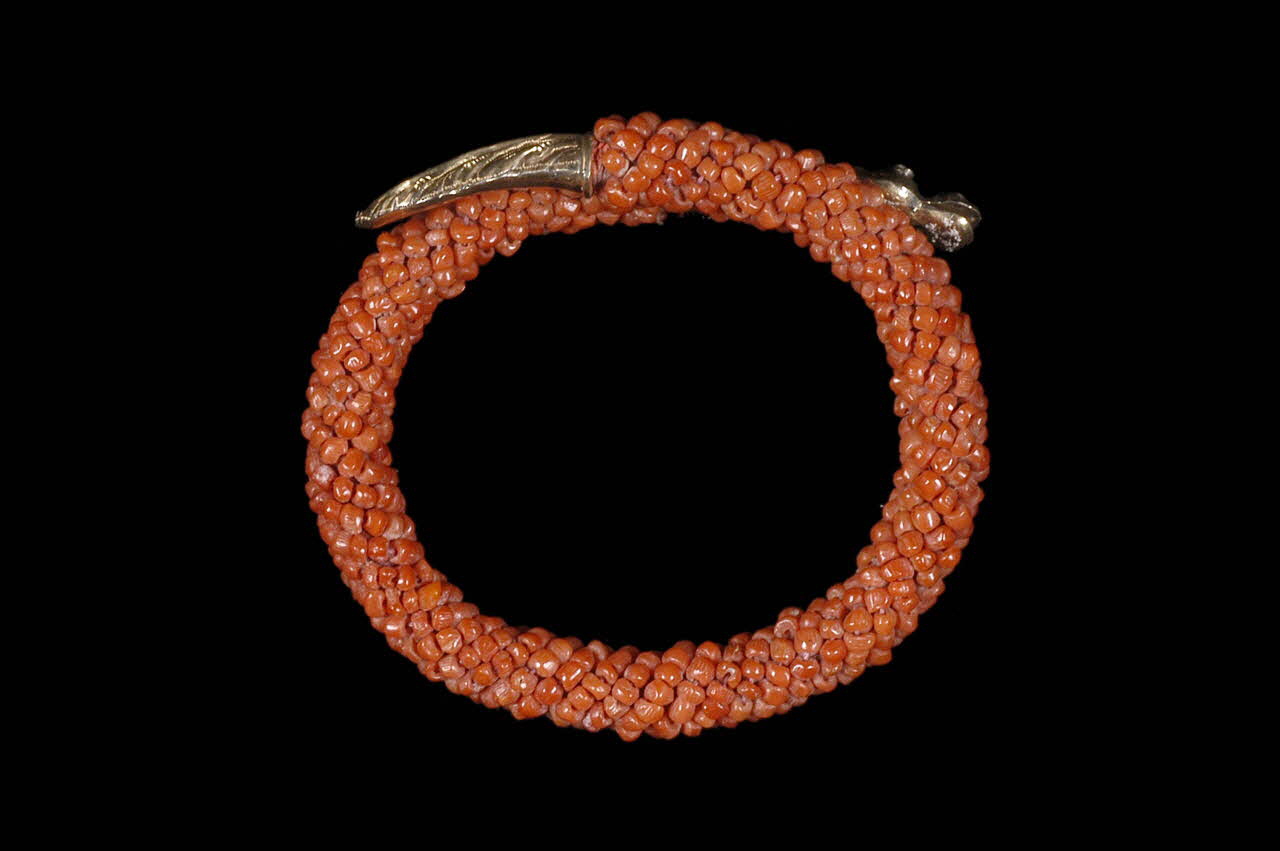
Similarly, throughout Europe and the Mediterranean, coral was believed to protect against evil. It fascinated people because of its hybrid nature—somewhere between mineral, plant, and animal—its marine and often exotic origin, and above all its red color, which evoked blood and fire. But as with other materials believed to have protective powers, such as amber or ivory, we sometimes find that the appearance and color of coral alone are enough to turn a plastic object into a genuine good-luck charm.
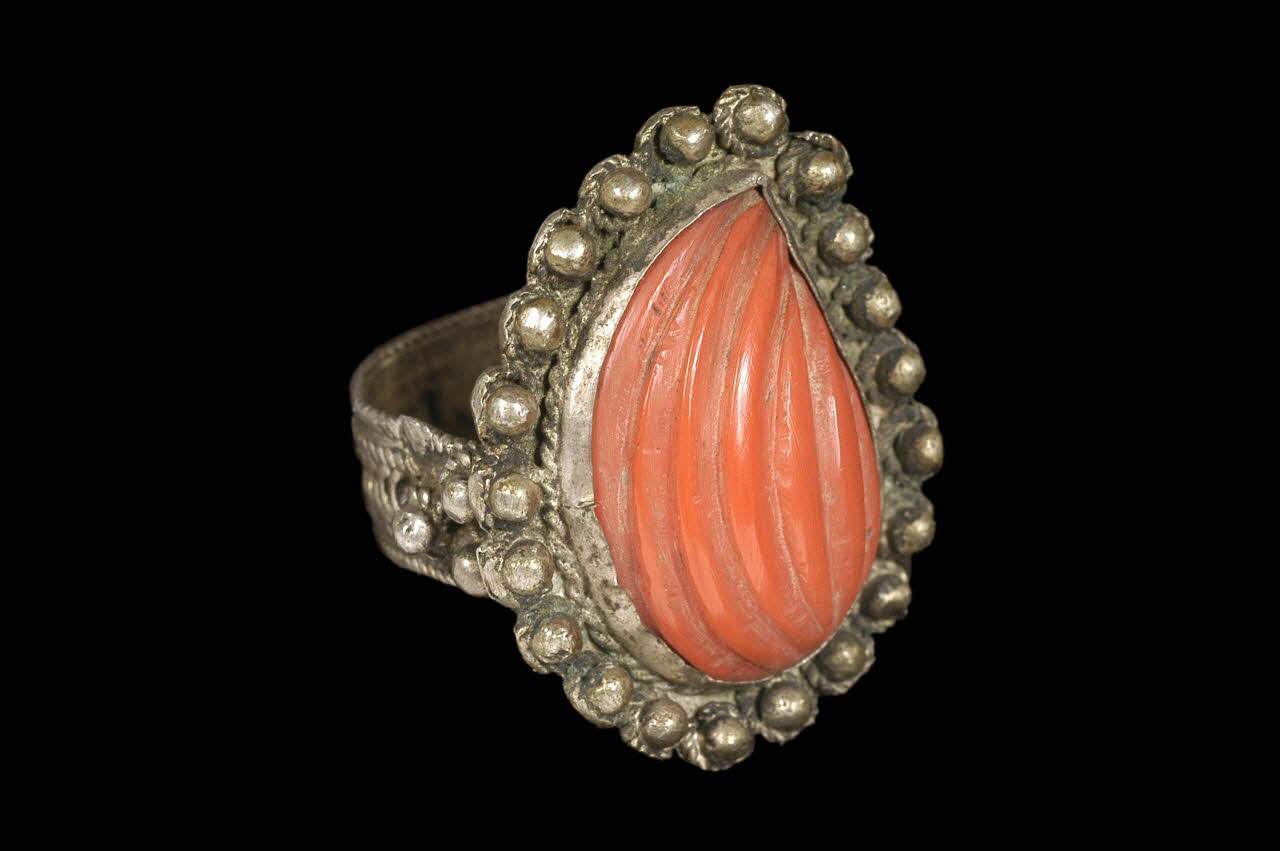
Stones whose strange shapes could only be explained by a literally extraterrestrial origin—and which were believed to have fallen from the heavens—were often thought to possess powers that protected against lightning, the most fearsome of all dangers from the sky. This is the case, for example, with pentacrine fossils (animals belonging to the same family as sea urchins and starfish), which have a five-pointed star shape and are found in large numbers in the Digne-les-Bains region. Prehistoric stone blades that were unearthed by chance during agricultural work also intrigued their discoverers before the advances in history and archaeology. In Italy, Corsica, or Brittany, for example, they were placed in the foundations, walls, or roofs of houses to protect them from lightning.
Clean House
To repair the damage caused by the sorcerer or to erect a magical barrier against his attacks, spellbreakers recommend certain materials with absorbent, drying, or cleansing properties. The purifying qualities of salt have been known since ancient times. It is highly advisable to always carry a few grains of coarse salt on your person to touch with your fingers in case you encounter someone you suspect of being able to cast a spell. Similarly, a few pinches of salt are scattered on door thresholds to prevent the person from entering a home, as well as in places where objects believed to be evil have been found. As a precaution, in Brittany, newborns—even before their baptism—were made to wear a small pouch containing an odd number of grains of sea salt, which was believed to guarantee them happiness and prosperity for the rest of their lives.
Charcoal is also a good form of protection: its porosity is said to allow it to absorb and trap all negative energy, while its dark color is ideal for fighting evil with evil. That is why a mirror, sent to the museum as a talisman, was stored for a long time in a box filled with charcoal, in order to reassure certain staff members who feared its evil powers.
Similarly, in the Catholic tradition, holy water is used as a preventive measure to ward off evil and even ensure the prosperity of whatever it touches: houses, gardens, plows, crops… But it is also used to purify what has been defiled by a curse, and exorcists may use large quantities of it in their fight against sorcerers. Water is, in fact, a nearly universal symbol of purity, and it is even more so when it carries a fragment of divine power.
To Win Over the Saints
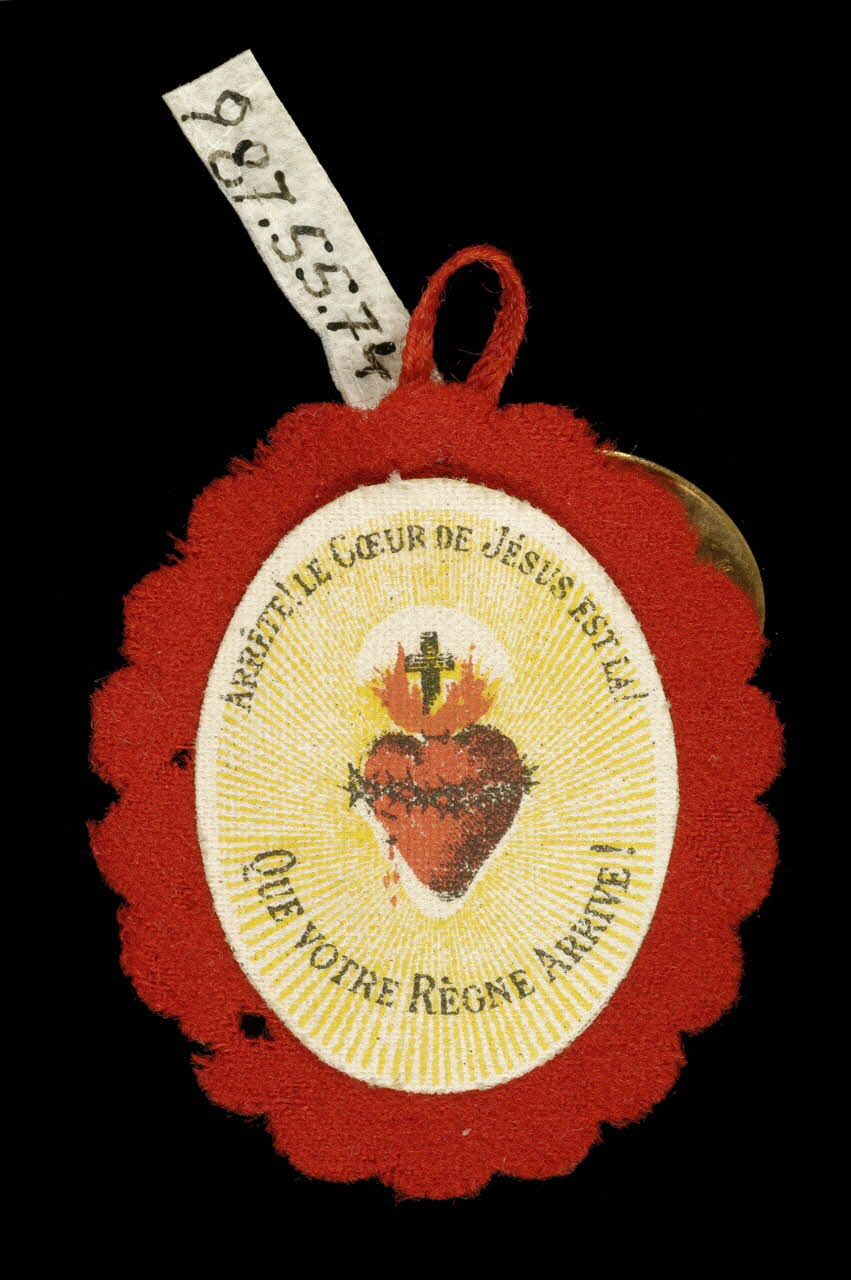
Many protective objects reinterpret symbols and practices originally proposed by religions to achieve a spiritual effect, but which in reality have a very concrete effect. In the Catholic world, these are primarily medals of saints and devotional images, which people are advised to carry with them at all times in case they encounter a sorcerer, or to hide within a building or field that needs protection. St. Benedict’s medals, in particular, are reputed to ward off sorcerers, especially when they bear inscriptions such as “Begone, Satan; never tempt me with vain things. What you pour out is evil; drink your own poisons.” They are all the more effective when combined with other objects believed to ward off evil spells, such as fabric scapulars dedicated to the Sacred Heart of Jesus, which can easily be sewn onto the lapel of a coat or inside a hat.
But regardless of the religions in Europe and the Mediterranean, the most widespread and widely regarded as the most reliable “protection” is prayer or a written invocation, sometimes accompanied by a devotional image. In addition to oral or mental pleas for protection addressed to a deity or saint, it is recommended to carry the text with you in a durable form, such as on jewelry, or on a piece of paper or parchment that has been folded or rolled up. These talismans, sometimes called “phylacteries” (from the Greek for “leaf”), are generally stored, protected, and concealed inside a fabric pouch carried on one’s person or a metal case integrated into a piece of jewelry.
When it comes to protective magic, such pouches or other containers are often used. The fact that these containers remain closed—a symbol of protection but also a source of mystery—can become just as important as their contents. People are therefore careful not to open them, for fear of nullifying their power—such as these “childbirth pouches” containing devotional images and protective prayers, carried from one childbirth to the next by women in labor, soiled and worn down to the very fabric, yet which are doubled up again and again rather than opened.
So, there is no shortage of defenses against attacks by witches, and the Mucem’s collections are well-stocked with both offensive and defensive magical weapons. And if you’re still worried, you can always use this spell to ward off witches, recorded in Ariège in 1972.
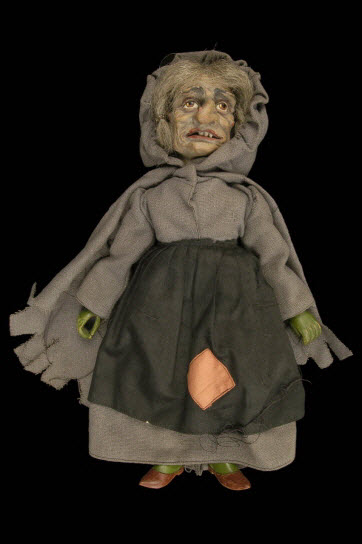
string puppet - witch 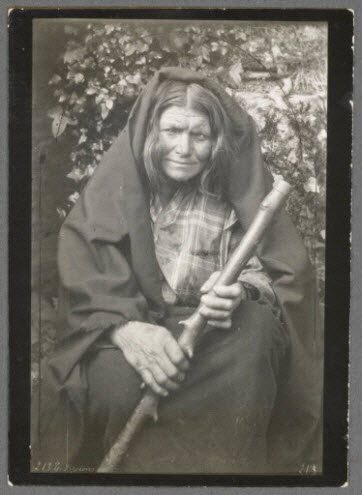
photograph - Naïa, the witch of the old castle 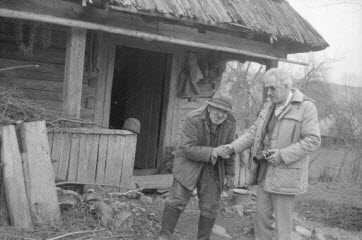
photography - Survey conducted by Jean Cuisenier in Romania (April 1991) 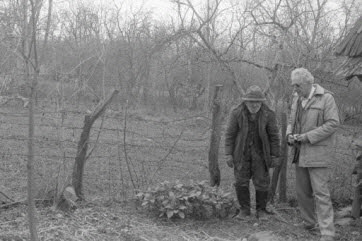
photography - Jean Cuisenier and the Sorcerer 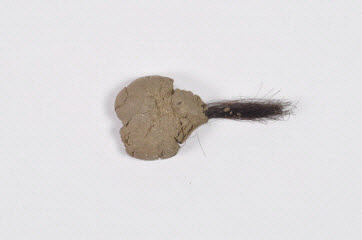
object used for casting a spell Spell-casting doll, Paris, 1900, © Mucem 1901.1.202 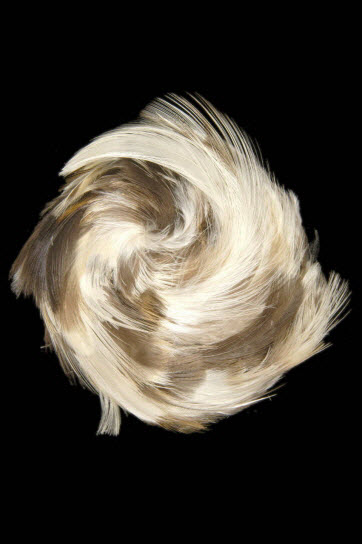
object used for casting a spell - charm 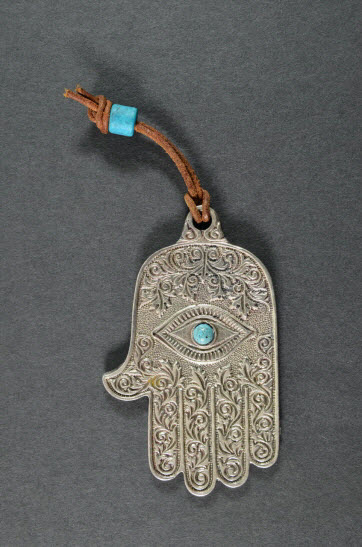
pendant - khamsâ 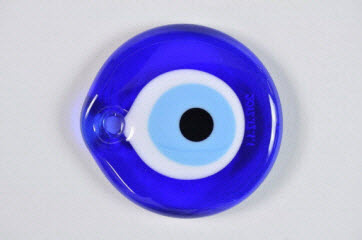
amulett - Blue Eye 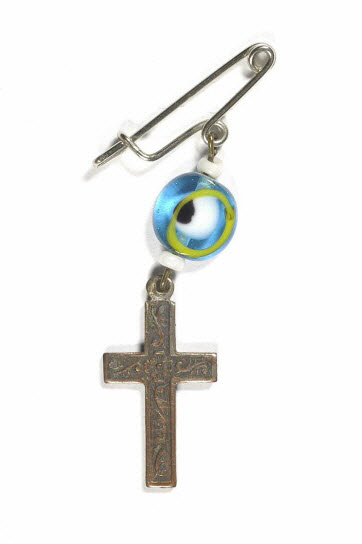
amulet 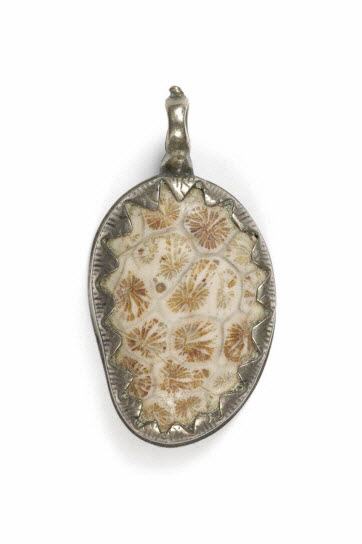
amulet 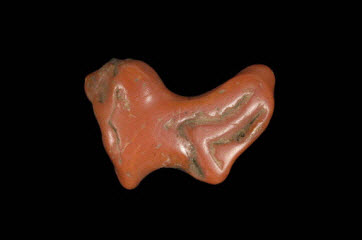
PIECE OF CORAL St. Margaret's bracelet to protect children, Seine-et-Marne, circa 1865, Mucem 1966.109.4 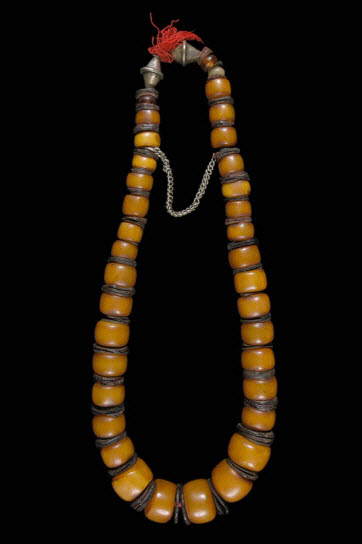
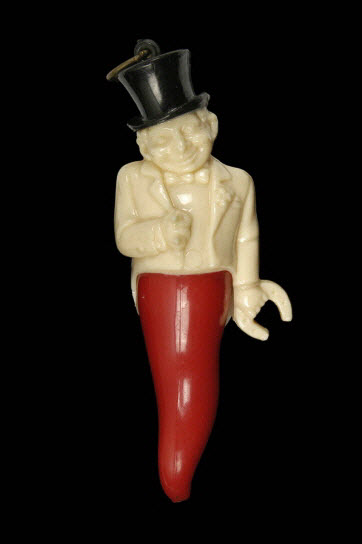
amulet 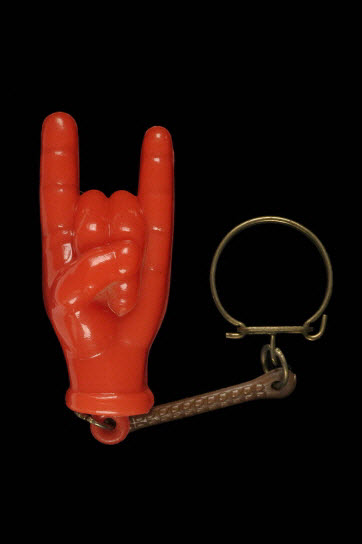
key chain 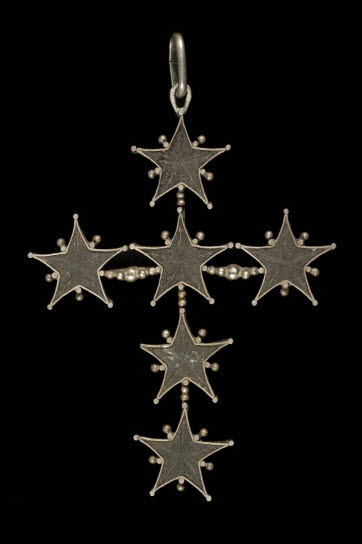
cross pendant 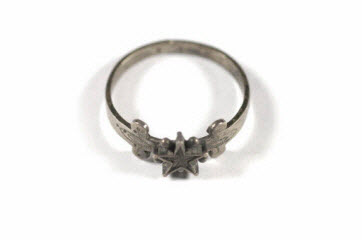
ring 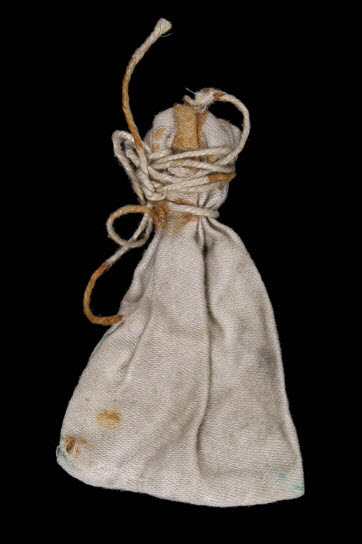
bag of salt grains 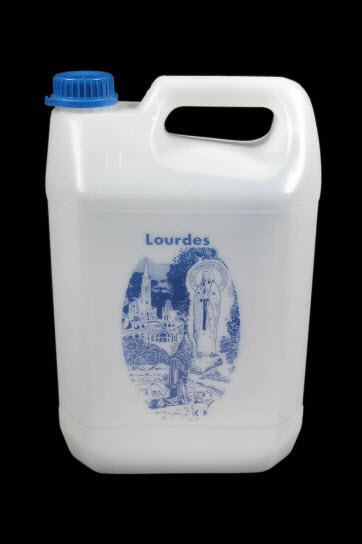
can - holy water can 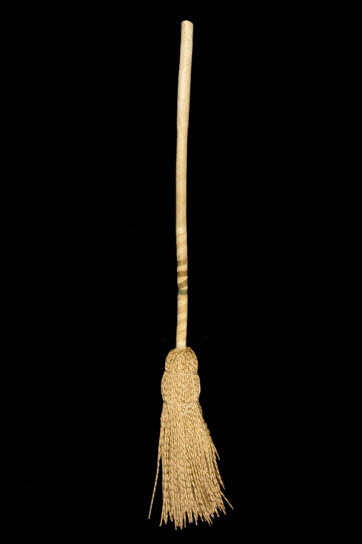
a cork used in the Catholic Church 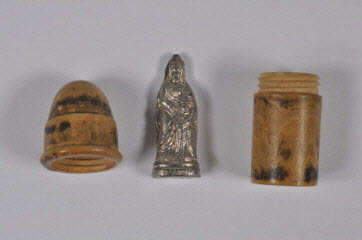
pocket oratory 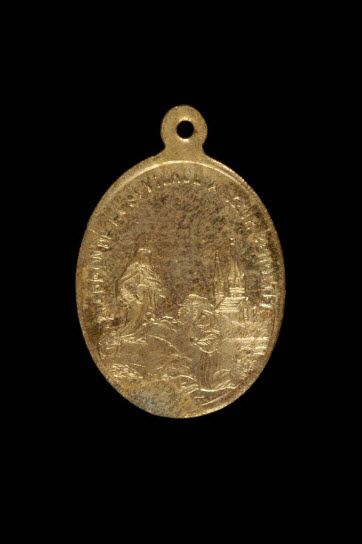
devotional medal Scalpel of the Sacred Heart paired with a medal of Saint Benedict, France, 20th century 1987.55.74 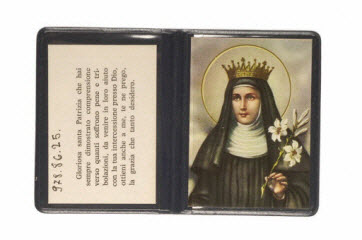
pious pretense 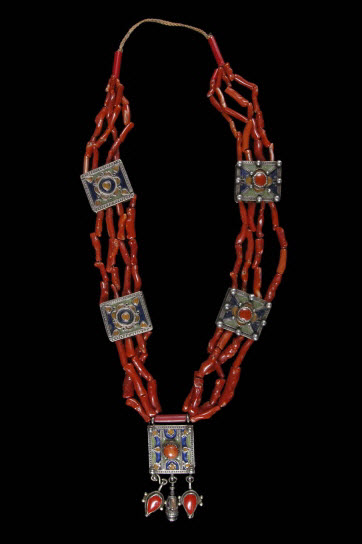
necklace 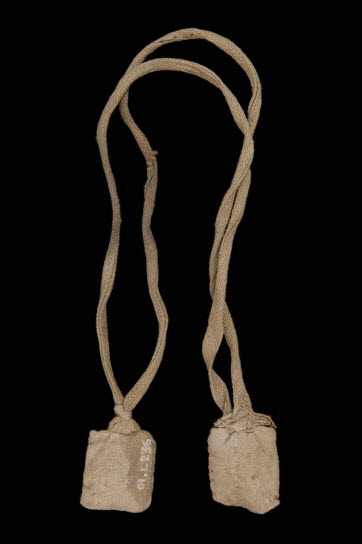
amulet 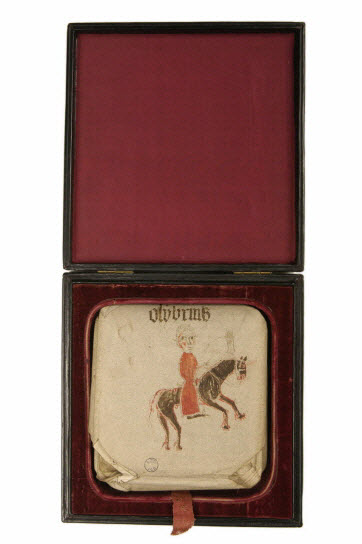
amulet - brief
Discover more features
Immerse yourself in the vastness of the Mucem’s collections and follow the surprising themes imagined by our curators. Discoveries and a change of scenery guaranteed!
 Discover
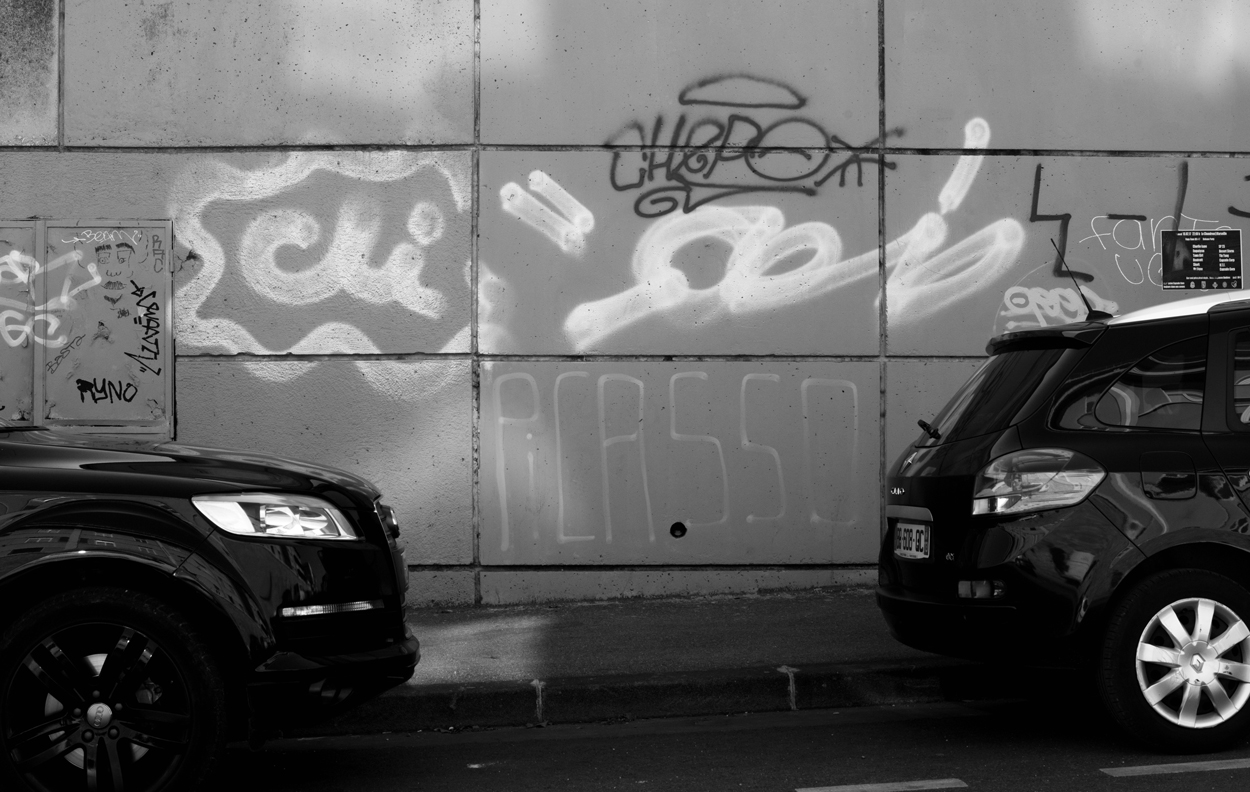
Tagging and Graffiti: “Illegal Art” at the Museum
Between 2001 and 2006, Claire Calogirou, a research associate, conducted several field surveys on the topics of hip-hop, dance, tagging, and graffiti. As for graffiti, 958 items were added to the Mucem inventory, representing an impressive collection of graffitied signs, posters, stickers, markers, spray paint cans, magazines, sketches, photographs, videos, and more. This rich body of research offers insights into social relations in urban settings, the issue of the appropriation of public space, and its reclamation through practices rooted in street culture. Discover
Soccer & Identities
A Mediterranean Survey and Data Collection Project
The “Football & Identities” survey and data collection project represents three years of research, conducted from 2014 to 2016, in 10 countries in the Mediterranean region: Algeria, Bosnia and Herzegovina, Spain, France, Israel, Italy, Morocco, Palestine, Tunisia, and Turkey.
Four humanities researchers—Christian Bromberger, Abderrahim Bourkia, Sébastien Louis, and Ljiljana Zeljkovic—sometimes accompanied by a curator —Florent Molle—and photographers—Giovanni Ambrosio and Yves Inchiermann—collected more than 400 objects, approximately 3,000 photographs, and over 6 hours of video footage. Upon their return from the field and after review, the collected objects and photographs will be presented to the Mucem’s acquisitions committees to determine whether they will be added to the public collections and made available to the public.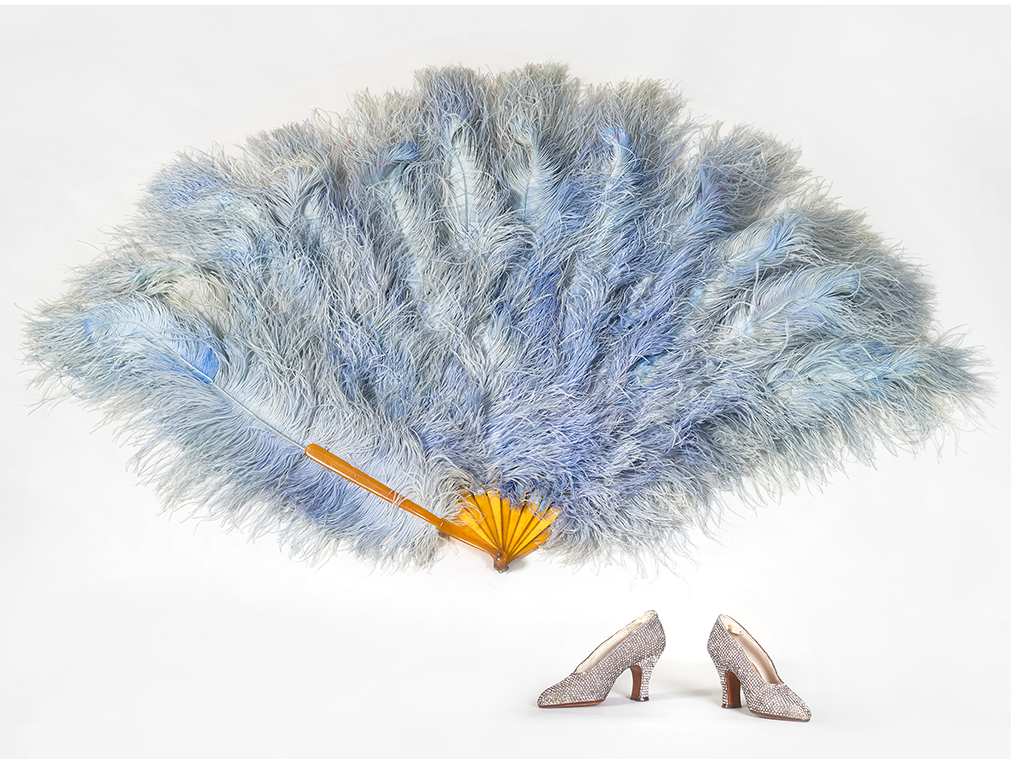 Discover
Celebrity!
Cult Objects and the Star System in the Mucem Collections
A dress, a console table, a belt buckle, a soccer jersey, a pair of shoes, a swimsuit, a radio: here is a list of simple everyday objects that bear witness to their era. This list would have a very different impact if we added the names of the people to whom they belonged: Edith Piaf’s dress, Pink Floyd’s mixing console, Saint Vincent Palotti’s belt buckle, Cristiano Ronaldo’s soccer jersey, Mistinguett’s shoes, Miss France’s swimsuit, Psykose’s “cataposte.” From being mundane, these objects take on power, sparkling with the glamour of fame. They become desirable and “magical.” But these relics come at a price that is, too, far from trivial…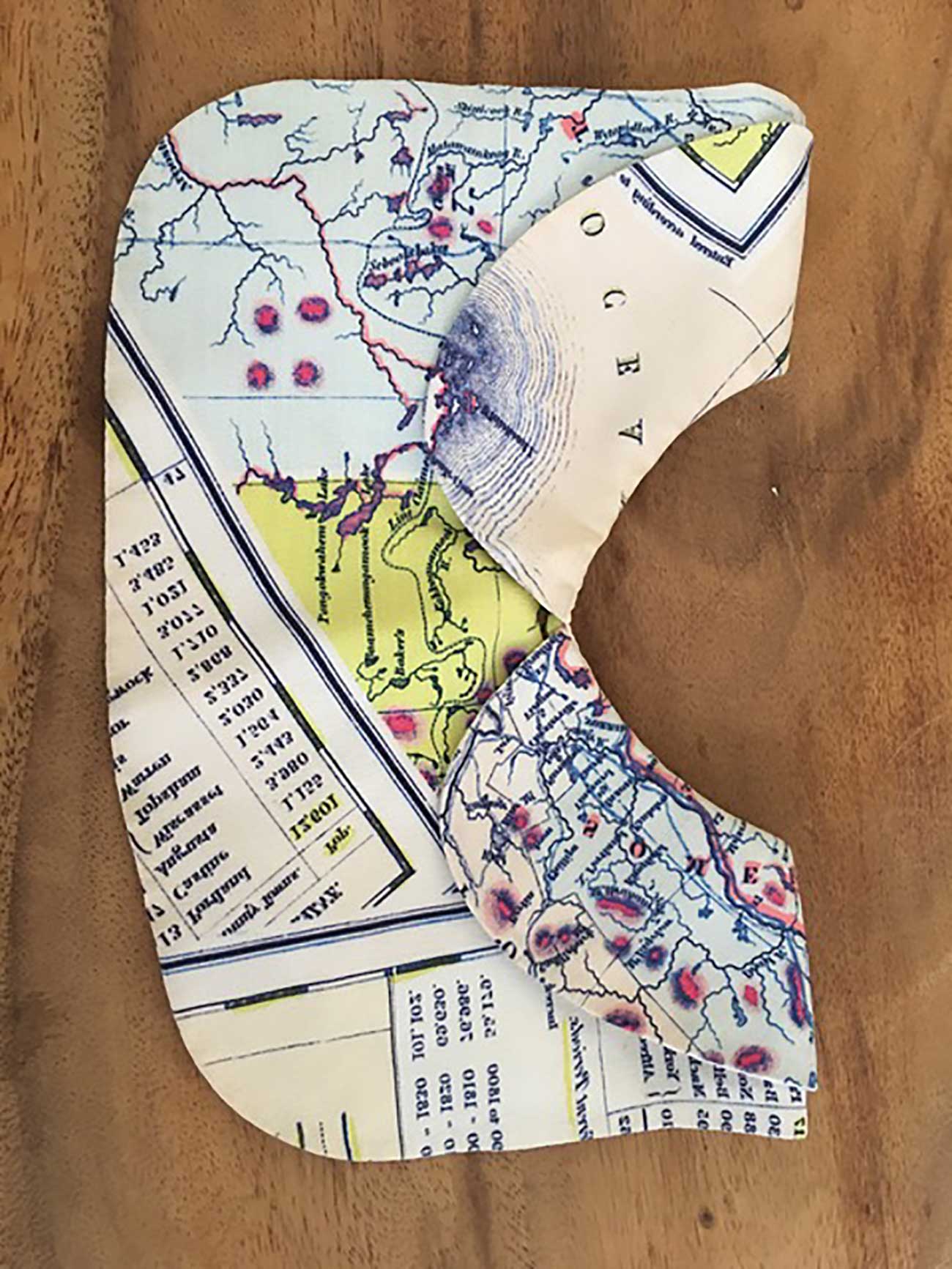 Discover
"Life During Lockdown," the collection
In April 2020, the Mucem launched a major participatory project focused on our lives during lockdown. Many of you took part.
The Mucem has received more than 600 proposals, which are still being reviewed, and some of which will be added to its collections once the review process is complete. A digital booklet lists all the proposals collected through this call for submissions, and here are a few examples: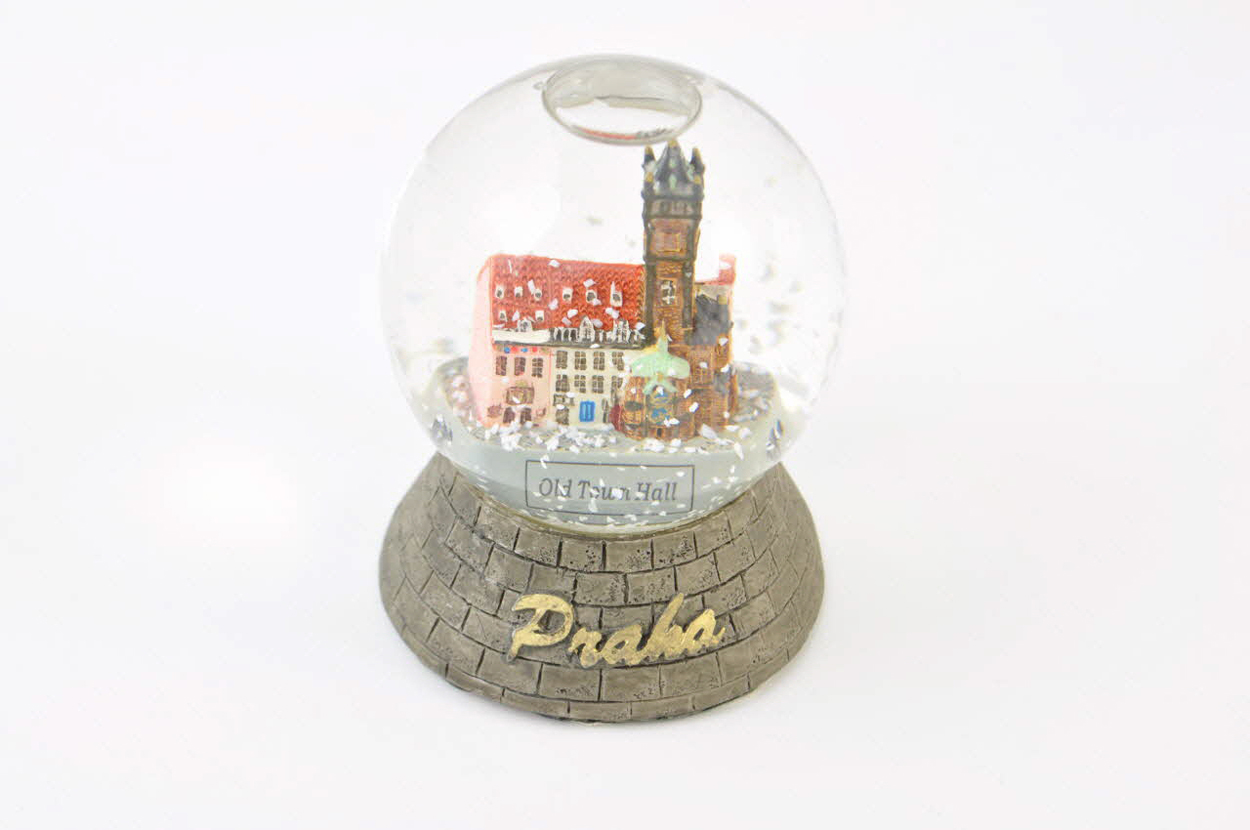 Discover
A Whimsical Alphabet Book!
What are these objects doing at the Mucem?
As its name suggests, the Mucem is a museum of civilizations. In other words, it focuses on everything produced and used by European and Mediterranean societies, from the dawn of humanity to the present day. In the museum’s view, a funerary sculpture from Ancient Egypt speaks just as much about the ritual practices surrounding death during the reign of the pharaohs as a wreath of glass-bead flowers reflects the attachment to the deceased in France during the first half of the 20th century.
Every object, no matter how humble or kitschy, thus bears witness to the society from which it originated. That is why, since its founding, the museum has made it its mission to seek out and preserve a wide variety of possible and imaginable artifacts in order to preserve their memory. In particular, it has worked systematically by organizing annual collection surveys. For a given theme, within a defined geographic area, Mucem researchers gather testimonies, images, and objects. This is how the artifacts below found their way into the national collections.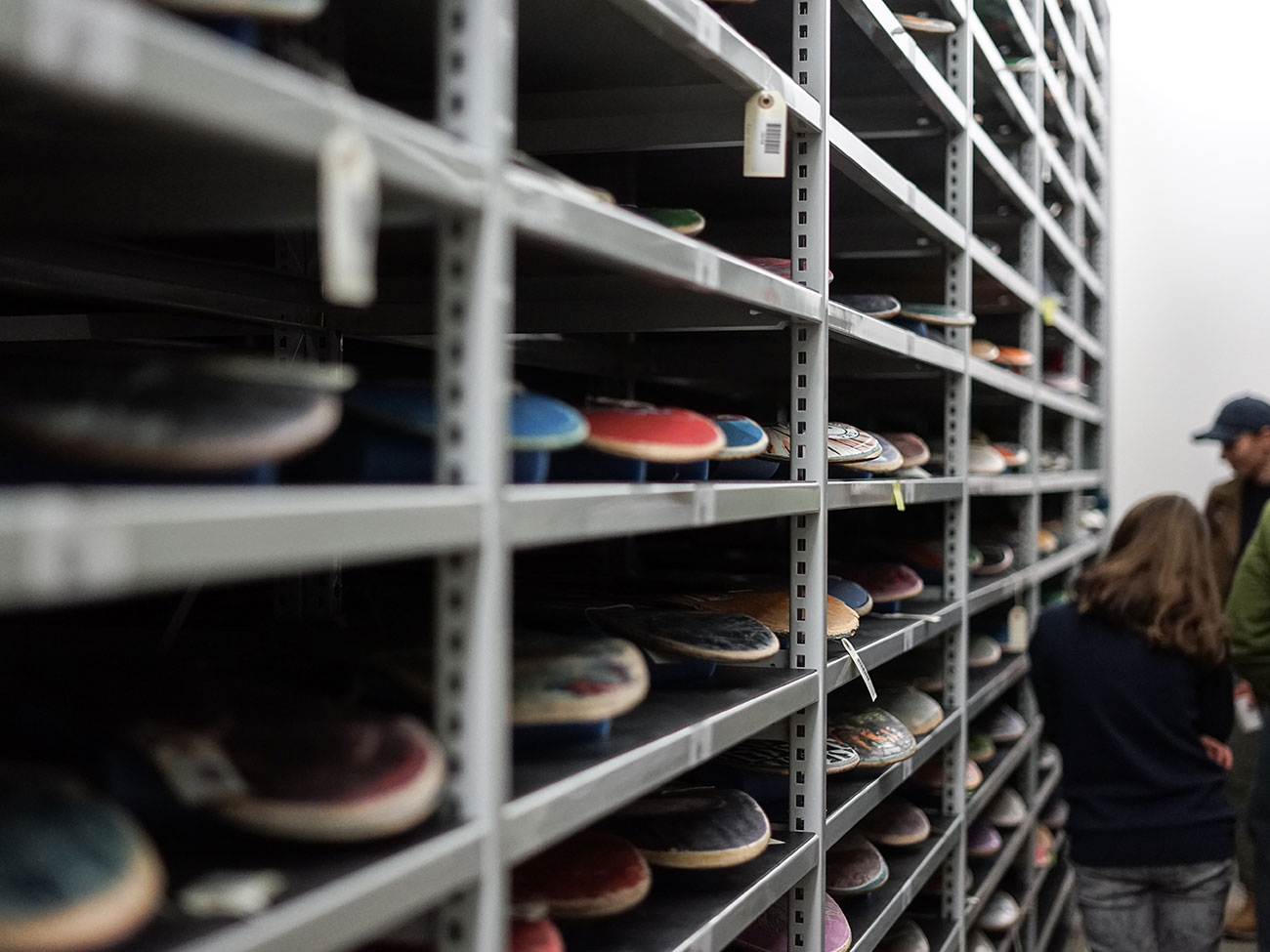 Discover
From California's Beaches to the Mucem: Skateboarding Culture at the Museum
José de Matos, Tony Hawk, Mark Gonzales… these names, which resonate with anyone who has ever skated, belong to legendary skateboarders whose legacies are represented in various forms in the Mucem’s collections. Some of them have donated skateboards, equipment, or memorabilia to the museum, while others are represented through skateboards bearing their names.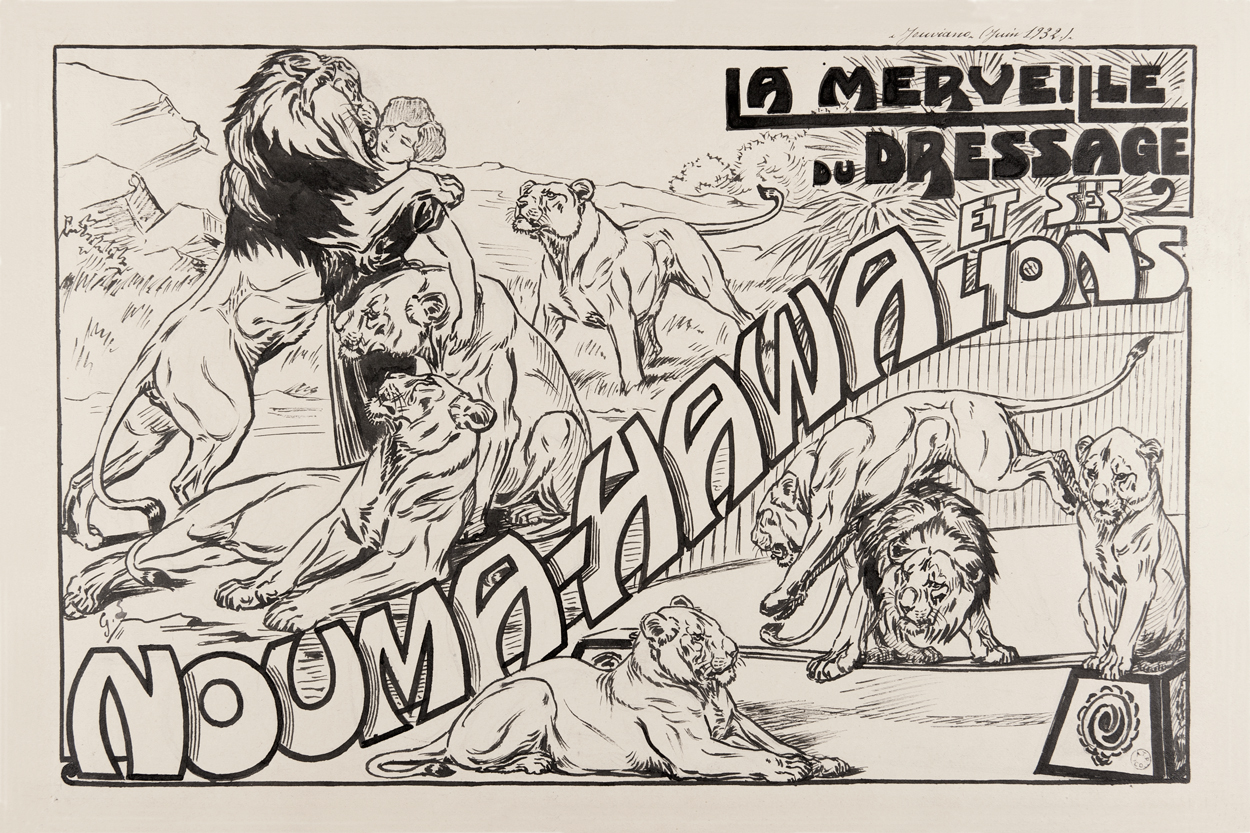 Discover
Draw Me a Lion
Gustave Soury's Animal Art
Gustave Soury (1844–1966) was an illustrator, painter, poster artist, and advertising artist who specialized in animal art for circuses and fairground menageries.
His vast and meticulous body of work, dominated by the figure of the big cats, reflects not only his passion but also our urban society’s fascination with exotic animals, their frightening wildness, and their endearing tenderness.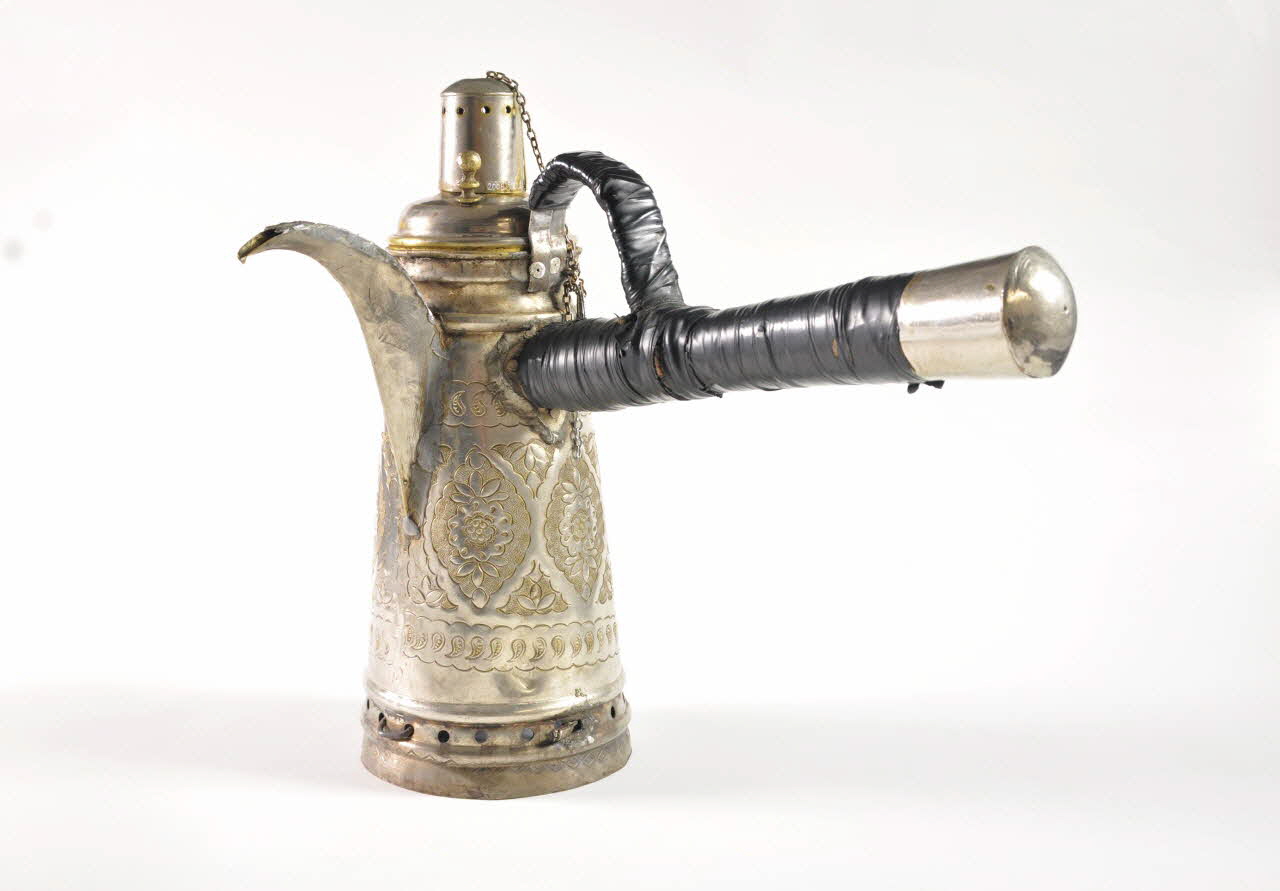 Discover
Coffee
Coffee (qahwa in Arabic, a term also used to refer to wine) reached us via the Arab and Ottoman worlds. From the highlands of Abyssinia, where coffee cultivation is documented as early as the 12th century, coffee crossed the Red Sea to be first cultivated along the coast of “Happy Arabia” (present-day Yemen) and then in the tropical climates of the territories of the great colonial empires beginning in the 17th century. Called the “devil’s drink” because of the black color of its grounds—in which people believed they could read the future—coffee was at times discredited by doctors for its harmful effects on health (it was considered an unnatural and addictive beverage).
Today, coffee is the second most widely consumed beverage in the world after water, but it still competes with tea.
The Mucem’s extensive collections related to coffee illustrate the various ways this beverage has been prepared and consumed since the 18th century, both at home and in public spaces. They also highlight how cafés have become places of social interaction.