Moderator: François Saltiel
With David Chavalarias (mathematician and writer) and Valérie Masson-Delmotte (climatologist, research director at CEA)
With the participation of Enguerrand Lascols, heritage curator, head of the Domestic Life department at Mucem.
Withdrawal of funding, redundancies, censorship of data: in the United States, certain areas of research and science are in such peril that they are referred to as an “anti-science crusade”. At the same time, conspiracy theories and fake news are fuelling mistrust of proven scientific truths.
Faced with the danger of new obscurantisms and threats to scientific independence, how should we react?
After the meeting, appointment at the Bookshop table-shop from Mucem for a signing session.
Biographies
François Saltiel - journalist, author, teacher, producer
François Saltiel is a journalist, author, teacher and producer. Every morning on France Culture, he deciphers digital issues in his column
A Connected World , “La Fabrique de l’information “, analyzing major media narratives and how opinion is shaped. Previously, he produced the program Le Meilleur des mondes for three seasons.A television journalist (28 minutes on Arte, C Médiatique on France 5), he is also co-founder of the production company Art2voir, which develops documentaries, podcasts and fiction. Since 2005, he has taught journalism and audiovisual production at Sorbonne Nouvelle and IFP Paris 2.
In 2018, he published his first essay with Flammarion, Le Vendeur de thé qui changea le monde avec un hashtag, followed in 2020 by La Société du sans contact, selfie d’un monde en chute, and in August 2025, Faire la paix avec nos écrans with Virginie Sassoon, also with Flammarion.
David Chavalarias - mathematician, writer and CNRS research director
David Chavalarias is a mathematician, writer and CNRS research director (EHESS/CAMS & ISC-PIF). His research focuses on social and cognitive dynamics, in particular using large-scale web data analysis. Since 2016, he has been developing tools for analyzing social networks, notably Twitter-X, to measure their impact on digital societies and democracies. He has published the highly acclaimed
Toxic Data (Flammarion, 2022), which analyzes, with supporting graphics, how social networks can be used to manipulate opinions. And more recently, Elon Musk en 50 tweet (Seuil, June 2025).Valérie Masson-Delmotte - Paleoclimatologist and CNRS researcher
Valérie Masson-Delmotte, a world-renowned paleoclimatologist and CNRS researcher at CEA-Saclay’s Laboratoire des sciences du climat et de l’environnement, co-chaired Panel 1 of the Intergovernmental Panel on Climate Change (IPCC) from 2013 to 2023. In 2022, she was named one of Time magazine’s 100 most influential people. Her work focuses on climate variability, the study of past climate variations (through the reconstruction of past climate changes, using polar ice and tree rings) and their impact on future climate. Throughout her career, she has become aware of the need to commit to the democratization and appropriation of scientific knowledge concerning climate change, and the levers of action that can be used to limit the risks.
Moderator: François Saltiel
With David Chavalarias (mathematician and writer) and Valérie Masson-Delmotte (climatologist, research director at CEA)
With the participation of Enguerrand Lascols, heritage curator, head of the Domestic Life department at Mucem.
Withdrawal of funding, redundancies, censorship of data: in the United States, certain areas of research and science are in such peril that they are referred to as an “anti-science crusade”. At the same time, conspiracy theories and fake news are fuelling mistrust of proven scientific truths.
Faced with the danger of new obscurantisms and threats to scientific independence, how should we react?
After the meeting, appointment at the Bookshop table-shop from Mucem for a signing session.
Biographies
François Saltiel - journalist, author, teacher, producer
François Saltiel is a journalist, author, teacher and producer. Every morning on France Culture, he deciphers digital issues in his column
A Connected World , “La Fabrique de l’information “, analyzing major media narratives and how opinion is shaped. Previously, he produced the program Le Meilleur des mondes for three seasons.A television journalist (28 minutes on Arte, C Médiatique on France 5), he is also co-founder of the production company Art2voir, which develops documentaries, podcasts and fiction. Since 2005, he has taught journalism and audiovisual production at Sorbonne Nouvelle and IFP Paris 2.
In 2018, he published his first essay with Flammarion, Le Vendeur de thé qui changea le monde avec un hashtag, followed in 2020 by La Société du sans contact, selfie d’un monde en chute, and in August 2025, Faire la paix avec nos écrans with Virginie Sassoon, also with Flammarion.
David Chavalarias - mathematician, writer and CNRS research director
David Chavalarias is a mathematician, writer and CNRS research director (EHESS/CAMS & ISC-PIF). His research focuses on social and cognitive dynamics, in particular using large-scale web data analysis. Since 2016, he has been developing tools for analyzing social networks, notably Twitter-X, to measure their impact on digital societies and democracies. He has published the highly acclaimed
Toxic Data (Flammarion, 2022), which analyzes, with supporting graphics, how social networks can be used to manipulate opinions. And more recently, Elon Musk en 50 tweet (Seuil, June 2025).Valérie Masson-Delmotte - Paleoclimatologist and CNRS researcher
Valérie Masson-Delmotte, a world-renowned paleoclimatologist and CNRS researcher at CEA-Saclay’s Laboratoire des sciences du climat et de l’environnement, co-chaired Panel 1 of the Intergovernmental Panel on Climate Change (IPCC) from 2013 to 2023. In 2022, she was named one of Time magazine’s 100 most influential people. Her work focuses on climate variability, the study of past climate variations (through the reconstruction of past climate changes, using polar ice and tree rings) and their impact on future climate. Throughout her career, she has become aware of the need to commit to the democratization and appropriation of scientific knowledge concerning climate change, and the levers of action that can be used to limit the risks.
Related activities or events
View full agenda- Free of charge
The Inquiry Commission
Les procès du siècle - Which way to the future?
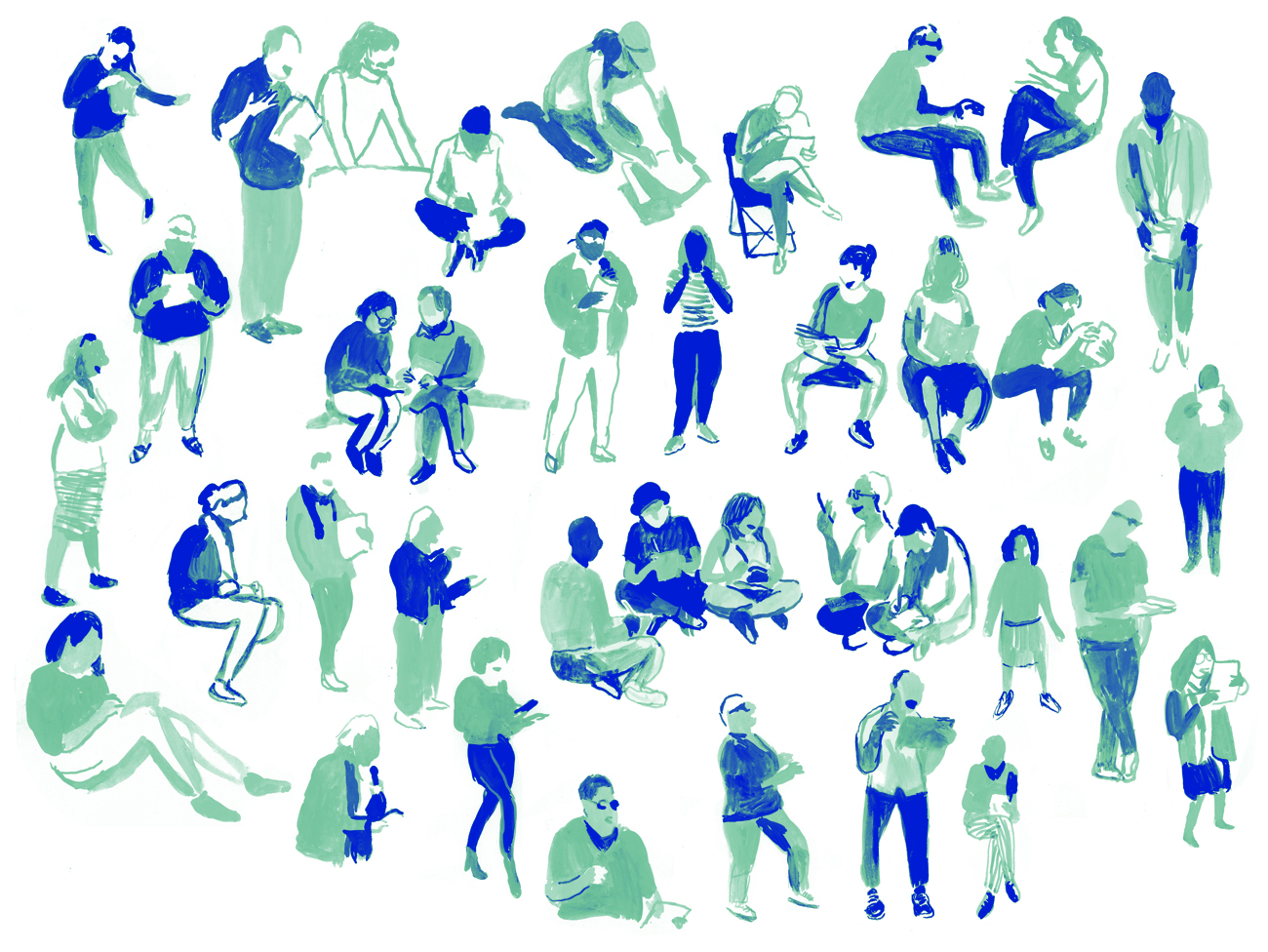
The Commission of Inquiry is a workshop for reflection and discussion open to all, during which participants play at thinking, putting points of view into dialogue and embodying different experiences.
For half a day, participants take up the subject of the next Trial of the Century and learn together how to develop arguments and testimonies, some of which can be put on the stand and debated at the next Trial of the Century. Between the art of persuasion and theater, the Commission of Inquiry brings a civil counterpoint to debates, because the issues of our world are everyone’s business. A proposal led, depending on the dates, by Grégoire Ingold (director) and Fabienne Jullien (actress)...From Saturday, Nov 15, 2025
to Saturday, Mar 14, 2026at 14h
Fort Saint-Jean / MucemLab
- Free of charge
Does this world drive you crazy?
Les Procès du siècle - Which way to the future?
Moderator: Paloma Moritz With Mathieu Bellahsen (psychiatrist and author, whistleblower) and Nelly Pons (author)
With the participation of Anna Millers, heritage curator in charge of the Techniques, practices and narratives of the body section at Mucem. Mega-fires, floods, cyclones, droughts. Populism, wars, terrorist attacks. Burn-out, depression, addiction, eco-anxiety. The news of our world resonates painfully. What about the links between an exhausted world, under stress, and our mental health? How do we maintain them? How can we resist and feel well in a world that is faltering and exhausted? ...On Monday, Nov 17, 2025
at 19h
J4 / Auditorium
- Free of charge
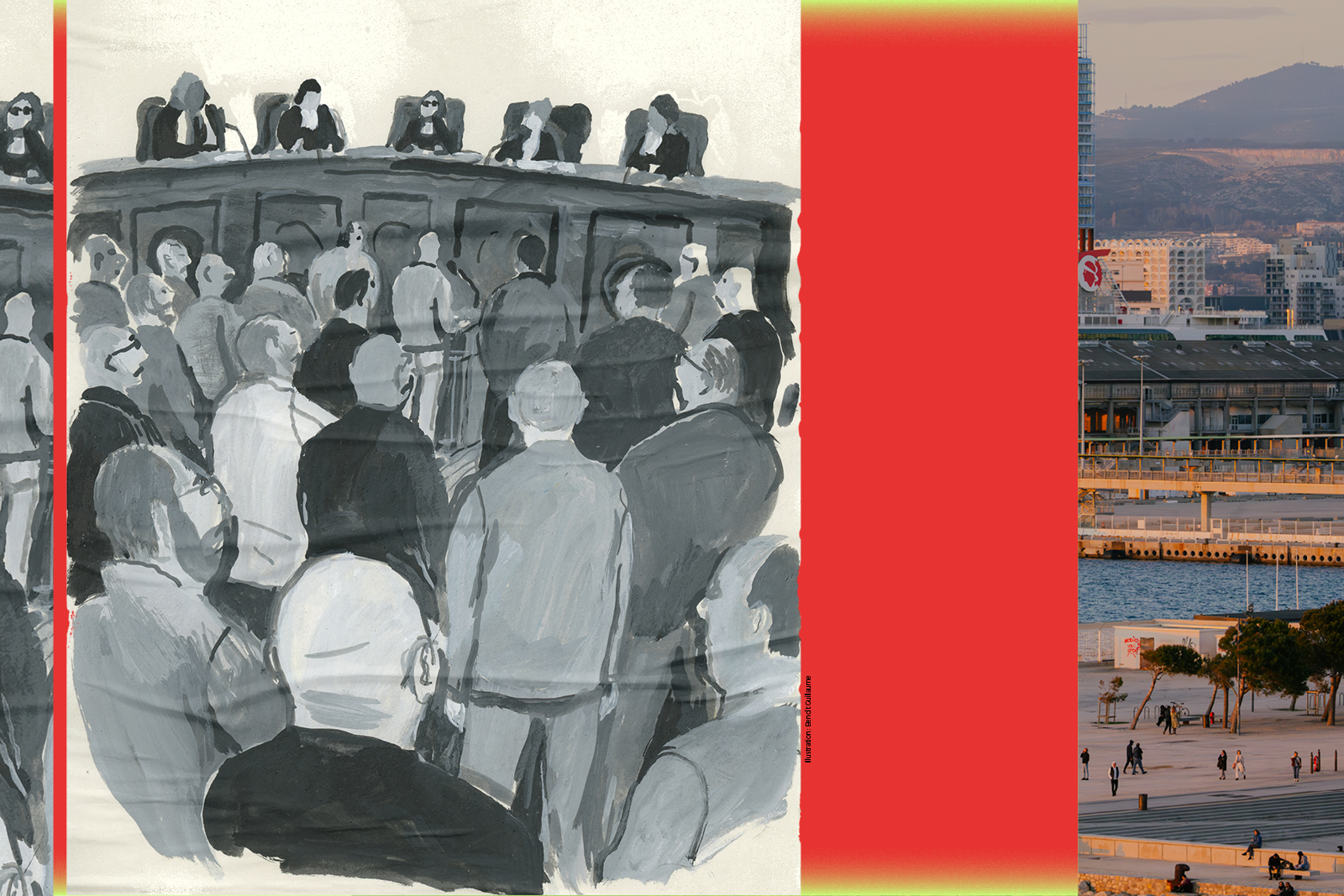
Are all men guilty?
Les Procès du siècle - Which way to the future?
Moderator: Rokhaya Diallo With Giulia Foïs (journalist) and Corentin Legras (doctoral student in anthropology)
With the participation of Caroline Chenu, in charge of research and collections at Mucem. “Not all men”? And yet. There are a great many of them, and they bear a striking resemblance to the men we are and those around us. This is what the Mazan trial, among others, has brought to light, and the many debates it has raised about society’s collective responsibility. So, how can we continue to fight against this dynamic of violence which seems to be a system in our patriarchal...On Monday, Nov 24, 2025
at 19h
J4 / Auditorium
- Free of charge
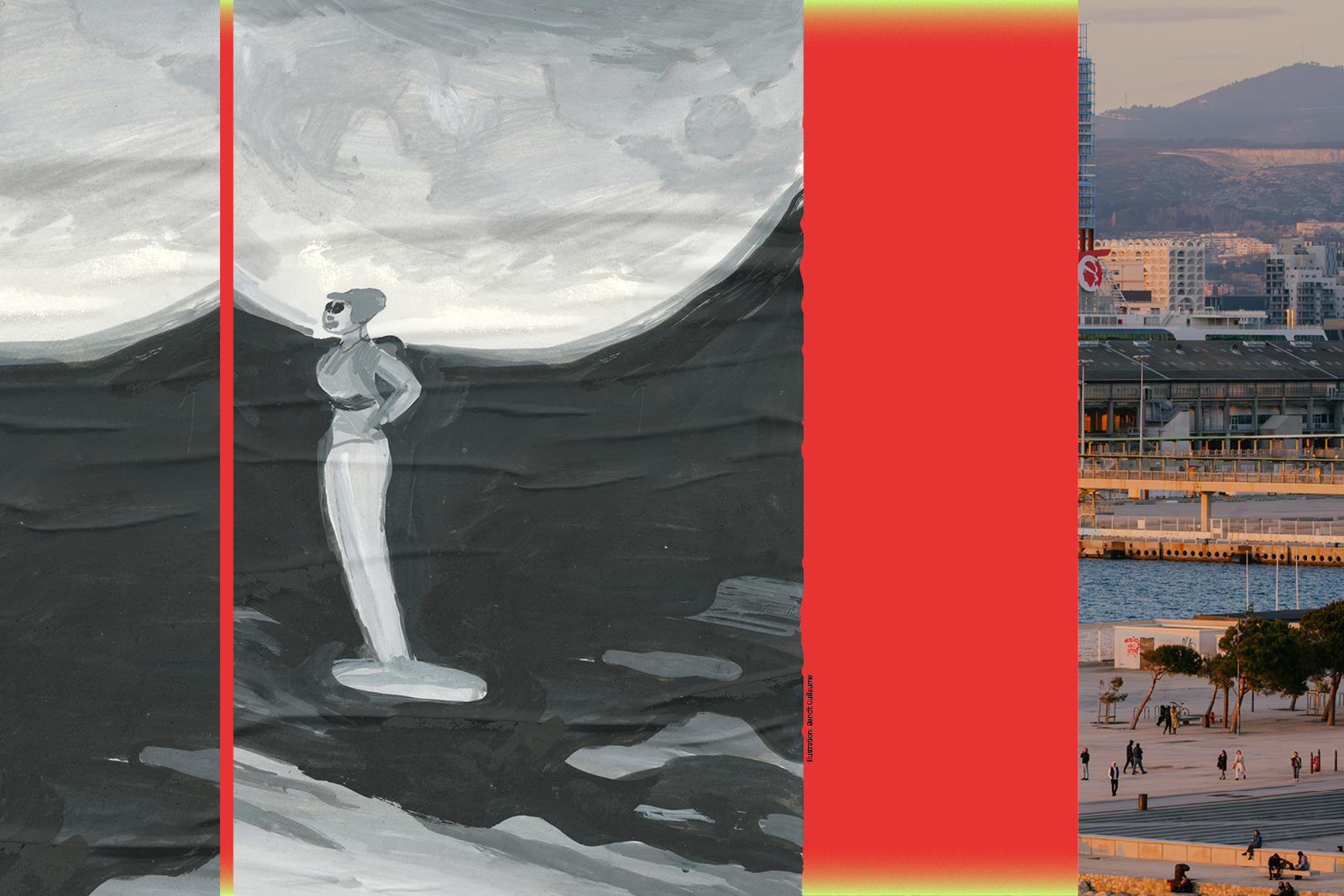
Welcome to science fiction
Les Procès du siècle - Which way to the future?
Moderator: François Saltiel With Catherine Dufour (computer scientist and writer) and Yannick Rumpala (lecturer in political science at Université Nice Côte d'Azur)
With the participation of Elise Vanriest-Dabek, heritage curator, head of the Collections and Documentary Resources Department at Mucem. Dystopia, devastated planet, search for planet B, societies under generalized surveillance. Green utopia, women in power, self-management, sobriety. Science-fiction stories feed our imaginations and help us to project ourselves. Prophecy, outlet or cry of alarm? Catastrophism or optimism? What science fiction do we need today to envision tomorrow? After...On Monday, Dec 1, 2025
at 19h
J4 / Auditorium
- Free of charge
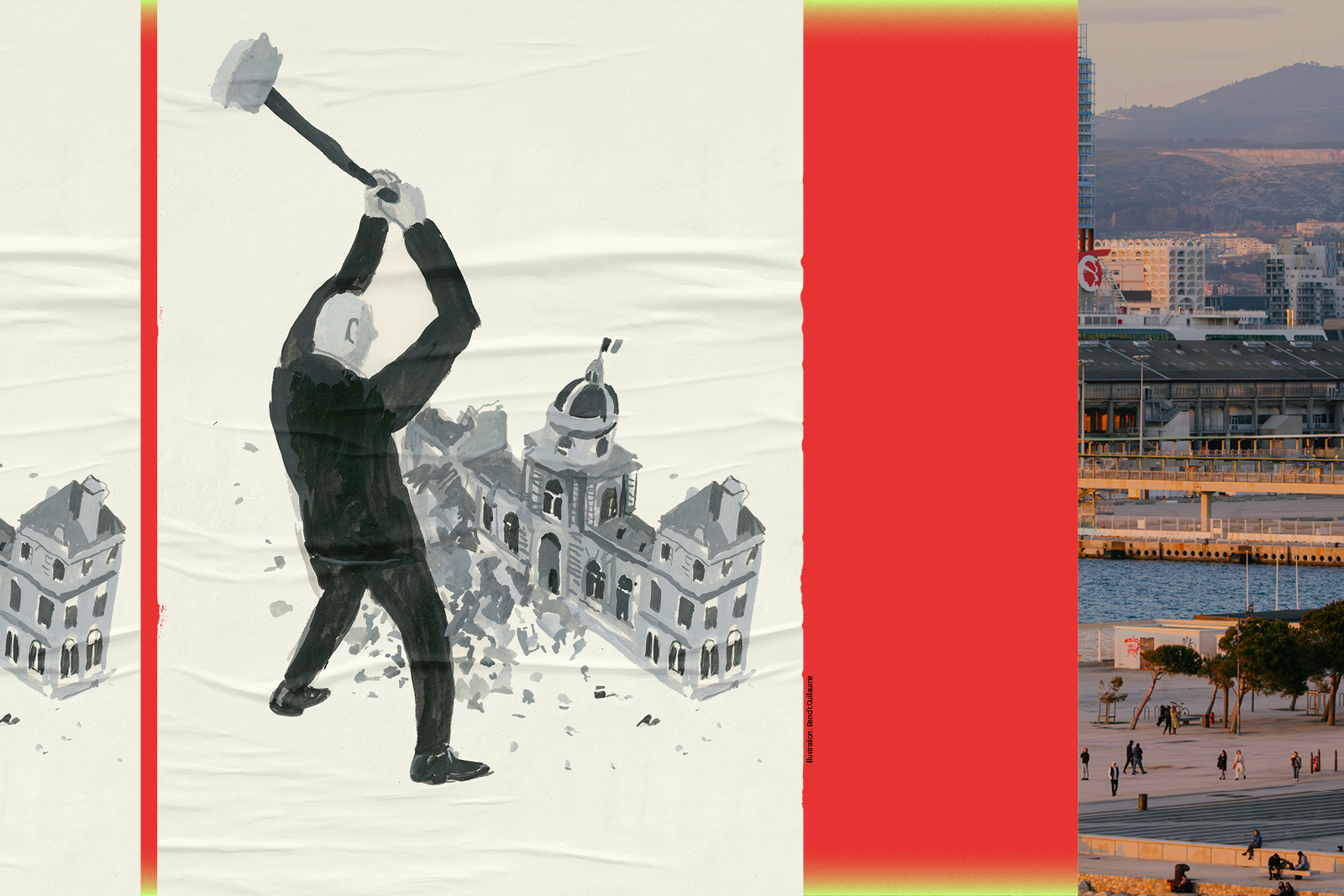
Save the rule of law
Les Procès du siècle - Which way to the future?
Moderated by Thomas Legrand With Claire Hédon (journalist, human rights advocate) and Raphaël Kempf (lawyer)
With the participation of Mireille Jacotin, Head Curator of Heritage, in charge of the Public Life Department at Mucem. Are we witnessing the end of a cycle of “free” democracies around the world? Rising nationalism, illiberal governments, attacks on basic freedoms… in the face of the multiple assaults to which these regimes are subjected, are the rule of law and justice sufficiently effective and protective bulwarks? How can they stand up when populists see them as ready-made...On Monday, Dec 8, 2025
at 19h
J4 / Auditorium
- Free of charge
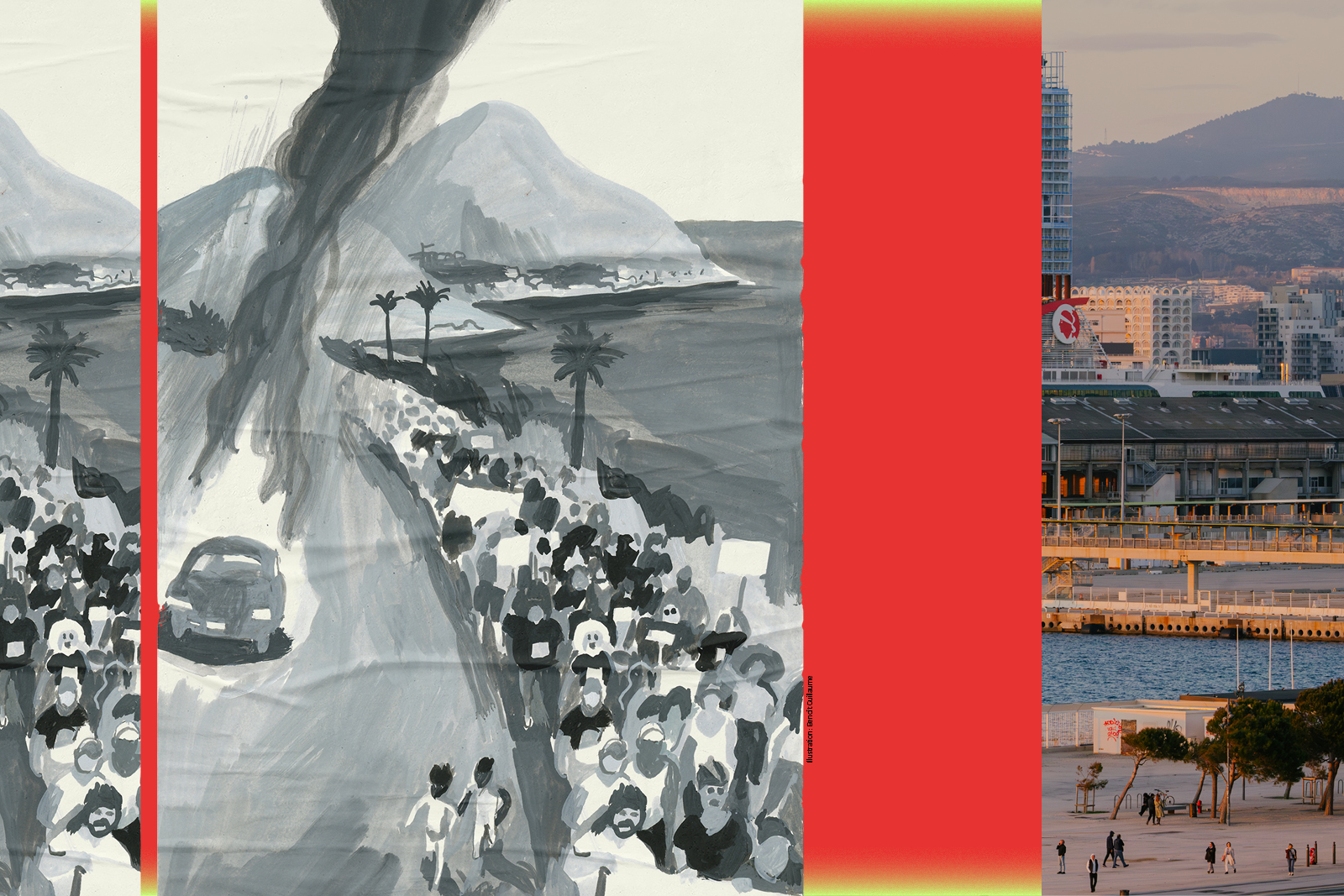
Overseas: relegated territories, sacrificed territories?
Les Procès du siècle - Which way to the future?
Moderator: Nora Hamadi With Malcom Ferdinand (environmental engineer) and Benoît Trépied (anthropologist)
With the participation of Françoise Dallemagne, in charge of research and collections at Mucem. Environmental scandals, high living costs, struggles for autonomy: the French overseas territories are facing a host of challenges in which the weight of the past and colonial logics still weigh heavily. Between tourist postcard clichés and uncontrolled lawless zones, how can these territories find their rightful place, specific and singular, far from these stereotyped and instrumentalized images?...On Monday, Dec 15, 2025
at 19h
J4 / Auditorium
- Free of charge
And what about the children?
Les Procès du siècle - Which way to the future?
Moderator: Rokhaya Diallo With : Cécile Cée (artist, author) and Lyes Louffok (head of a child protection service, lawyer, children's rights activist)
With the participation of Cléo Arnod, heritage curator in charge of the Clothing, Costume and Textile Department at Mucem. Incest, child abuse, rape, violence in the family and educational spheres. Children’s social welfare is running out of steam. Does our society really protect children? Is it enabling them to develop into individuals who respect others and the world around them? The cases and scandals that are now surfacing after decades of silence are revealing dysfunctions and...On Monday, Jan 12, 2026
at 19h
J4 / Auditorium
Related highlight
The trials of the century podcast
View all available podcasts (0)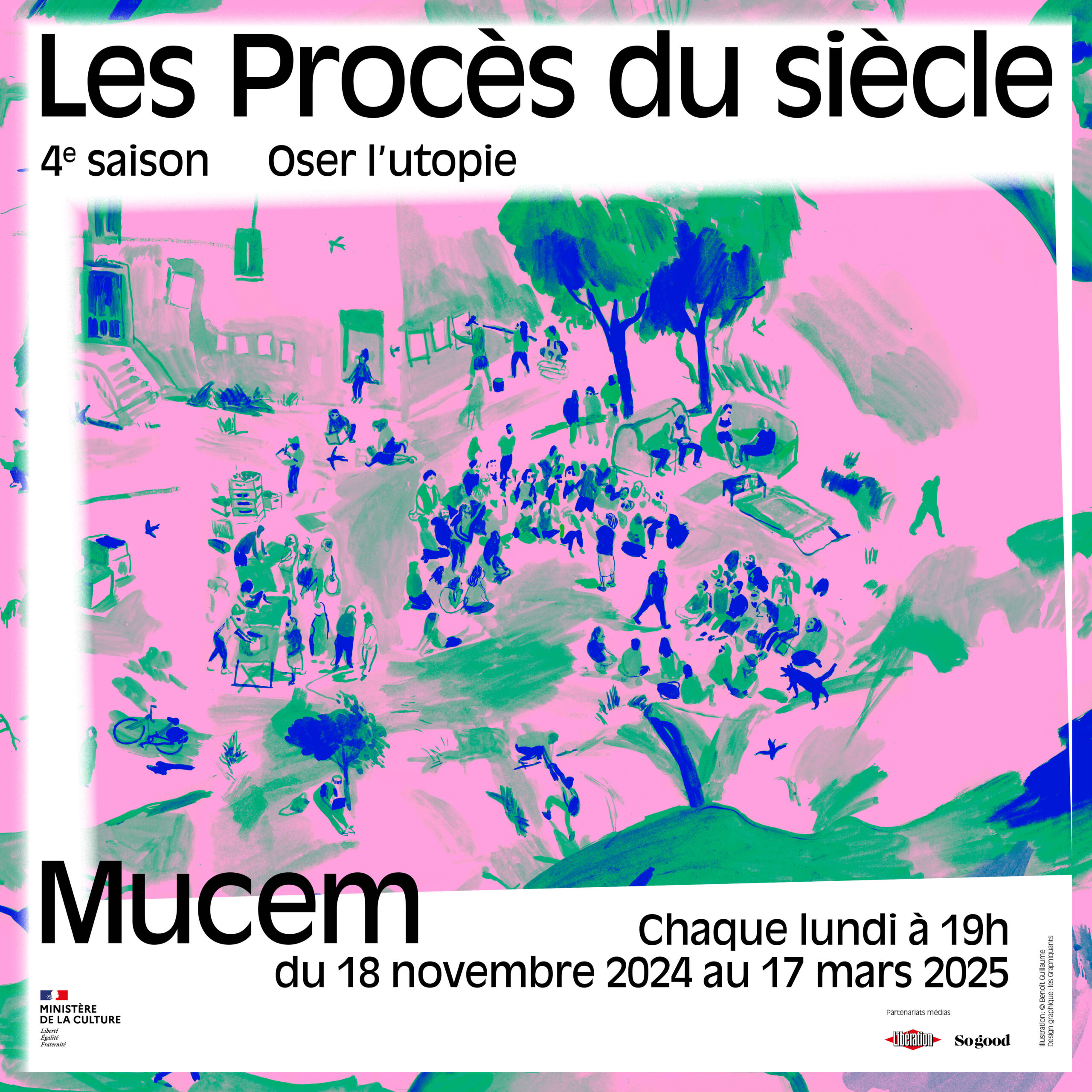
Les Procès du siècle — Oser l'utopie
Cette quatrième saison des Procès du siècle propose d’explorer les utopies concrètes et réelles, les nouveaux modèles à inventer pour avancer vers plus de démocratie, plus d’écologie, plus de solidarité.
Pour vivre mieux, ensemble.
Cette saison 4 parlera d’éducation, de soin, de numérique, d’économie, d’architecture, d’agriculture, de circulations, de respect, de consentement, d’intelligence artificielle, des arbres et des oiseaux. Nous essaierons même parfois d’en rire.
Les Procès du siècle — Luttes en partage
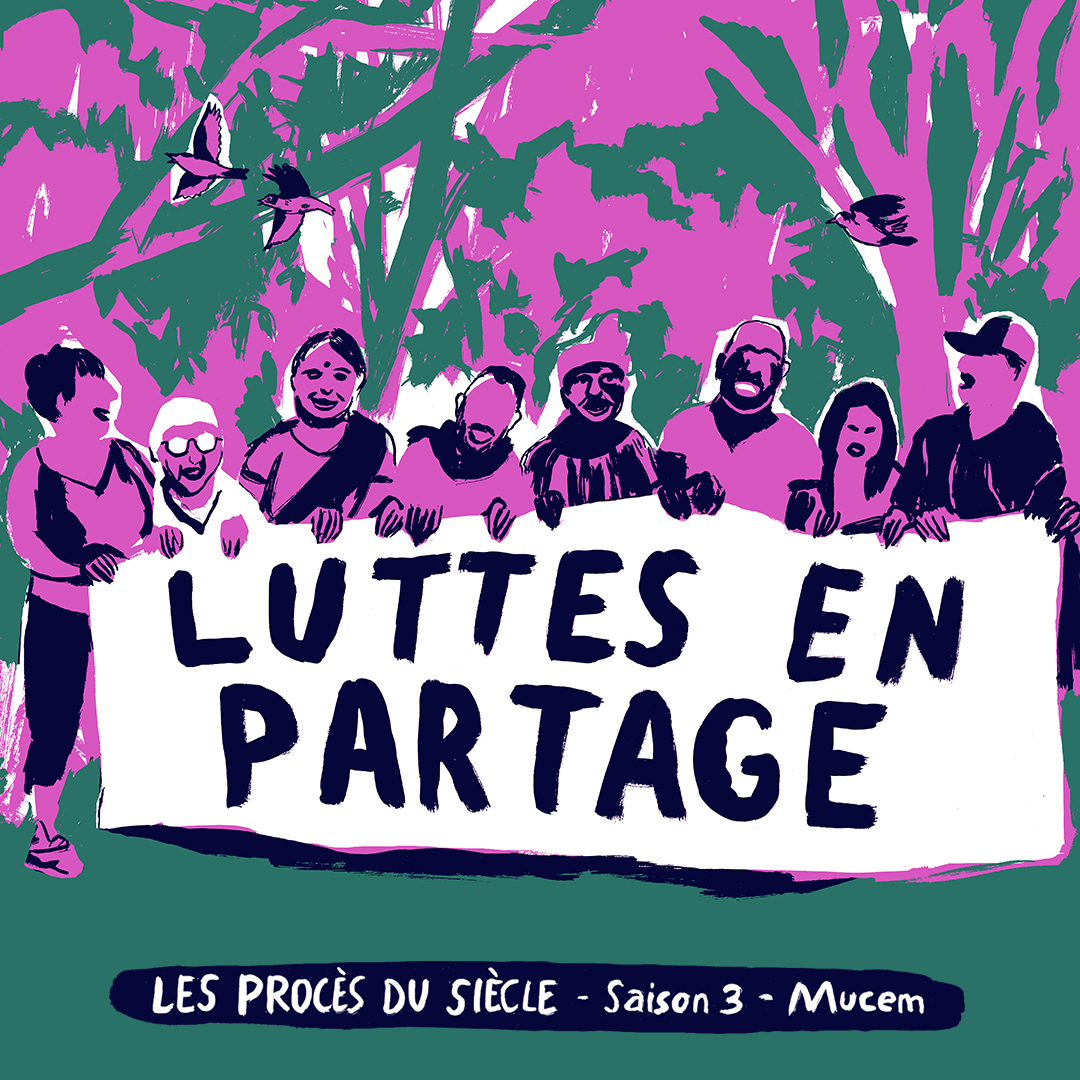
La saison 3 des Procès du siècle en podcast
Une série de rencontres imaginée et produite par le Mucem en collaboration avec Grégoire Ingold.
Un podcast produit et réalisé par Copie Carbone et illustré par Benoît Guillaume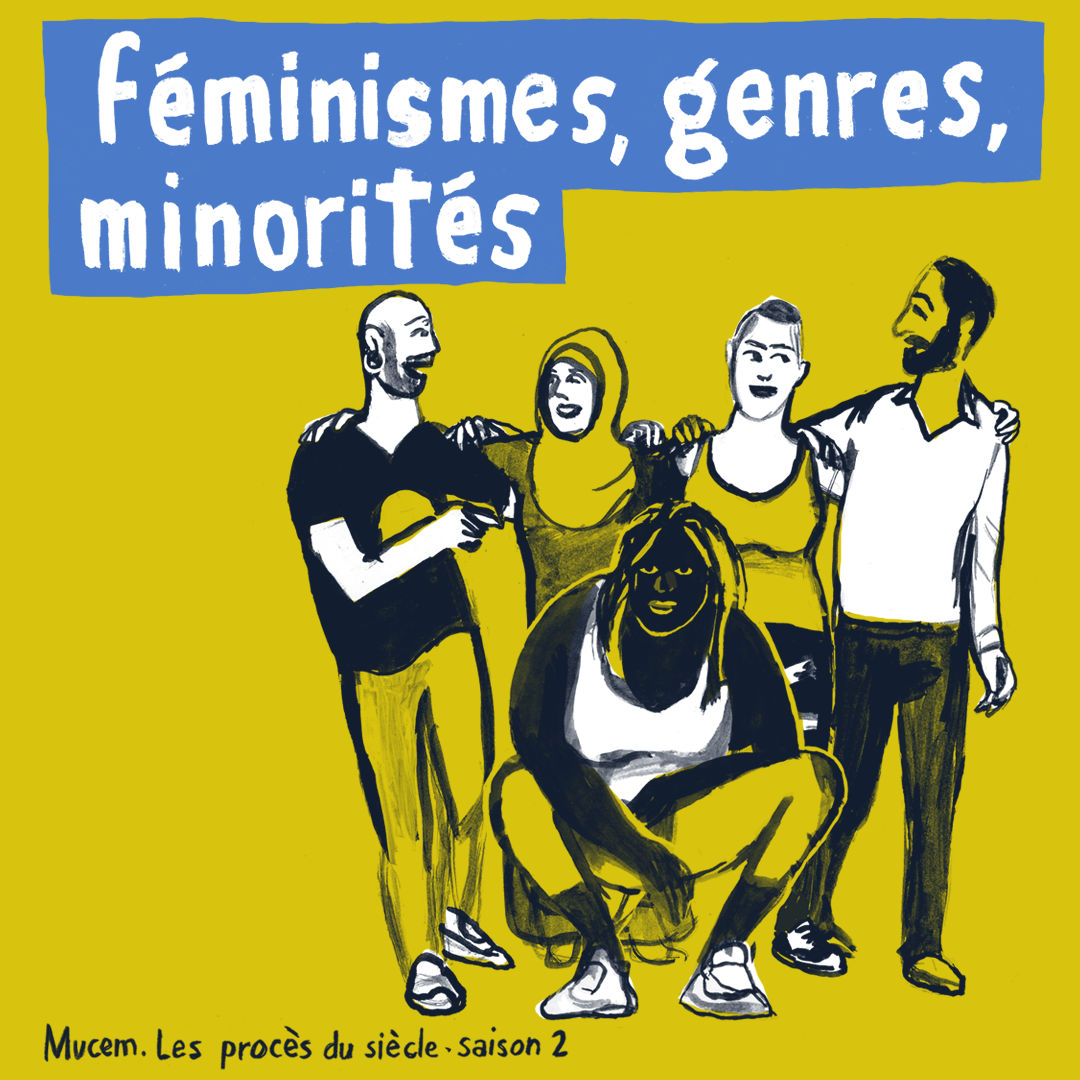
Les procès du siècle — Féminismes, genres, minorités.
Une série de rencontres imaginée et produite par le Mucem.
Réunissant témoins, spécialistes et pièces à conviction, Les Procès du siècle ouvrent un espace d’échanges citoyens.
Après une première saison consacrée aux questions environnementales, cette deuxième saison est dédiée aux minorités dominées, et à leurs manières de s’exprimer, de résister, de revendiquer leurs droits.
Le Procès du siècle, délibérations citoyennes !
Comment parler des bouleversements récents qui touchent nos vies, nos sociétés, notre environnement ? Que disent-ils de notre rapport au temps et à l’espace ? Comment nous situons-nous aujourd’hui au cœur du monde et du vivant ? Quelles mutations, quelles révolutions sont à espérer ou à craindre ?
Le Procès du siècle appelle à la barre plaignants, accusés, témoins et avocats. Il en appelle avant tout à ses jurés, les citoyens.