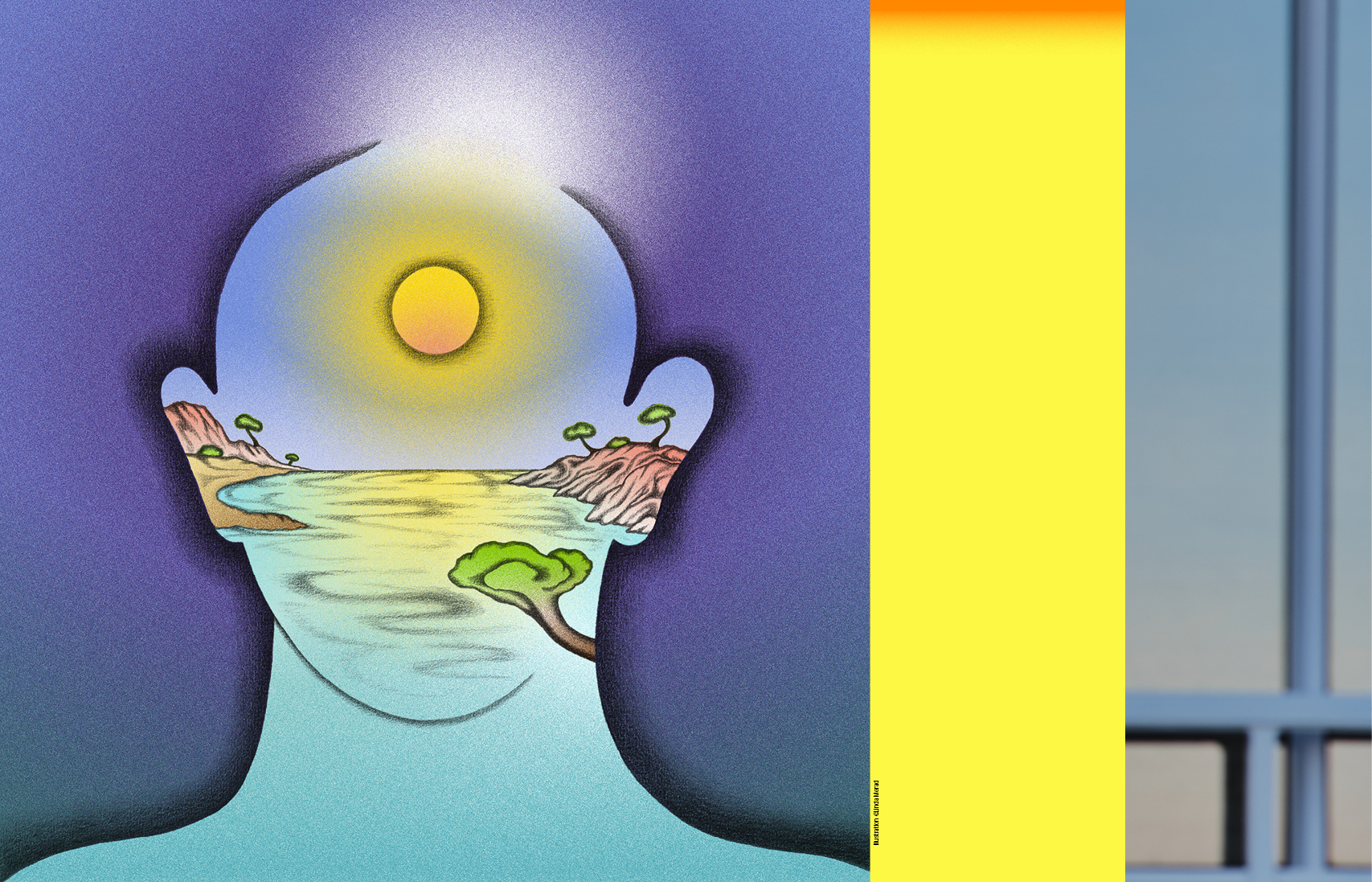
Dare to take a step aside, and talk about mental health in a different way. To coincide with the new exhibition "Don Quichotte. Histoire de fou, histoire d'en rire" exhibition, and following the success of the previous event organized in September 2024 and dedicated to young people's mental health, the Mucem is organizing a second edition of "Bien dans ma tête", this time exploring the link between mental health and artistic creation.
The October 17 event is aimed at professionals from the health, social and cultural sectors, higher education establishments, national education, popular education and child welfare.
Practical information
An association forum will be held from 9am to 5pm in the Mucem forum (free access, subject to availability). The forum will provide an opportunity to meet and exchange ideas with associations working in the field of mental health, and to strengthen the links between mental health and creation.
Moderator: Marie Le Marois, journalist, Marcelle media
9.30am to 10.15am, Mucem J4, auditorium, free access
Is art good for your health?
This one-day event explores the links between mental health and creativity. In particular, it explores the ability of art to liberate emotions and promote well-being, especially for people in care and those suffering from neuro-atypical disorders. What role do these practices play in the care process?
Art therapy, museotherapy and other artistic and cultural practices play a fundamental role in creating spaces for dialogue and interaction tailored to individual needs. As a social museum, Mucem is committed to these practices. It strives to take care of its visitors, and sees itself as a resource museum for caregivers. In 2023, it has signed a partnership agreement with Assistance Publique-Hôpitaux de Marseille.
Introduction by Pierre-Olivier Costa, President of Mucem, and François Crémieux, General Manager of Assistance Publique-Hôpitaux de Marseille.
With Pierre Lemarquis, neurologist, founder of DU Université Lyon 1, Prescriptions culturelles : arts et santé, and Dominique Spiess, founder and head of D.U. Paris Sorbonne : Culture, Soin et Accompagnement.
François Crémieux
François Crémieux is a senior civil servant, who has been CEO of Assistance Publique-Hôpitaux de Marseille since 2021. His areas of interest are healthcare policy and healthcare economics. He was deputy director general of AP-HP from September 2018 to May 2021 and previously director of Hôpitaux Universitaires Paris Nord Val-de-Seine HUPNVS AP-HP (2014-2018). He was advisor to Marisol Touraine, Minister of Social Affairs and Health, from 2012 to 2014, responsible for the national health strategy. From 2010 to 2012, he was director of the “healthcare establishments” division of the Agence Régionale de Santé d’Île de France, reporting to Claude Évin. Between 2000 and 2010, he held a number of positions at AP-HP. His professional career has been mainly devoted to hospital management, with extensive experience of war-torn countries and healthcare policies in post-conflict reconstruction periods. He also worked for the United Nations and the World Health Organization (WHO) in the early 2000s. François Crémieux has carried out numerous international missions for the WHO and the Ministries of Foreign Affairs and Health. He is also a member of the editorial board and supervisory board of Esprit magazine.
Pierre Lemarquis
Pierre Lemarquis is a neurologist, neurophysiologist, lecturer at the University of Toulon (ethology) and coordinator of the “Cultural Prescriptions: Art and Health” University Diploma in Lyon. A former organist and chorister, he is vice-president of the Harmonies d’Orphée chamber orchestra, co-founder of the Musica Classica Festival (Haute-Corse) and president of the association “L’invitation à la beauté”, supported by WHO and Unesco, which promotes the value of art in healthcare. Author of several books published by Odile Jacob, including Les pouvoirs de la musique sur le cerveau des enfants et des adultes, and L’art qui guérit and L’art qui guérit la mémoire, both published by Hazan.
Dominique Spiess
Dominique Spiess is an expert in issues relating to Art, Culture and Health. She conducts research on the impact of emotion in the care of people with neuro-evolutionary disorders, and provides numerous training courses.
After working as an art book editor and author, she was recruited to join hospital management at the APHP, where she designed cultural policies for hospital establishments. She founded the association Culture & Hôpital, whose mission is to contribute to improving the quality of life and health of people in hospital, living in institutions or being cared for at home, through artistic and cultural mediation. She was awarded the Trophée d’Or de l’Innovation territoriale by the French Senate for the design of the D.U.C.A. (Dispositif Urbain Culture Alzheimer), a follow-up and support program for people suffering from neuro-evolutionary diseases.
Dominique Spiess is behind a number of training and teaching programs. In 2013, she created the first “Culture/Health” diploma course at the CNAM, Conservatoire national des Arts et Métiers. In 2018, she opened the “Culture, Soins et Accompagnement: une démarche innovante pluridisciplinaire pour mieux soigner et accompagner” university diploma program at the Université Paris Santé Sorbonne. She now teaches and coordinates the program.
10:45 to 11:30 a.m. Mucem J4, auditorium, free access
Screening of Matthieu Parent’s documentary Les mondes de Don Quichotte (2024, 52′)
In the heart of the Édouard Toulouse psychiatric hospital in Marseille’s northern suburbs, the Astronef, a unique theater, becomes the setting for an extraordinary human and artistic adventure. Amateur and professional artists, patients and caregivers, combine their imaginations to give life to a unique adaptation of Don Quixote. This documentary goes behind the scenes of a collective project where theater, circus and music intertwine with the intimate realities of the participants. Between stage dreams and everyday challenges, Don Quixote’s Worlds explores the boundaries between art and care, where every gesture and word weaves a subtle link between reality and imagination.
The screening of the documentary is part of the exhibition “Don Quichotte. Histoire de fou, histoire d’en rire” presented at the Mucem from October 15, 2025.
Matthieu Parent
Matthieu Parent is a photographer, filmmaker and associate artist at Théâtre de l’Astronef. Trained at the ICP in New York, his work for over twenty years has focused on photography, documentary and participatory projects. He collaborates with numerous cultural and social institutions, weaving visual narratives that shed light on communities and territories. His work ranges from photographic exhibitions to documentary films, always rooted in human experience and sharing.
11:30 a.m. to 12:15 p.m. Mucem J4, auditorium, free access
The worlds of Don Quixote, on the frontiers of art and healthcare
At the end of the screening, the various parties involved in the documentary Les mondes de Don Quichotte (Don Quixote’s Worlds ) propose a discussion with the audience about this initiative carried out at the Édouard Toulouse psychiatric hospital in Marseille.
With Thierry Acquier, director of Centre Hospitalier Edouard Toulouse, Marie Laigneau Bignon and André Péri, co-directors of Astronef, and Niccolò Scognamiglio, director.
Niccolò Scognamiglio
Niccolò Scognamiglio is an actor and director. Trained in Italy, he moved to Marseille in 2012, where he has since developed a career rich in experience and artistic encounters. In 2013, his passion for Shakespeare led him to stage A Midsummer Night’s Dream, which proved a great success in Marseille and the surrounding area. His interest in philosophy and ancient Greece then led him to propose an adaptation of Plato’s Banquet at the Grandes Tables de la Friche Belle de Mai. In 2016, he founded Officine Théâtrale Barbacane, with whom he participated in the opening of MP2018
Quel Amour! by creating, in collaboration with the Alhambra cinema and the Clermont-Ferrand International Short Film Festival, the showL’Amour court(s) toujours , presented at the Mucem. In 2020, he signedAil, basilic et menthe , a poetic and theatrical tribute to Marseille writer Jean-Claude Izzo. Since 2019, he has been performingNovecento : pianiste, a cult monologue by Alessandro Baricco. Associate artist at the Théâtre de l’Astronef since 2021, in 2023 he will createDon Quichotte , a show touring Marseille and the region. He is currently working on the staging of Federico García Lorca’s La Maison de Bernarda Alba and on a production for young audiences, Le Baron Perché by Italo Calvino.
2 to 2.45 pm Mucem J4, auditorium, free access
Care through art?
Hospitals and cultural institutions are increasingly combining art and care. This session presents different experiences at the crossroads of art and care.
Art therapy is a therapeutic protocol. Museum therapy studies the benefits of museum visits on various aspects of health, whether at the invitation of the medical profession or on the initiative of the visitor. Artistic and cultural practices provide a valuable means of expression and space for interaction for people in care and neuro-atypical situations. Supported by scientific research and concrete initiatives, these methods contribute to the physical, mental and social health of patients.
These practices also benefit children and teenagers, who remain at the heart of Mucem’s concerns. In October 2024, for example, the museum opened an educational microstructure class for anxious school-refusers.
With Leslie Labbé, author of the research paper La muséothérapie, les potentiels thérapeutiques du musée and deputy director of the Au Fer à Cheval educational farm, Jasmine Lebert, director of 3bisF, a hospital art center in Aix-en-Provence, Nelly Odin, school development officer and microstructure coordinator for Mucem, and Ada Picard, child and adolescent psychiatrist (APHM Salvator), doctoral student at EHESS on art therapy (2025).
Leslie Labbé
Leslie Labbé studied at the École du Louvre, where she obtained a bachelor’s degree in art history and a master’s in museology. She devoted her dissertation to “museum therapy”, and has since taken an interest in the links between museums and health. Some of her research has been published by OCIM under the title “La muséothérapie, Analyse des potentiels thérapeutiques du musée”.
She then spent over a year as a project manager for the association Culture & Hôpital, which supported the care of people with neuro-evolutionary diseases, and their carers, through art and culture in Paris. Leslie also lived and worked for a year in Montreal as a research professional for the AgeteQ laboratory, which studies, among other things, the links between the arts and health. Today, she is deputy director of an educational farm, and works in particular to help children, teenagers and people with disabilities (children and adults) discover their natural heritage and raise awareness of ecological issues.
Jasmine Lebert
Jasmine Lebert has an academic background in art history, history, archaeology and philosophy. Since 2003, she has been working in the field of live performance. From one creative center to another – Centre dramatique national de Montreuil, CNDC d’Angers Centre national de danse contemporaine, Lieux publics center national de création en espace public à Marseille, Points communs scène nationale de Cergy-Pontoise – she has developed a decompartmentalized approach to artistic creation, between different creation and distribution networks. Her multidisciplinary career is marked by circularities between artistic disciplines and between artistic creation and civil society. She is particularly interested in the links between art and society, aesthetics and politics. Since 2020, she has been managing director and artistic director of the performing arts at 3 bis f, a contemporary arts center of national interest within the Montperrin Psychiatric Hospital in Aix-en-Provence, a singular place of memory, art and hospitality. In 2023, she will initiate the Art, Care, Citizenship network.
Ada Picard
Ada Picard is a child and adolescent psychiatrist (APHM Salvator). She is also a painter and is currently a doctoral student at EHESS studying the links between the creative process, female corporeity and mental health.
3.15pm to 4pm, Mucem J4, auditorium, free access
The art of caring
How can we forge a lasting, virtuous link between the healthcare and art sectors? This is the challenge of the new interministerial agreement on “Culture and Health” signed on July 21, 2025. Making cultural venues accessible, particularly to people in care and neuro-atypical patients, is a major challenge that requires cohesion between all the players involved. Healthcare institutions also encourage artistic and cultural practices within their walls, following the example of the “Parcours d’hospitalité” program set up by the AP-HM. This session will focus in particular on the means of access (training, resources and funding), to help project leaders move from idea to reality.
Find out more:
https://fr.ap-hm.fr/site/parcours-hospitalite/parcours-d-hospitalite
With Sophie Bellon-Cristofol, head of cultural affairs, AP-HM, Fabrice Chardon, clinical psychologist and DU art therapist, general and teaching director Afratapem, art therapy school in Tours and teaching director of the Grenoble and Lille-UCL art therapy university diplomas, Magaly David, chargé de mission culture/santé, médico-social et handicap, sous-direction de la participation à la vie culturelle, délégation générale à la transmission, aux territoires et à la démocratie culturelle, Ministère de la Culture, and Pierre Lemarquis, neurologist, founder DU Université Lyon 1, Prescriptions culturelles : arts and health.
Fabrice Chardon
Fabrice Chardon is a university-qualified art therapist, clinical psychologist, director of teaching and research at Afratapem and scientific director of the University Diplomas in Art Therapy at the medical faculties of Tours, Grenoble and Lille-Ucl.
Magaly David
Magaly David began her career as a social worker, a profession she pursued for fifteen years within associations and local authorities. In 2018, she moved into project management and public policy management, first as a project manager for the French Department of Urban Policy, then joining the Ministry of Culture in 2023 as a project manager for culture/health, medical-social care and disability.
Pierre Lemarquis
Pierre Lemarquis is a neurologist, neurophysiologist, lecturer at the University of Toulon (ethology) and coordinator of the “Cultural Prescriptions: Art and Health” University Diploma in Lyon. A former organist and chorister, he is vice-president of the Harmonies d’Orphée chamber orchestra, co-founder of the Musica Classica Festival (Haute-Corse) and president of the association “L’invitation à la beauté”, supported by WHO and Unesco, which promotes the value of art in healthcare. Author of several books published by Odile Jacob, including Les pouvoirs de la musique sur le cerveau des enfants et des adultes, and L’art qui guérit and L’art qui guérit la mémoire, both published by Hazan.
4:15pm, Mucem J4, exhibition hall, free admission with registration (on site on the day)
Writing workshop in the exhibition “Populaire?
The permanent exhibition “Populaire? explores our common heritage and everyday objects. And these seemingly mundane objects can be full of stories!
Like the hundred or so labels that punctuate the exhibition’s itinerary, this writing workshop gives participants the chance to take part in a unique exercise: recounting the objects in the exhibition in a different way, using their own imaginations, perceptions and words. Whether melancholy, piquant or humorous… everyone is free to reinterpret the memory of these popular objects!
A writing workshop led by Lucile Bordes, one of the four authors of the “Populaire?
Lucile Bordes
Lucile Bordes teaches at the University of Toulon and is the author of Je suis la marquise de Carabas, Décorama and 86, année blanche (éditions Liana Levi). In 2022, she published Que faire de la beauté? (Les Avrils) and Aurélie et autres femmes sans nom (éditions Thierry Marchaisse, Prix PaN 2023).
Dare to take a step aside, and talk about mental health in a different way. To coincide with the new exhibition "Don Quichotte. Histoire de fou, histoire d'en rire" exhibition, and following the success of the previous event organized in September 2024 and dedicated to young people's mental health, the Mucem is organizing a second edition of "Bien dans ma tête", this time exploring the link between mental health and artistic creation.
The October 17 event is aimed at professionals from the health, social and cultural sectors, higher education establishments, national education, popular education and child welfare.
Practical information
An association forum will be held from 9am to 5pm in the Mucem forum (free access, subject to availability). The forum will provide an opportunity to meet and exchange ideas with associations working in the field of mental health, and to strengthen the links between mental health and creation.
Moderator: Marie Le Marois, journalist, Marcelle media
9.30am to 10.15am, Mucem J4, auditorium, free access
Is art good for your health?
This one-day event explores the links between mental health and creativity. In particular, it explores the ability of art to liberate emotions and promote well-being, especially for people in care and those suffering from neuro-atypical disorders. What role do these practices play in the care process?
Art therapy, museotherapy and other artistic and cultural practices play a fundamental role in creating spaces for dialogue and interaction tailored to individual needs. As a social museum, Mucem is committed to these practices. It strives to take care of its visitors, and sees itself as a resource museum for caregivers. In 2023, it has signed a partnership agreement with Assistance Publique-Hôpitaux de Marseille.
Introduction by Pierre-Olivier Costa, President of Mucem, and François Crémieux, General Manager of Assistance Publique-Hôpitaux de Marseille.
With Pierre Lemarquis, neurologist, founder of DU Université Lyon 1, Prescriptions culturelles : arts et santé, and Dominique Spiess, founder and head of D.U. Paris Sorbonne : Culture, Soin et Accompagnement.
François Crémieux
François Crémieux is a senior civil servant, who has been CEO of Assistance Publique-Hôpitaux de Marseille since 2021. His areas of interest are healthcare policy and healthcare economics. He was deputy director general of AP-HP from September 2018 to May 2021 and previously director of Hôpitaux Universitaires Paris Nord Val-de-Seine HUPNVS AP-HP (2014-2018). He was advisor to Marisol Touraine, Minister of Social Affairs and Health, from 2012 to 2014, responsible for the national health strategy. From 2010 to 2012, he was director of the “healthcare establishments” division of the Agence Régionale de Santé d’Île de France, reporting to Claude Évin. Between 2000 and 2010, he held a number of positions at AP-HP. His professional career has been mainly devoted to hospital management, with extensive experience of war-torn countries and healthcare policies in post-conflict reconstruction periods. He also worked for the United Nations and the World Health Organization (WHO) in the early 2000s. François Crémieux has carried out numerous international missions for the WHO and the Ministries of Foreign Affairs and Health. He is also a member of the editorial board and supervisory board of Esprit magazine.
Pierre Lemarquis
Pierre Lemarquis is a neurologist, neurophysiologist, lecturer at the University of Toulon (ethology) and coordinator of the “Cultural Prescriptions: Art and Health” University Diploma in Lyon. A former organist and chorister, he is vice-president of the Harmonies d’Orphée chamber orchestra, co-founder of the Musica Classica Festival (Haute-Corse) and president of the association “L’invitation à la beauté”, supported by WHO and Unesco, which promotes the value of art in healthcare. Author of several books published by Odile Jacob, including Les pouvoirs de la musique sur le cerveau des enfants et des adultes, and L’art qui guérit and L’art qui guérit la mémoire, both published by Hazan.
Dominique Spiess
Dominique Spiess is an expert in issues relating to Art, Culture and Health. She conducts research on the impact of emotion in the care of people with neuro-evolutionary disorders, and provides numerous training courses.
After working as an art book editor and author, she was recruited to join hospital management at the APHP, where she designed cultural policies for hospital establishments. She founded the association Culture & Hôpital, whose mission is to contribute to improving the quality of life and health of people in hospital, living in institutions or being cared for at home, through artistic and cultural mediation. She was awarded the Trophée d’Or de l’Innovation territoriale by the French Senate for the design of the D.U.C.A. (Dispositif Urbain Culture Alzheimer), a follow-up and support program for people suffering from neuro-evolutionary diseases.
Dominique Spiess is behind a number of training and teaching programs. In 2013, she created the first “Culture/Health” diploma course at the CNAM, Conservatoire national des Arts et Métiers. In 2018, she opened the “Culture, Soins et Accompagnement: une démarche innovante pluridisciplinaire pour mieux soigner et accompagner” university diploma program at the Université Paris Santé Sorbonne. She now teaches and coordinates the program.
10:45 to 11:30 a.m. Mucem J4, auditorium, free access
Screening of Matthieu Parent’s documentary Les mondes de Don Quichotte (2024, 52′)
In the heart of the Édouard Toulouse psychiatric hospital in Marseille’s northern suburbs, the Astronef, a unique theater, becomes the setting for an extraordinary human and artistic adventure. Amateur and professional artists, patients and caregivers, combine their imaginations to give life to a unique adaptation of Don Quixote. This documentary goes behind the scenes of a collective project where theater, circus and music intertwine with the intimate realities of the participants. Between stage dreams and everyday challenges, Don Quixote’s Worlds explores the boundaries between art and care, where every gesture and word weaves a subtle link between reality and imagination.
The screening of the documentary is part of the exhibition “Don Quichotte. Histoire de fou, histoire d’en rire” presented at the Mucem from October 15, 2025.
Matthieu Parent
Matthieu Parent is a photographer, filmmaker and associate artist at Théâtre de l’Astronef. Trained at the ICP in New York, his work for over twenty years has focused on photography, documentary and participatory projects. He collaborates with numerous cultural and social institutions, weaving visual narratives that shed light on communities and territories. His work ranges from photographic exhibitions to documentary films, always rooted in human experience and sharing.
11:30 a.m. to 12:15 p.m. Mucem J4, auditorium, free access
The worlds of Don Quixote, on the frontiers of art and healthcare
At the end of the screening, the various parties involved in the documentary Les mondes de Don Quichotte (Don Quixote’s Worlds ) propose a discussion with the audience about this initiative carried out at the Édouard Toulouse psychiatric hospital in Marseille.
With Thierry Acquier, director of Centre Hospitalier Edouard Toulouse, Marie Laigneau Bignon and André Péri, co-directors of Astronef, and Niccolò Scognamiglio, director.
Niccolò Scognamiglio
Niccolò Scognamiglio is an actor and director. Trained in Italy, he moved to Marseille in 2012, where he has since developed a career rich in experience and artistic encounters. In 2013, his passion for Shakespeare led him to stage A Midsummer Night’s Dream, which proved a great success in Marseille and the surrounding area. His interest in philosophy and ancient Greece then led him to propose an adaptation of Plato’s Banquet at the Grandes Tables de la Friche Belle de Mai. In 2016, he founded Officine Théâtrale Barbacane, with whom he participated in the opening of MP2018
Quel Amour! by creating, in collaboration with the Alhambra cinema and the Clermont-Ferrand International Short Film Festival, the showL’Amour court(s) toujours , presented at the Mucem. In 2020, he signedAil, basilic et menthe , a poetic and theatrical tribute to Marseille writer Jean-Claude Izzo. Since 2019, he has been performingNovecento : pianiste, a cult monologue by Alessandro Baricco. Associate artist at the Théâtre de l’Astronef since 2021, in 2023 he will createDon Quichotte , a show touring Marseille and the region. He is currently working on the staging of Federico García Lorca’s La Maison de Bernarda Alba and on a production for young audiences, Le Baron Perché by Italo Calvino.
2 to 2.45 pm Mucem J4, auditorium, free access
Care through art?
Hospitals and cultural institutions are increasingly combining art and care. This session presents different experiences at the crossroads of art and care.
Art therapy is a therapeutic protocol. Museum therapy studies the benefits of museum visits on various aspects of health, whether at the invitation of the medical profession or on the initiative of the visitor. Artistic and cultural practices provide a valuable means of expression and space for interaction for people in care and neuro-atypical situations. Supported by scientific research and concrete initiatives, these methods contribute to the physical, mental and social health of patients.
These practices also benefit children and teenagers, who remain at the heart of Mucem’s concerns. In October 2024, for example, the museum opened an educational microstructure class for anxious school-refusers.
With Leslie Labbé, author of the research paper La muséothérapie, les potentiels thérapeutiques du musée and deputy director of the Au Fer à Cheval educational farm, Jasmine Lebert, director of 3bisF, a hospital art center in Aix-en-Provence, Nelly Odin, school development officer and microstructure coordinator for Mucem, and Ada Picard, child and adolescent psychiatrist (APHM Salvator), doctoral student at EHESS on art therapy (2025).
Leslie Labbé
Leslie Labbé studied at the École du Louvre, where she obtained a bachelor’s degree in art history and a master’s in museology. She devoted her dissertation to “museum therapy”, and has since taken an interest in the links between museums and health. Some of her research has been published by OCIM under the title “La muséothérapie, Analyse des potentiels thérapeutiques du musée”.
She then spent over a year as a project manager for the association Culture & Hôpital, which supported the care of people with neuro-evolutionary diseases, and their carers, through art and culture in Paris. Leslie also lived and worked for a year in Montreal as a research professional for the AgeteQ laboratory, which studies, among other things, the links between the arts and health. Today, she is deputy director of an educational farm, and works in particular to help children, teenagers and people with disabilities (children and adults) discover their natural heritage and raise awareness of ecological issues.
Jasmine Lebert
Jasmine Lebert has an academic background in art history, history, archaeology and philosophy. Since 2003, she has been working in the field of live performance. From one creative center to another – Centre dramatique national de Montreuil, CNDC d’Angers Centre national de danse contemporaine, Lieux publics center national de création en espace public à Marseille, Points communs scène nationale de Cergy-Pontoise – she has developed a decompartmentalized approach to artistic creation, between different creation and distribution networks. Her multidisciplinary career is marked by circularities between artistic disciplines and between artistic creation and civil society. She is particularly interested in the links between art and society, aesthetics and politics. Since 2020, she has been managing director and artistic director of the performing arts at 3 bis f, a contemporary arts center of national interest within the Montperrin Psychiatric Hospital in Aix-en-Provence, a singular place of memory, art and hospitality. In 2023, she will initiate the Art, Care, Citizenship network.
Ada Picard
Ada Picard is a child and adolescent psychiatrist (APHM Salvator). She is also a painter and is currently a doctoral student at EHESS studying the links between the creative process, female corporeity and mental health.
3.15pm to 4pm, Mucem J4, auditorium, free access
The art of caring
How can we forge a lasting, virtuous link between the healthcare and art sectors? This is the challenge of the new interministerial agreement on “Culture and Health” signed on July 21, 2025. Making cultural venues accessible, particularly to people in care and neuro-atypical patients, is a major challenge that requires cohesion between all the players involved. Healthcare institutions also encourage artistic and cultural practices within their walls, following the example of the “Parcours d’hospitalité” program set up by the AP-HM. This session will focus in particular on the means of access (training, resources and funding), to help project leaders move from idea to reality.
Find out more:
https://fr.ap-hm.fr/site/parcours-hospitalite/parcours-d-hospitalite
With Sophie Bellon-Cristofol, head of cultural affairs, AP-HM, Fabrice Chardon, clinical psychologist and DU art therapist, general and teaching director Afratapem, art therapy school in Tours and teaching director of the Grenoble and Lille-UCL art therapy university diplomas, Magaly David, chargé de mission culture/santé, médico-social et handicap, sous-direction de la participation à la vie culturelle, délégation générale à la transmission, aux territoires et à la démocratie culturelle, Ministère de la Culture, and Pierre Lemarquis, neurologist, founder DU Université Lyon 1, Prescriptions culturelles : arts and health.
Fabrice Chardon
Fabrice Chardon is a university-qualified art therapist, clinical psychologist, director of teaching and research at Afratapem and scientific director of the University Diplomas in Art Therapy at the medical faculties of Tours, Grenoble and Lille-Ucl.
Magaly David
Magaly David began her career as a social worker, a profession she pursued for fifteen years within associations and local authorities. In 2018, she moved into project management and public policy management, first as a project manager for the French Department of Urban Policy, then joining the Ministry of Culture in 2023 as a project manager for culture/health, medical-social care and disability.
Pierre Lemarquis
Pierre Lemarquis is a neurologist, neurophysiologist, lecturer at the University of Toulon (ethology) and coordinator of the “Cultural Prescriptions: Art and Health” University Diploma in Lyon. A former organist and chorister, he is vice-president of the Harmonies d’Orphée chamber orchestra, co-founder of the Musica Classica Festival (Haute-Corse) and president of the association “L’invitation à la beauté”, supported by WHO and Unesco, which promotes the value of art in healthcare. Author of several books published by Odile Jacob, including Les pouvoirs de la musique sur le cerveau des enfants et des adultes, and L’art qui guérit and L’art qui guérit la mémoire, both published by Hazan.
4:15pm, Mucem J4, exhibition hall, free admission with registration (on site on the day)
Writing workshop in the exhibition “Populaire?
The permanent exhibition “Populaire? explores our common heritage and everyday objects. And these seemingly mundane objects can be full of stories!
Like the hundred or so labels that punctuate the exhibition’s itinerary, this writing workshop gives participants the chance to take part in a unique exercise: recounting the objects in the exhibition in a different way, using their own imaginations, perceptions and words. Whether melancholy, piquant or humorous… everyone is free to reinterpret the memory of these popular objects!
A writing workshop led by Lucile Bordes, one of the four authors of the “Populaire?
Lucile Bordes
Lucile Bordes teaches at the University of Toulon and is the author of Je suis la marquise de Carabas, Décorama and 86, année blanche (éditions Liana Levi). In 2022, she published Que faire de la beauté? (Les Avrils) and Aurélie et autres femmes sans nom (éditions Thierry Marchaisse, Prix PaN 2023).
Related highlight
Related activities or events
View full agenda- Free of charge
The association forum
In my right mind #2
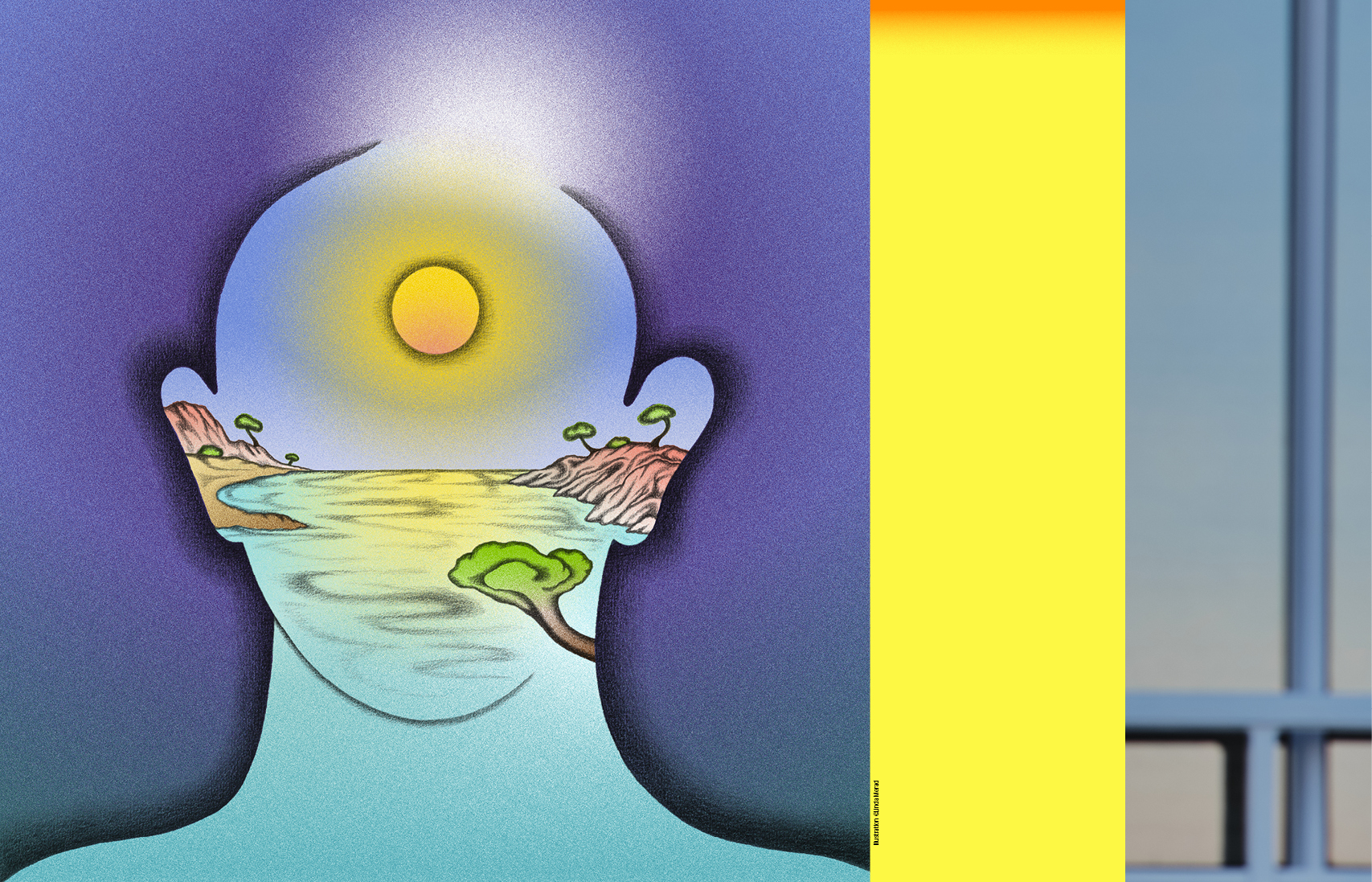
An association forum will be held in the Mucem forum (free access, subject to availability). The forum will provide an opportunity to meet and exchange ideas with associations working in the field of mental health, and to strengthen the links between mental health and creation.Le Friday, Oct 17, 2025
Le Saturday, Oct 18, 2025J4 / Forum
- Free of charge
Ateliers de l’Usine de Films Amateurs by Michel Gondry
In my right mind #2
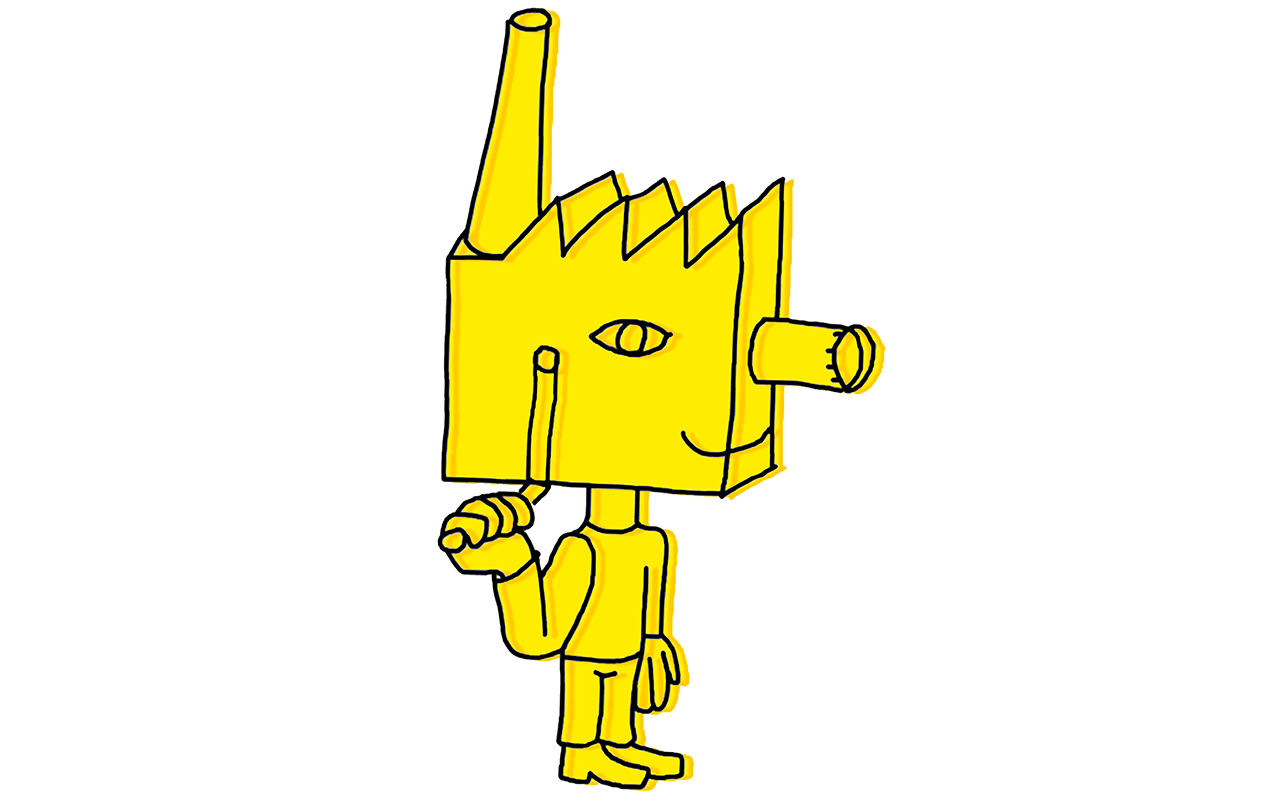
Like Jack Black and Mos Def in the film Soyez sympas, rembobinez, the Usine de Films Amateurs is an original protocol devised by director Michel Gondry, inviting participants to create a film from A to Z, collectively and in record time (3 hours).
No training is required, the aim is to take part in a participative and inclusive experience, and to have fun making your own film using the equipment provided. After an initial visit to the locations to be used as backdrops, the group gets down to the nitty-gritty, from writing the script and choosing the actors to shooting the film and producing the special effects they’ve “cobbled together” on the spot. Finally, it’s time for the screening of the collective short...From Saturday, Oct 18, 2025
to Saturday, Oct 18, 2025J4 / Forum
- Free of charge
Me too
In my right mind #2
In a movement comparable to that of #MeToo, certain artists and personalities are breaking the silence around mental health – whether their own or that of others – and paving the way for a destigmatization of this sensitive subject. Because to understand it, you often have to see or hear it, the word finally seems to be getting out, like that of Nicolas Demorand who, with his book Intérieur nuit, transforms a personal subject into a social issue. Before him, other personalities such...On Saturday, Oct 18, 2025
at 15h
J4 / Auditorium
- Free of charge
A crossroads between art and healthcare
In my right mind #2
Abraham Poincheval and Gurshad Shaheman, both artists and performers, explore in their artistic practices the links between creativity and madness, and take up issues of mental health. The exchange is based on the exhibition “Don Quichotte. Histoire de fou, histoire d’en rire” exhibition at the Mucem, and Abraham Poincheval’s performance “Chevalier errant”. Moderator: Olivia Gesbert, journalist, radio host and editor-in-chief of the Nouvelle Revue française...On Saturday, Oct 18, 2025
at 17h
J4 / Auditorium
- Free of charge
We also
In my right mind #2
Art and artistic and cultural practices facilitate inclusion and well-being, and help to change the way people look at things. So what role should they play in healthcare institutions? How can we make art and culture venues more welcoming, accessible and inclusive? This is what the Mucem has been experimenting with since October 2024 within its microstructure, a class that welcomes young people in situations of anxious school refusal. This session, an echo of “Me too”, tackles the...On Saturday, Oct 18, 2025
at 18h30
J4 / Auditorium
Delicate, by Florence Mendez
In my right mind #2
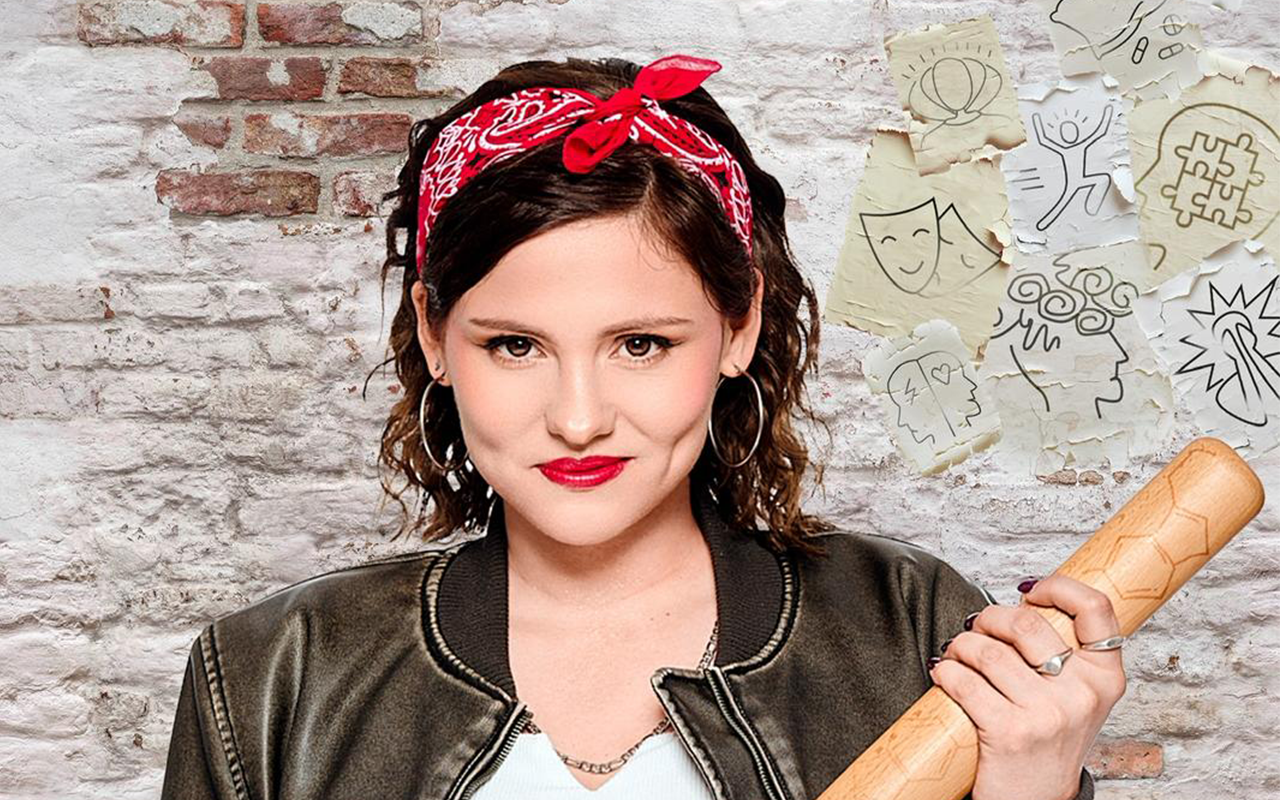
“You can never tell stupid people they’re stupid enough,” Florence Mendez would tell you! In a piquant, jubilant stand-up comedy, the strong-minded yet ultra-sensitive comedian looks back on her journey, which has been fraught with pitfalls. With her characteristic acid repartee and quick wit, she tells you her story, that of a young woman who could not be stopped by the rejection of difference and mental illness. Surprising, touching and maladjusted, Florence Mendez takes...On Saturday, Oct 18, 2025
at 20h30
J4 / Auditorium