Anti-racist, feminist and writer Maryse Condé's legacy
Les Procès du siècle - Which way to the future?
Moderator: Rokhaya Diallo
With Alice Diop (director) and Felisa Vergara Reynolds (professor of French literature, University of Illinois)
With the participation of Caroline Chenu, in charge of research and collections at Mucem.
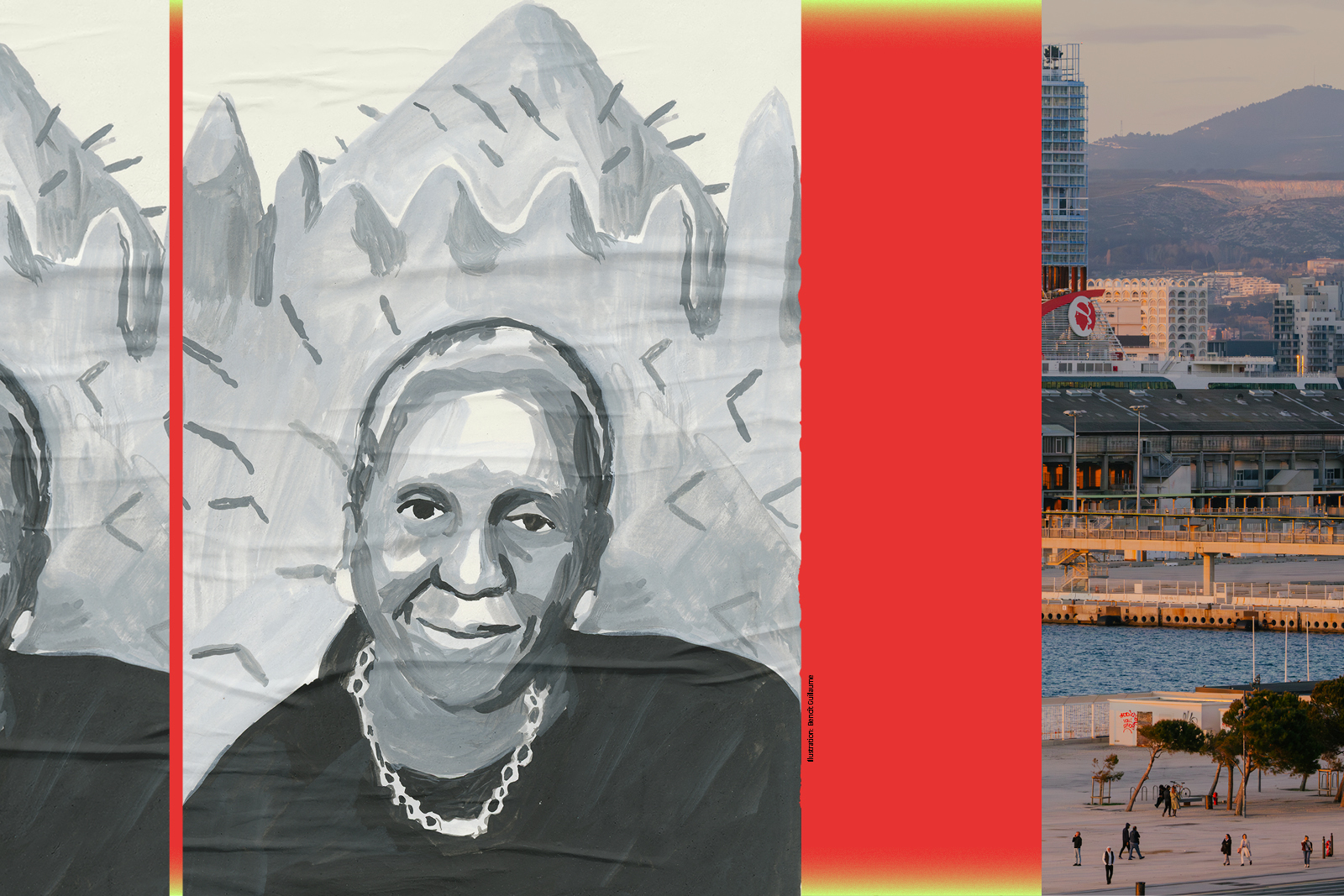
On the occasion of the anniversary of her birth and almost 2 years after her death, Les Procès du siècle revisits the figure of Maryse Condé, with whom the Mucem had the honor of building the event “Les amitiés de Maryse Condé” in November 2022.
In her works, the woman who discovered racism when she arrived in Paris to study, after growing up in Pointe-à-Pitre, has never ceased to tell of slavery, colonialism, migration, exile and racism, and to proclaim the freedom and strength of women to fight against domination. Like Tituba, the heroine of her famous novel Moi, Tituba, sorcière… noire de Salem, a young black woman born of the rape of her mother by an Englishman on a boat taking her to Barbados.
A committed and inspiring writer, how does her legacy live on through a new generation of artists and intellectuals?
After the meeting, appointment at the Bookshop table-shop from Mucem for a signing session.
In memory of Maryse Condé Saturday, February 14, 2026 at 1:30pm Bibliothèque l'Alcazar
Hommage à Maryse Condé proposed by La Collective, Comité Mam’Ega, Macaya, Mamanthé & Kadans Caraïbe
With Richard Philcox, Aïssata Seck, Gaël Octavia, Éva Doumbia, Felisa Vergara Reynolds, Gilles Benistri, Françoise Sémiramoth, Pascale Thériez.
Moderator: Stéphane Galland
Meet Saturday February 14, 2026 at 1:30pm at the Alcazar library (58 Cr Belsunce 13001 Marseille).
Biographies
Rokhaya Diallo - journalist, author, director
Rokhaya Diallo is an award-winning French journalist, author and film-maker. She is a columnist for the Washington Post and the Guardian, and a researcher at the Gender+Justice Initiative Research Center at Georgetown University (Washington). In France, she teaches cultural studies at Paris 1 – Sorbonne and is a columnist for television and radio. Rokhaya Diallo is the author of a dozen books and comic strips, and has made several documentaries. With Grace Ly, she also created “Kiffe Ta Race”, the first French-language podcast dedicated to racial issues and ranked as one of the best podcasts by Apple. In 2022, Rokhaya Diallo founded W.O.R.D., the first school dedicated to public speaking, with the aim of democratizing access to the public sphere. In March 2025, she published “Dictionnaire amoureux du féminisme” with Plon.
Alice Diop - Director
After obtaining a Master’s degree in History from Panthéon-Sorbonne University in 2001 and a Master’s degree in Visual Sociology in 2003, Alice Diop graduated from the Femis documentary workshop in 2005.
Since then, she has been writing and directing creative documentaries that have been screened at numerous international festivals, including the Berlinale, BFI London Film Festival, Karlovy-Vary, Viennale, Cinéma du Réel and others.
In 2017, she won the César for best short film for “Vers la Tendresse” as well as the grand prize at the Brive Festival. The same year, she won the grand prize in the French section of Cinéma du réel for her feature documentary “La Permanence”.
His film “Nous”, selected for competition at the Berlinale 2021, won the Berlinale’s Best Documentary Award and the Grand Prize in the Rencontres section. It went on to win the Prix Lumière for Best Documentary in 2023, and was a great success with critics and audiences alike.
His first feature film, “Saint Omer”, selected for official competition at the 2022 Venice Film Festival, won the Silver Lion and the Lion of the Future, as well as other awards at numerous international festivals. “Saint Omer” also represented France at the Oscars in 2022.
Alongside her career as a filmmaker, Alice Diop has continued to work in the academic field, driven by her desire for research and her belief in the importance of transmission. Since 2014, she has been a faculty member at Ateliers Varan, a film school founded in Paris by filmmaker and anthropologist Jean Rouch. She regularly runs workshops and master classes at French and American universities: Université Paris 8, Paris 1, La Femis, Science Po, as well as Columbia, NYU, Bennington, Yale and Harvard.
She was a visiting professor at Harvard University in the Department of Art, Film and Visual Studies during the 2024-2025 academic year.
In 2021, it founded the Cinémathèque idéale des banlieues du Monde in collaboration with the Centre George Pompidou in Paris. The CIBM is a research, programming and distribution center dedicated to the cinemas of the world’s suburbs. Its aim is to restore, archive, collect, disseminate and promote the ways in which filmmakers in France and abroad have taken an interest in the margins and peripheries of cities. The success of the three-day program organized by Alice Diop in 2022 prompted the Centre Pompidou to make it a regular event, forging links and exchanges between filmmakers of different generations.
In residence at New York’s Villa Albertine in 2022, she researched the work of African-American poets such as Robin Costes Lewis, Claudia Rankine, June Jordan and Lucille Clinton. In November 2023, the Festival d’Automne à Paris gave her carte blanche to introduce French audiences to the work of these women, as part of an Afro-diasporic conversation combining theatrical performances, live shows, film screenings and readings. The public and critical success of the event prompted her to launch her first theatrical production for the 2025 season, based on Robin Costes Lewis’s collection of poems, “Voyage of the Sable Venus and other poems”.
She has directed a short film, “Fragments for Venus”, inspired by the work of Robin Coste Lewis. The film premiered at the opening of the Giornate dei Autori section of the Venice Film Festival 2025, and was screened at the NYFF and BFI London in October 2025.
Alice Diop is currently working on her next feature film, a free adaptation of one of the monuments of 20th-century literature and anthropology: Michel Leiris’s “Phantom Africa”.
Felisa Vergara Reynolds - Professor of French literature
Felisa Vergara Reynolds is Professor of French Literature at the University of Illinois. A specialist in the French literature of the West Indies, West Africa and North Africa, her research focuses on the legacies of colonialism and their traces in postcolonial cultural productions.
She is the author of The Author as Cannibal: Re-Writing in Francophone Literature as a Postcolonial Genre (1969-1995)published in 2021 by the University of Nebraska Press.
She is also co-editor, with Kate Hodgson, of the volume Maryse Condé and Caribbean Crossings, to be published this year by Liverpool University Press, which includes her chapter entitled: ” Maryse Condé’s L’évangile du nouveau monde: One Final Crossing, One Final Cannibalization”. She is currently working on a second book, French or Francophone: The Legacy of the Manifesto for a World Literature, to be published by the University of Edinburgh Press.
His published and forthcoming articles include:
– “Minority Identities Amidst an Oppressive Universalism: The Role of the Podcast Kiffe ta Race in France.” (Liverpool University Press, 2023).
– ” Archives, Power, and the Limits of Official Memory: The Stora Report and Postcolonial France “, in (Post)Colonial Archives: Commemoration, Preservation, and Erasure (forthcoming in Routledge Studies in Archives).
– ” The Impossible Return: What Is Maryse Condé to Africa? “, forthcoming in Research in African Literatures.
Moderator: Rokhaya Diallo
With Alice Diop (director) and Felisa Vergara Reynolds (professor of French literature, University of Illinois)
With the participation of Caroline Chenu, in charge of research and collections at Mucem.
On the occasion of the anniversary of her birth and almost 2 years after her death, Les Procès du siècle revisits the figure of Maryse Condé, with whom the Mucem had the honor of building the event “Les amitiés de Maryse Condé” in November 2022.
In her works, the woman who discovered racism when she arrived in Paris to study, after growing up in Pointe-à-Pitre, has never ceased to tell of slavery, colonialism, migration, exile and racism, and to proclaim the freedom and strength of women to fight against domination. Like Tituba, the heroine of her famous novel Moi, Tituba, sorcière… noire de Salem, a young black woman born of the rape of her mother by an Englishman on a boat taking her to Barbados.
A committed and inspiring writer, how does her legacy live on through a new generation of artists and intellectuals?
After the meeting, appointment at the Bookshop table-shop from Mucem for a signing session.
In memory of Maryse Condé Saturday, February 14, 2026 at 1:30pm Bibliothèque l'Alcazar
Hommage à Maryse Condé proposed by La Collective, Comité Mam’Ega, Macaya, Mamanthé & Kadans Caraïbe
With Richard Philcox, Aïssata Seck, Gaël Octavia, Éva Doumbia, Felisa Vergara Reynolds, Gilles Benistri, Françoise Sémiramoth, Pascale Thériez.
Moderator: Stéphane Galland
Meet Saturday February 14, 2026 at 1:30pm at the Alcazar library (58 Cr Belsunce 13001 Marseille).
Biographies
Rokhaya Diallo - journalist, author, director
Rokhaya Diallo is an award-winning French journalist, author and film-maker. She is a columnist for the Washington Post and the Guardian, and a researcher at the Gender+Justice Initiative Research Center at Georgetown University (Washington). In France, she teaches cultural studies at Paris 1 – Sorbonne and is a columnist for television and radio. Rokhaya Diallo is the author of a dozen books and comic strips, and has made several documentaries. With Grace Ly, she also created “Kiffe Ta Race”, the first French-language podcast dedicated to racial issues and ranked as one of the best podcasts by Apple. In 2022, Rokhaya Diallo founded W.O.R.D., the first school dedicated to public speaking, with the aim of democratizing access to the public sphere. In March 2025, she published “Dictionnaire amoureux du féminisme” with Plon.
Alice Diop - Director
After obtaining a Master’s degree in History from Panthéon-Sorbonne University in 2001 and a Master’s degree in Visual Sociology in 2003, Alice Diop graduated from the Femis documentary workshop in 2005.
Since then, she has been writing and directing creative documentaries that have been screened at numerous international festivals, including the Berlinale, BFI London Film Festival, Karlovy-Vary, Viennale, Cinéma du Réel and others.
In 2017, she won the César for best short film for “Vers la Tendresse” as well as the grand prize at the Brive Festival. The same year, she won the grand prize in the French section of Cinéma du réel for her feature documentary “La Permanence”.
His film “Nous”, selected for competition at the Berlinale 2021, won the Berlinale’s Best Documentary Award and the Grand Prize in the Rencontres section. It went on to win the Prix Lumière for Best Documentary in 2023, and was a great success with critics and audiences alike.
His first feature film, “Saint Omer”, selected for official competition at the 2022 Venice Film Festival, won the Silver Lion and the Lion of the Future, as well as other awards at numerous international festivals. “Saint Omer” also represented France at the Oscars in 2022.
Alongside her career as a filmmaker, Alice Diop has continued to work in the academic field, driven by her desire for research and her belief in the importance of transmission. Since 2014, she has been a faculty member at Ateliers Varan, a film school founded in Paris by filmmaker and anthropologist Jean Rouch. She regularly runs workshops and master classes at French and American universities: Université Paris 8, Paris 1, La Femis, Science Po, as well as Columbia, NYU, Bennington, Yale and Harvard.
She was a visiting professor at Harvard University in the Department of Art, Film and Visual Studies during the 2024-2025 academic year.
In 2021, it founded the Cinémathèque idéale des banlieues du Monde in collaboration with the Centre George Pompidou in Paris. The CIBM is a research, programming and distribution center dedicated to the cinemas of the world’s suburbs. Its aim is to restore, archive, collect, disseminate and promote the ways in which filmmakers in France and abroad have taken an interest in the margins and peripheries of cities. The success of the three-day program organized by Alice Diop in 2022 prompted the Centre Pompidou to make it a regular event, forging links and exchanges between filmmakers of different generations.
In residence at New York’s Villa Albertine in 2022, she researched the work of African-American poets such as Robin Costes Lewis, Claudia Rankine, June Jordan and Lucille Clinton. In November 2023, the Festival d’Automne à Paris gave her carte blanche to introduce French audiences to the work of these women, as part of an Afro-diasporic conversation combining theatrical performances, live shows, film screenings and readings. The public and critical success of the event prompted her to launch her first theatrical production for the 2025 season, based on Robin Costes Lewis’s collection of poems, “Voyage of the Sable Venus and other poems”.
She has directed a short film, “Fragments for Venus”, inspired by the work of Robin Coste Lewis. The film premiered at the opening of the Giornate dei Autori section of the Venice Film Festival 2025, and was screened at the NYFF and BFI London in October 2025.
Alice Diop is currently working on her next feature film, a free adaptation of one of the monuments of 20th-century literature and anthropology: Michel Leiris’s “Phantom Africa”.
Felisa Vergara Reynolds - Professor of French literature
Felisa Vergara Reynolds is Professor of French Literature at the University of Illinois. A specialist in the French literature of the West Indies, West Africa and North Africa, her research focuses on the legacies of colonialism and their traces in postcolonial cultural productions.
She is the author of The Author as Cannibal: Re-Writing in Francophone Literature as a Postcolonial Genre (1969-1995)published in 2021 by the University of Nebraska Press.
She is also co-editor, with Kate Hodgson, of the volume Maryse Condé and Caribbean Crossings, to be published this year by Liverpool University Press, which includes her chapter entitled: ” Maryse Condé’s L’évangile du nouveau monde: One Final Crossing, One Final Cannibalization”. She is currently working on a second book, French or Francophone: The Legacy of the Manifesto for a World Literature, to be published by the University of Edinburgh Press.
His published and forthcoming articles include:
– “Minority Identities Amidst an Oppressive Universalism: The Role of the Podcast Kiffe ta Race in France.” (Liverpool University Press, 2023).
– ” Archives, Power, and the Limits of Official Memory: The Stora Report and Postcolonial France “, in (Post)Colonial Archives: Commemoration, Preservation, and Erasure (forthcoming in Routledge Studies in Archives).
– ” The Impossible Return: What Is Maryse Condé to Africa? “, forthcoming in Research in African Literatures.
Related activities or events
View full agenda- Free of charge
The Inquiry Commission
Les procès du siècle - Which way to the future?
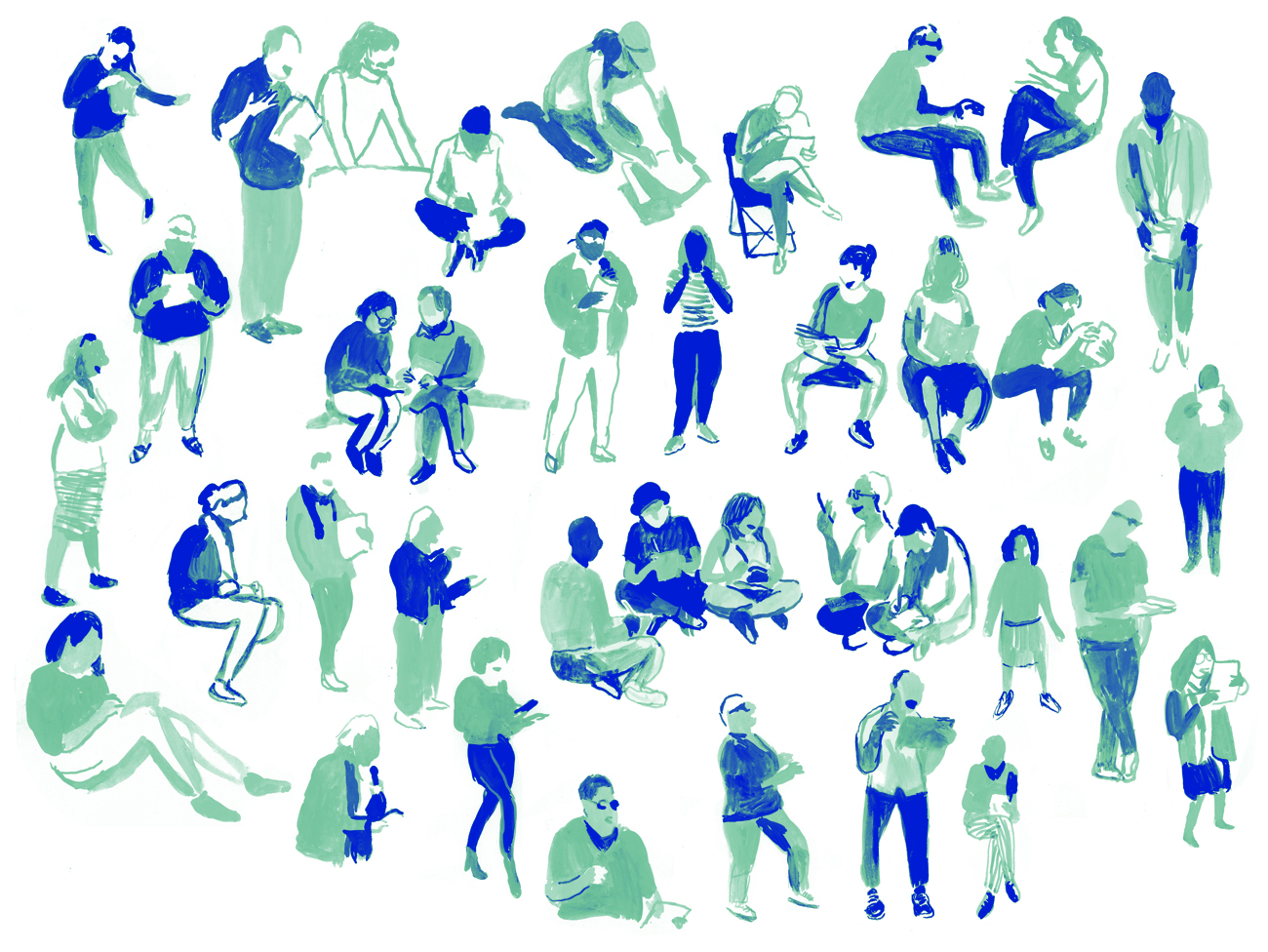
The Commission of Inquiry is a workshop for reflection and discussion open to all, during which participants play at thinking, putting points of view into dialogue and embodying different experiences.
For half a day, participants take up the subject of the next Trial of the Century and learn together how to develop arguments and testimonies, some of which can be put on the stand and debated at the next Trial of the Century. Between the art of persuasion and theater, the Commission of Inquiry brings a civil counterpoint to debates, because the issues of our world are everyone’s business. A proposal led, depending on the dates, by Grégoire Ingold (director) and Fabienne Jullien (actress)...From Saturday, Nov 15, 2025
to Saturday, Mar 14, 2026at 14h
Fort Saint-Jean / MucemLab
- Free of charge
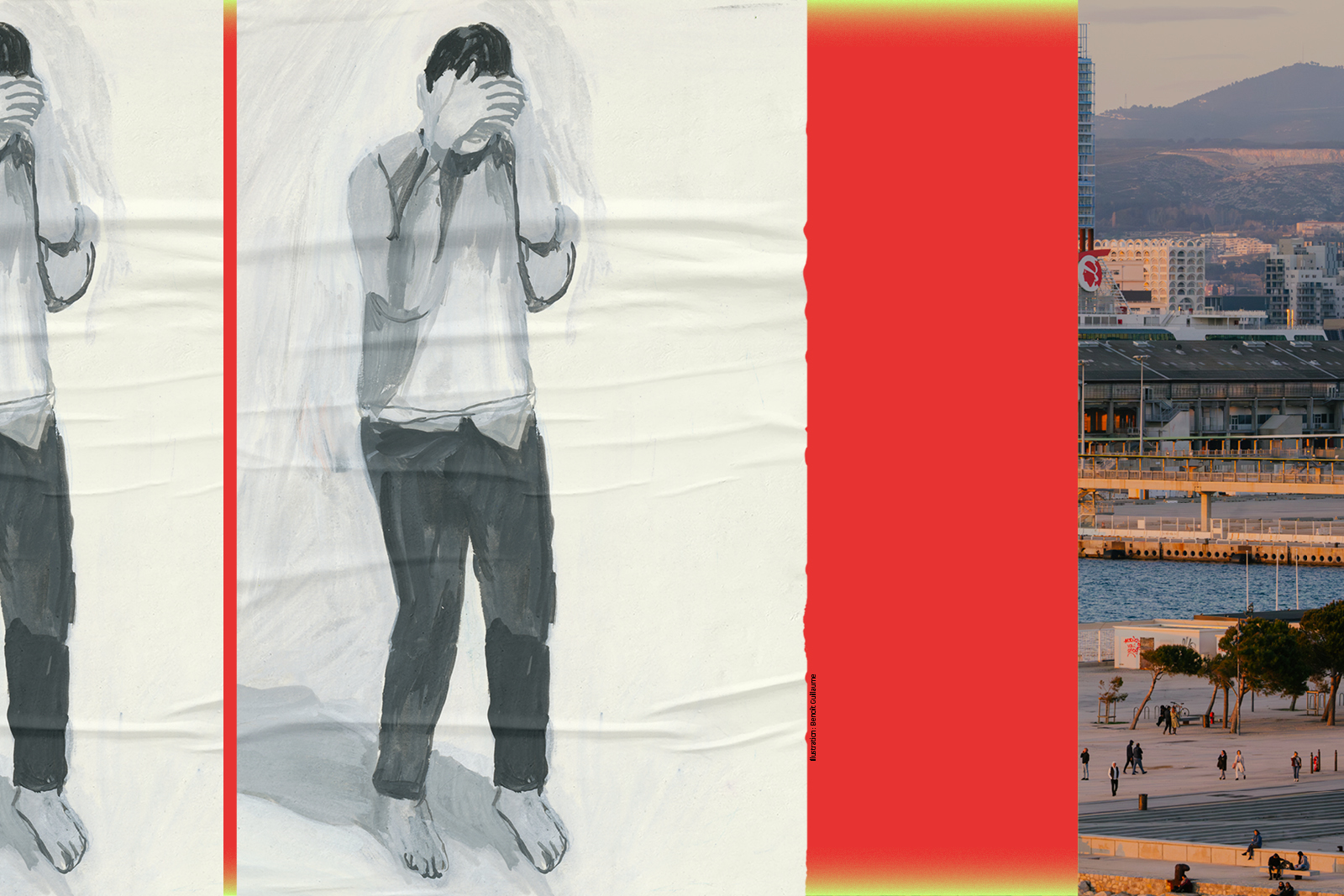
Does this world drive you crazy?
Les Procès du siècle - Which way to the future?
Moderator: Paloma Moritz With Mathieu Bellahsen (psychiatrist and author, whistleblower) and Nelly Pons (author)
With the participation of Anna Millers, heritage curator in charge of the Techniques, practices and narratives of the body section at Mucem. Mega-fires, floods, cyclones, droughts. Populism, wars, terrorist attacks. Burn-out, depression, addiction, eco-anxiety. The news of our world resonates painfully. What about the links between an exhausted world, under stress, and our mental health? How do we maintain them? How can we resist and feel well in a world that is faltering and exhausted? ...On Monday, Nov 17, 2025
at 19h
J4 / Auditorium
- Free of charge
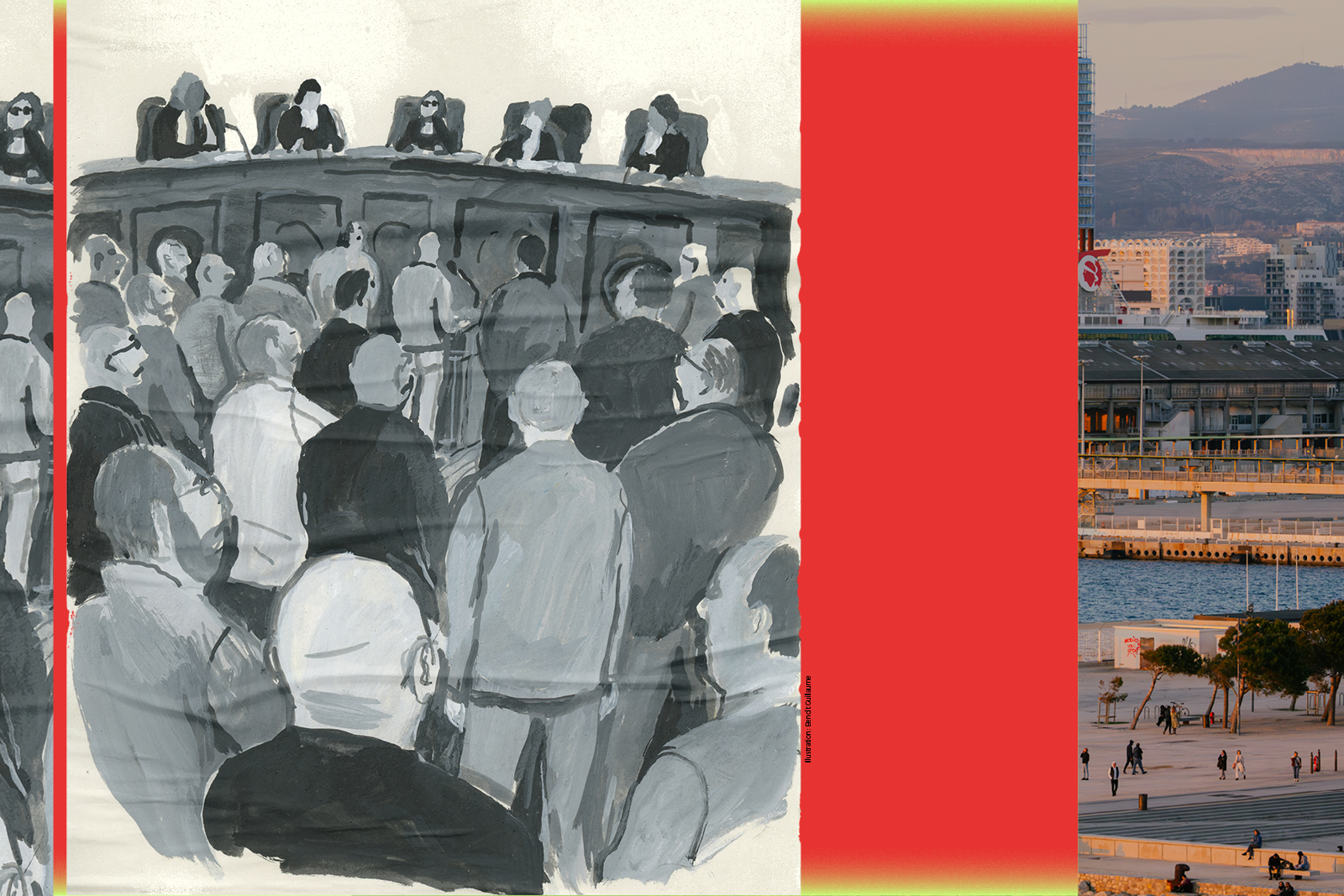
Are all men guilty?
Les Procès du siècle - Which way to the future?
Moderator: Rokhaya Diallo With Giulia Foïs (journalist) and Corentin Legras (doctoral student in anthropology)
With the participation of Caroline Chenu, in charge of research and collections at Mucem. “Not all men”? And yet. There are a great many of them, and they bear a striking resemblance to the men we are and those around us. This is what the Mazan trial, among others, has brought to light, and the many debates it has raised about society’s collective responsibility. So, how can we continue to fight against this dynamic of violence which seems to be a system in our patriarchal...On Monday, Nov 24, 2025
at 19h
J4 / Auditorium
- Free of charge
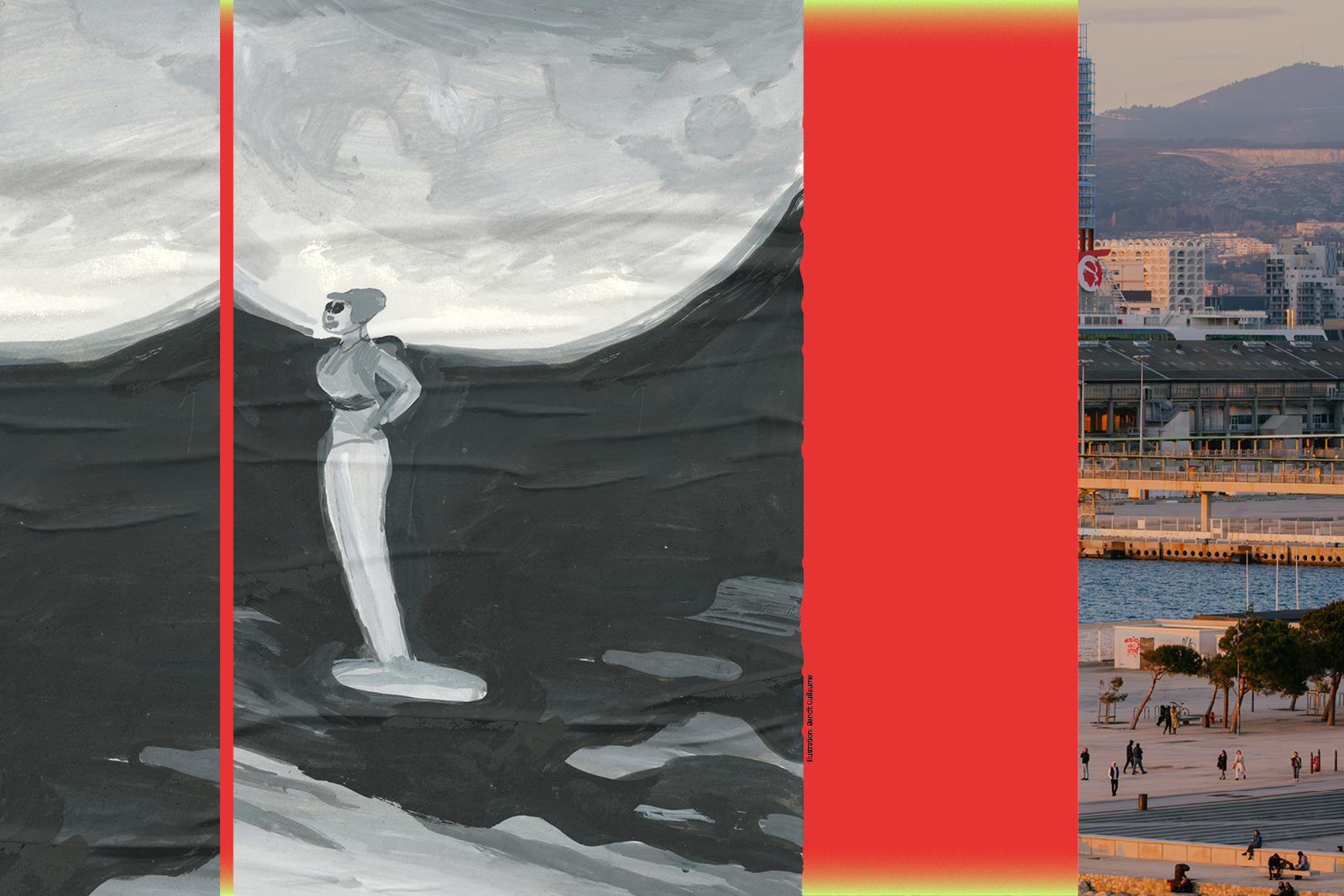
Welcome to science fiction
Les Procès du siècle - Which way to the future?
Moderator: François Saltiel With Catherine Dufour (computer scientist and writer) and Yannick Rumpala (lecturer in political science at Université Nice Côte d'Azur)
With the participation of Elise Vanriest-Dabek, heritage curator, head of the Collections and Documentary Resources Department at Mucem. Dystopia, devastated planet, search for planet B, societies under generalized surveillance. Green utopia, women in power, self-management, sobriety. Science-fiction stories feed our imaginations and help us to project ourselves. Prophecy, outlet or cry of alarm? Catastrophism or optimism? What science fiction do we need today to envision tomorrow? After...On Monday, Dec 1, 2025
at 19h
J4 / Auditorium
- Free of charge
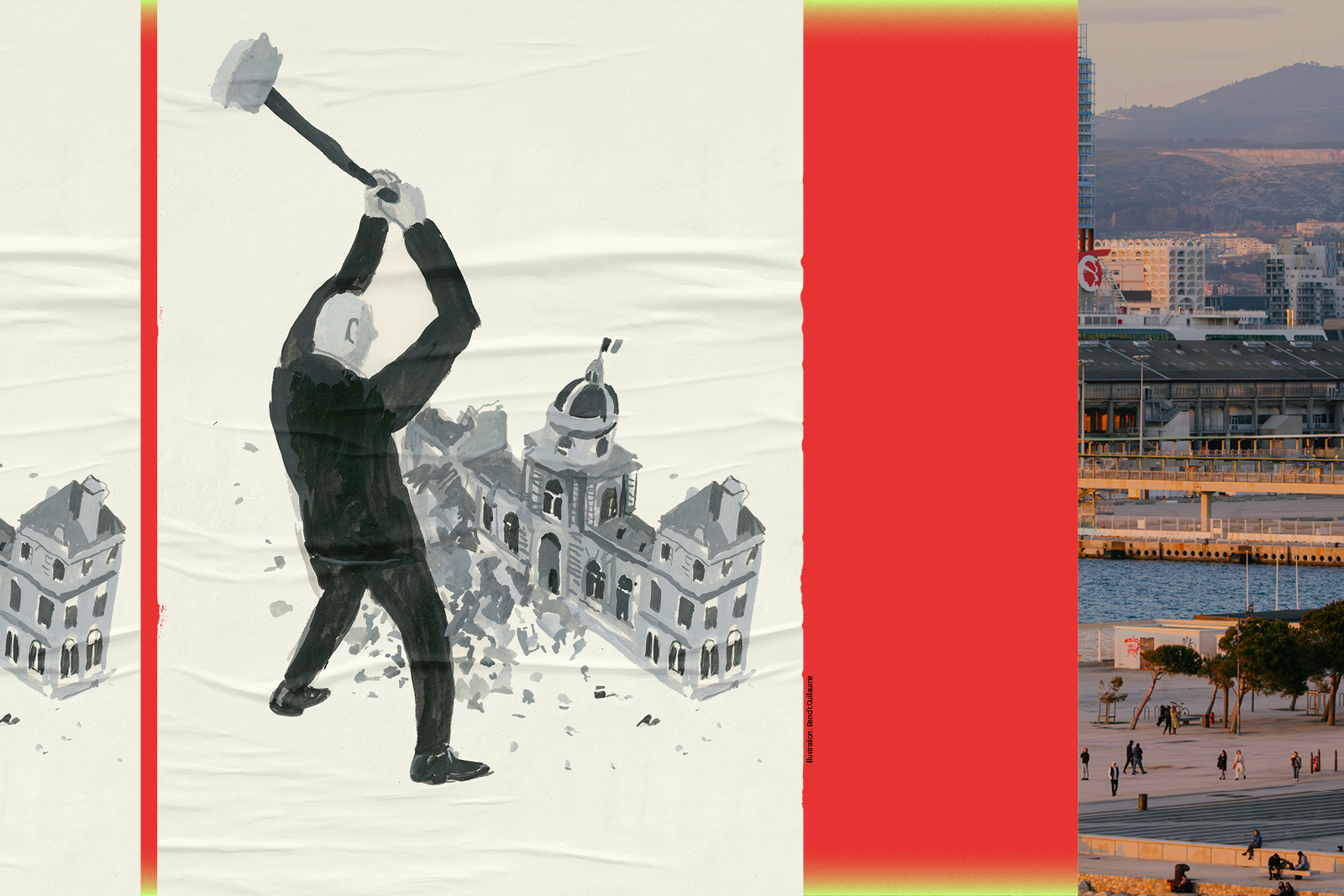
Save the rule of law
Les Procès du siècle - Which way to the future?
Moderated by Thomas Legrand With Claire Hédon (journalist, human rights advocate) and Raphaël Kempf (lawyer)
With the participation of Mireille Jacotin, Head Curator of Heritage, in charge of the Public Life Department at Mucem. Are we witnessing the end of a cycle of “free” democracies around the world? Rising nationalism, illiberal governments, attacks on basic freedoms… in the face of the multiple assaults to which these regimes are subjected, are the rule of law and justice sufficiently effective and protective bulwarks? How can they stand up when populists see them as ready-made...On Monday, Dec 8, 2025
at 19h
J4 / Auditorium
- Free of charge
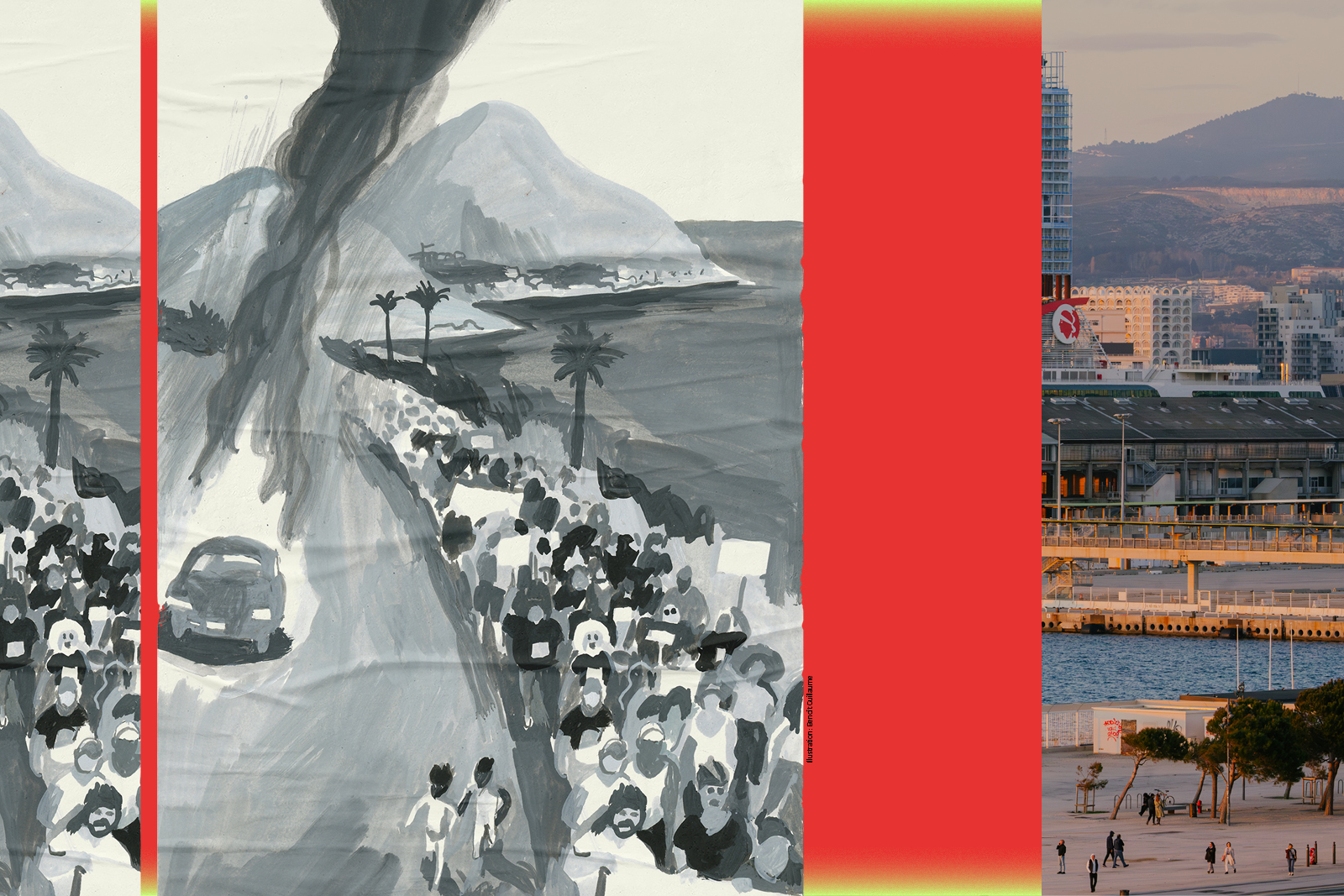
Overseas: relegated territories, sacrificed territories?
Les Procès du siècle - Which way to the future?
Moderator: Nora Hamadi With Malcom Ferdinand (environmental engineer) and Benoît Trépied (anthropologist)
With the participation of Françoise Dallemagne, in charge of research and collections at Mucem. Environmental scandals, high living costs, struggles for autonomy: the French overseas territories are facing a host of challenges in which the weight of the past and colonial logics still weigh heavily. Between tourist postcard clichés and uncontrolled lawless zones, how can these territories find their rightful place, specific and singular, far from these stereotyped and instrumentalized images?...On Monday, Dec 15, 2025
at 19h
J4 / Auditorium
- Free of charge
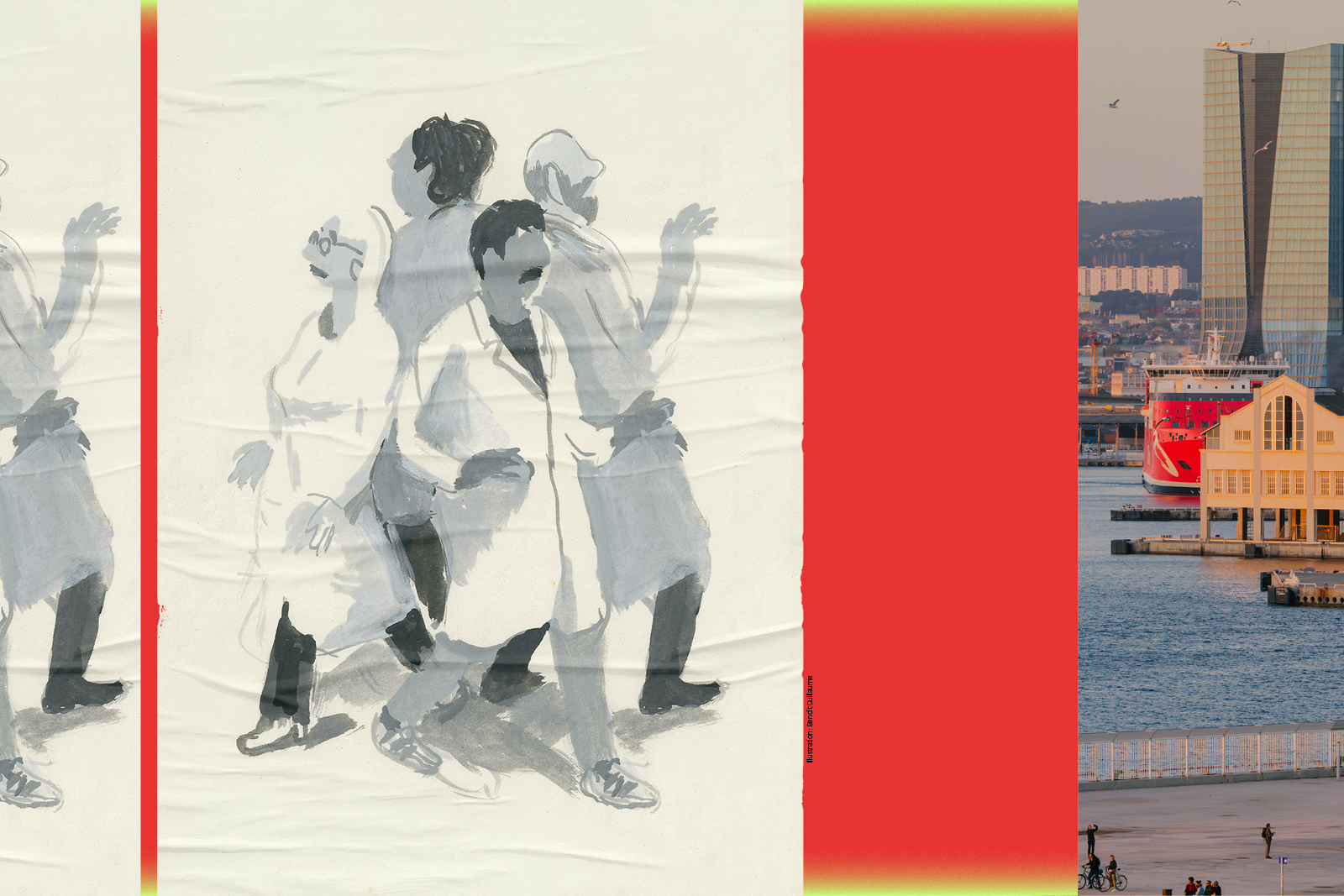
Science alert
Les Procès du siècle - Which way to the future?
Moderator: François Saltiel With David Chavalarias (mathematician and writer) and Valérie Masson-Delmotte (climatologist, research director at CEA)
With the participation of Enguerrand Lascols, heritage curator, head of the Domestic Life department at Mucem. Withdrawal of funding, redundancies, censorship of data: in the United States, certain areas of research and science are in such peril that they are referred to as an “anti-science crusade”. At the same time, conspiracy theories and fake news are fuelling mistrust of proven scientific truths. Faced with the danger of new obscurantisms and threats to scientific...On Monday, Jan 5, 2026
at 19h
J4 / Auditorium
- Free of charge
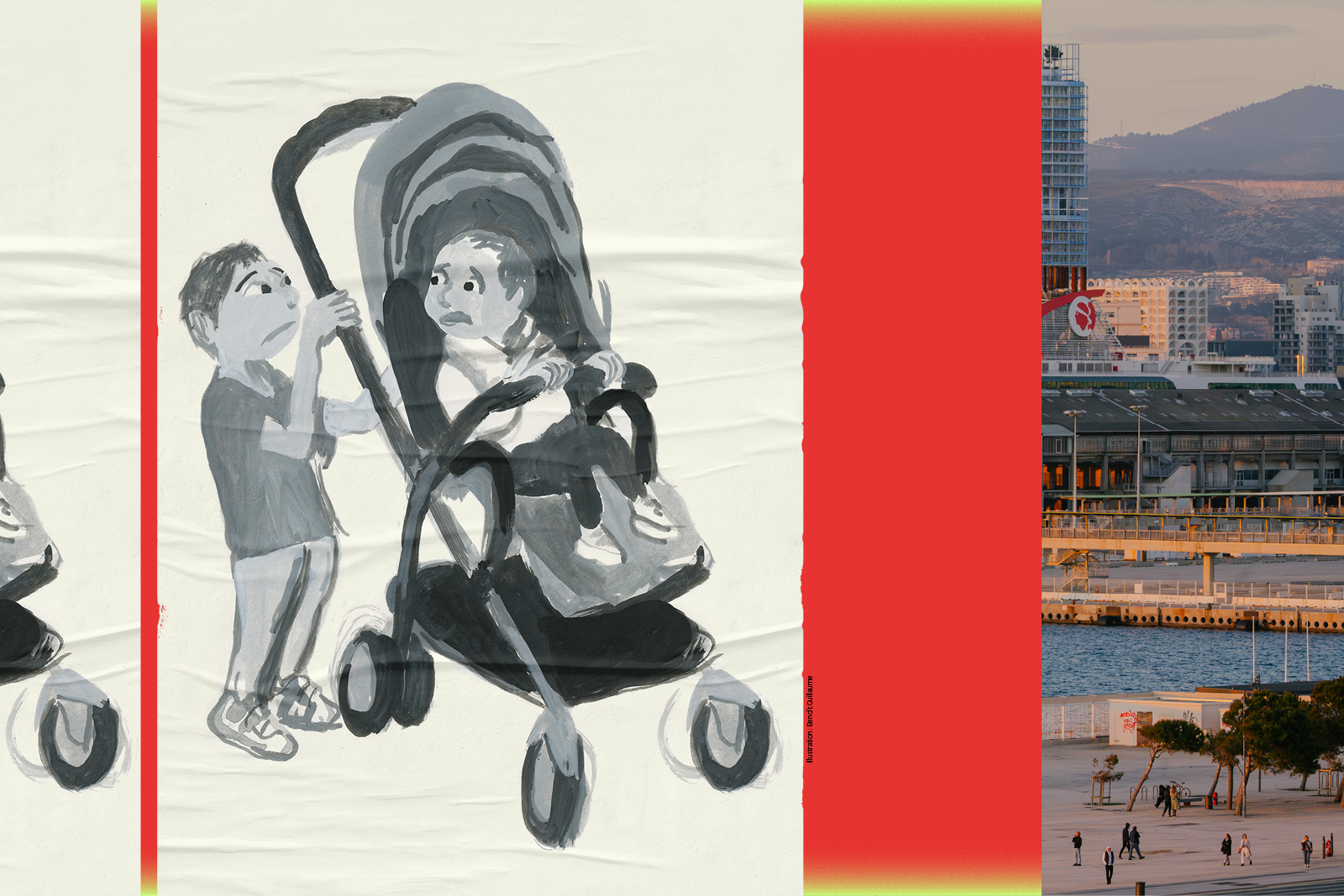
And what about the children?
Les Procès du siècle - Which way to the future?
Moderator: Rokhaya Diallo With : Cécile Cée (artist, author) and Lyes Louffok (head of a child protection service, lawyer, children's rights activist)
With the participation of Cléo Arnod, heritage curator in charge of the Clothing, Costume and Textile Department at Mucem. Incest, child abuse, rape, violence in the family and educational spheres. Children’s social welfare is running out of steam. Does our society really protect children? Is it enabling them to develop into individuals who respect others and the world around them? The cases and scandals that are now surfacing after decades of silence are revealing dysfunctions and...On Monday, Jan 12, 2026
at 19h
J4 / Auditorium
- Free of charge
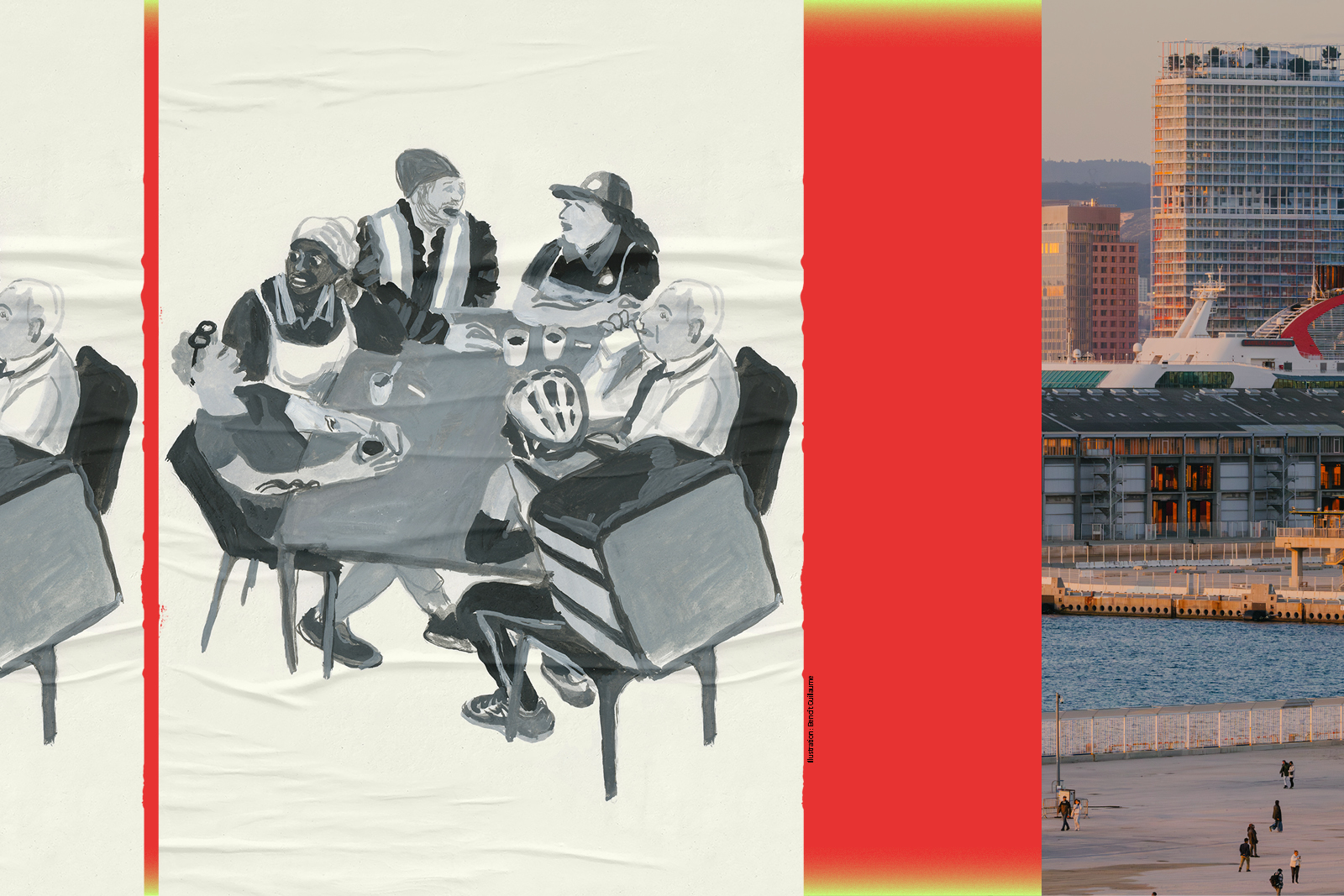
Working better to win together
Les Procès du siècle - Which way to the future?
Moderator: Nora Hamadi With Nicolas Framont (sociologist, founder and editor-in-chief of Frustration Magazine) and Pauline Rochart (independent consultant, author)
With the participation of Mireille Jacotin, Head Curator of Heritage, in charge of the Public Life Department at Mucem. Pension reform, uberization, malaise at work, loss of meaning, youth and senior unemployment: do we need to rethink the world of work and the time we devote to it? Between union mobilizations, legal reforms and social utopias, is the world of work a space we can reclaim together? After the meeting, join us for a signing session at the Mucem Librairie-boutique.On Monday, Jan 19, 2026
at 19h
J4 / Auditorium
- Free of charge
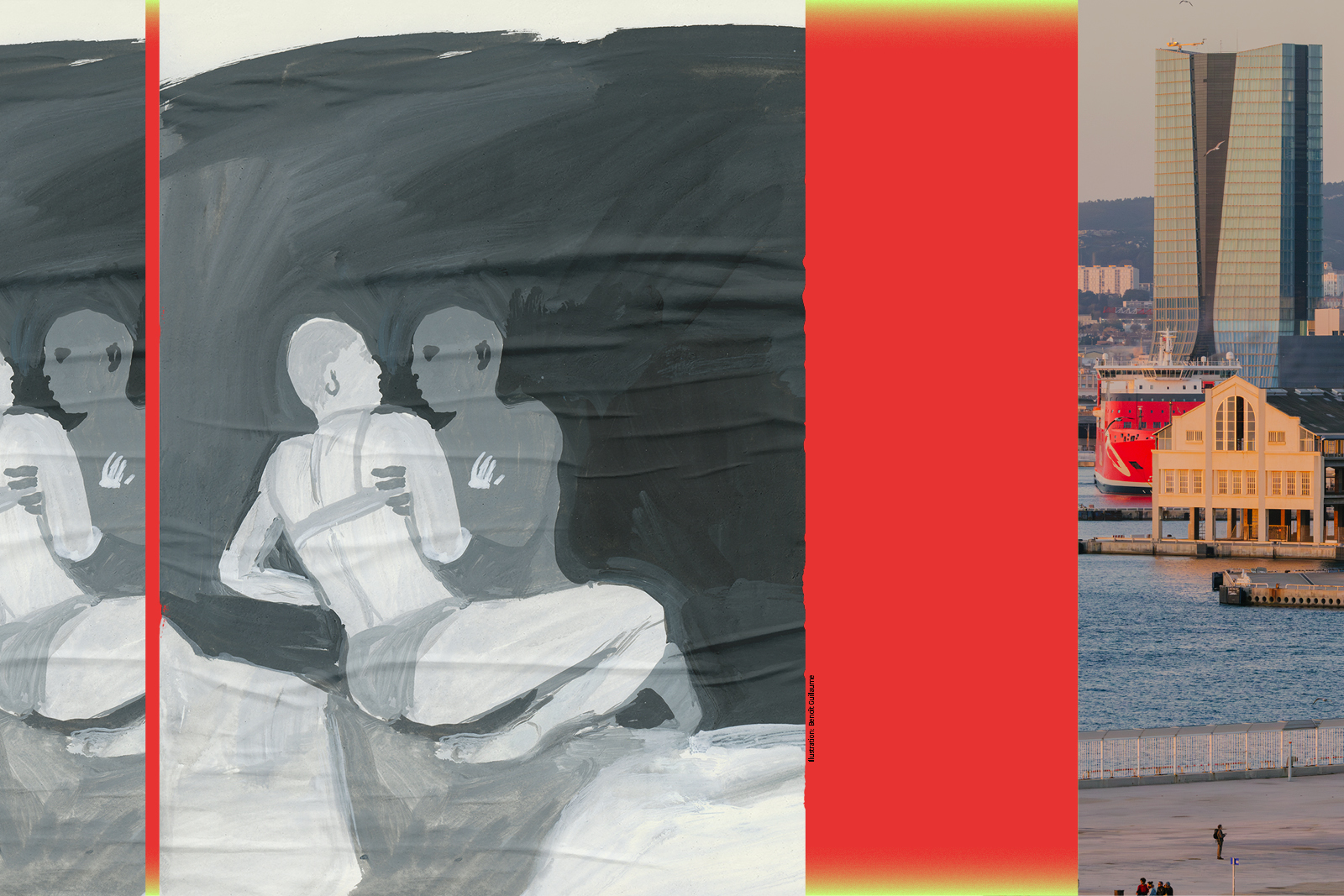
Intimate news
Les Procès du siècle - Which way to the future?
Moderator: Naya Ali With Marie Bergström (sociologist and researcher at Ined) and Axelle Jah Njiké (Afropean author, podcaster, documentary filmmaker and playwright)
With the participation of Anna Millers, heritage curator in charge of the Techniques, practices and narratives of the body section at Mucem. Less committed, more fluid, more numerous or later: where do our intimacies stand, and how do we view them? Never have the younger generations been so exposed to discourses on sexuality. With the Internet, social networks and militant accounts, learning about intimacy no longer comes solely from experience or family transmission. Has this proliferation of...On Monday, Jan 26, 2026
at 19h
J4 / Auditorium
- Free of charge
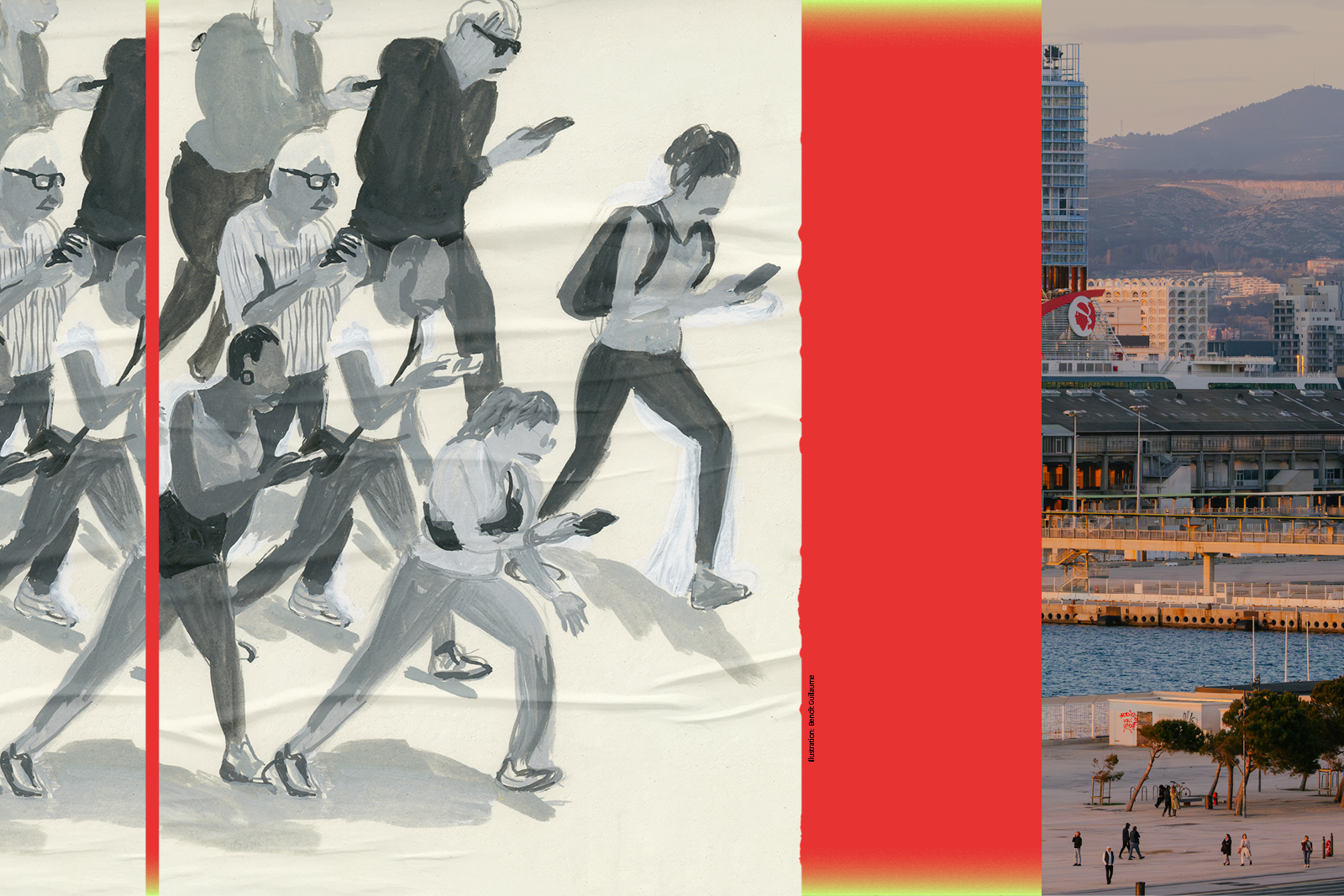
Trust me... how do you find your way through the information chaos?
Les Procès du siècle - Which way to the future?
Moderator: François Saltiel With Béatrice Bouniol (journalist, La Croix) and Pauline Amiel, lecturer in information communication, director of EJCAM and vice-president communications, amU
With the participation of Mireille Jacotin, Head Curator of Heritage, in charge of the Public Life Department at Mucem. Information is pouring in from all sides, sometimes non-stop, sometimes in-depth, sometimes hot off the press. Buying, selling, shareholding… the media are increasingly losing their independence from economic and political power. So, who can we trust in terms of investigative work and sources, and how can we spot fake news? How can we (re)create engaged and free media...On Monday, Feb 2, 2026
at 19h
J4 / Auditorium
- Free of charge
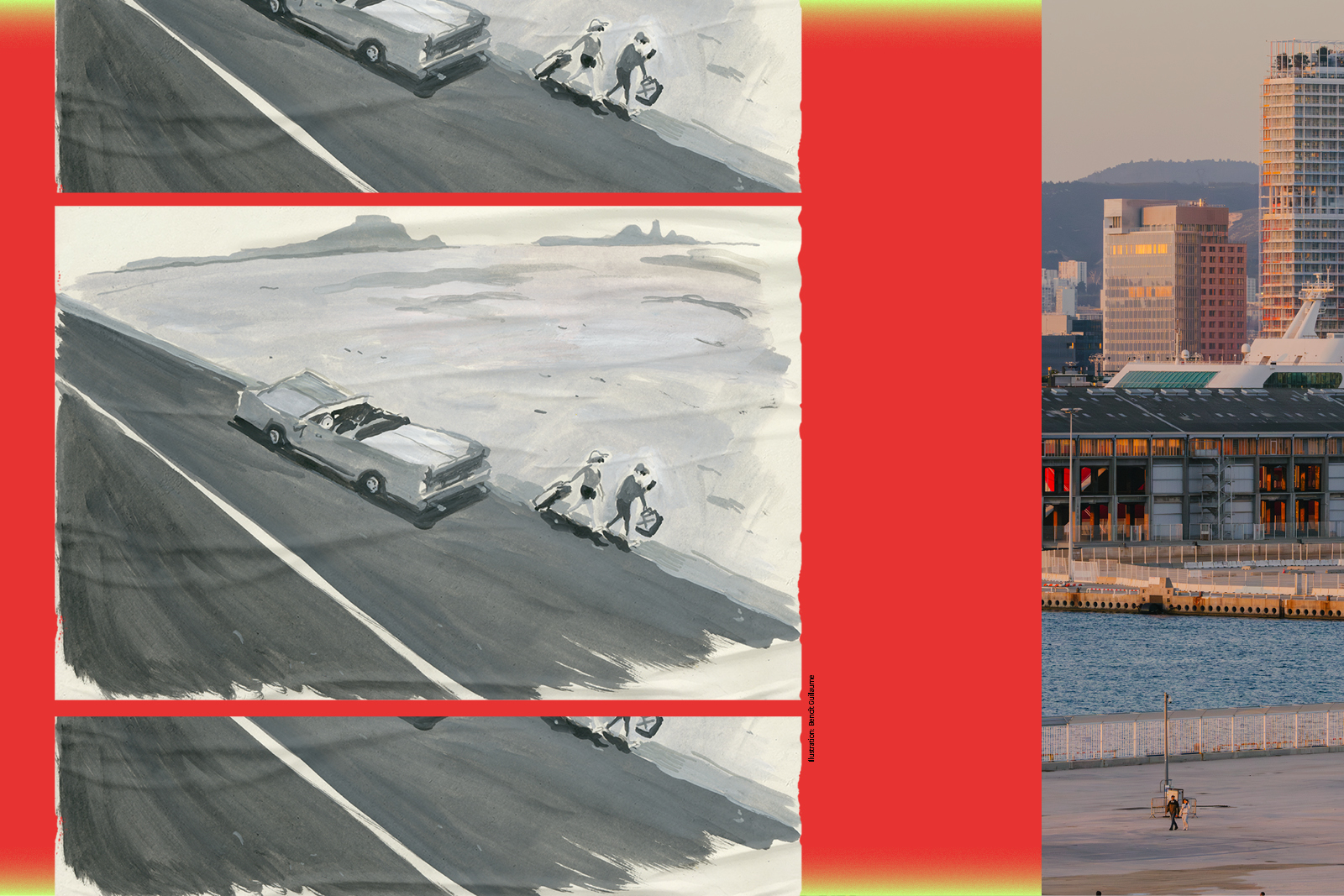
We've made the most of it, and now what's the plan?
Les Procès du siècle - Which way to the future?
Moderated by Thomas Legrand With Céline Marty (philosopher) and Cédric Durand (economist)
With the participation of Enguerrand Lascols, heritage curator, head of the Domestic Life department at Mucem. In a world that is becoming increasingly uninhabitable by the day, how and to what extent can we change our model? It’s time to make up our minds. Planning, bifurcation, transition, green growth, degrowth, sobriety: what exactly do these terms mean, and what changes do they suggest for the future?On Monday, Feb 9, 2026
at 19h
J4 / Auditorium
- Free of charge
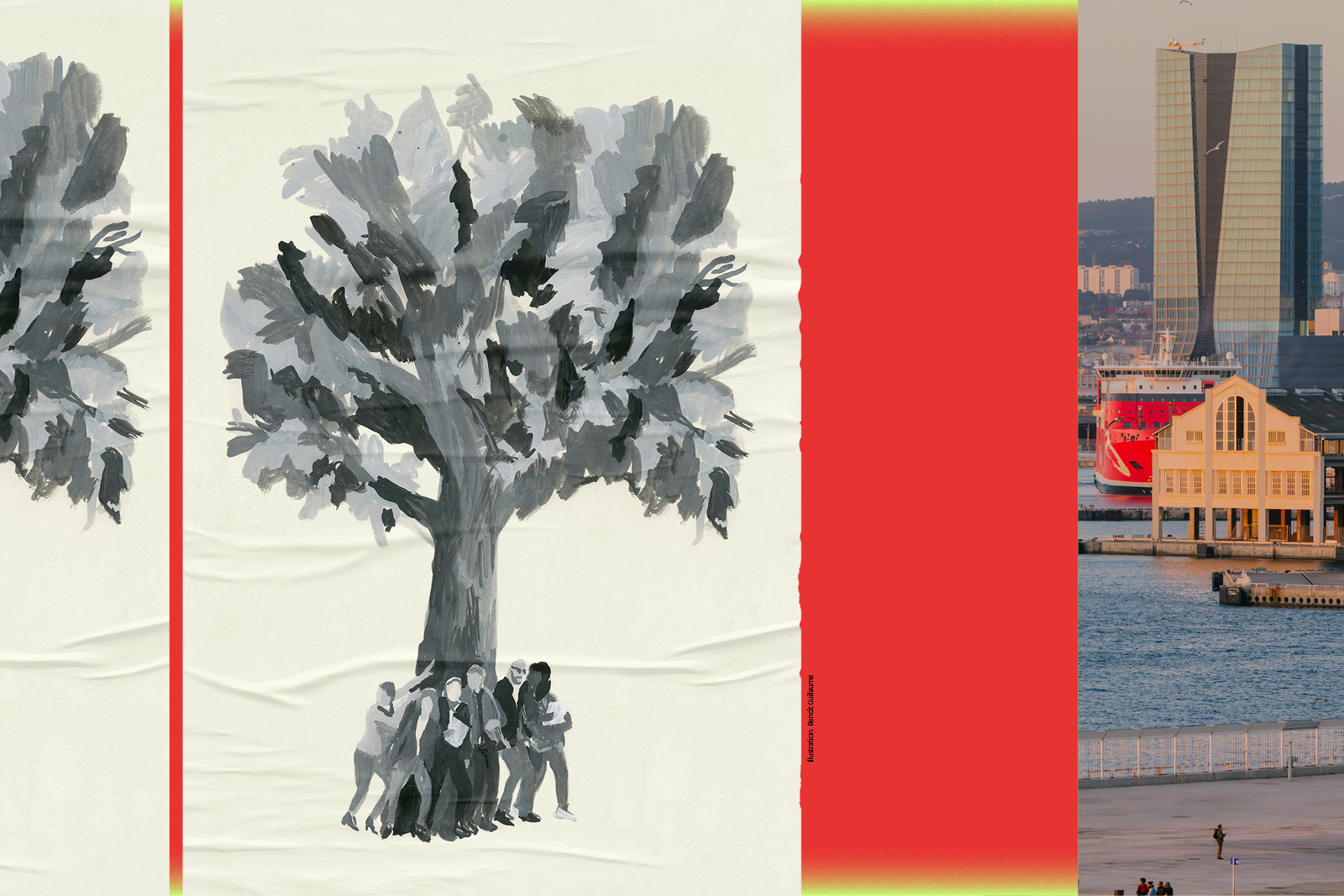
Are there any good lobbies?
Les Procès du siècle - Which way to the future?
Moderator: Nora Hamadi With Jérôme Karsenti (criminal lawyer) and Lucie Pinson (activist, founder of the NGO Reclaim Finance)
With the participation of Mireille Jacotin, Head Curator of Heritage, in charge of the Public Life Department at Mucem. There are said to be 2,462 lobbyists in France according to the number registered in the directory of the Haute Autorité pour la Transparence de la Vie Publique (HATVP) as required by the Sapin II law since 2016. But what’s behind this figure? Are these interest groups threatening or virtuous for democratic debate? The game of influence goes on in political corridors,...On Monday, Feb 23, 2026
at 19h
J4 / Auditorium
- Free of charge
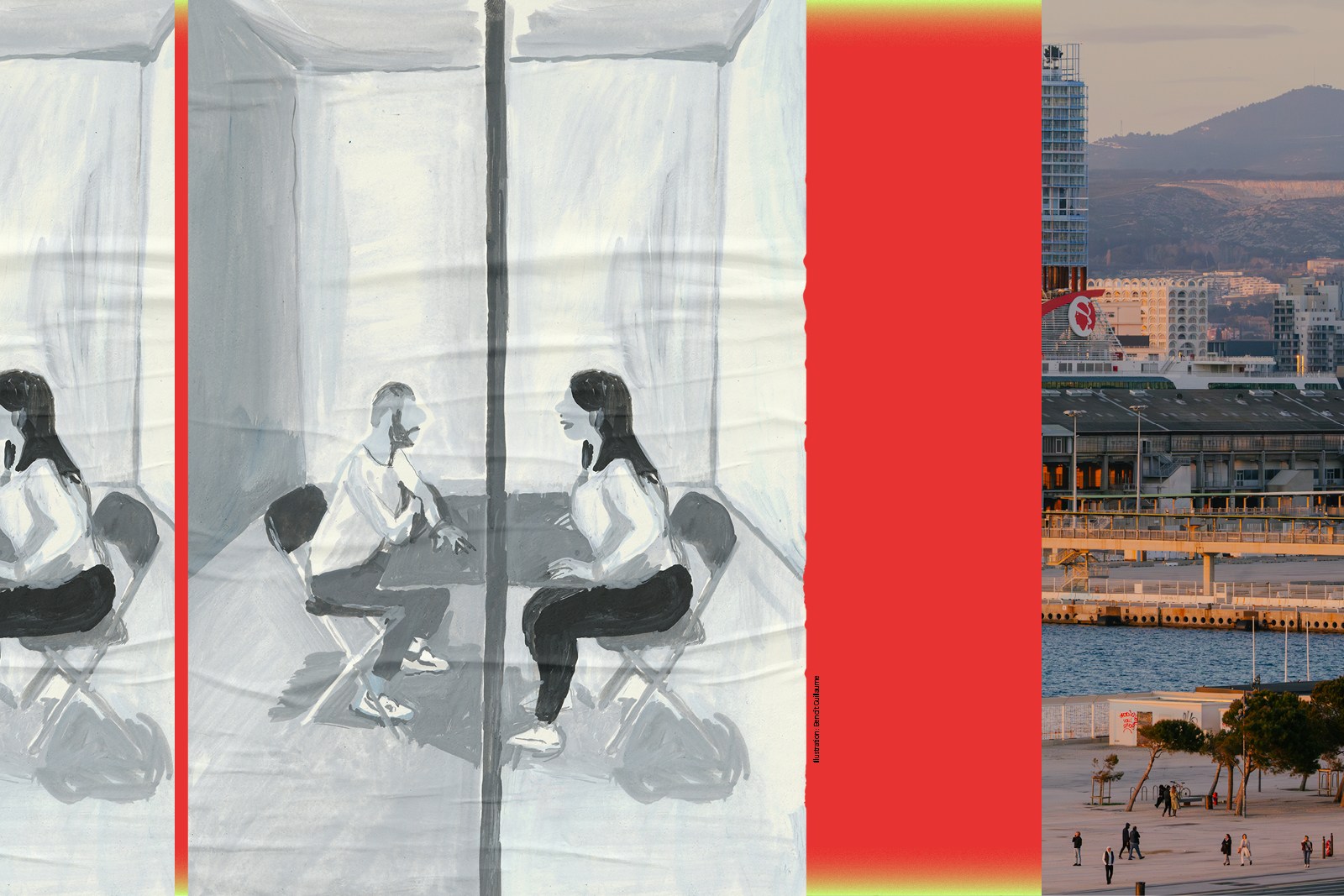
Go straight to prison! Punish or repair?
Les Procès du siècle - Which way to the future?
Moderator: Thomas Legrand With Dominique Simonnot (Contrôleure générale des lieux de privation de liberté) and Gwenola Ricordeau (sociologist, campaigner for the abolition of the penal system)
With the participation of Claire Dufour, documentation officer at Mucem. What if justice were more focused on prevention and care? How far can it go to make amends? Restorative justice, which aims to bring victims and perpetrators together in a confidential and secure setting, is one of the methods now being proposed to better support the former in their reconstruction and the latter in their empowerment and reintegration… And to go a step further, can we imagine a society without...On Monday, Mar 2, 2026
at 19h
J4 / Auditorium
- Free of charge
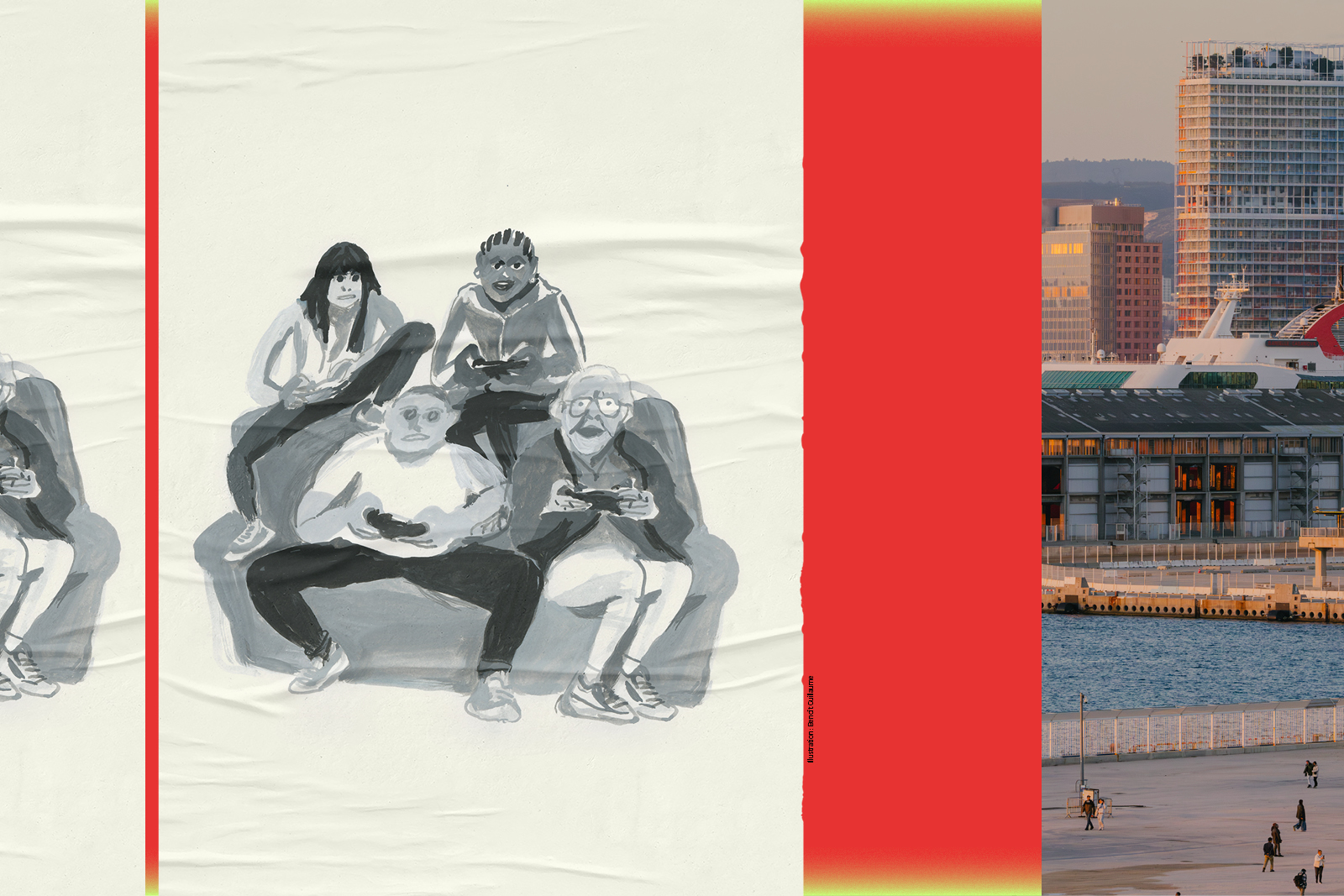
Video games, the new playground for social struggles?
Les Procès du siècle - Which way to the future?
Moderator: François Saltiel With Fanny Lignon (lecturer in information and communication sciences) and Jennifer Lufau (video game player, marketing consultant for independent creators, founder of the Afrogameuses association)
With the participation of Elise Vanriest-Dabek, heritage curator, responsible for the Collections and Documentary Resources Department at Mucem After being accused of conveying screen addiction, propaganda of warlike values, violence, frustration, disconnection from reality or disengagement, video games are now plagued by masculinism, racism, sexism, cyberstalking and infiltrated radicalization… And yet, gaming culture is also the place where all things are possible, and its great...On Monday, Mar 9, 2026
at 19h
J4 / Auditorium
- Free of charge
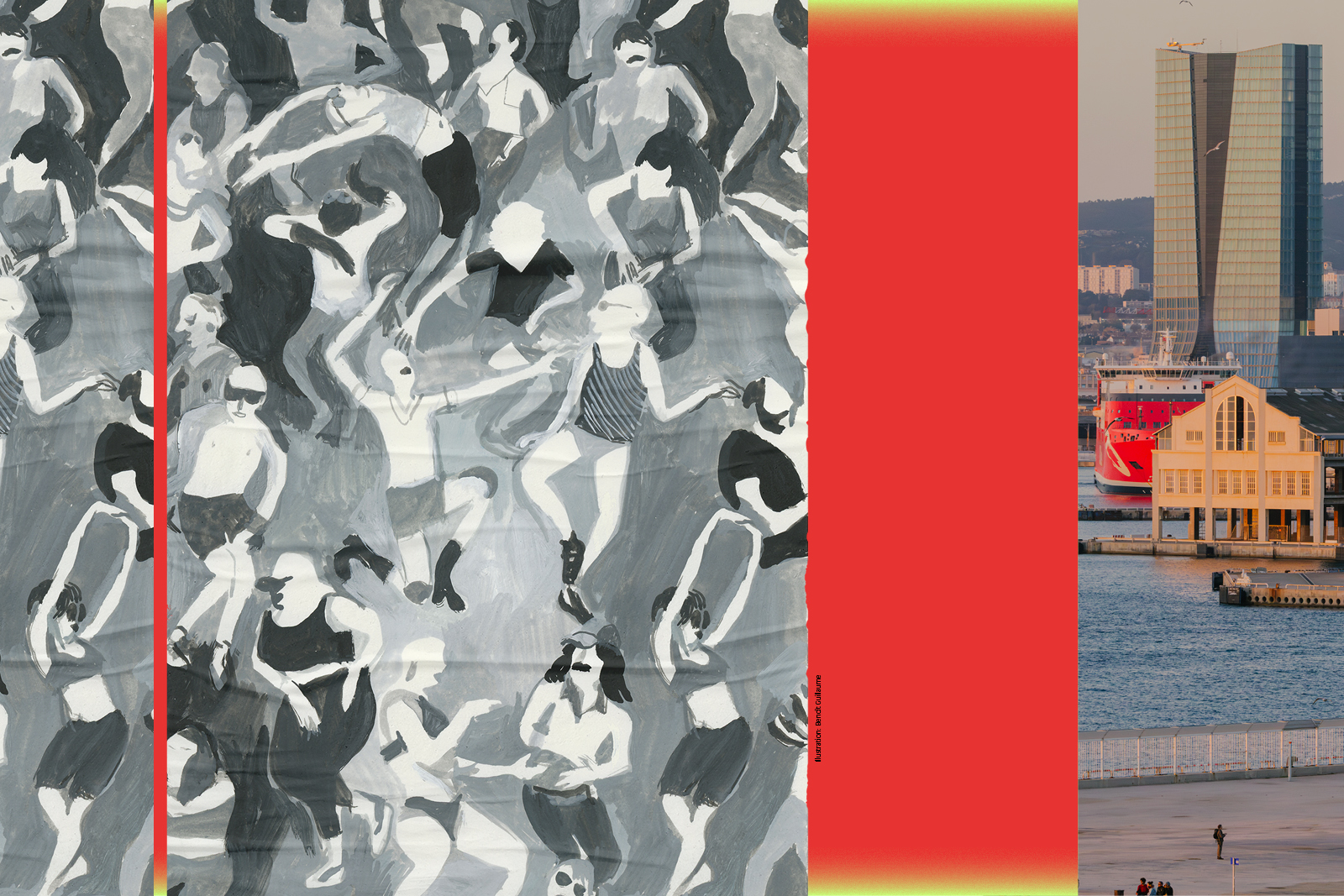
For the right to party!
Les Procès du siècle - Which way to the future?
Moderator: Nora Hamadi With Barbara Butch (DJ and producer) and Emmanuelle Lallement (anthropologist)
With the participation ofHélia Pauknerheritage curator, head of the Contemporary Art department at Mucemand/or Aude Fanlo, responsible for the Research and Teaching Department at Mucem. For the last session of the season, Les Procès du siècle propose to seriously consider the right to celebrate. And why not even a duty to celebrate? An antidote to widespread depression, of course, but also a playground of freedom that teaches us to look beyond social, identity and sexual norms. Far from...On Monday, Mar 16, 2026
at 19h
J4 / Auditorium
- Free of charge
The Commission of Inquiry at Tiers-Lab des Transitions
Les procès du siècle - Which way to the future?
The Commission of Inquiry is a workshop for reflection and discussion open to all, during which participants play at thinking, putting points of view into dialogue and embodying different experiences.
For half a day, participants take up the subject of the next Trial of the Century and learn together how to develop arguments and testimonies, some of which can be put on the stand and debated at the next Trial of the Century. Between the art of persuasion and theater, the Commission of Inquiry brings a civil counterpoint to debates, because the issues of our world are everyone’s business. A proposal led, depending on the dates, by Grégoire Ingold (director) and Fabienne Jullien (actress)...On Saturday, Feb 7, 2026
at 14h
Out of doors
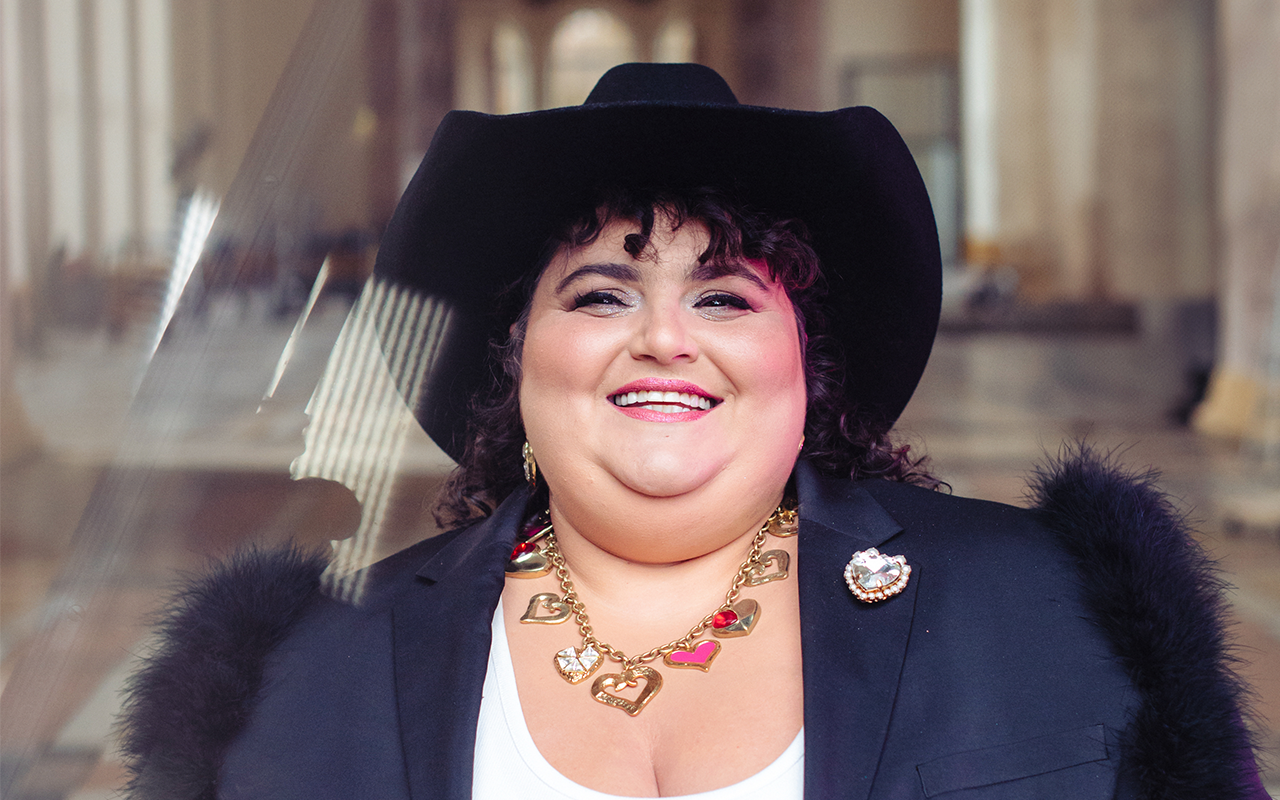
Clap de fin - Barbara Butch Dj set
Les Procès du siècle - Which way to the future?
To bring the 5th season of the Trials of the Century to a festive close, come and set the dancefloor alight with the house, disco, pop and funk sounds of Barbara Butch, a true campaigner for celebration and love!
The evening kicks off with a warm-up by Phred Noir from La dame Noir, a Marseilles-based party activist.On Monday, Mar 16, 2026
at 20h30
J4 / Hall
The trials of the century podcast
View all available podcasts (0)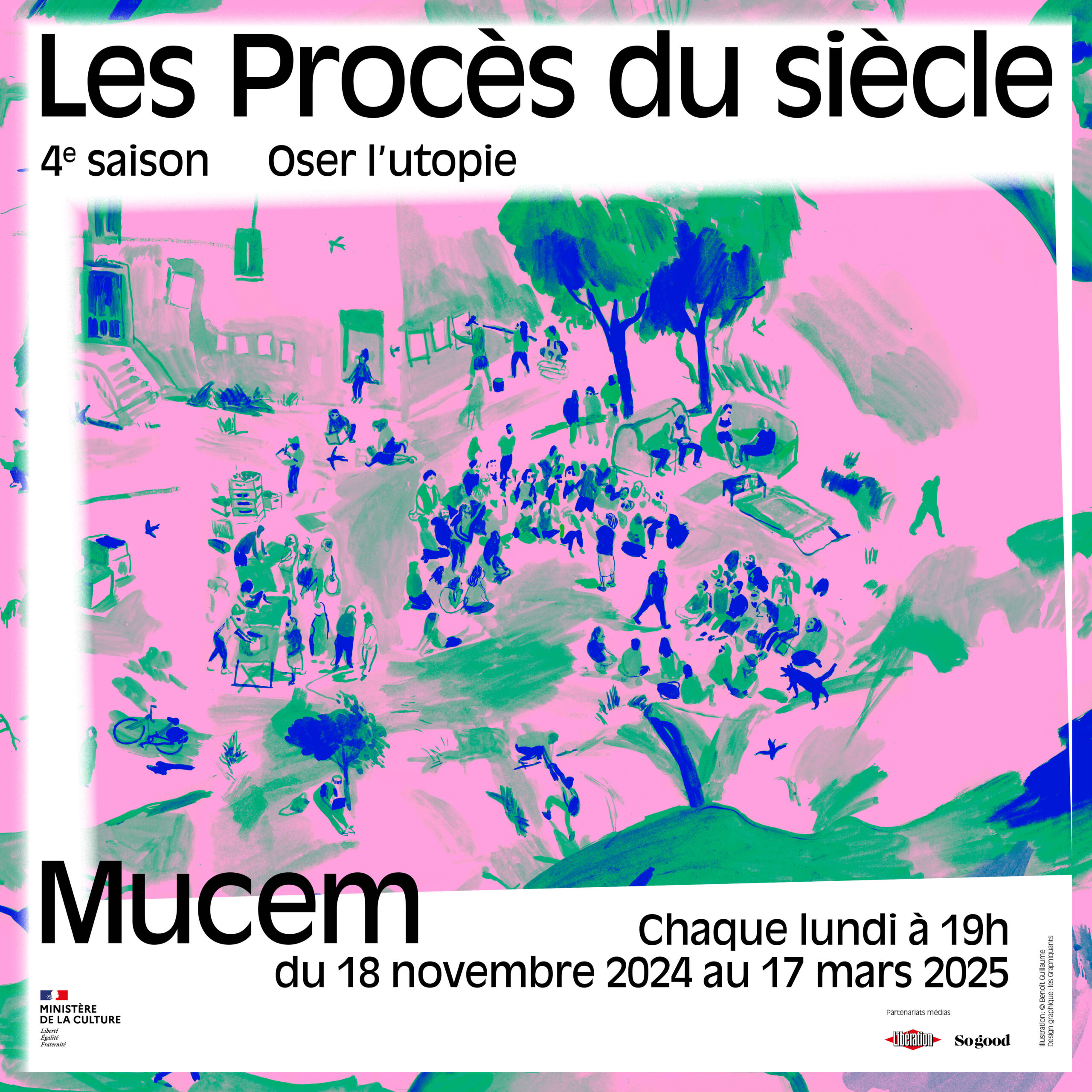
Les Procès du siècle — Oser l'utopie
Cette quatrième saison des Procès du siècle propose d’explorer les utopies concrètes et réelles, les nouveaux modèles à inventer pour avancer vers plus de démocratie, plus d’écologie, plus de solidarité.
Pour vivre mieux, ensemble.
Cette saison 4 parlera d’éducation, de soin, de numérique, d’économie, d’architecture, d’agriculture, de circulations, de respect, de consentement, d’intelligence artificielle, des arbres et des oiseaux. Nous essaierons même parfois d’en rire.
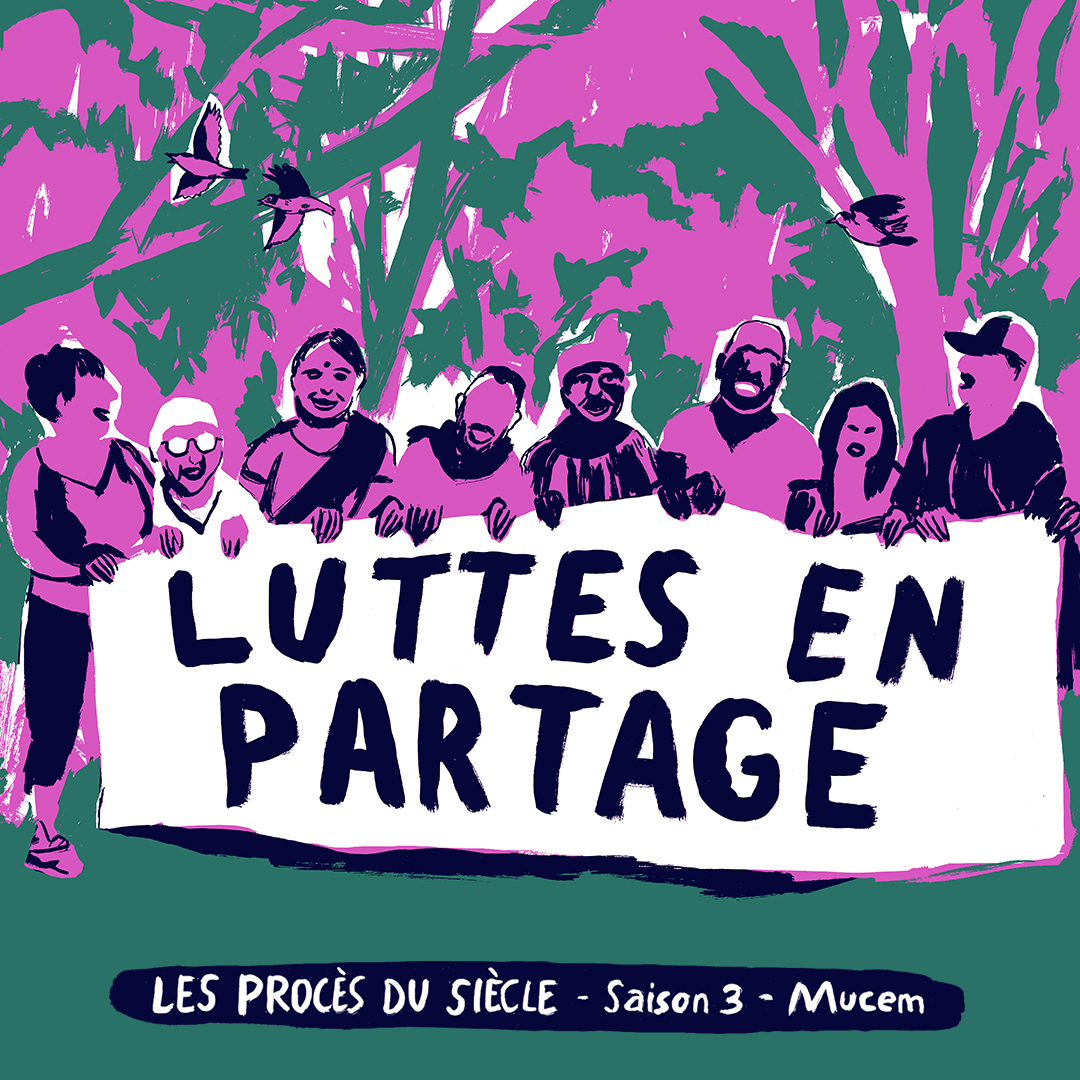
Les Procès du siècle — Luttes en partage
La saison 3 des Procès du siècle en podcast
Une série de rencontres imaginée et produite par le Mucem en collaboration avec Grégoire Ingold.
Un podcast produit et réalisé par Copie Carbone et illustré par Benoît Guillaume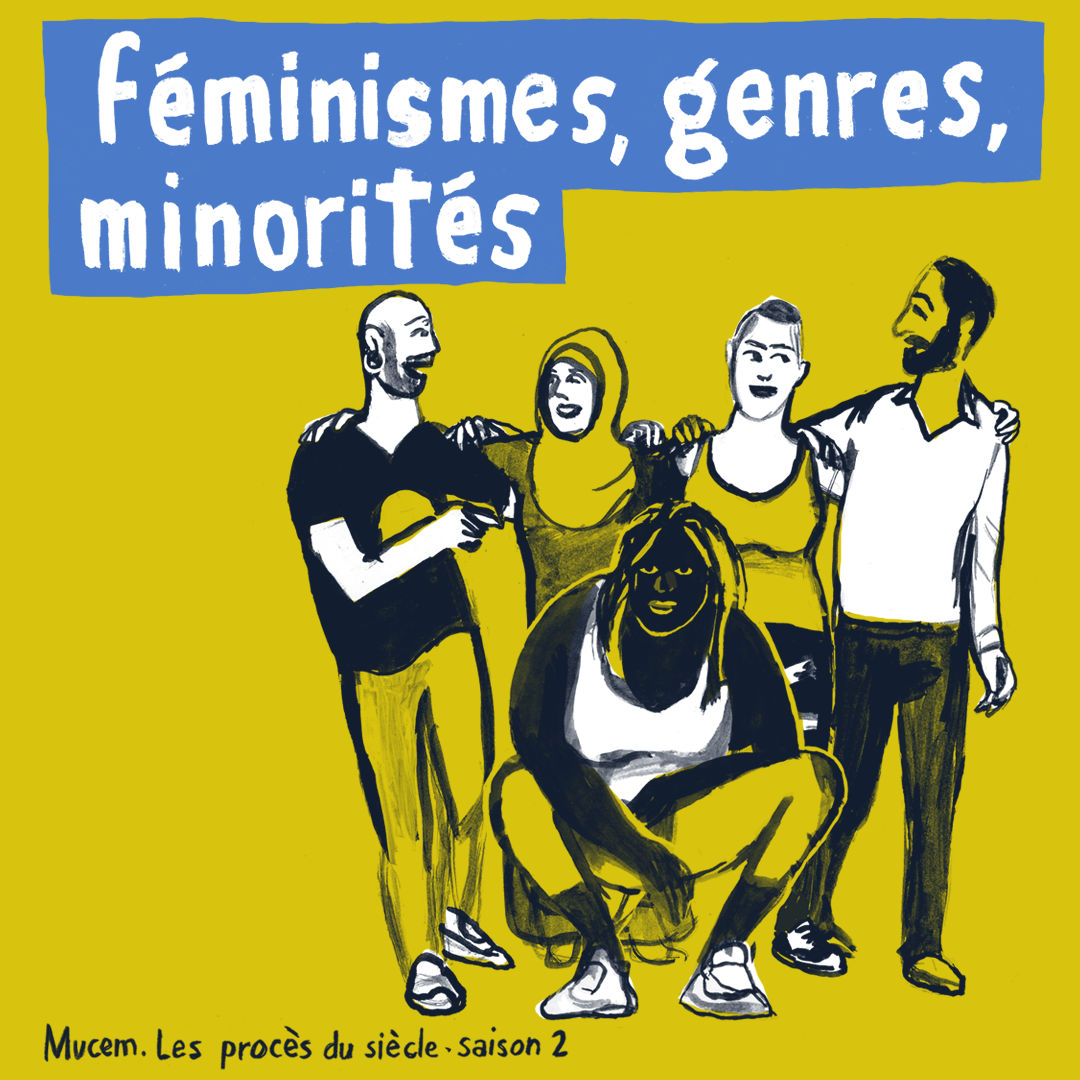
Les procès du siècle — Féminismes, genres, minorités.
Une série de rencontres imaginée et produite par le Mucem.
Réunissant témoins, spécialistes et pièces à conviction, Les Procès du siècle ouvrent un espace d’échanges citoyens.
Après une première saison consacrée aux questions environnementales, cette deuxième saison est dédiée aux minorités dominées, et à leurs manières de s’exprimer, de résister, de revendiquer leurs droits.
Le Procès du siècle, délibérations citoyennes !
Comment parler des bouleversements récents qui touchent nos vies, nos sociétés, notre environnement ? Que disent-ils de notre rapport au temps et à l’espace ? Comment nous situons-nous aujourd’hui au cœur du monde et du vivant ? Quelles mutations, quelles révolutions sont à espérer ou à craindre ?
Le Procès du siècle appelle à la barre plaignants, accusés, témoins et avocats. Il en appelle avant tout à ses jurés, les citoyens.