The École du Louvre
Classes in the Region
From Monday, October 5, 2026 to Monday, May 10, 2027
From October 5, 2026, to May 10, 2027, the Mucem will host the École du Louvre’s regional courses.
Thematic series provide in-depth coverage of a specific period, artistic creation in a given country, an artist’s body of work, an artistic movement, or a cross-cutting theme…
For information, rates, and registration, please call 01 55 35 18 00 or email cours.regions@ecoledulouvre.fr
To register for continuing education (with registration fees covered by your employer), please email: formation.continue@ecoledulouvre.fr.
Events (5)
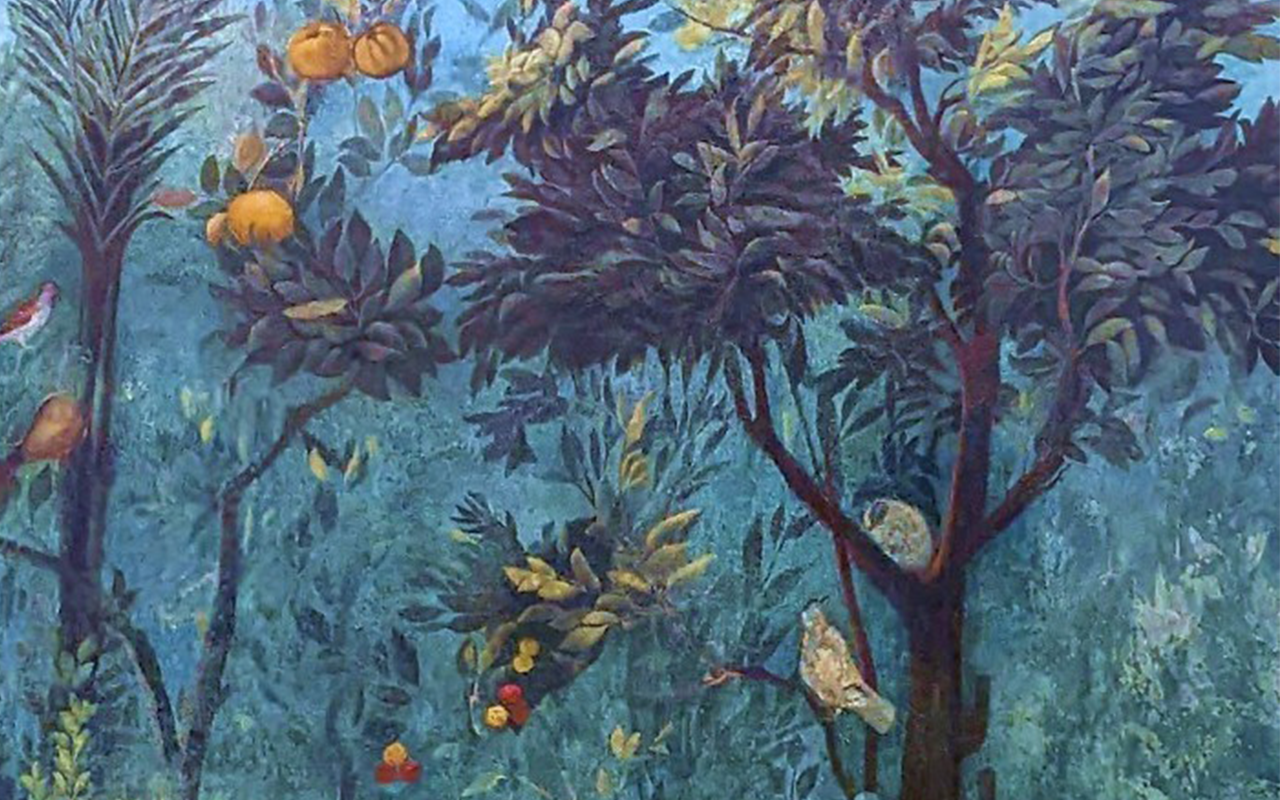
Cycle 1 - Mediterranean Gardens
The École du Louvre - Regional Courses
Throughout the centuries and along the many shores of the Mediterranean, the garden has established itself as a place of art, contemplation, and a sensitive connection to the living world.
This course offers a historical and cultural journey to explore these landscapes shaped by the Mediterranean climate, customs, and imagination. From ancient Roman gardens—designed as refined extensions of domestic architecture—to the medieval urban spaces of al-Andalus, from the Alhambra to Córdoba, models emerge in which water, shade, and geometry respond to the demands of the landscape. The monastic gardens of southern France, meanwhile, reflect a different relationship with nature—one that...
Session Details October 5, 2026, from 2:00 p.m. to 3:30 p.m.: Between Order and Delight: Roman Gardens as a Reflection of Society. October 12, 2026, from 2:00 p.m. to 3:30 p.m.: Paradise on Earth: The Art of Islamic Gardens, Between Spirituality and Power. November 2, 2026, from 2:00 p.m. to 3:30 p.m.: Hortus, or Monastic Gardens: Laboratories of Faith and Science. November 9, 2026, from 11:00 a.m. to 12:30 p.m.: The Traditional Moroccan Garden: Arab-Muslim Art from the 11th to the 19th...Le Monday, Nov 2, 2026
Jusqu'au Monday, Nov 9, 2026J4 / Auditorium
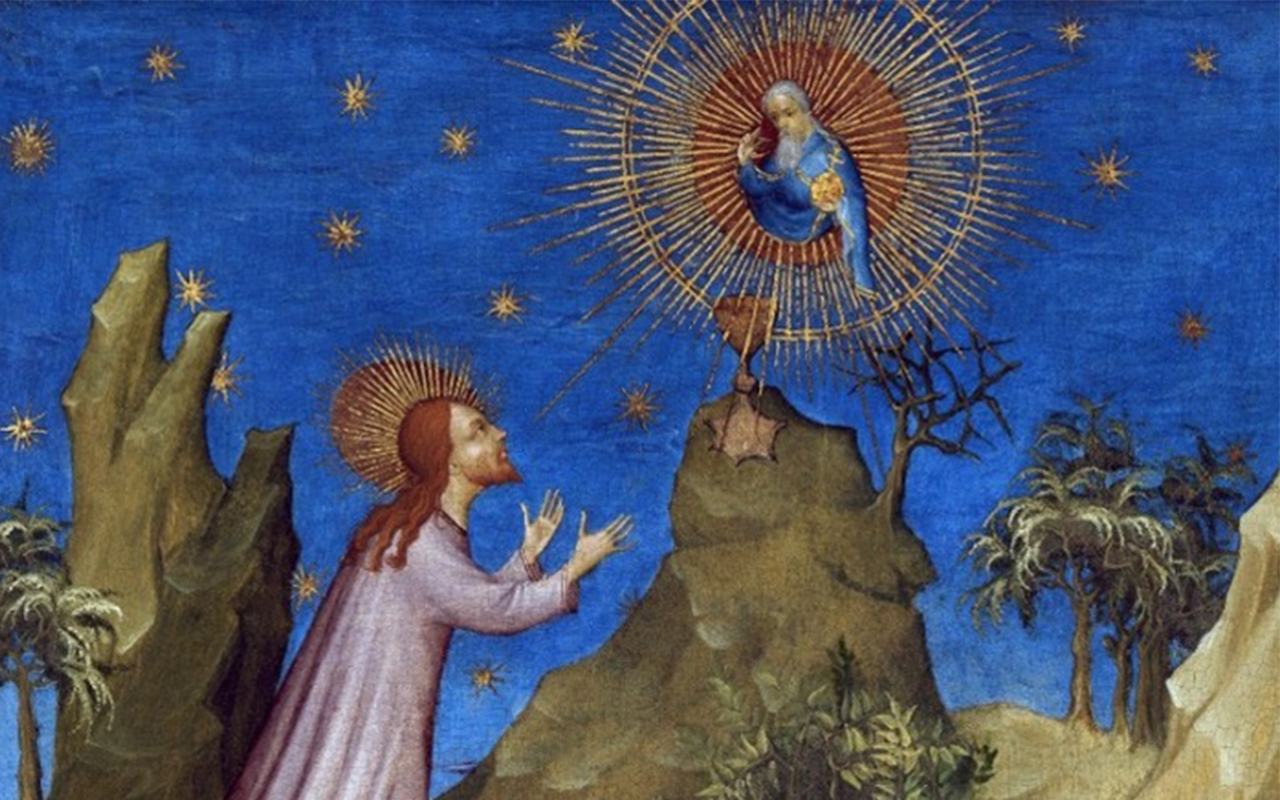
Cycle 2 - Introduction to General Art History: The European and Byzantine Middle Ages, from the 5th to the 15th century.
The École du Louvre - Regional Courses
The millennium spanning the 5th to the 15th century in Europe—known as the Middle Ages—was marked by numerous, frequent, and profound transformations in the political, economic, social, demographic, and religious spheres.
These changes influenced artistic production, which also followed its own logic, resulting in a regular renewal of forms, in which the most pronounced indifference to the faithful representation of reality coexisted with remarkable naturalistic explorations. The legacy of antiquity remains very much alive: in the East, the Roman Empire did not disappear definitively until the fall of Constantinople in 1453; in the West, the “barbarian invasions” brought about stylistic developments and...
Session Details November 16, 2026, from 2:00 p.m. to 3:30 p.m.: From Rome to Byzantium: The Art of the Roman Empires in the Age of Christianity. November 23, 2026, from 2:00 p.m. to 3:30 p.m.: From the Europe of the Invasions to the Carolingian Empire. November 30, 2026, from 2:00 p.m. to 3:30 p.m.: The Roman World. December 7, 2026, from 2:00 p.m. to 3:30 p.m.: Gothic Art Conquers Europe. December 14, 2026, from 2:00 p.m. to 3:30 p.m.: From the Twilight of the Middle Ages to the Dawn of the...Le Monday, Nov 16, 2026
Jusqu'au Monday, Dec 14, 2026J4 / Auditorium
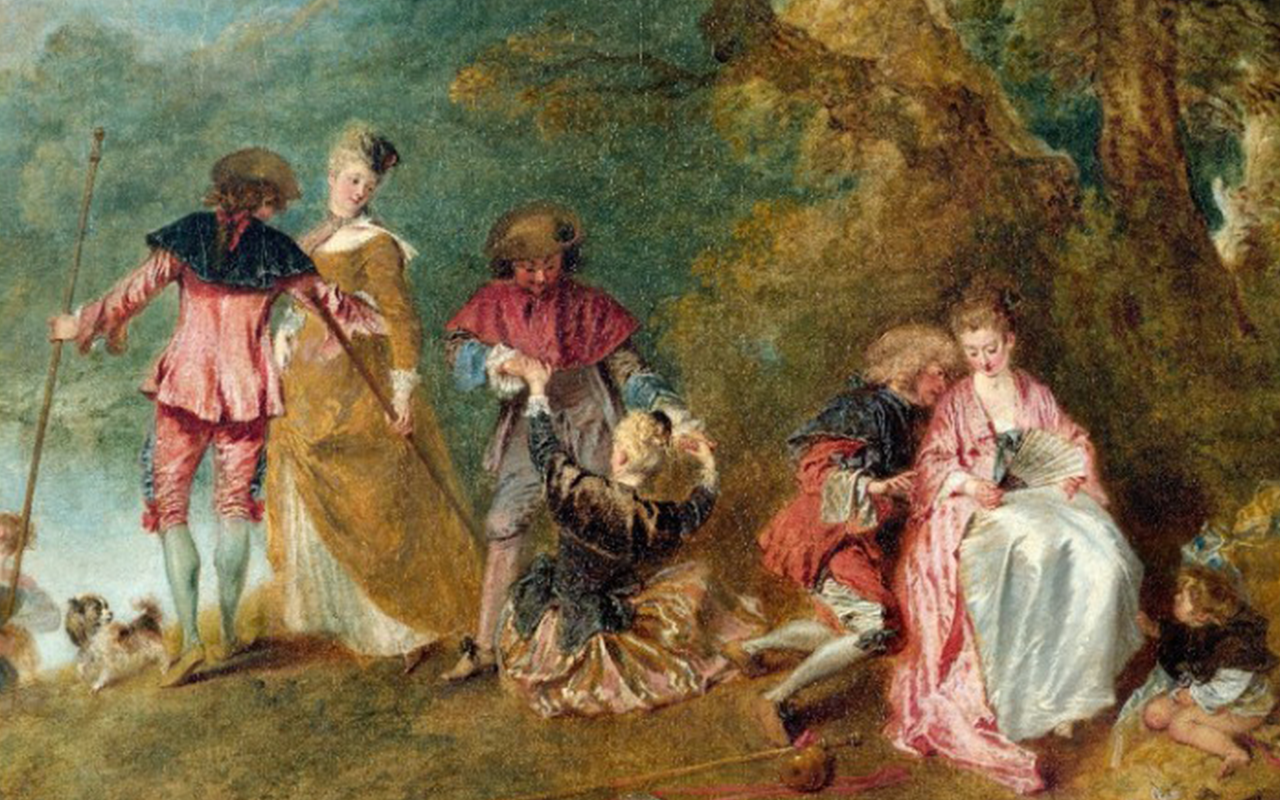
Cycle 3 - Watteau, a Popular Painter
The École du Louvre - Regional Courses
Antoine Watteau's career, spanning the end of Louis XIV's reign and the Regency, was celebrated primarily for his depictions of courtly festivities.
Yet these scenes depicting richly dressed contemporaries set in bucolic landscapes predate this period by a wide margin. A fresh examination of Watteau’s life and career reveals him to be a renovator rather than an inventor of the genre. By setting aside the romantic interpretations perpetuated by critics since the 18th century and adopting a perspective that is as objective as possible—based on archival research and material analyses of the works—it is possible to gain a new understanding of...
Session Details January 11, 2027, from 11:00 a.m. to 12:30 p.m.: Watteau: His Life, His Work, Early Sources, and New Discoveries. January 18, 2027, from 11:00 a.m. to 12:30 p.m.: Watteau’s Friends: Patron Circles, Artistic Networks. January 25, 2027, from 11:00 a.m. to 12:30 p.m.: The Language of Fabric: Clothing in the Work of Antoine Watteau. February 1, 2027, from 11:00 a.m. to 12:30 p.m.: Between Pierrot and Crispin: Watteau and the Theater of His Time. February 8, 2027, from 11:00 a.m. to...Le Monday, Jan 11, 2027
Jusqu'au Monday, Feb 8, 2027de 11h à 12h30
J4 / Auditorium
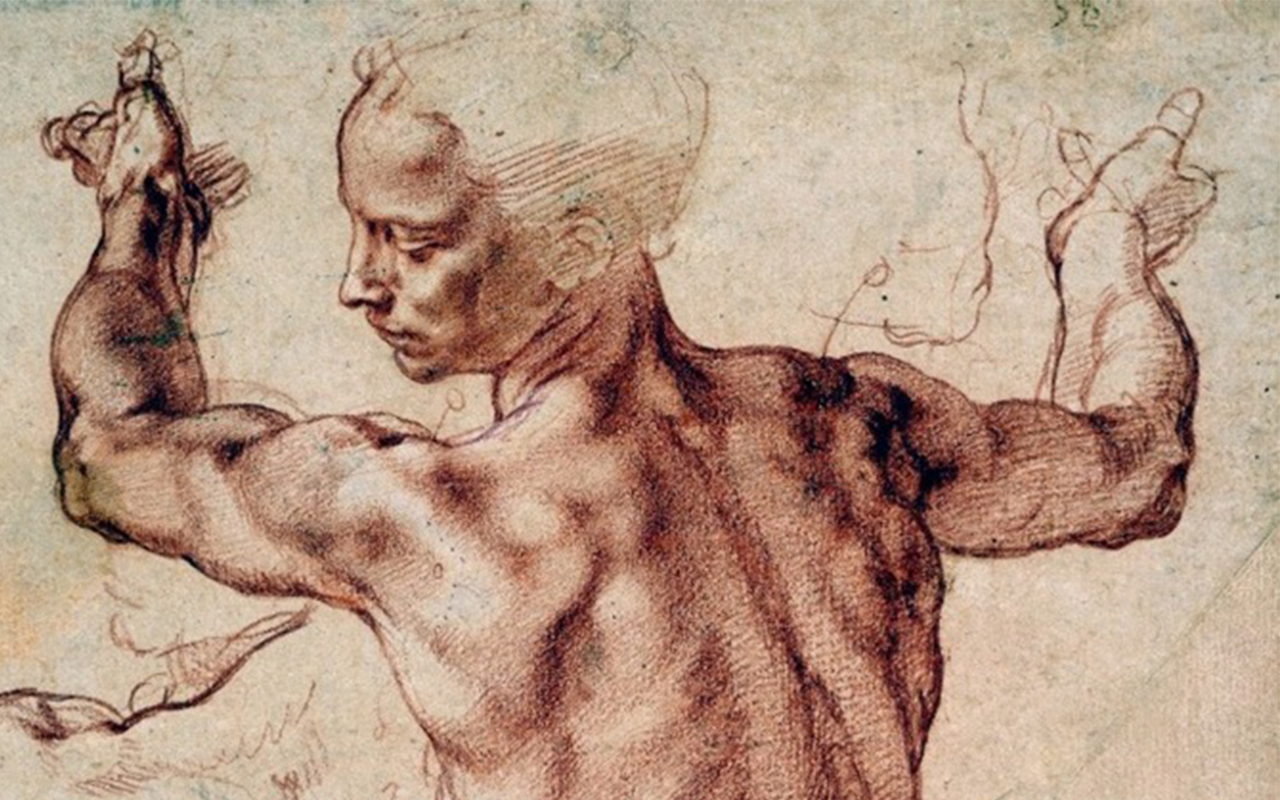
Cycle 4 - The Invention of the Visible: Space, the Body, Light, and the Sciences of Vision in Italy from the Trecento to the Cinquecento
The École du Louvre - Regional Courses
Between the 14th and 16th centuries, Italian painting underwent a profound transformation. In just a few generations, the image shifted from the medieval gold background to the depth of perspective, from the solemnity of sacred figures to the careful study of the human body, and from a flat surface to the vibrant light of Venetian color?
This course aims to explore this evolution through an analysis of major works by Giotto, Masaccio, Leonardo da Vinci, Michelangelo, Bellini, and Titian. In Florence, the development of perspective by Brunelleschi and Alberti transformed the painting into a coherent and calculated space. The study of anatomy and the return to antiquity transformed the representation of the human body. In Venice, mastery of oil painting brought new life to light, color, and atmosphere. These innovations were not...
Session Details January 18, 2027, from 2:00 p.m. to 3:30 p.m.: From the “golden background” to the “window”: space and depth in the art of the Italian Primitives (13th–14th centuries). January 25, 2027, from 2:00 p.m. to 3:30 p.m.: The Geometry of the Gaze: Perspective, Immersion, and Optical Truth in 15th-Century Florence (Quattrocento). February 1, 2027, from 2:00 p.m. to 3:30 p.m.: The Invention of the Individual: The Ancient Legacy at the Intersection of Anatomy and...Le Monday, Jan 18, 2027
Jusqu'au Monday, Feb 15, 2027de 14h à 15h30
J4 / Auditorium
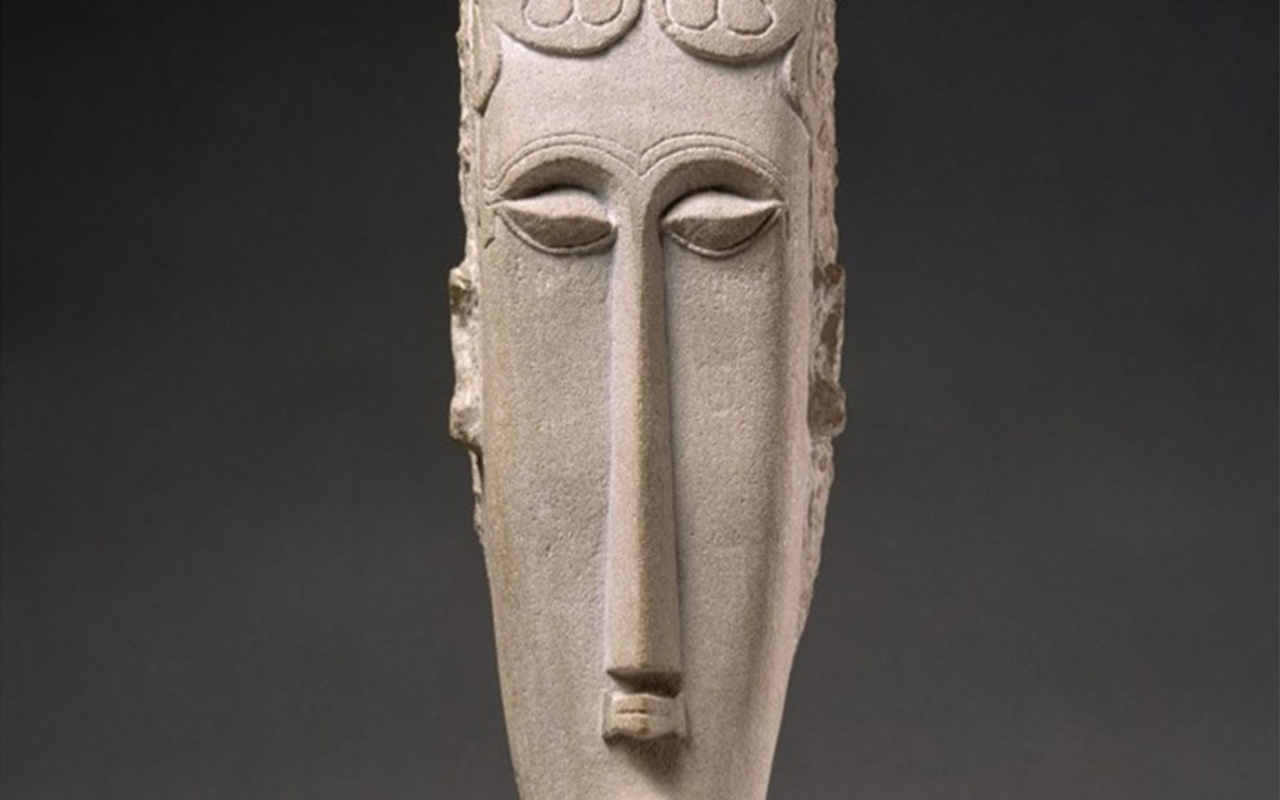
Cycle 5 - Painting and Sculpture: Rivals or Close Allies? 19th–20th Centuries
The École du Louvre - Regional Courses
As early as the Renaissance, the relationship between painting and sculpture has been a subject of debate.
In his *Treatise on Painting*, Leonardo da Vinci offers a comparative description of the “sculptor-laborer,” whose home is dirty and dusty, and the “gentleman painter,” who surrounds himself with music or poetic readings. Thus a narrative emerges that declares painting the victor over sculpture. But some voices, such as those of Cellini and Michelangelo, oppose this hierarchy. The debate has persisted over the centuries and remained a fruitful one in the 19th and 20th centuries. The two...
Session Details March 22, 2027, from 2:00 p.m. to 3:30 p.m.: The Art of Illusion: Grisaille, Trompe-l’œil, and Very Shallow Reliefs in the Early 19th Century. April 5, 2027, from 2:00 p.m. to 3:30 p.m.: Romantic Advances in Painting, Neoclassical Resistance in Sculpture April 12, 2027, from 2:00 p.m. to 3:30 p.m.: Painters-sculptors or sculptors-painters (1): Daumier, Carpeaux, Gérôme, Degas, Gauguin. May 3, 2027, from 2:00 p.m. to 3:30 p.m.: Painters-sculptors or sculptors-painters...Le Monday, Mar 22, 2027
Jusqu'au Monday, May 10, 2027de 14h à 15h30
J4 / Auditorium