PaySans

“No country without farmers” could recently be read on a placard during the 2024 demonstrations.
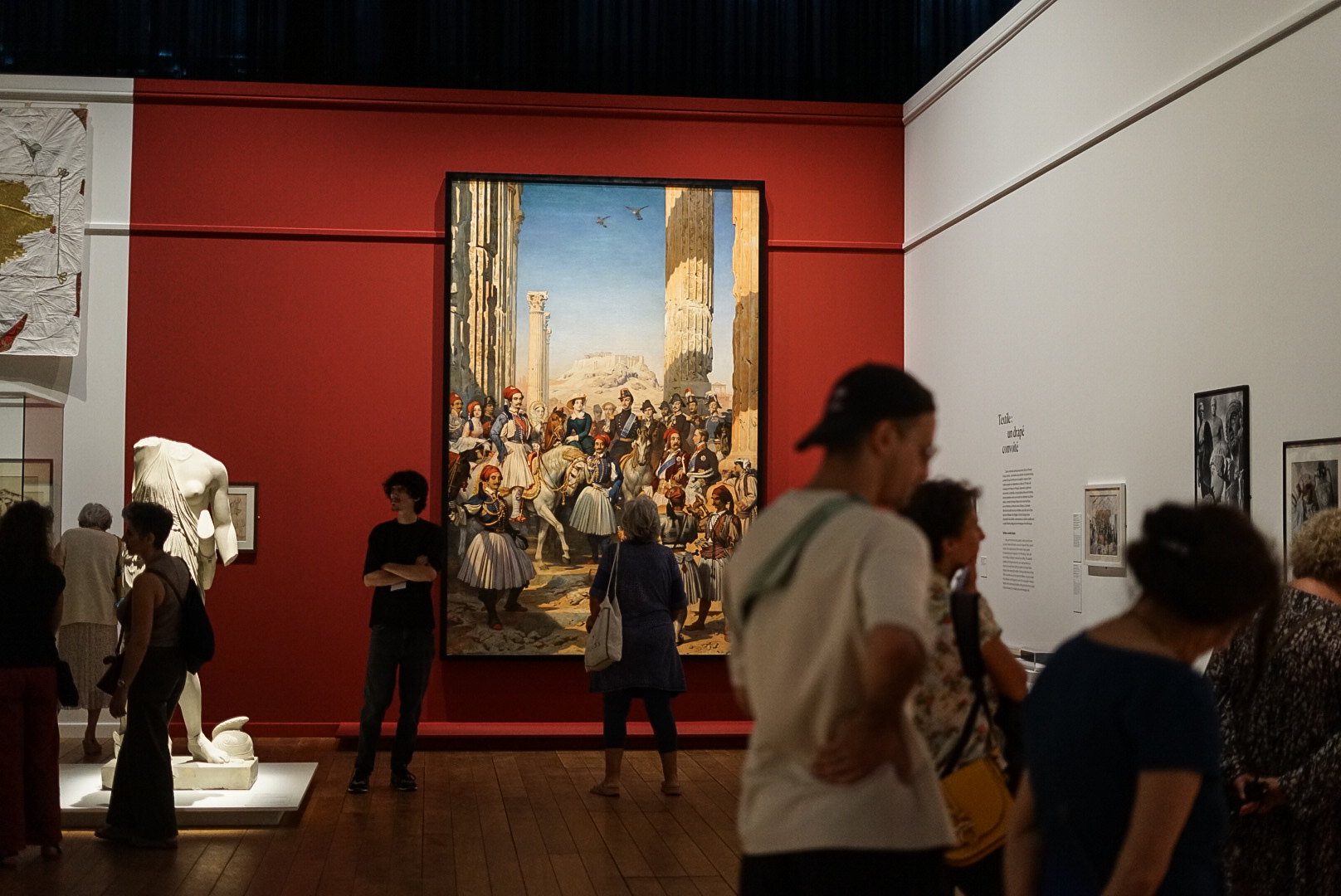
This exhibition aims to rebuild the connection between the farming world and people today. To understand French agriculture, we need to look back over time. Spanning 150 years, the exhibition will examine the challenges, achievements, difficulties and trade-union struggles that enabled French agriculture, within a single generation, to become one of the most productive in the world. Yet this performance came at a cost: human tragedies and conflicts, including rural exodus, the disappearance of rural civilisation and the drastic decline in the number of farmers, as well as health and environmental crises.
The exhibition will explore changes in the farming world in the context of globalised agriculture and the ways in which it is perceived by different actors in civil society, with the aim of fostering greater understanding and bringing people closer together.
The exhibition will also draw on Mucem’s rich collections, which will contribute 74 items out of a total of 230 to 250 works and documents.
Works are also being specially created for the exhibition and produced by Mucem: five drawings by press cartoonist GAB, a work by Gaëlle Doret-Bélorgey, and a work by students from the Lycée professionnel agricole La Ricarde in L’Isle-sur-la-Sorgue, coordinated by artist Nicolas Eres.
Curator
Édouard de Laubrie, Head of Agriculture and Food, Mucem
Exhibition design
Atelier Clément Azaïs with Marius
Belmeguenaï Studio and Orianne Filippozzi.
Related activities or events
View full agenda- Free
Sunday free admission
Every first Sunday of the month, the Mucem opens its exhibition doors free of charge!Le Sunday, Nov 1, 2026
Jusqu'au Sunday, Dec 5, 2027de 10h à 18h
J4 & Fort Saint-Jean / Georges Henri Rivière building
- Free
My Mini-Farm
The Range of Possibilities
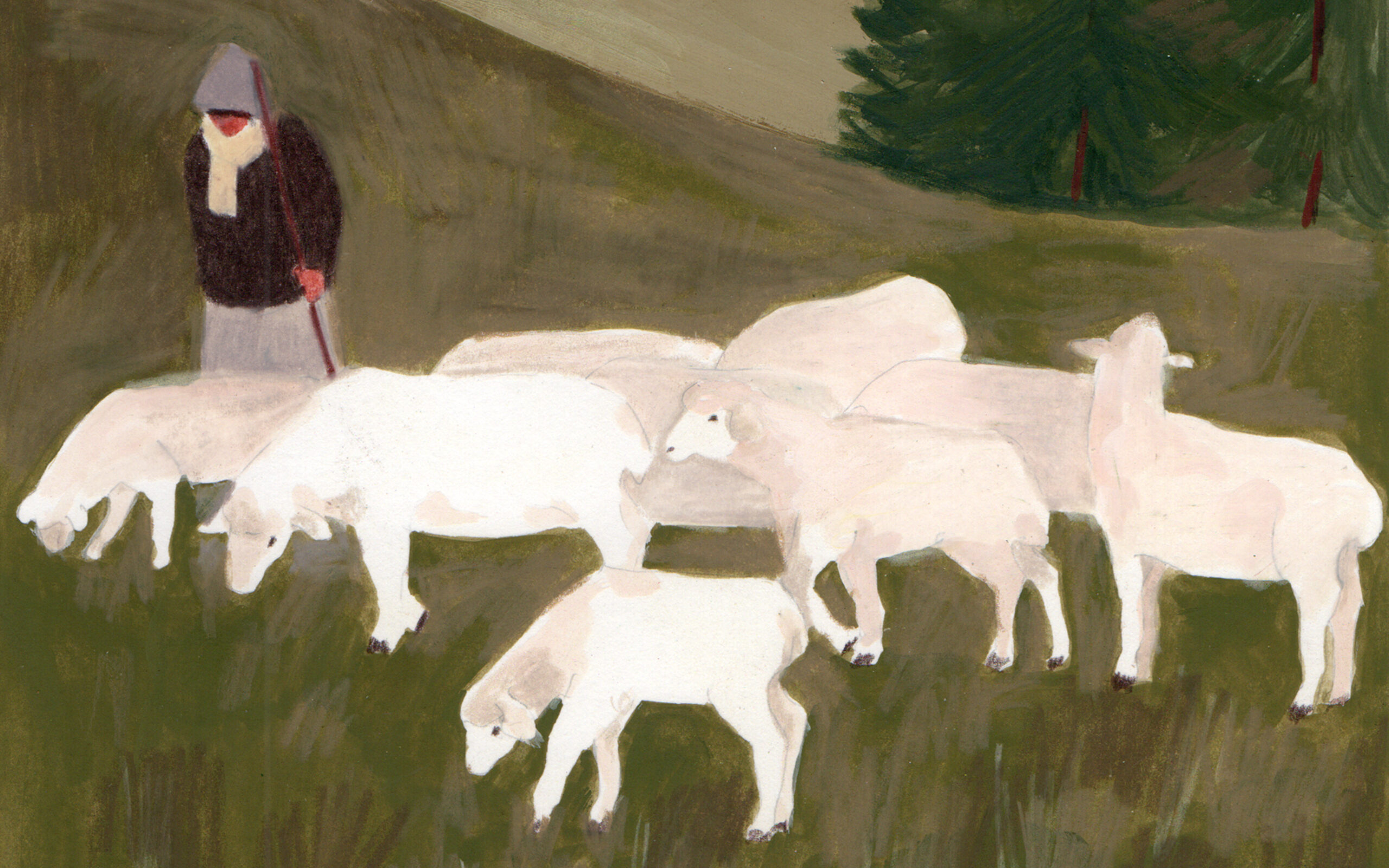
Take your family on a journey through a miniature world where farmers, animals, and natural landscapes come to life.
Thanks to this temporary exhibit, visitors of all ages can discover farm animals (cows, chickens, sheep, and other rural creatures, depicted with realism and poetry), as well as observe farming activities and many other aspects of farmers’ daily lives, all while exploring a variety of landscapes: fields, barns, and gardens. An experience that is both educational and sensory, designed to spark curiosity and learning at every age. Temporary installation Free admission Illustrations and design:...Le Saturday, Feb 20, 2027
Jusqu'au Sunday, Mar 7, 2027de 10h à 18h
J4 / Forum
Baby PaySans
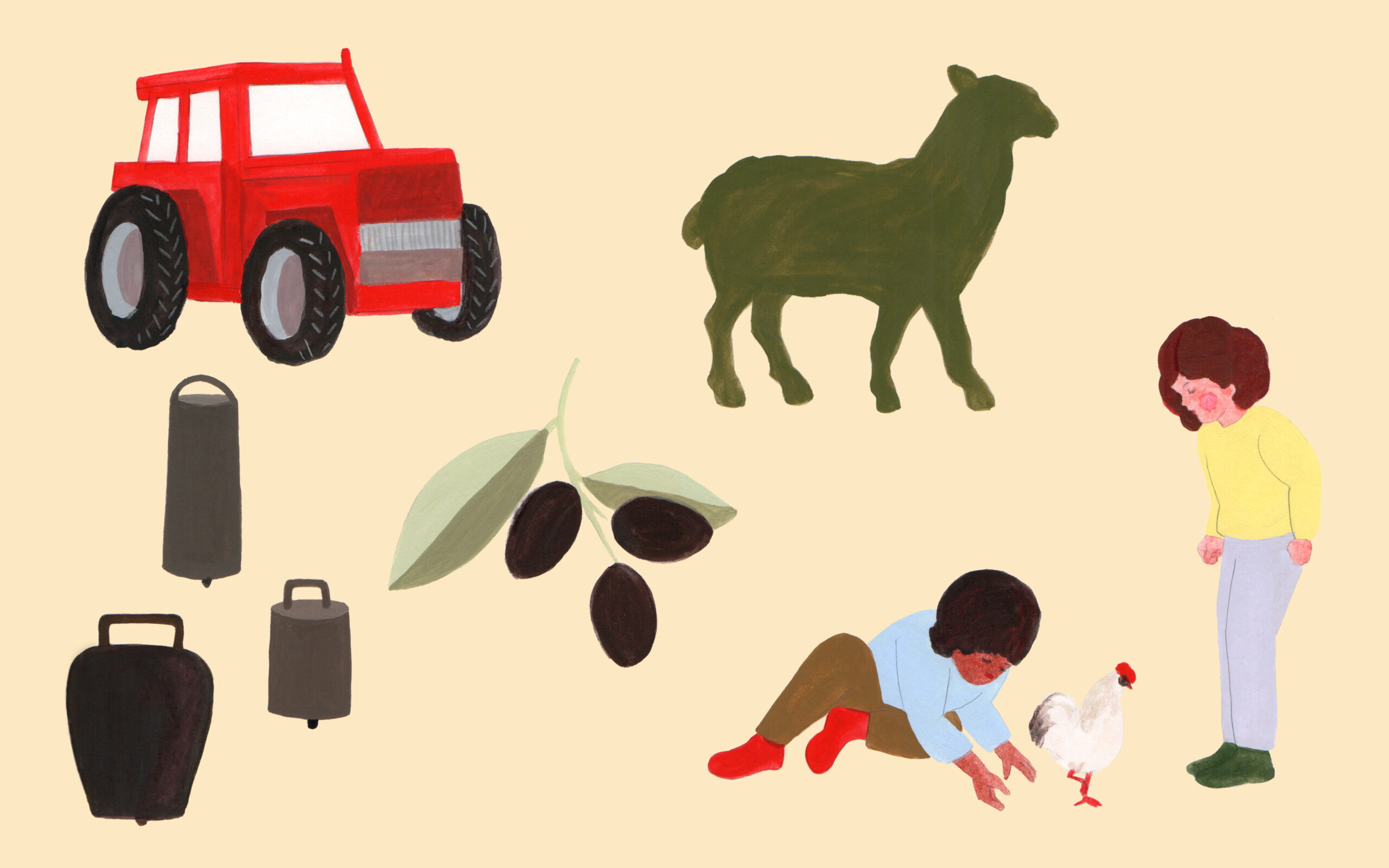
Visit the “PaySans” exhibit, which invites toddlers ages 18 months to 3 years to explore the world through their senses.
Sounds, textures, smells, images, and objects to observe punctuate this journey of exploration and discovery. A first sensory adventure designed to spark the curiosity of the youngest children and introduce them, from a very young age, to nature, living things, and the people who care for them.Le Sunday, Feb 21, 2027
Jusqu'au Saturday, Jun 26, 2027de 10h30 à 11h15
J4 / Exhibition hall - Ground floor

Geography of the Sensible
The Range of Possibilities
This performance for very young children invites them to explore their bodies, space, and objects to create a work of art in motion.
Like budding farmers, the children shape a large rug out of clay, a living material they transform using simple tools inspired by those used by farmers. They dig, draw, carve furrows, and create the landscapes of an imaginary world, where every gesture becomes a sensitive and poetic imprint. At the intersection of the fine arts, the visual arts, and design, this immersive experience emphasizes experimentation and discovery rather than the end result, with the aim of creating a collective,...Le Wednesday, Feb 24, 2027
Jusqu'au Thursday, Feb 25, 2027J4 / Forum
Clear the field!
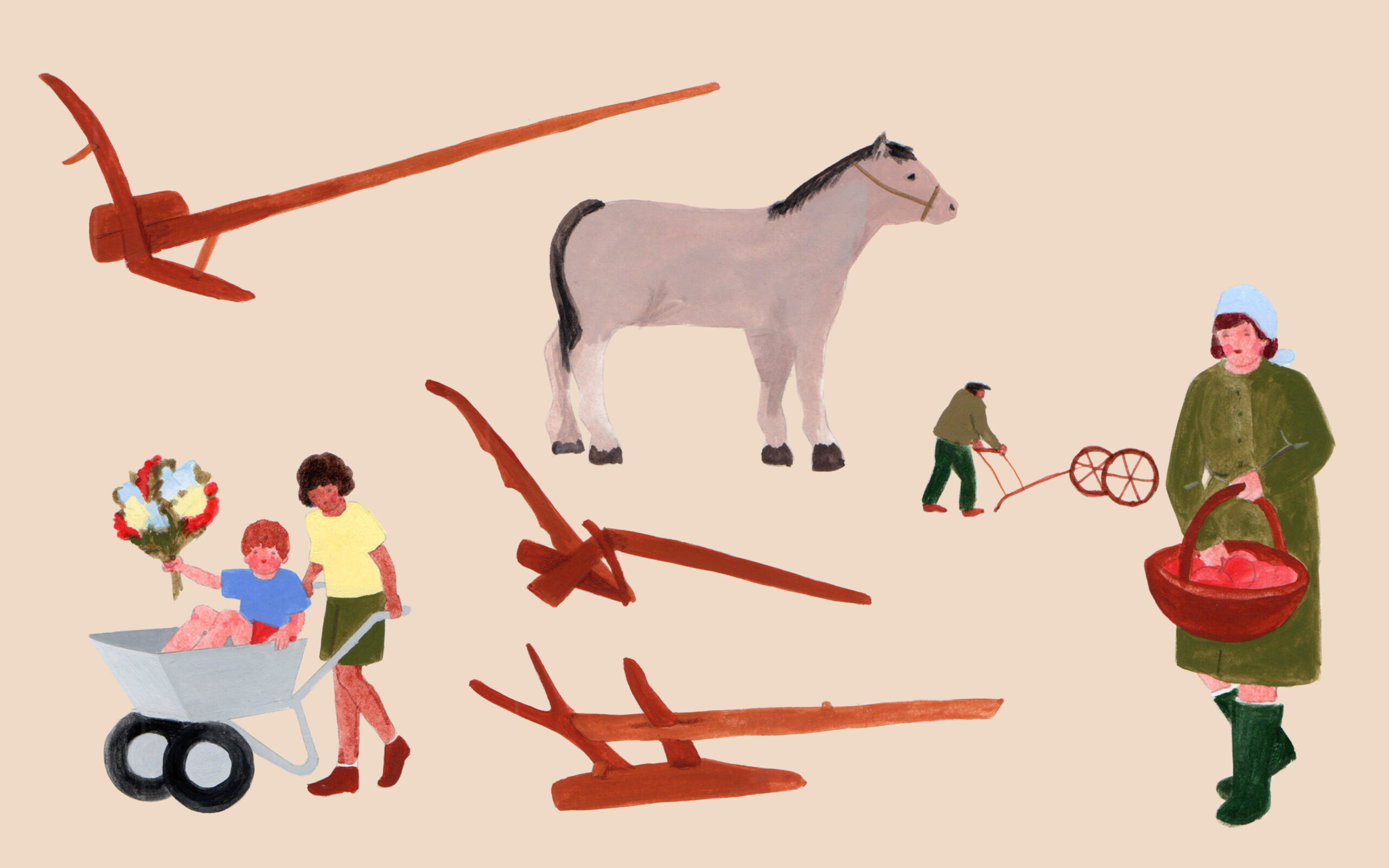
Through the “PaySans” exhibition, children learn about the evolution of the agricultural world and the vital role that farmers play in our daily lives.
By exploring photographs, objects, testimonials, and stories, they come to understand how agriculture has transformed landscapes, ways of life, and our food. Balancing traditions, innovations, and today’s challenges, they reflect on the connection that unites us with those who work the land, and then move on to a workshop where they can share their own vision of the farm and agriculture of the future.Le Wednesday, Feb 24, 2027
Jusqu'au Monday, May 17, 2027de 16h à 17h30
J4 / Island workshop

Little Lou
The Range of Possibilities
Once upon a time… there was a shepherd of sounds.
In this show, full of poetry and emotion, young children are invited to immerse themselves in the childhood memories of a musician—a shepherd from days gone by—such as a night lulled by the rain or his first day spent in the mountain pastures with the sheep. From yesterday to today, Alain Larribet tells stories, sings, and shares his love for the mountains and his passion for travel, while the children’s voices accompany the music, which is by turns lively and enchanting. Music and...On Wednesday, Mar 3, 2027
J4 / Auditorium