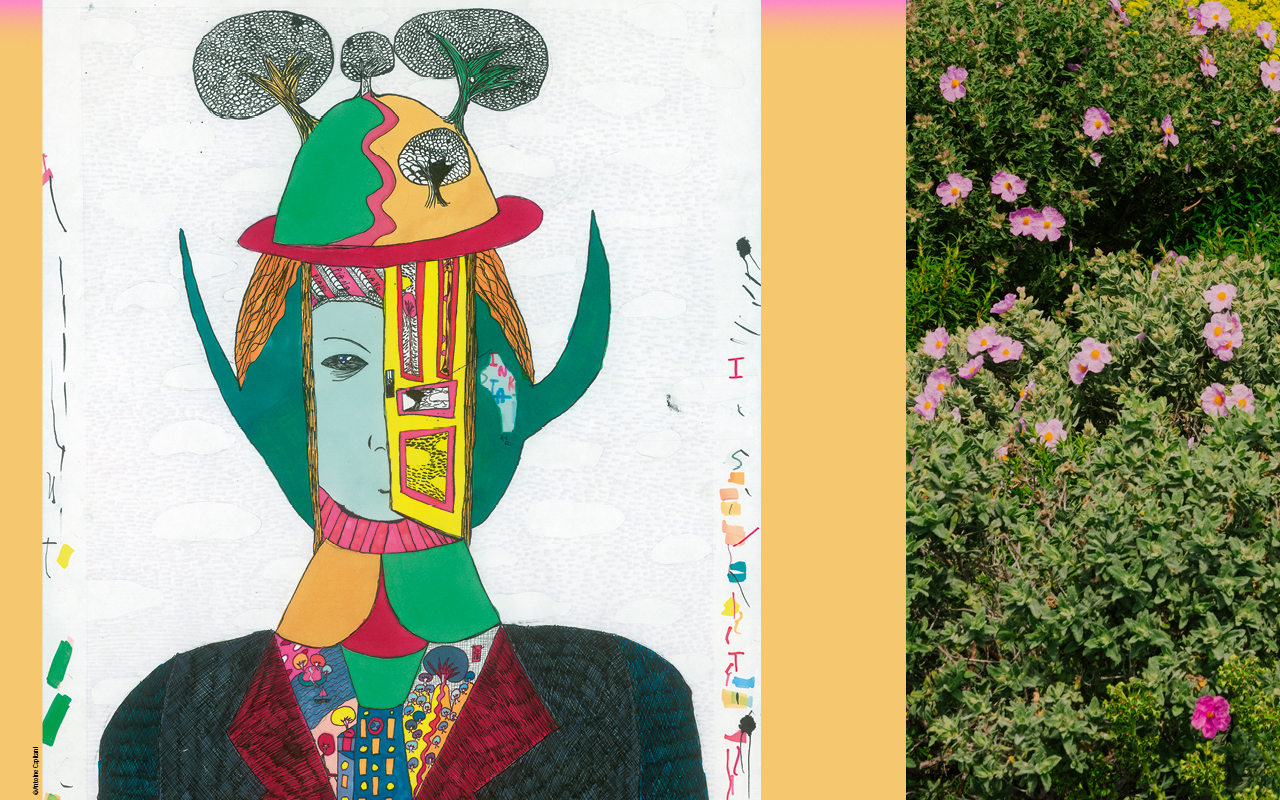
A time for discussion to address traumatic memories.
The past never completely fades away; it seeps into the present, takes root in our bodies, and is passed down from generation to generation. How do wounds—whether personal, familial, or systemic—endure over time? How can we break the cycle of trauma?
This event aims to explore traumatic memory from both an individual and a societal perspective. When we talk about mental health and interculturality, isn’t this also connected to how we come to terms with our collective history—a history marked by domination, marginalization, and the harm inflicted on other cultures?
Featuring Rachida Brahim (sociologist and psychoanalyst) and Rose Frigière (art therapist, performer, and cultural mediator).
A discussion moderated by Rokhaya Diallo.
In conclusion: sound sketches by Tolten (artist and psychologist).
To wrap up this event, Thomas Rime (Tolten) presents a slam poetry performance featuring text written on the spot, much like a sketch. He captures the essence of what is being said, adding a touch of irreverence, a bit of quirkiness, and a dash of poetry and humor. It’s a delicate balancing act, bordering on improvisation—a sort of slam reportage or slam analysis.
Learn more about ...
Rokhaya Diallo, French journalist, author, and filmmaker
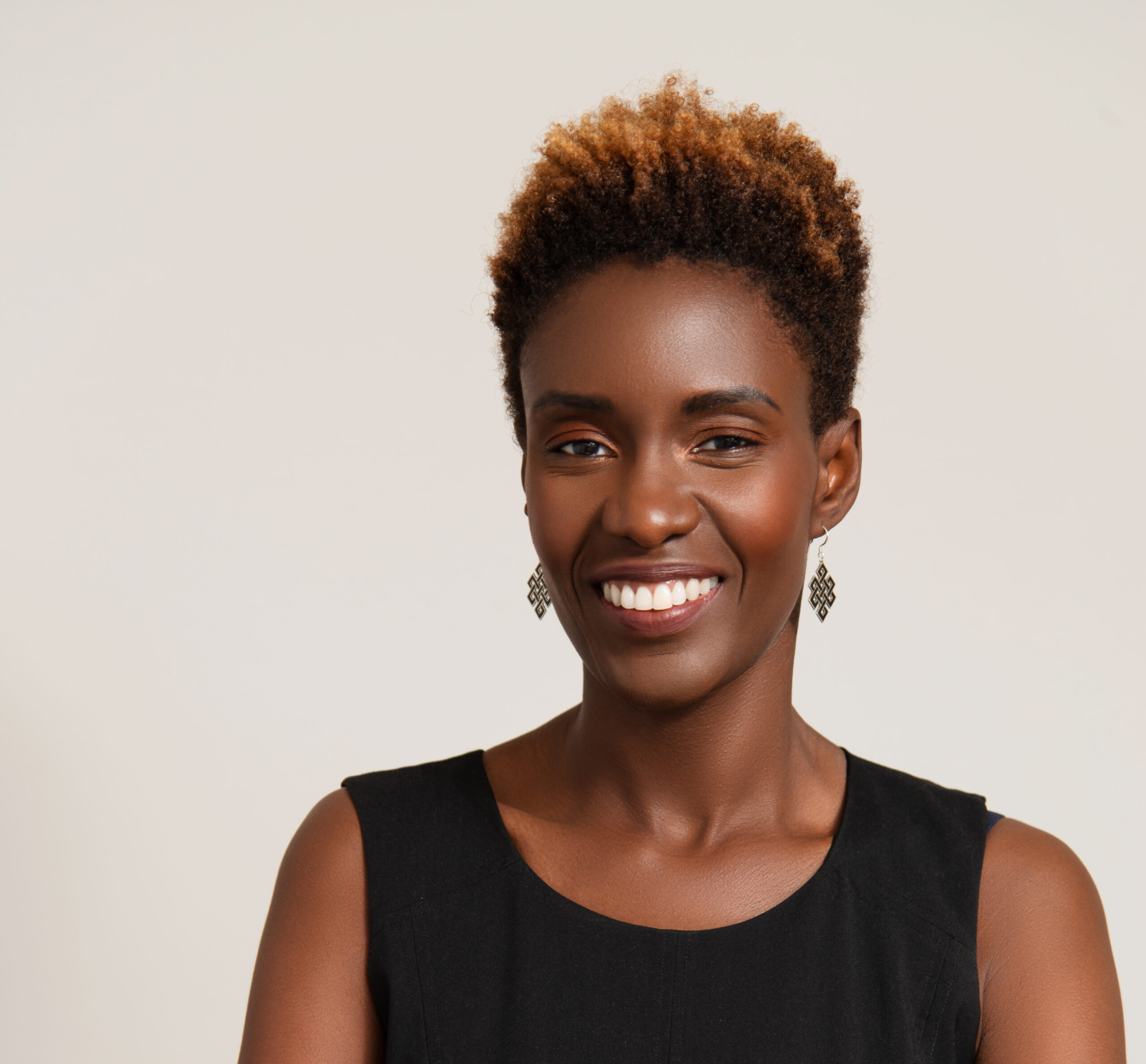
Rokhaya Diallo © George T 2 Rokhaya Diallo is a French journalist, author, and award-winning filmmaker. She is a columnist for The Washington Post and The Guardian, and a researcher at the Gender+Justice Initiative research center at Georgetown University (Washington).
In France, she teaches cultural studies at Paris 1–Sorbonne and is a television and radio commentator. Rokhaya Diallo is the author of about ten books and comic books and has directed several documentaries. Together with Grace Ly, she also created “Kiffe Ta Race,” the first French-language podcast dedicated to racial issues and ranked among the best podcasts by Apple. In 2022, Rokhaya Diallo founded W.O.R.D., the first school dedicated to public speaking, with the goal of democratizing access to the public sphere. In March 2025, she published *Dictionnaire amoureux du féminisme* with Plon. Since 2026, she has served as editor-in-chief of *Politis* and president of Scic Politis.
Rachida Brahim, Ph.D. in sociology and psychoanalyst
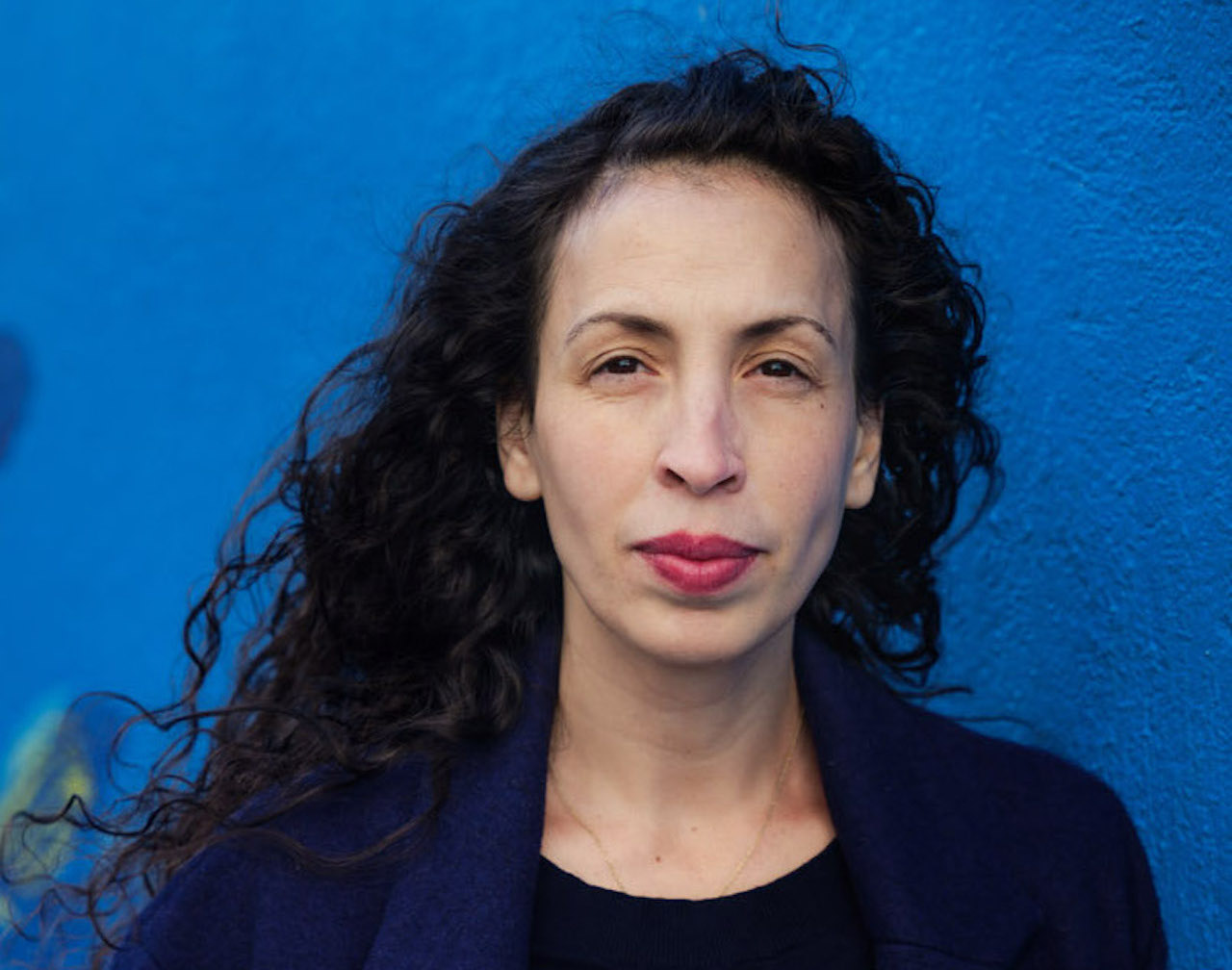
Rachida Brahim © S. Burlot Rachida Brahim is a sociologist and psychoanalyst (LinCS – University of Strasbourg). She focuses on the psychological consequences of violence related to power relations (gender, class, race) and on traditional medicine from the perspectives of feminist and decolonial epistemologies.
In 2021, she published a book with Syllpse Publishing Race Kills Twice: A History of Racist Crimes in France (1970–2000), a book in which she traces the history of racist crimes in France and how they have been addressed politically and judicially.
Currently holding the Junior Professorship in“Minority Studies” at the University of Strasbourg, she studies the relationship between plants and mental health and how traditional knowledge can support therapeutic pathways in cases of psychological trauma caused by sexual and colonial violence.
Rose Frigière, art therapist
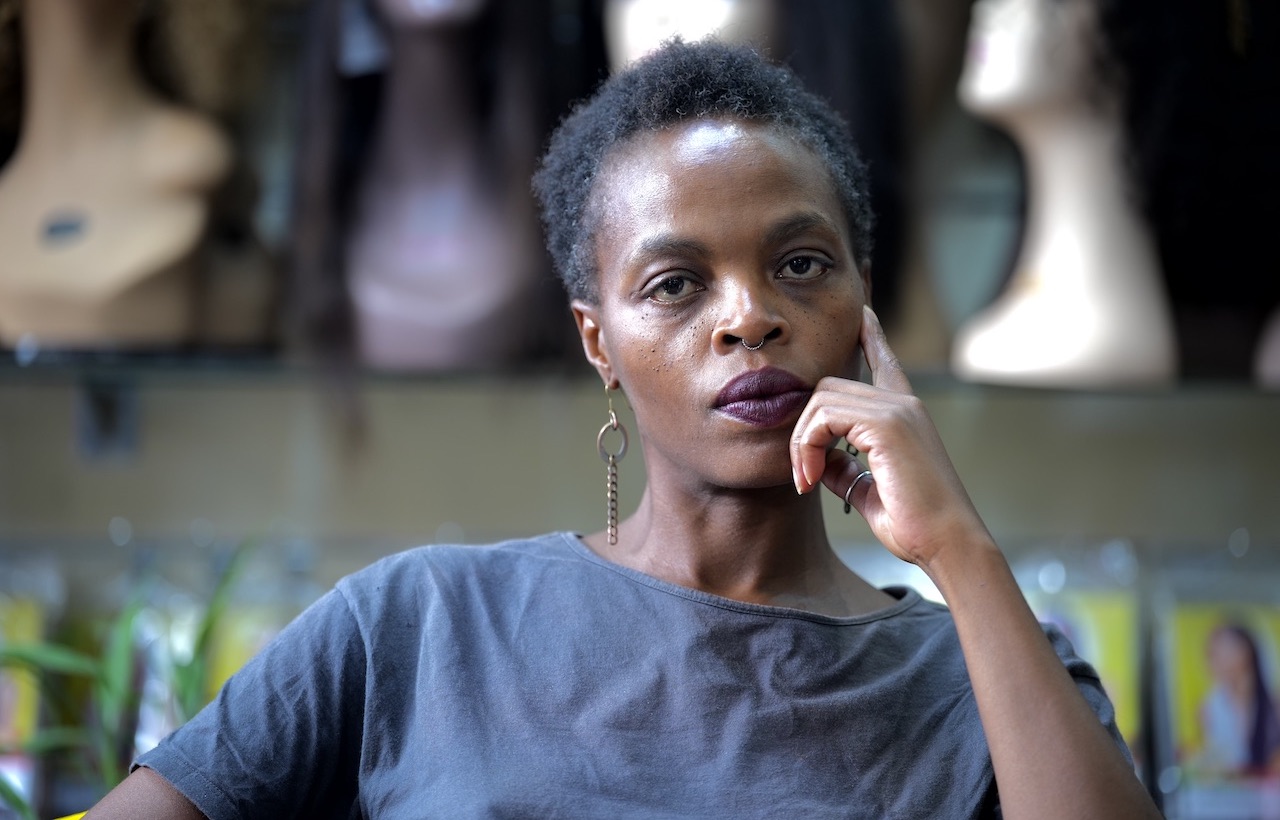
Rose Frigière © Gerard Maximin Rose Frigière is an art therapist, performer, and project manager for OpenYourArt (OYA), which supports and creates artistic initiatives in unexpected social settings. She was born in Cameroon in 1982 and moved to France at the age of 12. She lives and works in Marseille.
Research, performance, arts outreach, and their interconnection shape her work, which centers on sociability. She draws on fiction to construct narratives that link personal history and collective memory, often placing the voices of women of African descent at the center.
Her practice explores the ways in which stories are transmitted, articulated, and embodied, viewing storytelling as a situated act rather than a fixed one. The artist creates forms through which memory is transmitted, taking shape through relationship and repetition.
A time for discussion to address traumatic memories.
The past never completely fades away; it seeps into the present, takes root in our bodies, and is passed down from generation to generation. How do wounds—whether personal, familial, or systemic—endure over time? How can we break the cycle of trauma?
This event aims to explore traumatic memory from both an individual and a societal perspective. When we talk about mental health and interculturality, isn’t this also connected to how we come to terms with our collective history—a history marked by domination, marginalization, and the harm inflicted on other cultures?
Featuring Rachida Brahim (sociologist and psychoanalyst) and Rose Frigière (art therapist, performer, and cultural mediator).
A discussion moderated by Rokhaya Diallo.
In conclusion: sound sketches by Tolten (artist and psychologist).
To wrap up this event, Thomas Rime (Tolten) presents a slam poetry performance featuring text written on the spot, much like a sketch. He captures the essence of what is being said, adding a touch of irreverence, a bit of quirkiness, and a dash of poetry and humor. It’s a delicate balancing act, bordering on improvisation—a sort of slam reportage or slam analysis.
Learn more about ...
Rokhaya Diallo, French journalist, author, and filmmaker
Rokhaya Diallo © George T 2 Rokhaya Diallo is a French journalist, author, and award-winning filmmaker. She is a columnist for The Washington Post and The Guardian, and a researcher at the Gender+Justice Initiative research center at Georgetown University (Washington).
In France, she teaches cultural studies at Paris 1–Sorbonne and is a television and radio commentator. Rokhaya Diallo is the author of about ten books and comic books and has directed several documentaries. Together with Grace Ly, she also created “Kiffe Ta Race,” the first French-language podcast dedicated to racial issues and ranked among the best podcasts by Apple. In 2022, Rokhaya Diallo founded W.O.R.D., the first school dedicated to public speaking, with the goal of democratizing access to the public sphere. In March 2025, she published *Dictionnaire amoureux du féminisme* with Plon. Since 2026, she has served as editor-in-chief of *Politis* and president of Scic Politis.
Rachida Brahim, Ph.D. in sociology and psychoanalyst
Rachida Brahim © S. Burlot Rachida Brahim is a sociologist and psychoanalyst (LinCS – University of Strasbourg). She focuses on the psychological consequences of violence related to power relations (gender, class, race) and on traditional medicine from the perspectives of feminist and decolonial epistemologies.
In 2021, she published a book with Syllpse Publishing Race Kills Twice: A History of Racist Crimes in France (1970–2000), a book in which she traces the history of racist crimes in France and how they have been addressed politically and judicially.
Currently holding the Junior Professorship in“Minority Studies” at the University of Strasbourg, she studies the relationship between plants and mental health and how traditional knowledge can support therapeutic pathways in cases of psychological trauma caused by sexual and colonial violence.
Rose Frigière, art therapist
Rose Frigière © Gerard Maximin Rose Frigière is an art therapist, performer, and project manager for OpenYourArt (OYA), which supports and creates artistic initiatives in unexpected social settings. She was born in Cameroon in 1982 and moved to France at the age of 12. She lives and works in Marseille.
Research, performance, arts outreach, and their interconnection shape her work, which centers on sociability. She draws on fiction to construct narratives that link personal history and collective memory, often placing the voices of women of African descent at the center.
Her practice explores the ways in which stories are transmitted, articulated, and embodied, viewing storytelling as a situated act rather than a fixed one. The artist creates forms through which memory is transmitted, taking shape through relationship and repetition.