What National Cultural Heritage Oversights: Reflections on the Archives of Armenian, Kurdish, and Amazigh Minorities
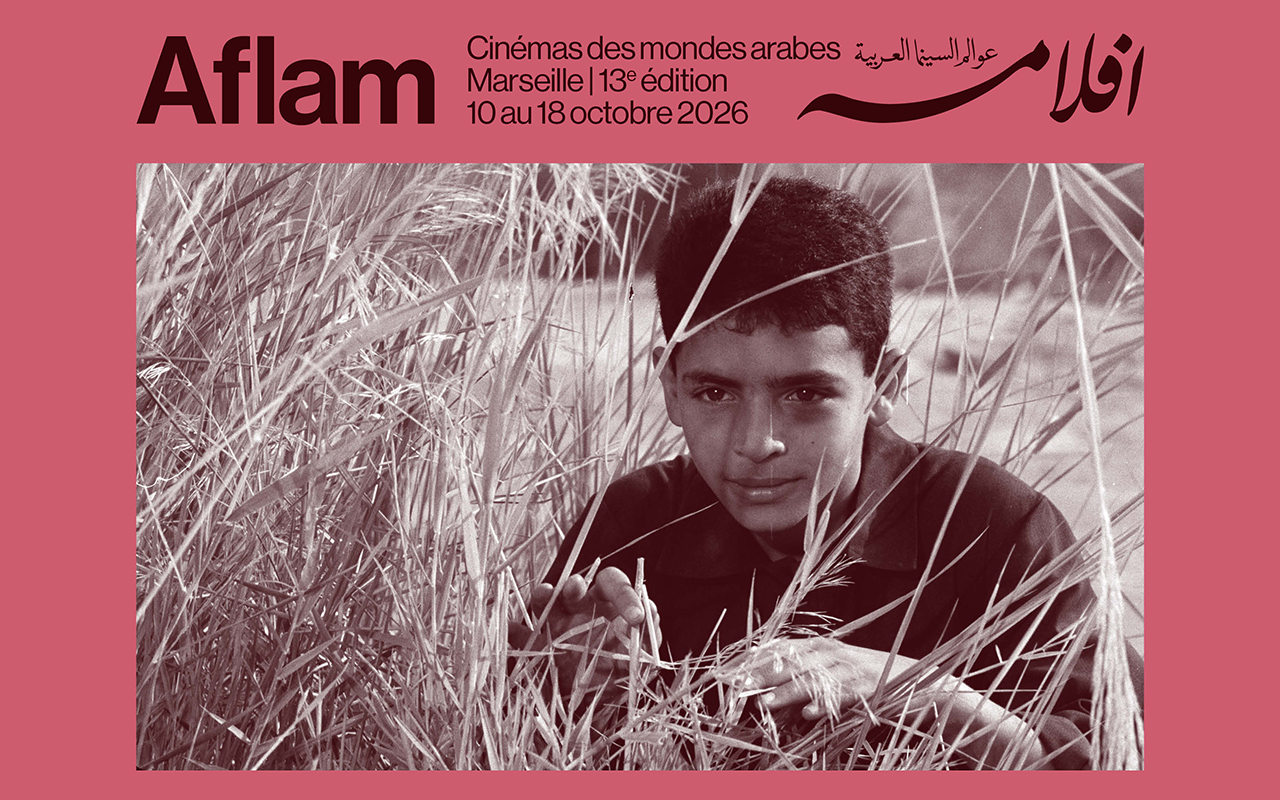
Aflam Festival 2026
A discussion on the diversity of memories and forgotten cinematic narratives.
A Conversation with Chantal Partamian, Pauline Tucoulet, and Sarah Mounia Kachiri.
The history of cinema in the “Arab countries” has been written within the framework of national boundaries inherited from colonial divisions, shaped by narratives that have often erased minority languages and cultures. What, then, becomes of the memory of those whom these official archives render invisible? Armenians, Kurds, Amazighs—all peoples whose images and sounds have been marginalized by a concept of cultural heritage defined within the borders of nation-states. This roundtable discussion explores methods for bringing these forgotten narratives to light.
Three approaches, three fields, and a single goal: to decolonize the archives in order to restore the images’ diversity.
Learn more about ...
Chantal Partamian, filmmaker
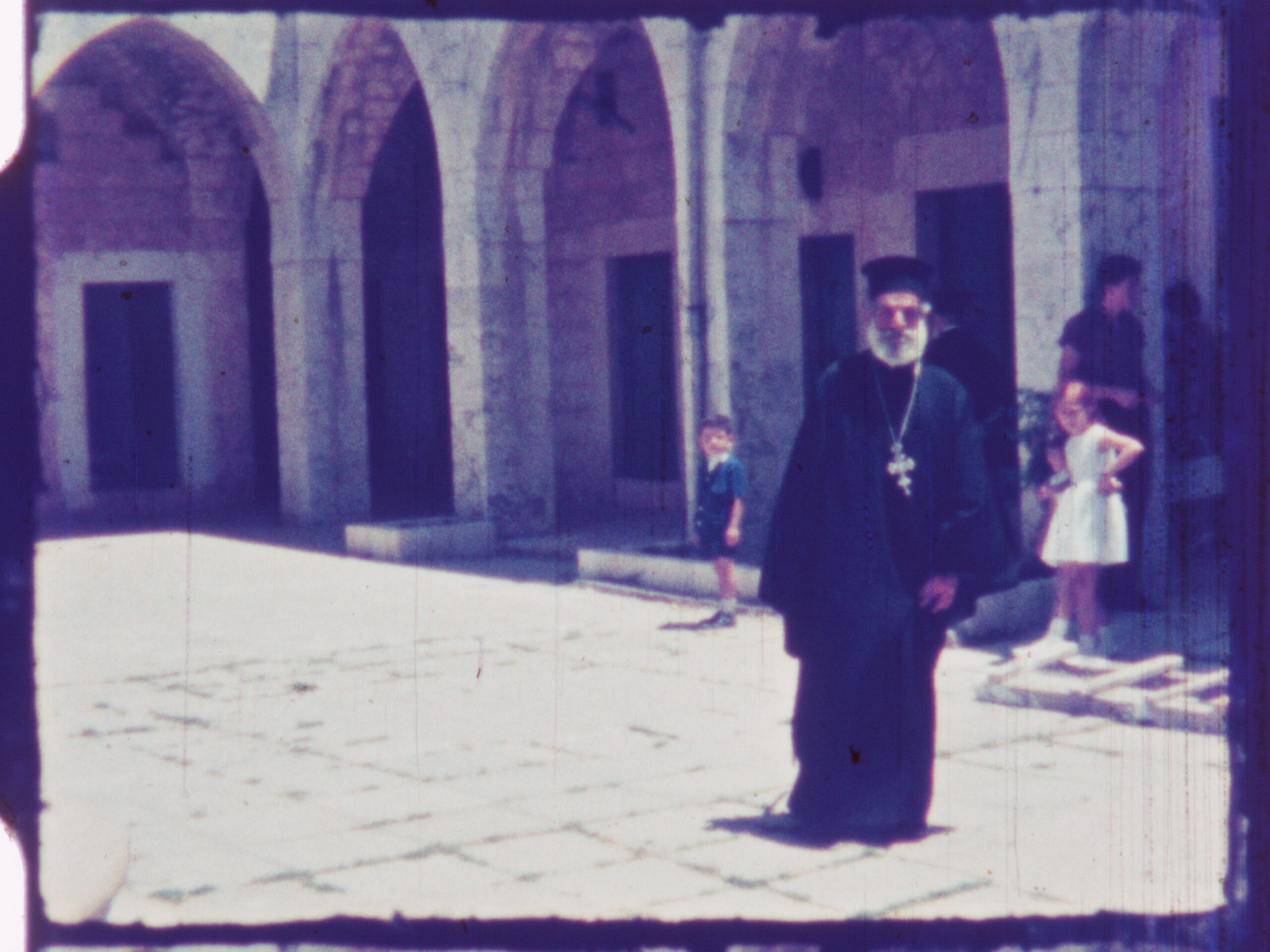
Chantal Partamian, a Lebanese-Armenian experimental filmmaker and archivist—known for her project *Katsakh: Mediterranean Archives* —collects, restores, and recontextualizes home movies and travelogues from the Eastern Mediterranean. This is an act of narrative resistance against the erasures caused by exile and genocide, and a reappropriation of images in defiance of imperial frameworks: she will discuss the archival challenges specific to the Armenian question, which has been erased from indexes and geographical records.
Pauline Tucoulet, film historian
As a film historian, Pauline Tucoulet has just completed a dissertation that seeks to define the historical and aesthetic contours of “Kurdish cinema,” which has so far been overlooked because it is caught between the national film industries of the four countries that make up Kurdistan. She will speak to us about the challenges of preserving these overlooked film traditions as cultural heritage.
Sarah Mounia Kachiri, filmmaker
The Franco-Moroccan filmmaker and programmer Sarah Mounia Kachiri will explore what it truly means to program Amazigh cinema and bring it to life for audiences—which already requires reflecting on a definition that would correspond to the very term “Amazigh cinema,” a term that may itself be open to question.
A discussion on the diversity of memories and forgotten cinematic narratives.
A Conversation with Chantal Partamian, Pauline Tucoulet, and Sarah Mounia Kachiri.
The history of cinema in the “Arab countries” has been written within the framework of national boundaries inherited from colonial divisions, shaped by narratives that have often erased minority languages and cultures. What, then, becomes of the memory of those whom these official archives render invisible? Armenians, Kurds, Amazighs—all peoples whose images and sounds have been marginalized by a concept of cultural heritage defined within the borders of nation-states. This roundtable discussion explores methods for bringing these forgotten narratives to light.
Three approaches, three fields, and a single goal: to decolonize the archives in order to restore the images’ diversity.
Learn more about ...
Chantal Partamian, filmmaker
Chantal Partamian, a Lebanese-Armenian experimental filmmaker and archivist—known for her project *Katsakh: Mediterranean Archives* —collects, restores, and recontextualizes home movies and travelogues from the Eastern Mediterranean. This is an act of narrative resistance against the erasures caused by exile and genocide, and a reappropriation of images in defiance of imperial frameworks: she will discuss the archival challenges specific to the Armenian question, which has been erased from indexes and geographical records.
Pauline Tucoulet, film historian
As a film historian, Pauline Tucoulet has just completed a dissertation that seeks to define the historical and aesthetic contours of “Kurdish cinema,” which has so far been overlooked because it is caught between the national film industries of the four countries that make up Kurdistan. She will speak to us about the challenges of preserving these overlooked film traditions as cultural heritage.
Sarah Mounia Kachiri, filmmaker
The Franco-Moroccan filmmaker and programmer Sarah Mounia Kachiri will explore what it truly means to program Amazigh cinema and bring it to life for audiences—which already requires reflecting on a definition that would correspond to the very term “Amazigh cinema,” a term that may itself be open to question.
An event organized as part of the Mediterranean 2026 season