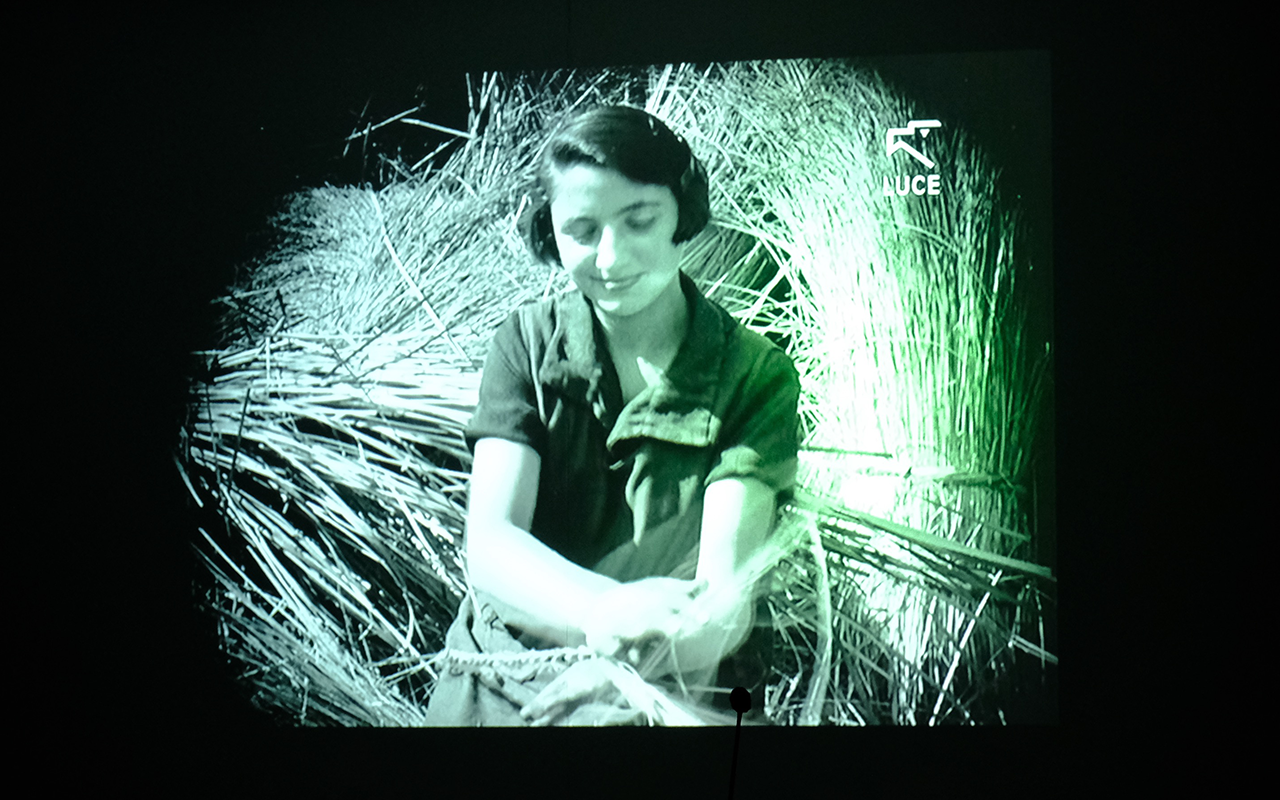
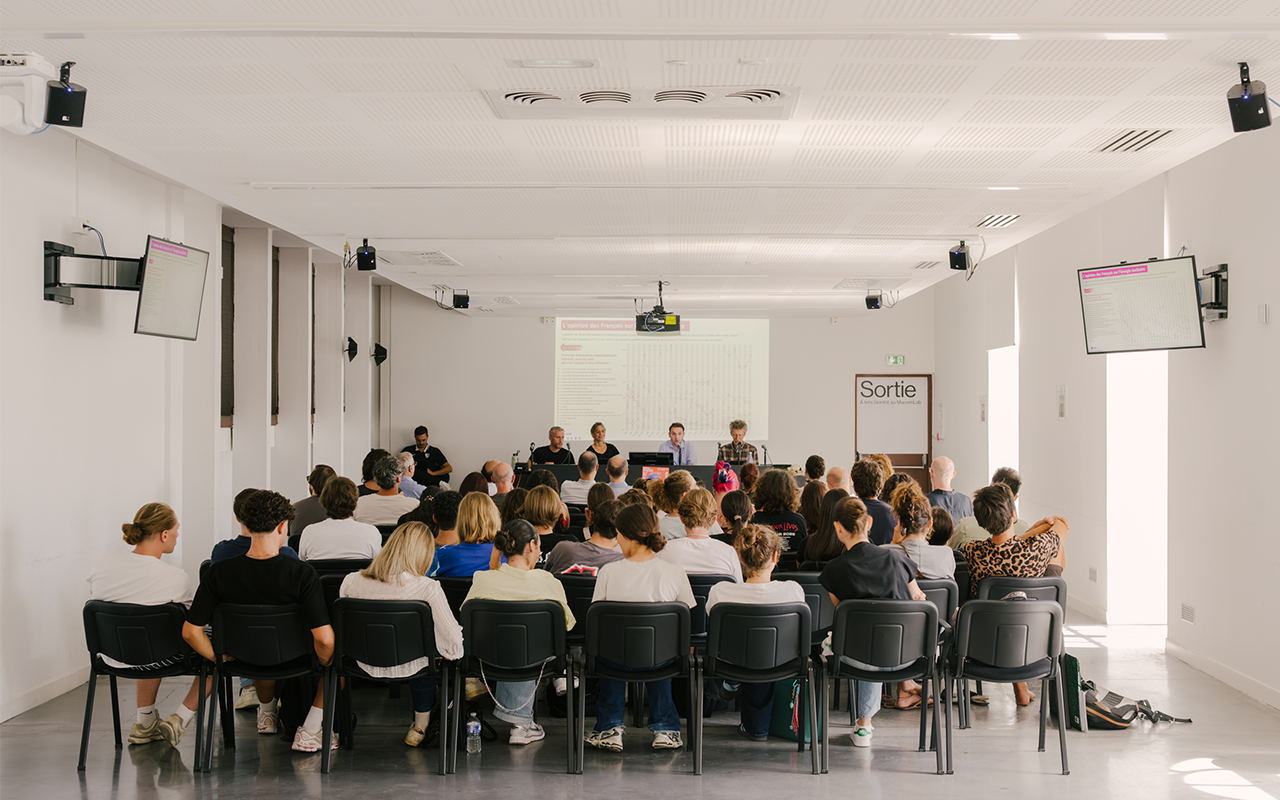
At the Mucem, artisans, students and researchers together explore the transmission of know-how through practice, materials and tools.
Following on from several years of analysis and meetings on graphic methods for analyzing and rendering know-how, this year we are continuing the experiment of inviting craftspeople to the Museum to work with them on crucial aspects of their craft: forms of knowledge and transmission, viability, socialization…
In addition to the usual tables, screens, powerpoint and visio… we’ll also be enjoying objects, materials and tools: looms, wool, Provence cane, bamboo, cork, plant and animal pigments, baskets…
They’ll be within sight and reach. Together with students and listeners, we’ll compare and contrast the respective contributions of manual knowledge and know-how, and their transmission within and across trades.
Detailed program
Monday May 04
9h15 – 9h30 Welcome
9:30-10am Flavia Carraro, Olivier Gosselain, Frédéric Joulian, Anne Faure.
Introduction to the “Reanimating objects” workshop and definition of the work schedule
10h-11h Olivier Gosselain
Keys to reading I: Methods for describing technical gestures
11am-12pm Frédéric Joulian
Anthropographic methods. Expressing gestures… For whom? For whom?
1:30 pm – 3:30 pm Tobie Chevallier (Artisan-Designer)
Presentation of the workshop and demonstration of bamboo objects and furniture.
3:30 pm – 5 pm Bamboo work using models from the MUCEM collections and objects brought back from Japan, Africa, the Massif des Maures and Italy.
17:00-17:30 Questions from students and artisans.
Debate moderated by Flavia Carraro, Olivier Gosselain and Daniel Niles.
Wednesday, May 06
9h15-10h15 Flavia Carraro
Key to reading III: From process to object and back again
10:15-10:30 Frédéric Joulian
Cork and its environment: Introduction to the workshop and the speaker.
10:30-11:30 Gabriel Martinerie (cork craftsman, Natural History)
On the manufacture of cork objects and socio-technical innovation.
11:30am-1pm Cork work using models from the Mucem and Massif des Maures collections and the “Natural History” workshop.
14h-15h Margot Hannequart (La ferme du Lambert, Collobrières – Var)
Workshop presentation and spinning and weaving demonstration.
15h-16h30 – Margot Hennequart, Flavia Carraro
Textile experiments.
4:30 pm – 5:30 pm Summing up of the day and discussion with speakers and audience, moderated by Olivier Gosselain.
Thursday, May 07
9:30-10 a.m. Olivier Gosselain
Presentation of the “Organic Chemistry” day devoted to colors and dyeing.
10am-12pm Harumi Sugiura (L’atelier Garance-Harumi Textile)
Fiber memory. Vegetable dyeing and pleating.
12pm-1pm Lunch break and discussion with the craftsman and supervisors.
1pm-3pm Dyeing workshop to understand dyeing practices and techniques…
Saturday, May 9th
10am-1pm Public presentation of analyses and student work (in groups)
Detailed program (off-site)
Tuesday, May 05 - Vieille Charité
9h15-10h15 Frédéric Joulian
Key to reading II: Materials, elementary actions on matter and technical systems.
10h15-11h15 with Cléo Arnod
Presentation and discussion of several bodies of objects: basketry, textiles, cork and dyeing from the Mucem collections.
11:15-11:45 Frédéric Joulian and Flavia Carraro
From earth to air: why characterize and compare fibers.
1:30 – 2:30 pm Daniel Niles Ecology and aesthetics: on the long history of Japanese basketry.
2:30 pm – 5:30 pm Japanese basketry readings.
At the Mucem, artisans, students and researchers together explore the transmission of know-how through practice, materials and tools.
Following on from several years of analysis and meetings on graphic methods for analyzing and rendering know-how, this year we are continuing the experiment of inviting craftspeople to the Museum to work with them on crucial aspects of their craft: forms of knowledge and transmission, viability, socialization…
In addition to the usual tables, screens, powerpoint and visio… we’ll also be enjoying objects, materials and tools: looms, wool, Provence cane, bamboo, cork, plant and animal pigments, baskets…
They’ll be within sight and reach. Together with students and listeners, we’ll compare and contrast the respective contributions of manual knowledge and know-how, and their transmission within and across trades.
Detailed program
Monday May 04
9h15 – 9h30 Welcome
9:30-10am Flavia Carraro, Olivier Gosselain, Frédéric Joulian, Anne Faure.
Introduction to the “Reanimating objects” workshop and definition of the work schedule
10h-11h Olivier Gosselain
Keys to reading I: Methods for describing technical gestures
11am-12pm Frédéric Joulian
Anthropographic methods. Expressing gestures… For whom? For whom?
1:30 pm – 3:30 pm Tobie Chevallier (Artisan-Designer)
Presentation of the workshop and demonstration of bamboo objects and furniture.
3:30 pm – 5 pm Bamboo work using models from the MUCEM collections and objects brought back from Japan, Africa, the Massif des Maures and Italy.
17:00-17:30 Questions from students and artisans.
Debate moderated by Flavia Carraro, Olivier Gosselain and Daniel Niles.
Wednesday, May 06
9h15-10h15 Flavia Carraro
Key to reading III: From process to object and back again
10:15-10:30 Frédéric Joulian
Cork and its environment: Introduction to the workshop and the speaker.
10:30-11:30 Gabriel Martinerie (cork craftsman, Natural History)
On the manufacture of cork objects and socio-technical innovation.
11:30am-1pm Cork work using models from the Mucem and Massif des Maures collections and the “Natural History” workshop.
14h-15h Margot Hannequart (La ferme du Lambert, Collobrières – Var)
Workshop presentation and spinning and weaving demonstration.
15h-16h30 – Margot Hennequart, Flavia Carraro
Textile experiments.
4:30 pm – 5:30 pm Summing up of the day and discussion with speakers and audience, moderated by Olivier Gosselain.
Thursday, May 07
9:30-10 a.m. Olivier Gosselain
Presentation of the “Organic Chemistry” day devoted to colors and dyeing.
10am-12pm Harumi Sugiura (L’atelier Garance-Harumi Textile)
Fiber memory. Vegetable dyeing and pleating.
12pm-1pm Lunch break and discussion with the craftsman and supervisors.
1pm-3pm Dyeing workshop to understand dyeing practices and techniques…
Saturday, May 9th
10am-1pm Public presentation of analyses and student work (in groups)
Detailed program (off-site)
Tuesday, May 05 - Vieille Charité
9h15-10h15 Frédéric Joulian
Key to reading II: Materials, elementary actions on matter and technical systems.
10h15-11h15 with Cléo Arnod
Presentation and discussion of several bodies of objects: basketry, textiles, cork and dyeing from the Mucem collections.
11:15-11:45 Frédéric Joulian and Flavia Carraro
From earth to air: why characterize and compare fibers.
1:30 – 2:30 pm Daniel Niles Ecology and aesthetics: on the long history of Japanese basketry.
2:30 pm – 5:30 pm Japanese basketry readings.