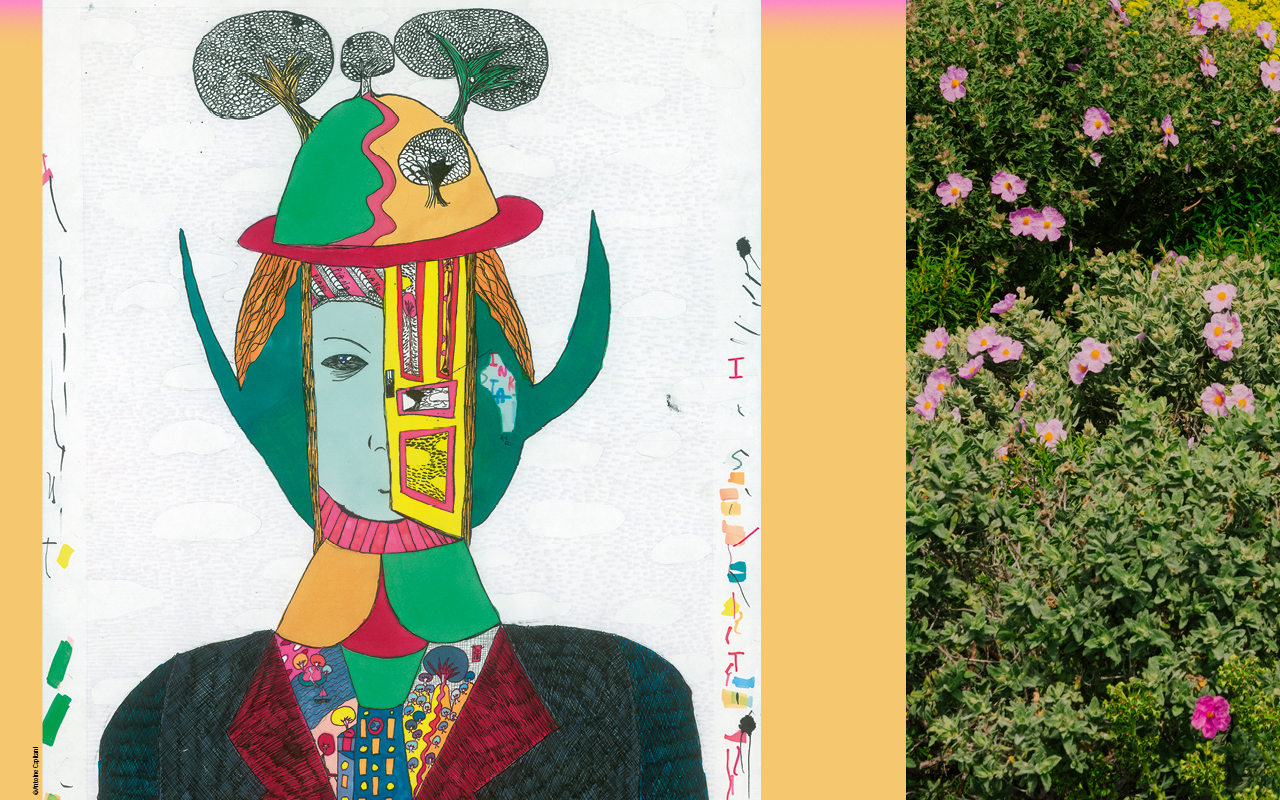
The third edition of “Bien dans ma tête” explores mental health from an intercultural perspective. October 2 is dedicated to professionals.
This event is dedicated to professionals in the health, social services, and cultural sectors, as well as those working in higher education institutions, the national education system, adult education, and child welfare.
On-site bar and light meals, Mucem Bookstore booth.
Nonprofit Forum
A community forum will be held from 9 a.m. to 6 p.m. in the Mucem forum (free admission, subject to availability). It will provide an opportunity to meet with healthcare providers and talk with organizations working to promote an intercultural approach to mental health.
The detailed conference schedule
9:30 a.m. to 10:15 a.m. - How to Provide Care at the Crossroads of Cultures?
With Dr. Said Ibrahim (child psychiatrist, psychotherapist, ethnopsychiatrist) and Sandrine Simon (executive director of Médecins du Monde).
Moderator: Nathania Cahen.
In conclusion: sound sketches by Tolten (artist and psychologist).What role does cultural diversity play in the treatment of mental health disorders today? How can we link mental health and culture, both theoretically and in practice? Many professionals are confronted with these questions and real-life cases, particularly in the context of migration.
This introductory session provides an overview and contextual analysis of ethnopsychiatry, which, since the 1960s, has occupied the intersection of cultural anthropology and clinical psychology, and explores how beliefs, rituals, and cultural representations shape the experience of mental suffering and influence therapeutic processes.
10:30 a.m. to 11:15 a.m. — Caring for Others in Exile
Featuring Claire Mestre (psychiatrist, psychotherapist, anthropologist, and author) and Bertrand Guéry, psychotherapist and former director of the Osiris Association (a center for care, interpretation, and resources on exile and psychological trauma).
Moderator: Nathania Cahen.
In conclusion: sound sketches by Tolten (artist and psychologist).How can we provide care and help people rebuild their lives when they have left everything behind? People living in exile often suffer from trauma resulting from extreme violence, compounded by cultural uprooting. In urgent situations, traditional care pathways are not enough.
This event examines the essential practices needed to support these life journeys: from the vital importance of interpreters to the complementary nature of teams, including specific support for families and minors. Together, we will explore how one’s culture of origin can become an indispensable therapeutic tool for healing both body and mind.
11:30 a.m. to 12:15 p.m. - Caring Across Generations
With Rachida Brahim (sociologist and psychoanalyst) and Emilie Abed (psychologist, Primo Levi Center).
Moderator: Nathania Cahen.
In conclusion: sound sketches by Tolten (artist and psychologist).Providing care that embraces others’ cultures also requires us to consider the long term—for the people involved, their potential descendants, and for our societies as a whole. Trauma does not end with those who have directly experienced it. When history is marked by violence, domination, and exile, the wounds seep into people’s bodies, take root in family silences, and are passed down from generation to generation. What about the mental health of the children and grandchildren of victims? How can we break the cycle of trauma?
From a medical perspective—and, more broadly, from a societal perspective—don’t mental health and interculturality also have to do with how we come to terms with our collective history, marked by domination, marginalization, and the trauma inflicted on other cultures?
2:30 p.m. to 4:00 p.m. — Training in Health Mediation and Cross-Cultural Issues
In collaboration with the Primo Levi Center (Adèle Legros), the Maison des Mondes (Alice Athenour and Jean-Michel Sene), the Osiris Center (Elsa Lafitte), and Paris Cité University (Serge Bouznah and Amalini Simon).
Moderator: Nathania Cahen.Because care cannot be improvised and because caring for others requires specific skills, the afternoon begins with a key session focused on knowledge transfer and professional development.
This session presents current learning pathways. Whether you are a healthcare provider, social worker, student, or community organization member, this event offers an opportunity to discover solid theoretical tools, share experiences from the field, and engage directly with dedicated experts.
In conclusion: sound sketches by Tolten (artist and psychologist).
To wrap up each event, Thomas Rime (Tolten) presents a slam poetry performance featuring text written on the spot, much like a sketch. He captures the essence of what is being said while adding a touch of irreverence, a twist, a bit of poetry, and some humor. It’s a delicate balancing act, close to improvisation—a sort of slam reportage or slam analysis.
Learn more about the speakers.
Said Ibrahim, child psychiatrist, psychotherapist, and ethnopsychiatrist
Dr. Said Ibrahim is a child psychiatrist, psychotherapist, and ethnopsychiatrist.
Appointed as an expert in ethnopsychiatry by the Marseille Juvenile Court, he is a teacher, researcher, and/or trainer at numerous organizations: IRFAT (Institute for Research and Training in Art Therapy, Vaucluse), International Institute for Ethnoclinical Research, Exchange, and Training (Wuntsi, Mandza-Ndazidja, Union of the Comoros), Maison des Mondes Sauvegarde 13 (Marseille), Association Les Chemins de la Rencontre (Toulouse), Trait d’Union International France Association, PJJ (Judicial Protection of Youth), Overseas Mission Réunion-Mayotte, APAJH (Association for Adults and Youth with Disabilities, Réunion Island), and AVEF (Association Vivre en Famille, Var).
He has also been facilitating parent-child-teen groups (with the organizations Because U.Art and Destination Famille 13) in Marseille for several years, and is a former professor and researcher at Aix-Marseille University.
Doctors of the World
As a humanitarian medical organization, Médecins du Monde operates independently in France and around the world to ensure universal and sustainable access to healthcare in response to humanitarian emergencies.
Sandrine Simon, nurse
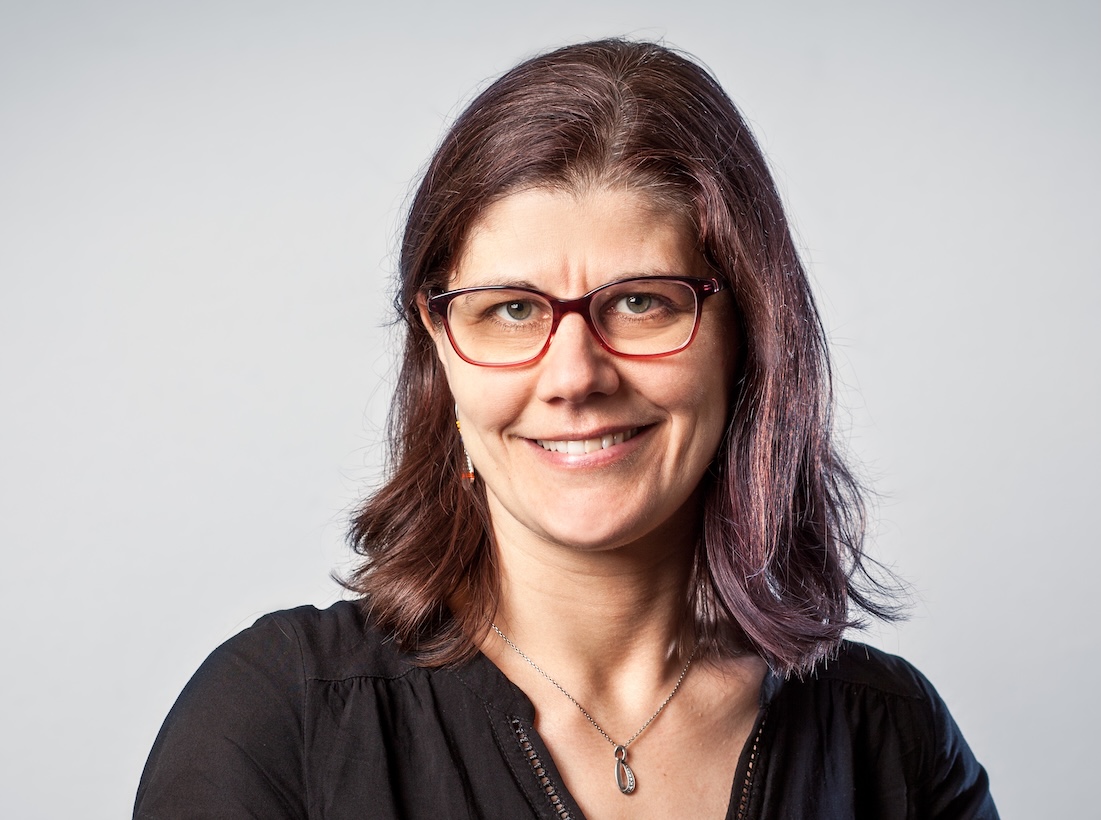
Sandrine Simon © Médecins du Monde Sandrine Simon is a nurse with a dual master’s degree in project management and public health. She has been advocating for universal access to healthcare for 25 years. She spent six years working in various African countries to strengthen health systems and improve access to healthcare.
In particular, she has implemented community-based health approaches to tailor the organization of physical and psychosocial care to the contexts and realities of the people she supports.
She has been with Médecins du Monde (MdM) since 2010 and currently serves as its executive director, working to integrate high-quality healthcare practices, expertise, and advocacy for sound public policies that respect human rights in France and internationally. The health of people in migration situations is one of MdM’s priorities, with the goal of ensuring that everyone has access to healthcare while taking into account the specific needs associated with their migration journeys.
Nathania Cahen, journalist
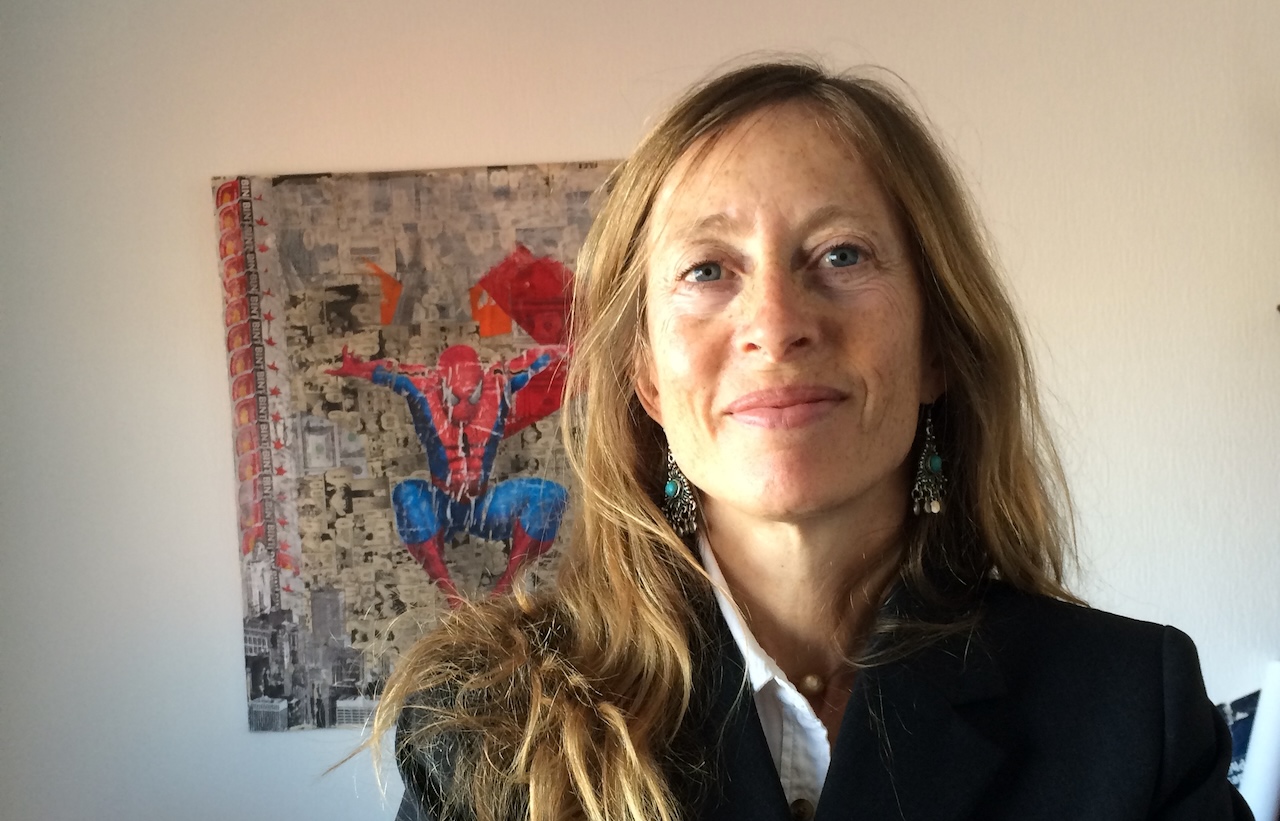
Nathania Cahen © Nathania Cahen Nathania Cahen is a journalist, editor-in-chief of the newspaper Marcelle, and a correspondent for Elle and Écologie 360. She was a correspondent for L’Express for 20 years and is a member of the NGO Reporters d’espoirs.
Claire Mestre, psychiatrist and psychotherapist, anthropologist, author
Claire Mestre is a psychiatrist, psychotherapist, anthropologist, and author. Trained in analytically-oriented psychotherapy, she established a transcultural clinic at the Bordeaux University Hospital in 1994 and founded the Mana association. She serves as president of the Ethnotopies association, is co-editor-in-chief of the journal *L’autre – Cliniques, cultures et sociétés*, and is a member of the editorial board of the journal *Spirale*.
Osiris
The Osiris Association, founded in 1999, is a center for care, interpretation, and resources on exile and psychological trauma, dedicated to providing therapeutic care and interpretation services for people who have experienced violence and trauma related to exile.
The center aims to: provide care for people experiencing distress related to their situation in exile and psychological trauma resulting from intentional acts of violence they experienced in their country of origin, during their journey, or upon their arrival in France. These man-made traumas result from torture, armed conflict, political repression, rape, and, more generally, any violation of human rights; raise awareness and provide training for all those who work with this population, support the creation of systems to ensure access to care for exiles within the region, and foster mutual understanding among these stakeholders; to offer a specialized interpreting service tailored to the shared needs of people with little or no knowledge of French and the relevant professionals, and to promote its use; and finally, build upon the experience and knowledge acquired by the association to advance research in mental health and professional interpreting related to psychological trauma.
Rachida Brahim, Ph.D. in sociology and psychoanalyst
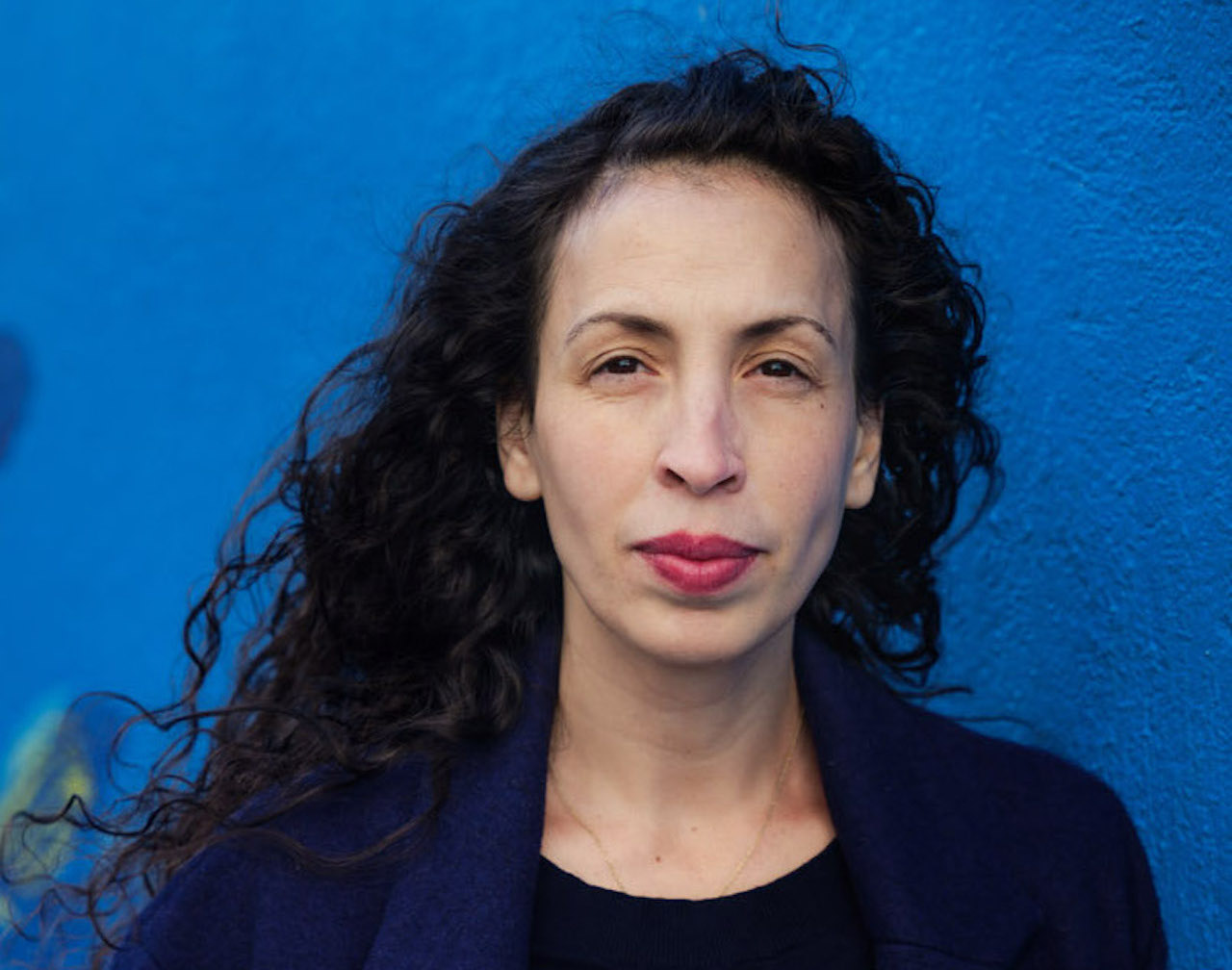
Rachida Brahim © S. Burlot Rachida Brahim is a sociologist and psychoanalyst (LinCS – University of Strasbourg). She focuses on the psychological consequences of violence related to power relations (gender, class, race) and on traditional medicine from the perspectives of feminist and decolonial epistemologies.
In 2021, she published *La race tue deux fois: A History of Racist Crimes in France (1970–2000)* with Syllpse, a book in which she traces the history of racist crimes in France and how they were addressed politically and judicially.
Currently holding the Junior Professorship in “Minority Studies” at the University of Strasbourg, she studies the relationship between plants and mental health and how traditional knowledge can support therapeutic pathways in cases of psychological trauma caused by sexual and colonial violence.
Émilie Abed, clinical psychologist and psychoanalyst
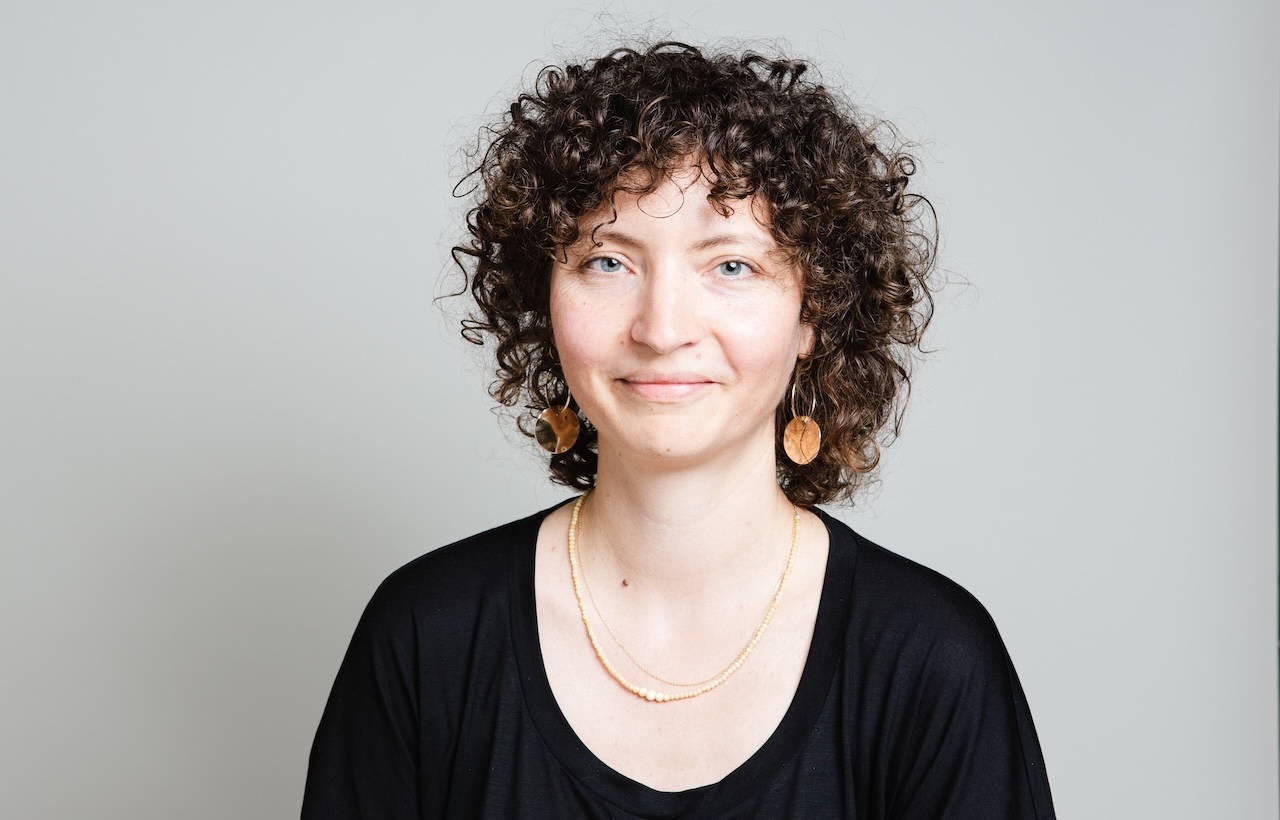
Emilie Abed © Frederique Plas Emilie Abed has been a clinical psychologist and psychoanalyst for over 20 years. She has worked in community child psychiatry, in adult psychiatry in private practice, and with children receiving support from the ASE (Child Protection Services) in the nonprofit sector. Since 2021, she has been a psychologist and trainer at the Primo Levi Center, a treatment center for victims of torture and political violence. In her training sessions and in the journal *Mémoires*, she addresses topics related to exile and trauma, particularly as they pertain to children and families.
Primo Levi Center
Founded in 1995, the Primo Levi Center provides victims of torture and political violence who have sought exile in France with access to specialized care designed to reduce the impact of trauma on their lives and help them integrate into French society. The Primo Levi Center also strives to share its expertise on psychological trauma through a training center that operates nationwide.
Paris Cité University
Paris Cité University is a pioneering institution in the field of university-level education focused on transcultural psychiatry and the clinical aspects of exile. In particular, it offers:
- University Degree in Health Mediation—Transcultural Approach—Mediation Processes, coordinated and presented by Dr. Serge Bouznah (public health physician, specialist in transcultural clinical practice, former director of the Babel Center). Academic Director: Prof. Marie-Rose Moro. The health mediator will build connections and help bring about a shift in perceptions and practices between healthcare providers and patients. To fully realize the potential of this concept, this university diploma program will train, within a single framework, professionals from the medical-psychological and socio-educational sectors who can serve as mediation liaisons within their institutions, as well as transcultural mediators from migrant communities.
Learn more: Master’s Degree in Health Mediation – Transcultural Approach – Mediation Processes – Paris Cité
- University Certificate in Psychiatry and Transcultural Competencies, coordinated and presented by Dr. Amalini Simon (clinical psychologist and director of the Babel Center). Academic Director: Prof. Marie-Rose Moro. Analyze the links between psychopathology, cultures, and migration with the help of anthropologists, linguists, clinicians, public health physicians, education specialists, philosophers, and researchers in psychiatry and the humanities… This will facilitate reflection on the development of this new clinical field: the focus of transcultural psychiatry, its perspectives, and its limitations. Training in transcultural clinical practice: analyzing interventions with migrant families and their children, thereby enabling the adaptation of our prevention and care strategies in migration contexts.To provide training in other forms of transcultural clinical practice, such as psychiatric and psychological work in situations of extreme trauma, disasters, wars, expatriation… and all situations involving humanitarian organizations and emergency medical services (SAMU) personnel. To equip all professionals working in the social, educational, school, or legal fields with transcultural competencies. To help foster an understanding of cultural blending and the challenges that migrants present to our societies.
Learn more: Master’s Degree in Psychiatry and Transcultural Competencies – Paris Cité
House of Worlds
Maison des mondes is part of the training organization Sauvegarde 13 and is a resource center dedicated to intercultural dialogue and the training of healthcare professionals. It offers training in ethnoclinical mediation, which aims to help participants master a rigorous mediation methodology that takes into account the cultural “context” of each professional and that of the people they encounter in the course of their work (service recipients, other professionals, partners, etc.), particularly in the social, medical-social, health, educational, and judicial sectors. The goal is to enrich and rethink the relationship of support and guidance.
The third edition of “Bien dans ma tête” explores mental health from an intercultural perspective. October 2 is dedicated to professionals.
This event is dedicated to professionals in the health, social services, and cultural sectors, as well as those working in higher education institutions, the national education system, adult education, and child welfare.
On-site bar and light meals, Mucem Bookstore booth.
Nonprofit Forum
A community forum will be held from 9 a.m. to 6 p.m. in the Mucem forum (free admission, subject to availability). It will provide an opportunity to meet with healthcare providers and talk with organizations working to promote an intercultural approach to mental health.
The detailed conference schedule
9:30 a.m. to 10:15 a.m. - How to Provide Care at the Crossroads of Cultures?
With Dr. Said Ibrahim (child psychiatrist, psychotherapist, ethnopsychiatrist) and Sandrine Simon (executive director of Médecins du Monde).
Moderator: Nathania Cahen.
In conclusion: sound sketches by Tolten (artist and psychologist).What role does cultural diversity play in the treatment of mental health disorders today? How can we link mental health and culture, both theoretically and in practice? Many professionals are confronted with these questions and real-life cases, particularly in the context of migration.
This introductory session provides an overview and contextual analysis of ethnopsychiatry, which, since the 1960s, has occupied the intersection of cultural anthropology and clinical psychology, and explores how beliefs, rituals, and cultural representations shape the experience of mental suffering and influence therapeutic processes.
10:30 a.m. to 11:15 a.m. — Caring for Others in Exile
Featuring Claire Mestre (psychiatrist, psychotherapist, anthropologist, and author) and Bertrand Guéry, psychotherapist and former director of the Osiris Association (a center for care, interpretation, and resources on exile and psychological trauma).
Moderator: Nathania Cahen.
In conclusion: sound sketches by Tolten (artist and psychologist).How can we provide care and help people rebuild their lives when they have left everything behind? People living in exile often suffer from trauma resulting from extreme violence, compounded by cultural uprooting. In urgent situations, traditional care pathways are not enough.
This event examines the essential practices needed to support these life journeys: from the vital importance of interpreters to the complementary nature of teams, including specific support for families and minors. Together, we will explore how one’s culture of origin can become an indispensable therapeutic tool for healing both body and mind.
11:30 a.m. to 12:15 p.m. - Caring Across Generations
With Rachida Brahim (sociologist and psychoanalyst) and Emilie Abed (psychologist, Primo Levi Center).
Moderator: Nathania Cahen.
In conclusion: sound sketches by Tolten (artist and psychologist).Providing care that embraces others’ cultures also requires us to consider the long term—for the people involved, their potential descendants, and for our societies as a whole. Trauma does not end with those who have directly experienced it. When history is marked by violence, domination, and exile, the wounds seep into people’s bodies, take root in family silences, and are passed down from generation to generation. What about the mental health of the children and grandchildren of victims? How can we break the cycle of trauma?
From a medical perspective—and, more broadly, from a societal perspective—don’t mental health and interculturality also have to do with how we come to terms with our collective history, marked by domination, marginalization, and the trauma inflicted on other cultures?
2:30 p.m. to 4:00 p.m. — Training in Health Mediation and Cross-Cultural Issues
In collaboration with the Primo Levi Center (Adèle Legros), the Maison des Mondes (Alice Athenour and Jean-Michel Sene), the Osiris Center (Elsa Lafitte), and Paris Cité University (Serge Bouznah and Amalini Simon).
Moderator: Nathania Cahen.Because care cannot be improvised and because caring for others requires specific skills, the afternoon begins with a key session focused on knowledge transfer and professional development.
This session presents current learning pathways. Whether you are a healthcare provider, social worker, student, or community organization member, this event offers an opportunity to discover solid theoretical tools, share experiences from the field, and engage directly with dedicated experts.
In conclusion: sound sketches by Tolten (artist and psychologist).
To wrap up each event, Thomas Rime (Tolten) presents a slam poetry performance featuring text written on the spot, much like a sketch. He captures the essence of what is being said while adding a touch of irreverence, a twist, a bit of poetry, and some humor. It’s a delicate balancing act, close to improvisation—a sort of slam reportage or slam analysis.
Learn more about the speakers.
Said Ibrahim, child psychiatrist, psychotherapist, and ethnopsychiatrist
Dr. Said Ibrahim is a child psychiatrist, psychotherapist, and ethnopsychiatrist.
Appointed as an expert in ethnopsychiatry by the Marseille Juvenile Court, he is a teacher, researcher, and/or trainer at numerous organizations: IRFAT (Institute for Research and Training in Art Therapy, Vaucluse), International Institute for Ethnoclinical Research, Exchange, and Training (Wuntsi, Mandza-Ndazidja, Union of the Comoros), Maison des Mondes Sauvegarde 13 (Marseille), Association Les Chemins de la Rencontre (Toulouse), Trait d’Union International France Association, PJJ (Judicial Protection of Youth), Overseas Mission Réunion-Mayotte, APAJH (Association for Adults and Youth with Disabilities, Réunion Island), and AVEF (Association Vivre en Famille, Var).
He has also been facilitating parent-child-teen groups (with the organizations Because U.Art and Destination Famille 13) in Marseille for several years, and is a former professor and researcher at Aix-Marseille University.
Doctors of the World
As a humanitarian medical organization, Médecins du Monde operates independently in France and around the world to ensure universal and sustainable access to healthcare in response to humanitarian emergencies.
Sandrine Simon, nurse
Sandrine Simon © Médecins du Monde Sandrine Simon is a nurse with a dual master’s degree in project management and public health. She has been advocating for universal access to healthcare for 25 years. She spent six years working in various African countries to strengthen health systems and improve access to healthcare.
In particular, she has implemented community-based health approaches to tailor the organization of physical and psychosocial care to the contexts and realities of the people she supports.
She has been with Médecins du Monde (MdM) since 2010 and currently serves as its executive director, working to integrate high-quality healthcare practices, expertise, and advocacy for sound public policies that respect human rights in France and internationally. The health of people in migration situations is one of MdM’s priorities, with the goal of ensuring that everyone has access to healthcare while taking into account the specific needs associated with their migration journeys.
Nathania Cahen, journalist
Nathania Cahen © Nathania Cahen Nathania Cahen is a journalist, editor-in-chief of the newspaper Marcelle, and a correspondent for Elle and Écologie 360. She was a correspondent for L’Express for 20 years and is a member of the NGO Reporters d’espoirs.
Claire Mestre, psychiatrist and psychotherapist, anthropologist, author
Claire Mestre is a psychiatrist, psychotherapist, anthropologist, and author. Trained in analytically-oriented psychotherapy, she established a transcultural clinic at the Bordeaux University Hospital in 1994 and founded the Mana association. She serves as president of the Ethnotopies association, is co-editor-in-chief of the journal *L’autre – Cliniques, cultures et sociétés*, and is a member of the editorial board of the journal *Spirale*.
Osiris
The Osiris Association, founded in 1999, is a center for care, interpretation, and resources on exile and psychological trauma, dedicated to providing therapeutic care and interpretation services for people who have experienced violence and trauma related to exile.
The center aims to: provide care for people experiencing distress related to their situation in exile and psychological trauma resulting from intentional acts of violence they experienced in their country of origin, during their journey, or upon their arrival in France. These man-made traumas result from torture, armed conflict, political repression, rape, and, more generally, any violation of human rights; raise awareness and provide training for all those who work with this population, support the creation of systems to ensure access to care for exiles within the region, and foster mutual understanding among these stakeholders; to offer a specialized interpreting service tailored to the shared needs of people with little or no knowledge of French and the relevant professionals, and to promote its use; and finally, build upon the experience and knowledge acquired by the association to advance research in mental health and professional interpreting related to psychological trauma.
Rachida Brahim, Ph.D. in sociology and psychoanalyst
Rachida Brahim © S. Burlot Rachida Brahim is a sociologist and psychoanalyst (LinCS – University of Strasbourg). She focuses on the psychological consequences of violence related to power relations (gender, class, race) and on traditional medicine from the perspectives of feminist and decolonial epistemologies.
In 2021, she published *La race tue deux fois: A History of Racist Crimes in France (1970–2000)* with Syllpse, a book in which she traces the history of racist crimes in France and how they were addressed politically and judicially.
Currently holding the Junior Professorship in “Minority Studies” at the University of Strasbourg, she studies the relationship between plants and mental health and how traditional knowledge can support therapeutic pathways in cases of psychological trauma caused by sexual and colonial violence.
Émilie Abed, clinical psychologist and psychoanalyst
Emilie Abed © Frederique Plas Emilie Abed has been a clinical psychologist and psychoanalyst for over 20 years. She has worked in community child psychiatry, in adult psychiatry in private practice, and with children receiving support from the ASE (Child Protection Services) in the nonprofit sector. Since 2021, she has been a psychologist and trainer at the Primo Levi Center, a treatment center for victims of torture and political violence. In her training sessions and in the journal *Mémoires*, she addresses topics related to exile and trauma, particularly as they pertain to children and families.
Primo Levi Center
Founded in 1995, the Primo Levi Center provides victims of torture and political violence who have sought exile in France with access to specialized care designed to reduce the impact of trauma on their lives and help them integrate into French society. The Primo Levi Center also strives to share its expertise on psychological trauma through a training center that operates nationwide.
Paris Cité University
Paris Cité University is a pioneering institution in the field of university-level education focused on transcultural psychiatry and the clinical aspects of exile. In particular, it offers:
- University Degree in Health Mediation—Transcultural Approach—Mediation Processes, coordinated and presented by Dr. Serge Bouznah (public health physician, specialist in transcultural clinical practice, former director of the Babel Center). Academic Director: Prof. Marie-Rose Moro. The health mediator will build connections and help bring about a shift in perceptions and practices between healthcare providers and patients. To fully realize the potential of this concept, this university diploma program will train, within a single framework, professionals from the medical-psychological and socio-educational sectors who can serve as mediation liaisons within their institutions, as well as transcultural mediators from migrant communities.
Learn more: Master’s Degree in Health Mediation – Transcultural Approach – Mediation Processes – Paris Cité
- University Certificate in Psychiatry and Transcultural Competencies, coordinated and presented by Dr. Amalini Simon (clinical psychologist and director of the Babel Center). Academic Director: Prof. Marie-Rose Moro. Analyze the links between psychopathology, cultures, and migration with the help of anthropologists, linguists, clinicians, public health physicians, education specialists, philosophers, and researchers in psychiatry and the humanities… This will facilitate reflection on the development of this new clinical field: the focus of transcultural psychiatry, its perspectives, and its limitations. Training in transcultural clinical practice: analyzing interventions with migrant families and their children, thereby enabling the adaptation of our prevention and care strategies in migration contexts.To provide training in other forms of transcultural clinical practice, such as psychiatric and psychological work in situations of extreme trauma, disasters, wars, expatriation… and all situations involving humanitarian organizations and emergency medical services (SAMU) personnel. To equip all professionals working in the social, educational, school, or legal fields with transcultural competencies. To help foster an understanding of cultural blending and the challenges that migrants present to our societies.
Learn more: Master’s Degree in Psychiatry and Transcultural Competencies – Paris Cité
House of Worlds
Maison des mondes is part of the training organization Sauvegarde 13 and is a resource center dedicated to intercultural dialogue and the training of healthcare professionals. It offers training in ethnoclinical mediation, which aims to help participants master a rigorous mediation methodology that takes into account the cultural “context” of each professional and that of the people they encounter in the course of their work (service recipients, other professionals, partners, etc.), particularly in the social, medical-social, health, educational, and judicial sectors. The goal is to enrich and rethink the relationship of support and guidance.