In autumn 2027, Mucem will devote an exhibition to skateboarding.
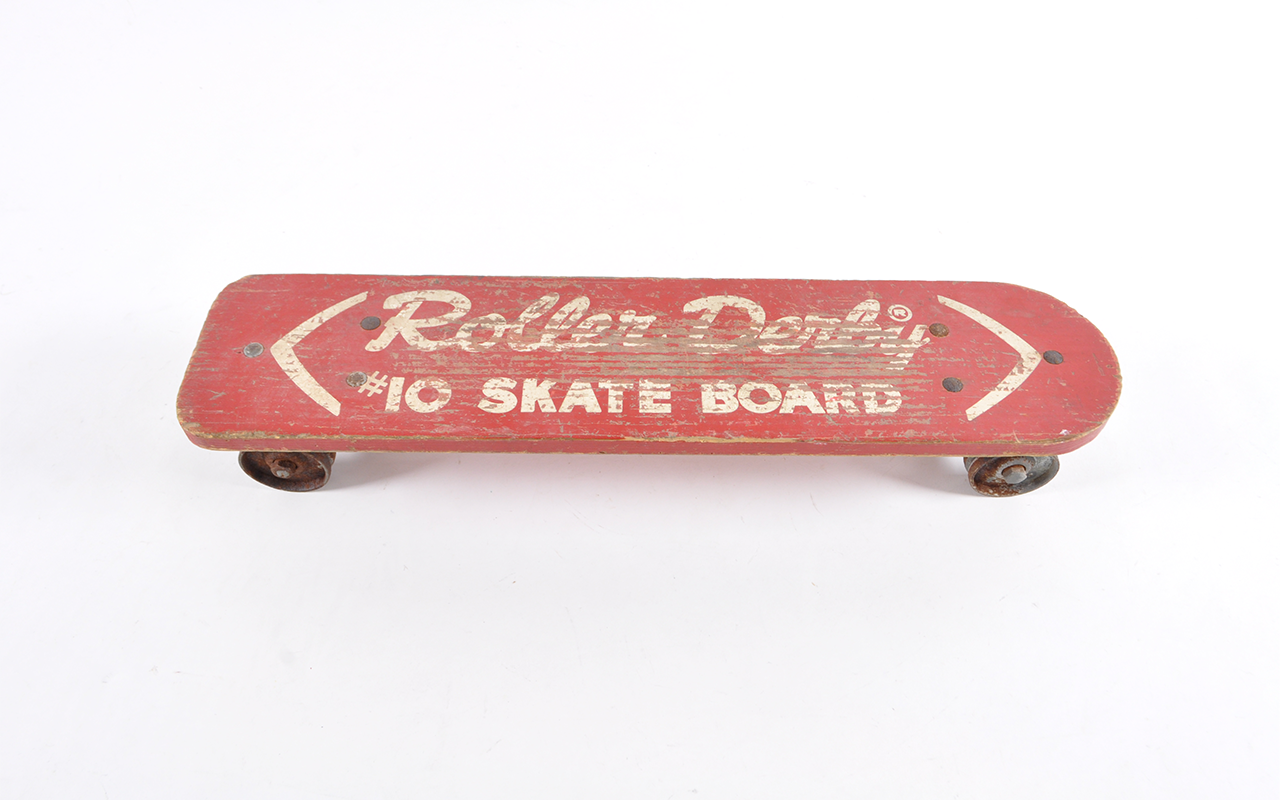
The exhibition showcases Mucem’s collection, a benchmark collection unique in Europe, which sheds light on skateboarding from the 1960s to the present day. A sporting practice that has become an Olympic discipline, skateboarding is also a culture in its own right, even a counterculture, guided by core values such as freedom and risk-taking and characterised by its own visual universe.
The Mucem exhibition looks back over 60 years of history that have shaped the culture and myths of a now-global practice.
It offers a new perspective on the history of skateboarding in the Mediterranean, starting in Marseille, which is renowned worldwide for its iconic “Prado Bowl”. The exhibition also pays particular attention to the profound changes the practice has undergone in recent years, focusing on the new identities and forms of sociability embodied by female and male skateboarders.
Works from the Mucem collection
The collection — comprising around a thousand objects, some thirty archive boxes and films — sheds light on skateboarding from historical, sociological and technical perspectives. It brings together documents and objects (decks, equipment, clothing, photographs, VHS tapes, stickers, magazines, fanzines, etc.) used or signed by legendary skateboarders, as well as groups of items donated by enthusiasts. This collection stems from research and collecting carried out between the early 1990s and the 2000s by two researchers at the Centre d’Ethnologie Française of the CNRS, attached to the MNATP: ethnologist Claire Calogirou and sociologist Marc Touché, with the assistance of anthropologist and psychosociologist Marie Cipriani-Crauste.
In 2025, three research-and-collecting projects devoted to “Skateboarding Territories in the Mediterranean” were launched as part of work to update this historic collection.
Led by a scientific committee comprising specialists and practitioners, they use three case studies to shed light on the development of skateboarding in the Mediterranean over the past twenty years.
Valentin Chenier, a doctoral researcher at the University of Tampere and skateboarder, analyses the political, economic and cultural implications of the evolution of skateboarding in Taghazout, Morocco. Sébastien Carayol, documentary filmmaker and skateboarder, examines the contemporary social, commercial and tourism dynamics associated with the unprecedented growth of skateboarding in Barcelona, Spain, since the 1990s.
Claude Queyrel, founder of the magazine endless line and skateboarder, and Pierre Pauselli and Florent Theron, coordinators with the Board Spirit Marseille association and skateboarders, explore the practices and uses of DIY skateparks in Marseille, which trace a parallel history of skateboarding in the city. These three research-and-collecting projects will significantly enrich the Mucem archive and collection.
Curators
Sébastien Carayol, documentary filmmaker, author and exhibition curator, skateboarder;
Anna Millers, heritage curator, Head of the Techniques, Practices and Stories of the Body Department at Mucem