Sensitive Materials
Preserving the living world is one of the major challenges of the 21st century. Yet the illegal trade in animal and plant species remains one of the largest forms of trafficking after drugs and weapons.
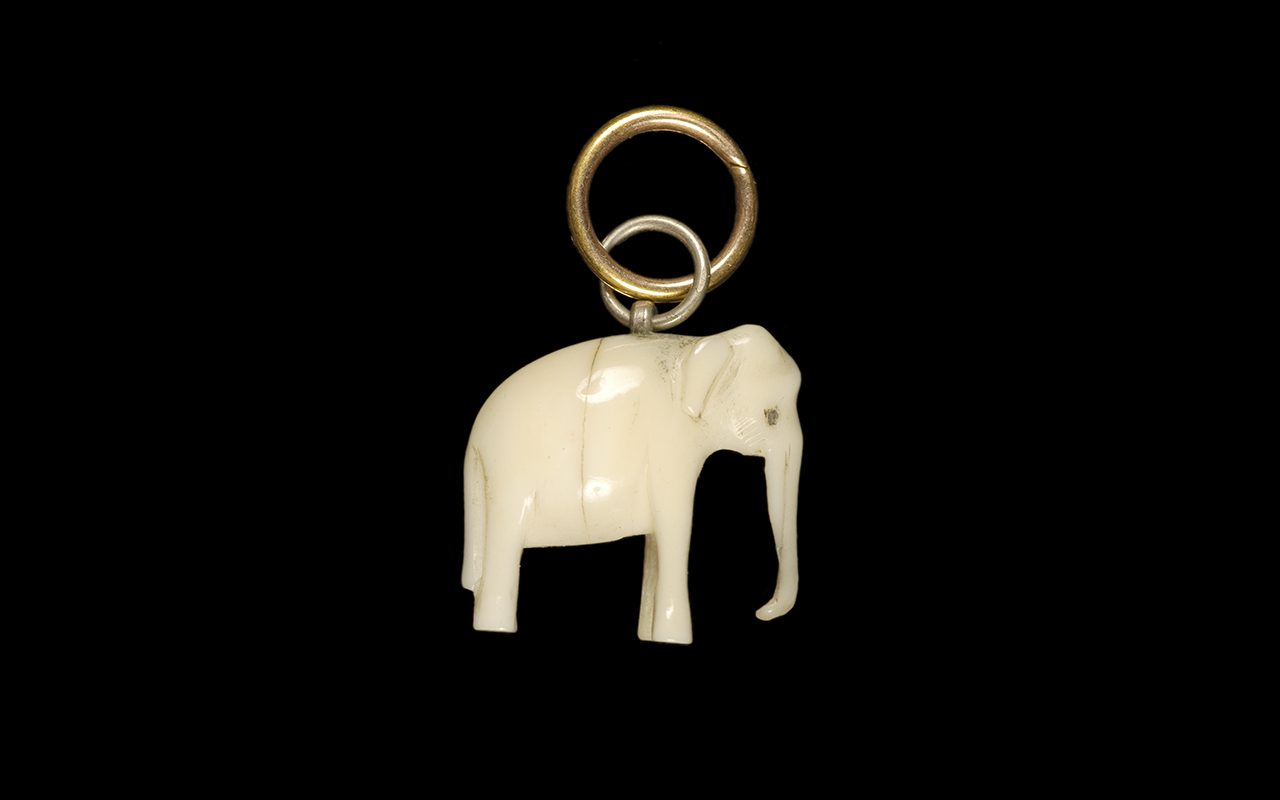
Beyond live wild species, this trade is concealed in art objects and contemporary works, as well as in everyday objects. In response to this challenge, local, national and international laws are being introduced. Individuals and organisations are also taking action to protect biodiversity.
The “Sensitive Materials” exhibition will bring together a selection of ethnographic objects and contemporary creations from the Mucem collection and various lenders to explore the provenance of the animal and plant materials used. What is the origin of the species involved? Under what conditions are their circulation and acquisition legal? What tools are being put in place to combat this trade? What legal and ethical issues does it raise?
Through these objects and the stories of their journeys, the exhibition will invite broader reflection on the relationships between human societies and the living world.
Curators
Julie Durin, Digital Collections Management and Inventories Officer, Mucem; Constance Jame, PhD in Art History, Heidelberg University and provenance researcher