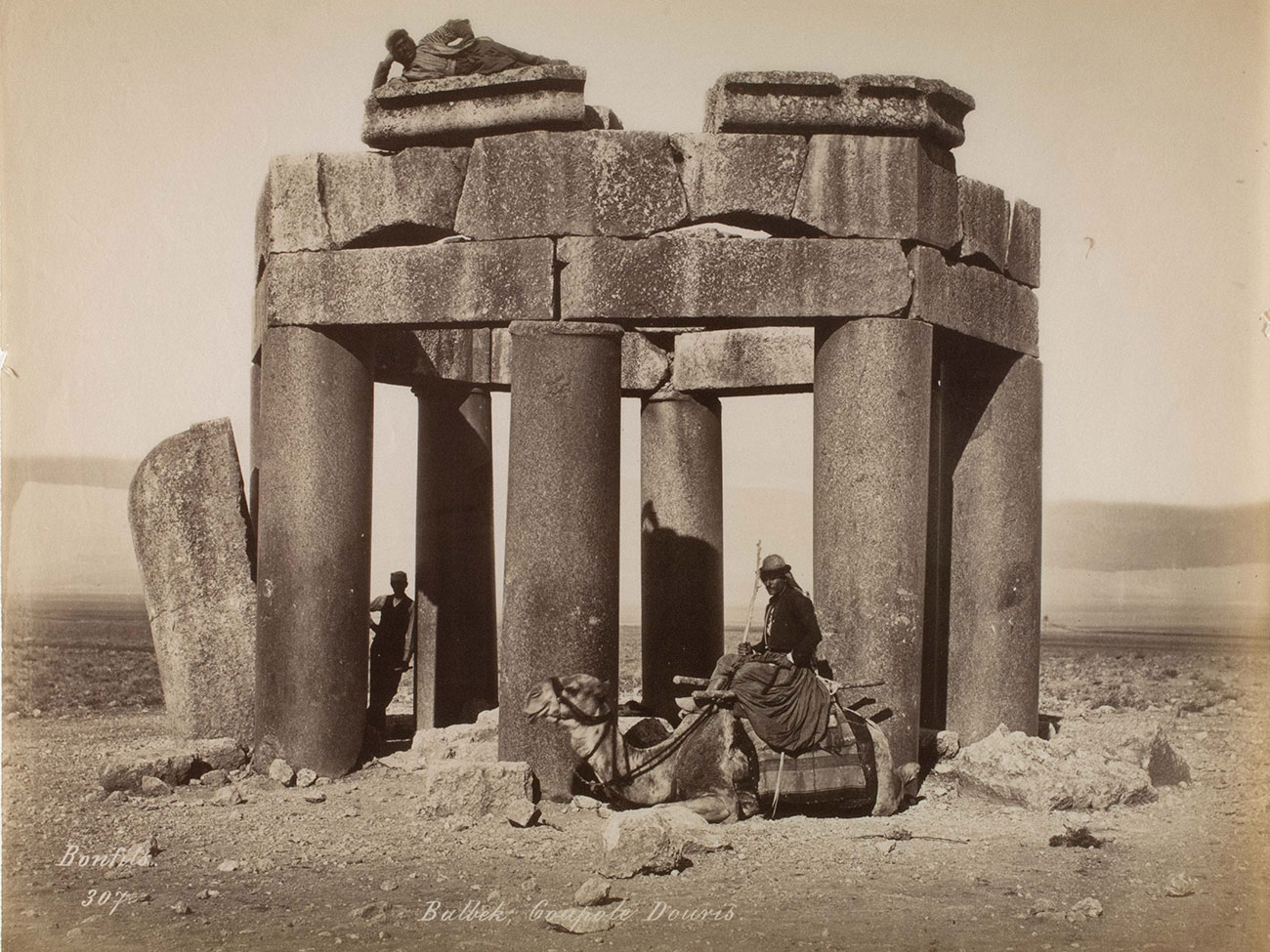
Photography and its history have only ever been questioned from a point of view distorted by painting or, more broadly, the graphic arts.
“La Fabrique des illusions” proposes a new way of thinking about the origins of this medium, particularly in its relationship with theater and the performing arts.
Orientalist” photography can be a special place for this necessary rethinking, as it has always functioned in the mode of simulation.
In the 19th century, photography and theater established new modes of representation. This was the period when the “ocular spectacle” was invented, a scenographic complex with special effects, a conglomerate of new images.
The use of photography in all visual entertainment in the 19th century, and theater in particular, was based on common codes and references understood by all. What was sought above all was the illusion of life, best embodied by the stage and its effects. Photography is a theatrical space.
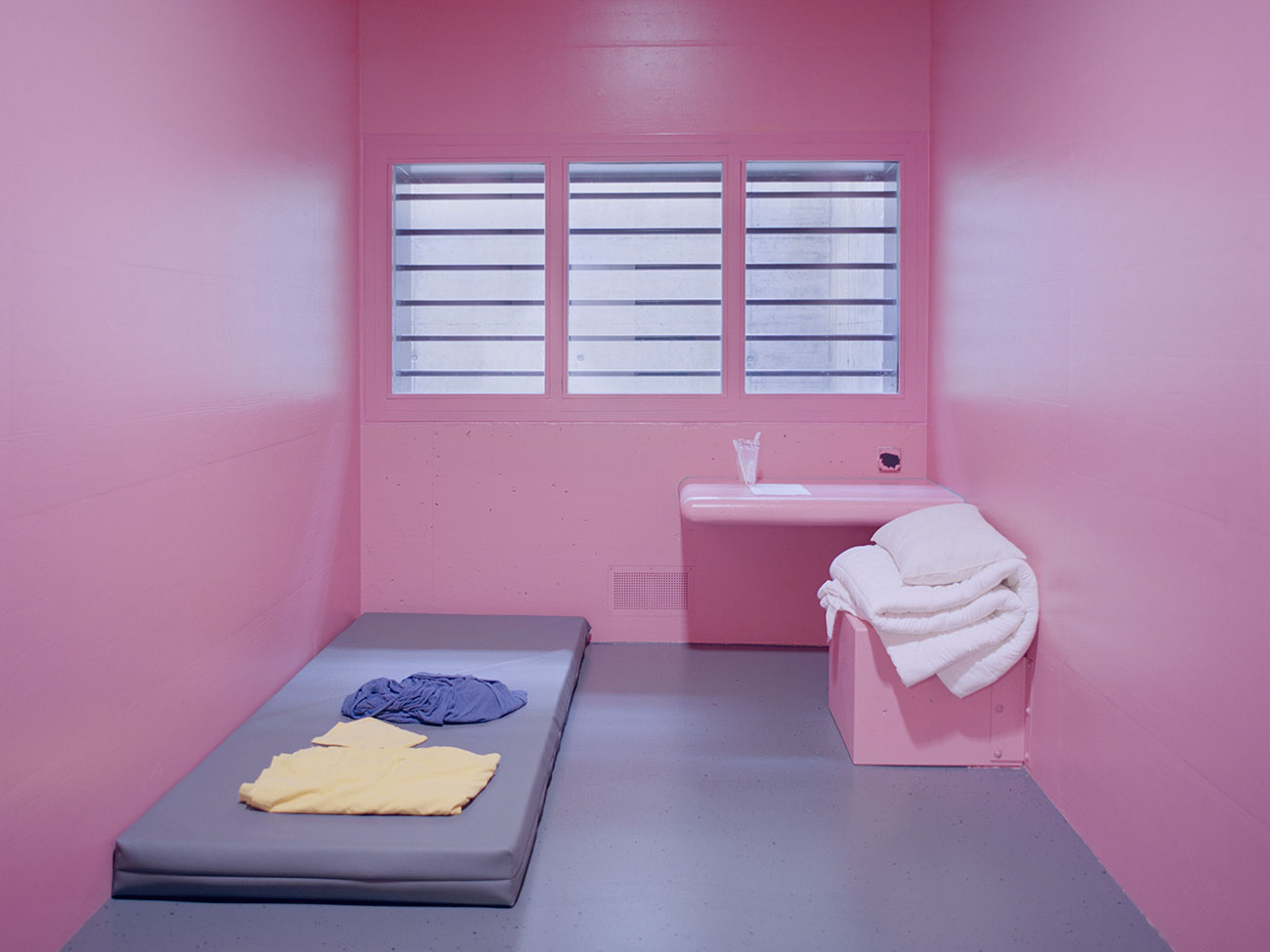
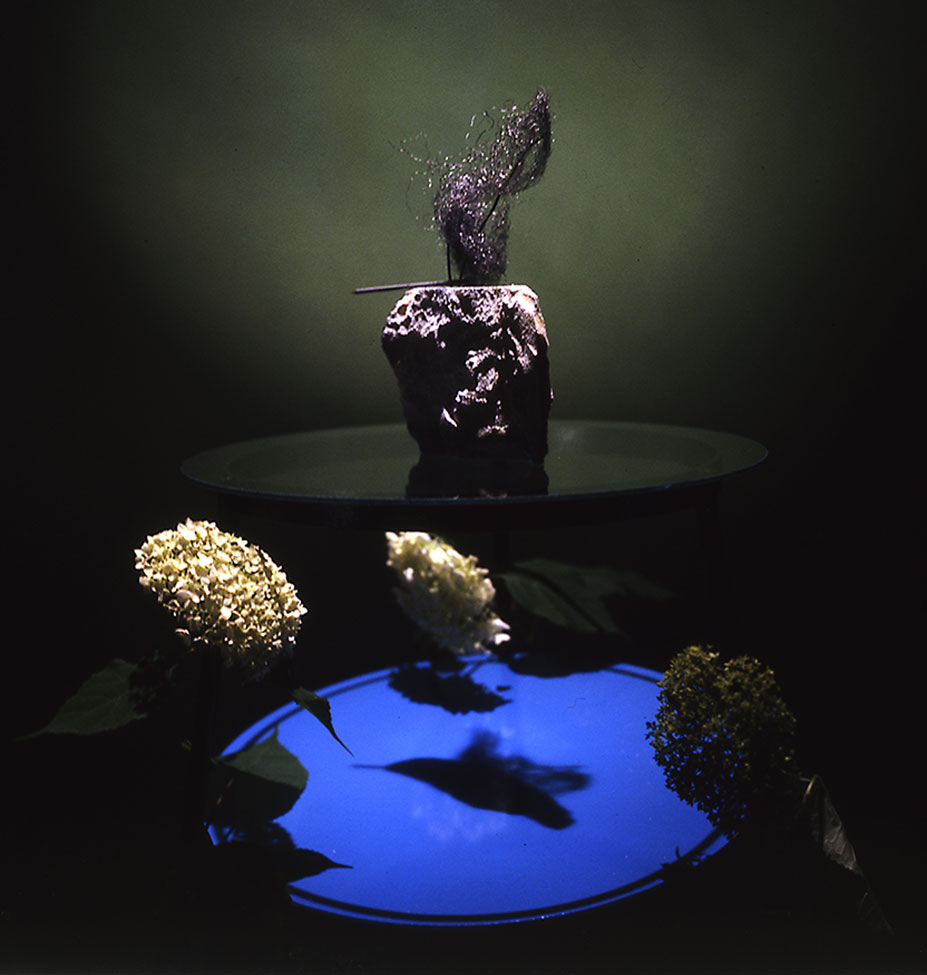
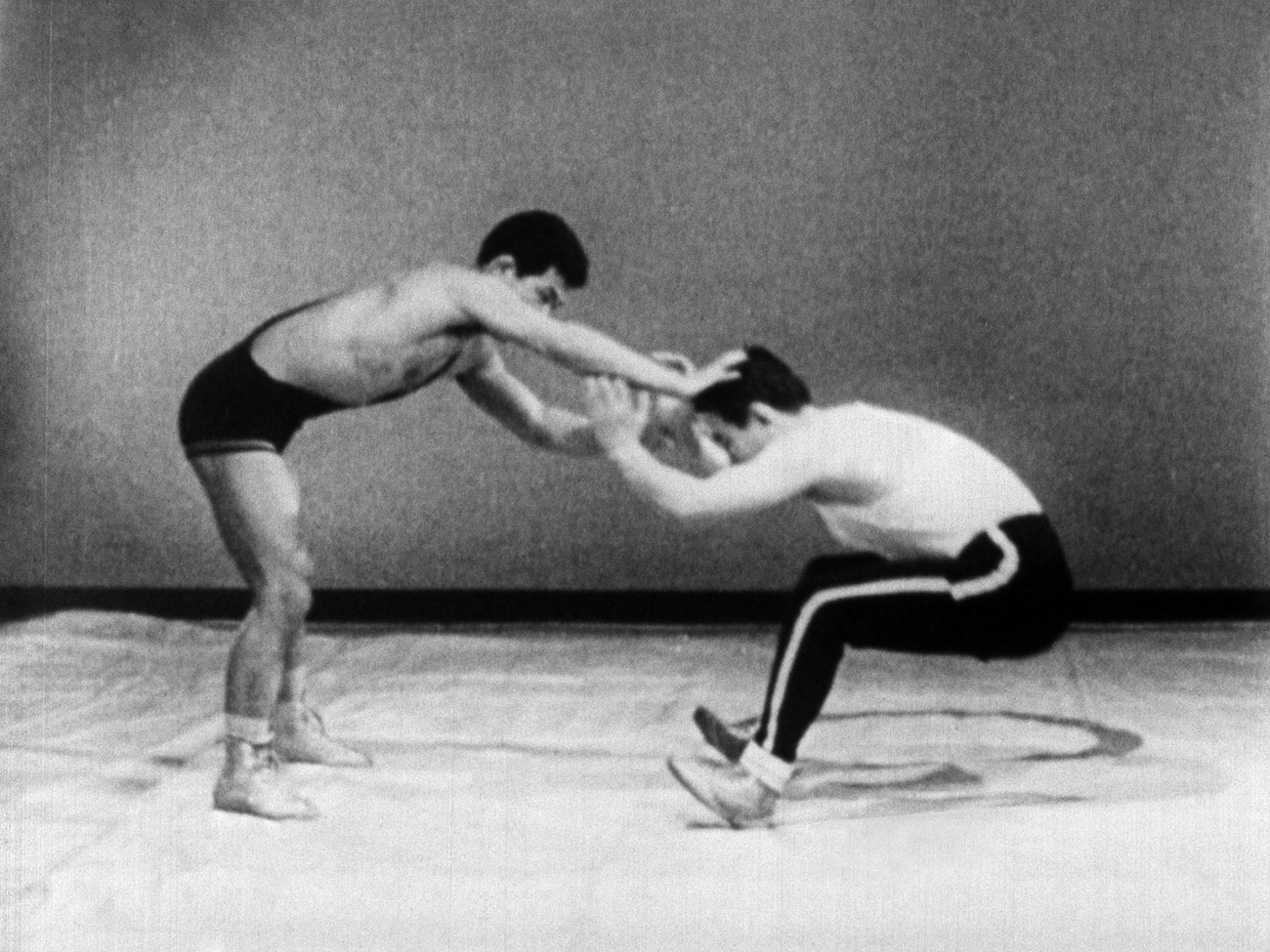
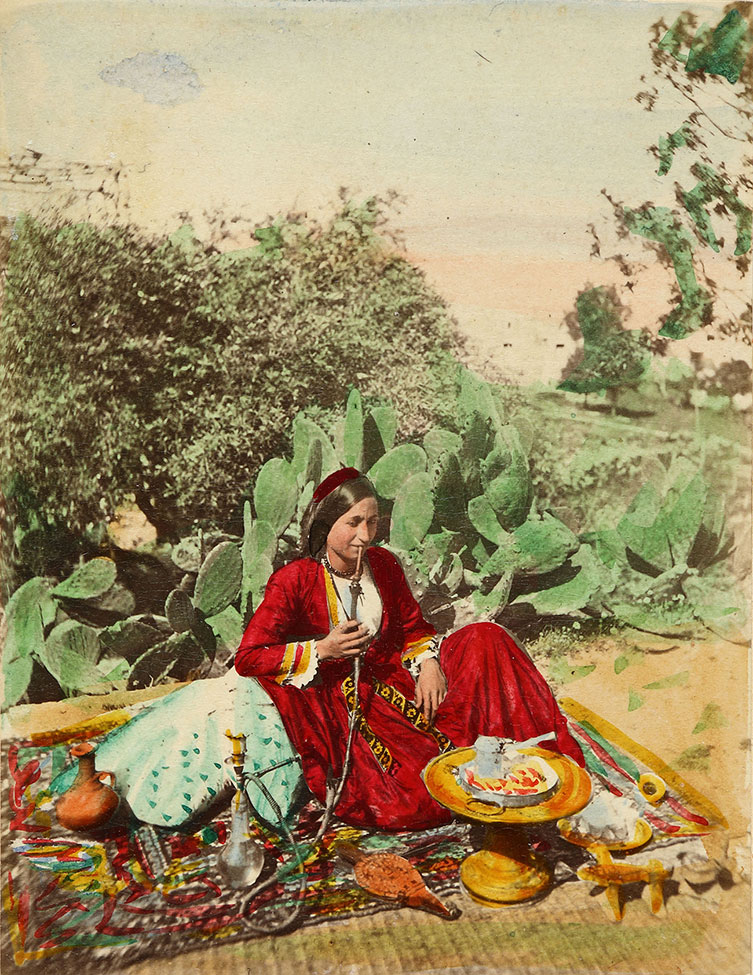
“La Fabrique des illusions” confronts “orientalist” photographs from the Fouad Debbas collection with works by ten international contemporary artists: Mac Adams, Nadim Asfar, Vartan Avakian, Elina Brotherus, Daniele Genadry, Randa Mirza, Louis Quail, Angélique Stehli, Wiktoria Wojciechowska, and Ali Zanjani.
The exhibition features an ensemble of almost 300 pieces.
Since the 1970s, contemporary photography has offered an alternative to illusion. It knows how to play with it, the better to dismantle its tricks. What’s at stake in this exhibition is the confrontation between deceptive beauty and the lie-true.
In fact, “La Fabrique des illusions” sketches out another history of photography, one that is contradictory and, in the final analysis, illegitimate.
-Curator: François Cheval, exhibition curator, co-founder and co-director of the Lianzhou Museum for Photography in China, co-founder of “The Red Eye”, artistic director of the “Circulation(s)” festival.
Yasmine Chemali, head of the modern and contemporary art collections at Beirut’s Sursock Museum, in charge of the Fouad Debbas collection.
-Set design: Jacques Aboukhaled
Interview with Yasmine Chemali and François Cheval, exhibition curators
Mucem (M.)
This exhibition offers a new approach to the history of photography, highlighting its links with theater in the 19th century…
Yasmine Chemali and François Cheval (Y.C and F.C.)
It’s a mistake to consider the history of photography as definitively written. There are several reasons for this. Firstly, since the invention of photography dates back to 1816-1822, we are still a long way from measuring the effects of such a complex medium, which is only two centuries old and has imposed itself universally.
Secondly, for reasons that cannot be explained here, the official history was written by mainly Anglo-Saxon institutions and merchants. All shared the idea of photography as the “legitimate daughter” of painting. It was nothing less than an operation to revise the nature of the medium, transforming a multiple into a rare, unique commodity.
By linking photography and theater, we propose another way of understanding not simply the history of photography, but the establishment of the “society of the spectacle”. A world seen as a perspectival stage space, a place for representing the absent, a belief in totality…M.
Why did you choose to contrast orientalist photographs from the Fouad Debbas collection with contemporary works?
Y.C and F.C.
The Fouad Debbas collection alone can provide elements for a reflection on the photographic object. However, we wanted to use the contemporary proposals to demonstrate that questioning the medium is more topical than ever. One of the qualities of contemporary photography is precisely to question the medium and determine its limits, to position it in the decisive universe of modern representations.
Contemporary artists explain the “curators'” demonstration better than the captions.M.
Which pieces from the Fouad Debbas collection particularly caught your eye, and how did you choose their contemporary “pairing”?
Y.C and F.C.
None of the pieces were selected for their “remarkable” character. One of the aims of the ex-
position is to challenge notions of “icon” and “vintage”.
Nineteenth-century photography, through its aesthetics, choice of subjects, etc., has been able to establish its reputation on criteria of “beauty” that allow it to mask its real, ideological meanings. The Fouad Debbas collection can be analyzed in terms of significant series. Authors’ “beautiful” sets are treated identically to the “chromos” considered vulgar by the history of photography.
What is important to understand in the 30,000 images collected by Fouad Debbas is the idea of seriality. Repeatable capture – offered by the mechanical image – goes hand in hand with the reproducibility of the medium – the logic of the print run. It’s a commercial logic. Directly linked to the catalogs of views offered by Maison Bonfils, for example, the customer collects a series of images, a reality, which he believes he has appropriated. Albumin prints, their enlargements, then their derivatives in the form of postcards or stereoscopic views, are all practices that bring nineteenth-century photography closer to contemporaries. For us, there are no pairings, only confrontations, subjects of discussion between, for example, an Elina Brotherus and the ham figure of Adrien Bonfils.
Photography and its history have only ever been questioned from a point of view distorted by painting or, more broadly, the graphic arts.
“La Fabrique des illusions” proposes a new way of thinking about the origins of this medium, particularly in its relationship with theater and the performing arts.
Orientalist” photography can be a special place for this necessary rethinking, as it has always functioned in the mode of simulation.
In the 19th century, photography and theater established new modes of representation. This was the period when the “ocular spectacle” was invented, a scenographic complex with special effects, a conglomerate of new images.
The use of photography in all visual entertainment in the 19th century, and theater in particular, was based on common codes and references understood by all. What was sought above all was the illusion of life, best embodied by the stage and its effects. Photography is a theatrical space.
“La Fabrique des illusions” confronts “orientalist” photographs from the Fouad Debbas collection with works by ten international contemporary artists: Mac Adams, Nadim Asfar, Vartan Avakian, Elina Brotherus, Daniele Genadry, Randa Mirza, Louis Quail, Angélique Stehli, Wiktoria Wojciechowska, and Ali Zanjani.
The exhibition features an ensemble of almost 300 pieces.
Since the 1970s, contemporary photography has offered an alternative to illusion. It knows how to play with it, the better to dismantle its tricks. What’s at stake in this exhibition is the confrontation between deceptive beauty and the lie-true.
In fact, “La Fabrique des illusions” sketches out another history of photography, one that is contradictory and, in the final analysis, illegitimate.
-Curator: François Cheval, exhibition curator, co-founder and co-director of the Lianzhou Museum for Photography in China, co-founder of “The Red Eye”, artistic director of the “Circulation(s)” festival.
Yasmine Chemali, head of the modern and contemporary art collections at Beirut’s Sursock Museum, in charge of the Fouad Debbas collection.
-Set design: Jacques Aboukhaled
Interview with Yasmine Chemali and François Cheval, exhibition curators
Mucem (M.)
This exhibition offers a new approach to the history of photography, highlighting its links with theater in the 19th century…
Yasmine Chemali and François Cheval (Y.C and F.C.)
It’s a mistake to consider the history of photography as definitively written. There are several reasons for this. Firstly, since the invention of photography dates back to 1816-1822, we are still a long way from measuring the effects of such a complex medium, which is only two centuries old and has imposed itself universally.
Secondly, for reasons that cannot be explained here, the official history was written by mainly Anglo-Saxon institutions and merchants. All shared the idea of photography as the “legitimate daughter” of painting. It was nothing less than an operation to revise the nature of the medium, transforming a multiple into a rare, unique commodity.
By linking photography and theater, we propose another way of understanding not simply the history of photography, but the establishment of the “society of the spectacle”. A world seen as a perspectival stage space, a place for representing the absent, a belief in totality…M.
Why did you choose to contrast orientalist photographs from the Fouad Debbas collection with contemporary works?
Y.C and F.C.
The Fouad Debbas collection alone can provide elements for a reflection on the photographic object. However, we wanted to use the contemporary proposals to demonstrate that questioning the medium is more topical than ever. One of the qualities of contemporary photography is precisely to question the medium and determine its limits, to position it in the decisive universe of modern representations.
Contemporary artists explain the “curators'” demonstration better than the captions.M.
Which pieces from the Fouad Debbas collection particularly caught your eye, and how did you choose their contemporary “pairing”?
Y.C and F.C.
None of the pieces were selected for their “remarkable” character. One of the aims of the ex-
position is to challenge notions of “icon” and “vintage”.
Nineteenth-century photography, through its aesthetics, choice of subjects, etc., has been able to establish its reputation on criteria of “beauty” that allow it to mask its real, ideological meanings. The Fouad Debbas collection can be analyzed in terms of significant series. Authors’ “beautiful” sets are treated identically to the “chromos” considered vulgar by the history of photography.
What is important to understand in the 30,000 images collected by Fouad Debbas is the idea of seriality. Repeatable capture – offered by the mechanical image – goes hand in hand with the reproducibility of the medium – the logic of the print run. It’s a commercial logic. Directly linked to the catalogs of views offered by Maison Bonfils, for example, the customer collects a series of images, a reality, which he believes he has appropriated. Albumin prints, their enlargements, then their derivatives in the form of postcards or stereoscopic views, are all practices that bring nineteenth-century photography closer to contemporaries. For us, there are no pairings, only confrontations, subjects of discussion between, for example, an Elina Brotherus and the ham figure of Adrien Bonfils.