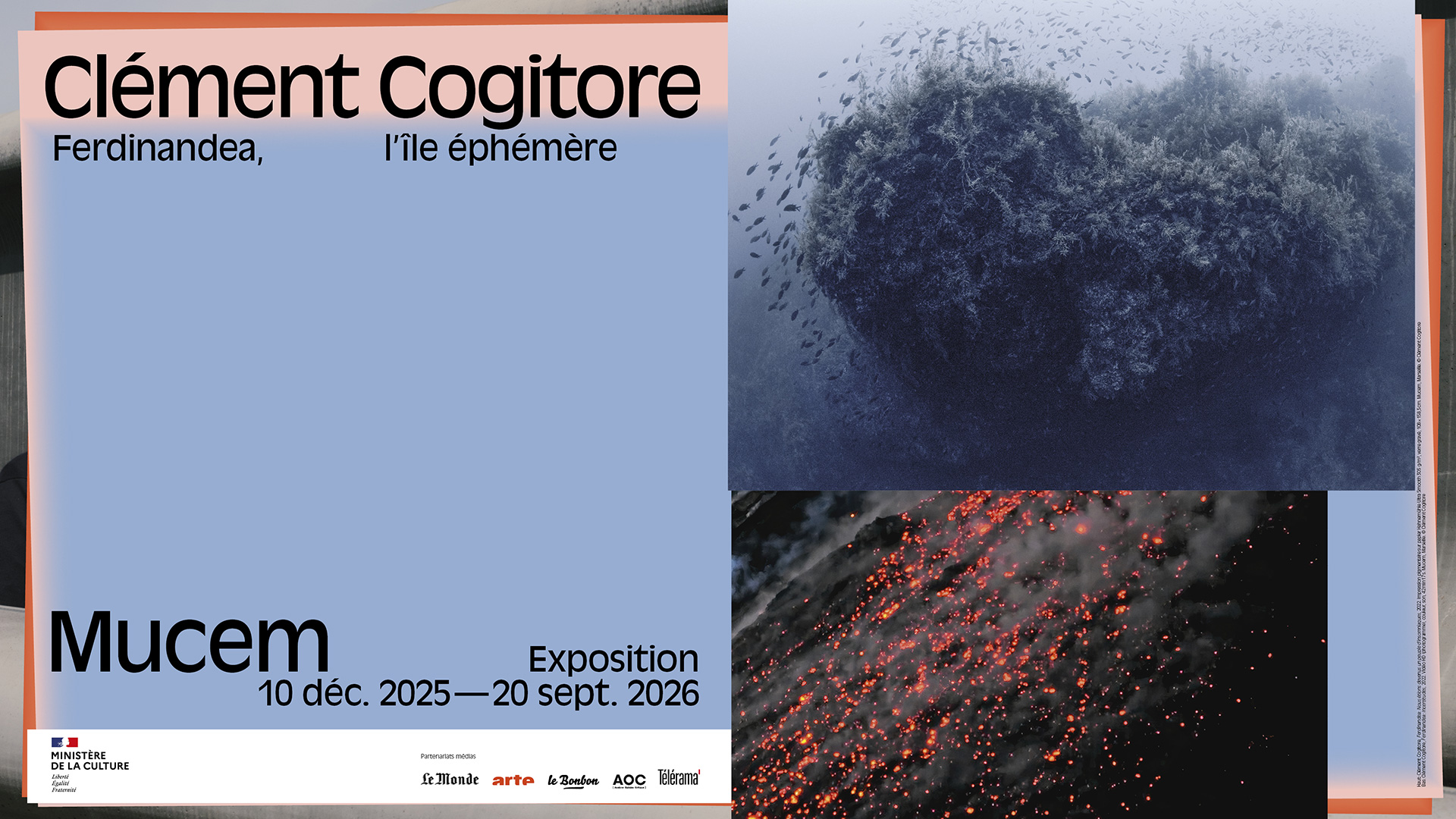
Trailer for the exhibition “Clément Cogitore: Ferdinandea, the Ephemeral Island”
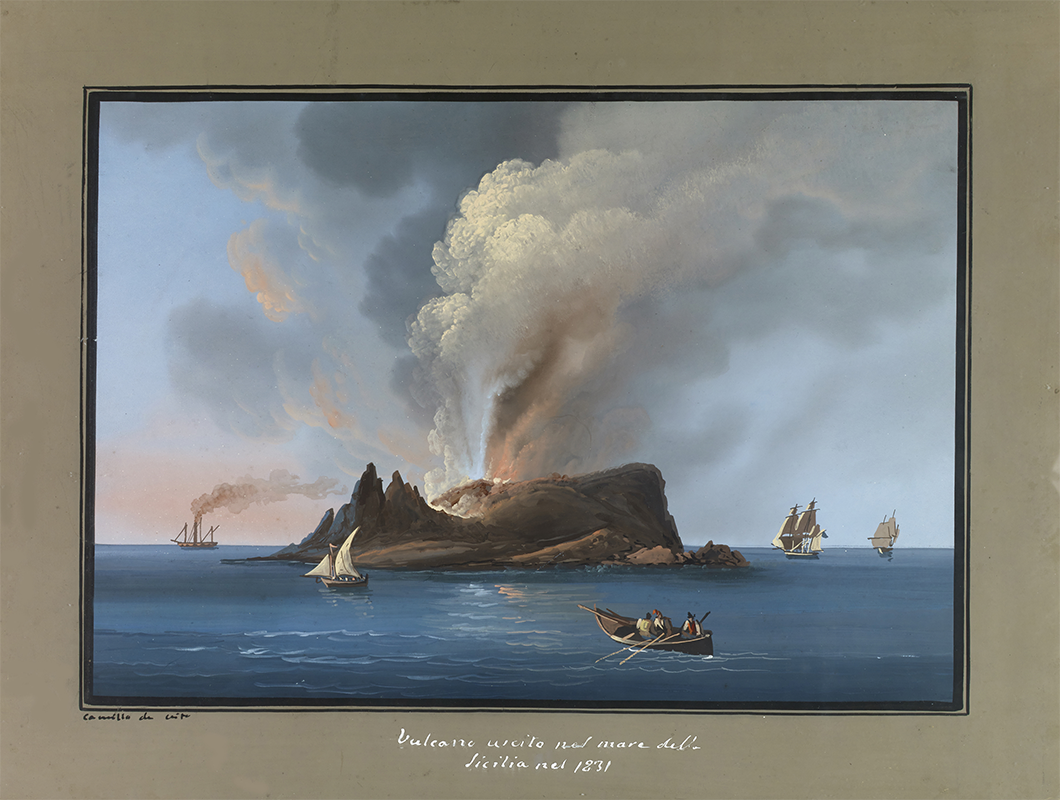
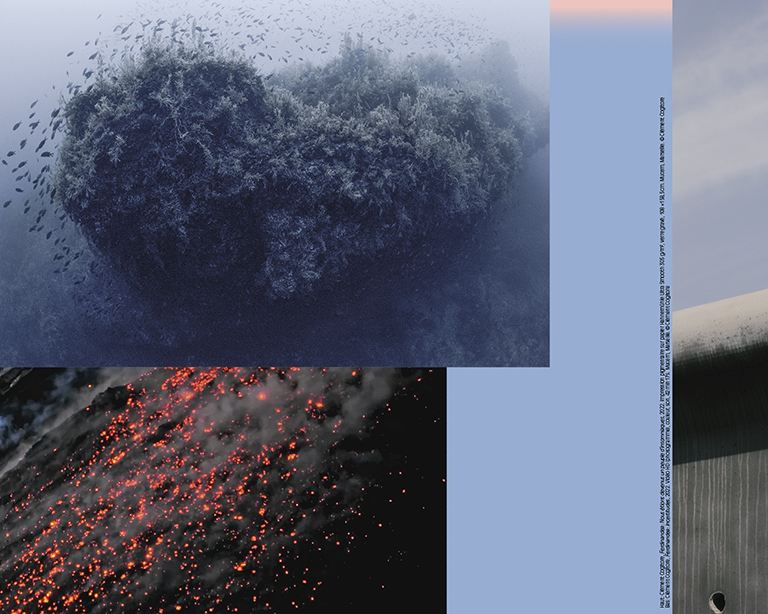
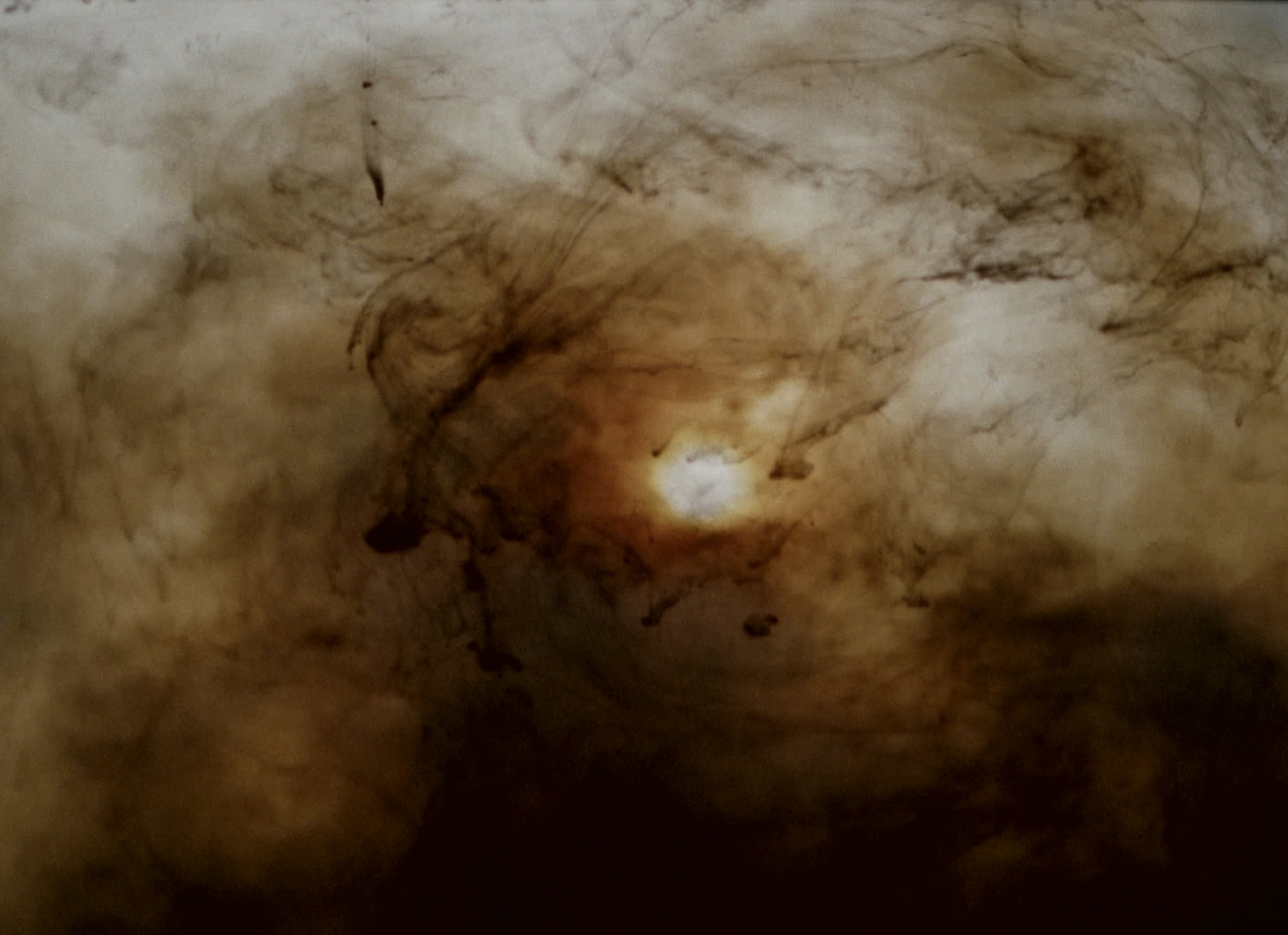
Between the end of June and the middle of July 1831, underwater volcanic activity gave rise to a new Mediterranean island in the strait of Sicily across from Tunisia.
While sailors and coastal dwellers feared the awakening of a sea monster, the nascent land aroused the curiosity of scientists and the desire of European powers in the throws of colonial expansion.
Within weeks, the island was claimed for its strategic position by Great Britain, the Kingdom of the Two Sicilies and France. This rivalry, however, was short-lived: barely six months after its appearance, the newly formed island vanished beneath the waves.
Its many names remain recorded in European archives, “Ferdinandea” for the Kingdom of the Two Sicilies in honour of their Bourbon king, Ferdinand II, “Julia” for the French, in reference to the July Monarchy, and “Graham” for the British, after Sir James Graham, First Lord of the Admiralty. Still resting today a few metres below the surface, its dormant remains are closely monitored by seismologists. Could renewed volcanic activity cause it to rise again, and once more provoke geopolitical manœuvres that testify to imperial logics of extraction and exclusion?
Between the end of June and the middle of July 1831, underwater volcanic activity gave rise to a new Mediterranean island in the strait of Sicily across from Tunisia.
While sailors and coastal dwellers feared the awakening of a sea monster, the nascent land aroused the curiosity of scientists and the desire of European powers in the throws of colonial expansion.
Within weeks, the island was claimed for its strategic position by Great Britain, the Kingdom of the Two Sicilies and France. This rivalry, however, was short-lived: barely six months after its appearance, the newly formed island vanished beneath the waves.
Its many names remain recorded in European archives, “Ferdinandea” for the Kingdom of the Two Sicilies in honour of their Bourbon king, Ferdinand II, “Julia” for the French, in reference to the July Monarchy, and “Graham” for the British, after Sir James Graham, First Lord of the Admiralty. Still resting today a few metres below the surface, its dormant remains are closely monitored by seismologists. Could renewed volcanic activity cause it to rise again, and once more provoke geopolitical manœuvres that testify to imperial logics of extraction and exclusion?
Trailer for the exhibition “Clément Cogitore: Ferdinandea, the Ephemeral Island”