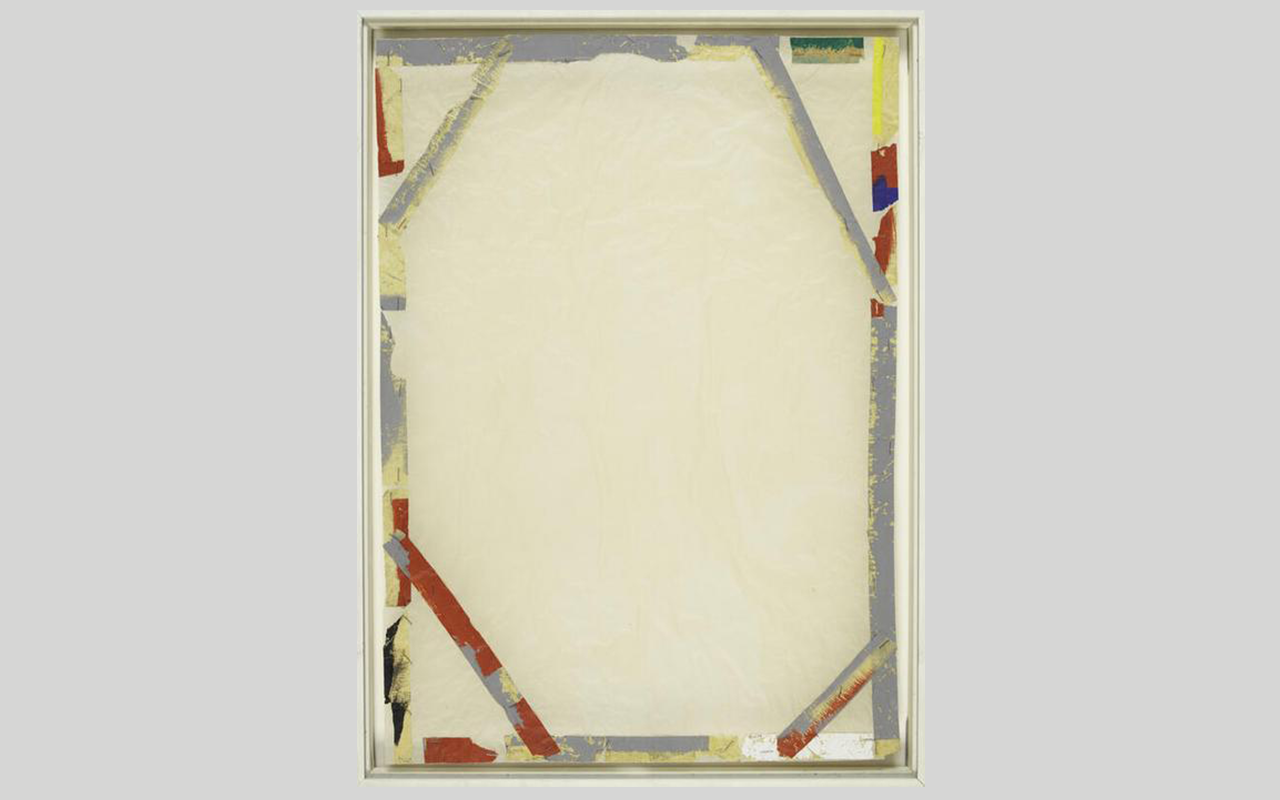
What if the reverse revealed more than the front?
With “Inside Out, Upside Down with the Centre Pompidou Collection”, Mucem and Centre Pompidou invite us to reverse our perspective. Traces of making, hidden gestures, unseen sides of works: the exhibition explores what we never look at and yet what says so much about the creative process.
From popular objects to modern and contemporary art, the reverse side becomes a space of revelation, invention and subversion. Showing the back, exhibiting works in reverse, turning conventions on their head: these gestures reveal creative processes and challenge our visual habits. From Paul Gauguin to Vassily Kandinsky, from Surrealism to contemporary art, the exhibition moves through the avant-gardes and traditions of the “world turned upside down”, where chance, accident and reappropriation open up new paths.
The Centre Pompidou will celebrate its 50th anniversary at Mucem. To mark the occasion, the exhibition will bring two major institutions into dialogue and offer an unprecedented sensory and intellectual experience, in which turning artworks over means rethinking the museum itself.
Centre Pompidou collection
From Marcel Duchamp to Vassily Kandinsky, Pierre Buraglio, Ghada Amer and Jean Tinguely, the Centre Pompidou collection shows how the reverse side can become a powerful engine for creation. Displayed from both front and back, André Breton’s Studio Wall is a highlight, revealing the hidden workings of a Surrealist world.
Mucem collection
The Mucem collection, meanwhile, reveals everything the front conceals: gestures, uses, techniques, mechanisms, personal stories and social conventions. Reversible clothing, shadow puppets, fairground targets, moulds, devotional objects and images of the “world turned upside down” tell another history of objects through their hidden sides.
Curators
Marie-Charlotte Calafat, Director of Research and Collections, Mucem
Xavier Rey, Director of the National Museum of Modern Art – Centre Pompidou
The “Inside Out” exhibition is co-organised by Mucem and Centre Pompidou
