Rwanda, the missing image
Oh the beautiful days! 2024
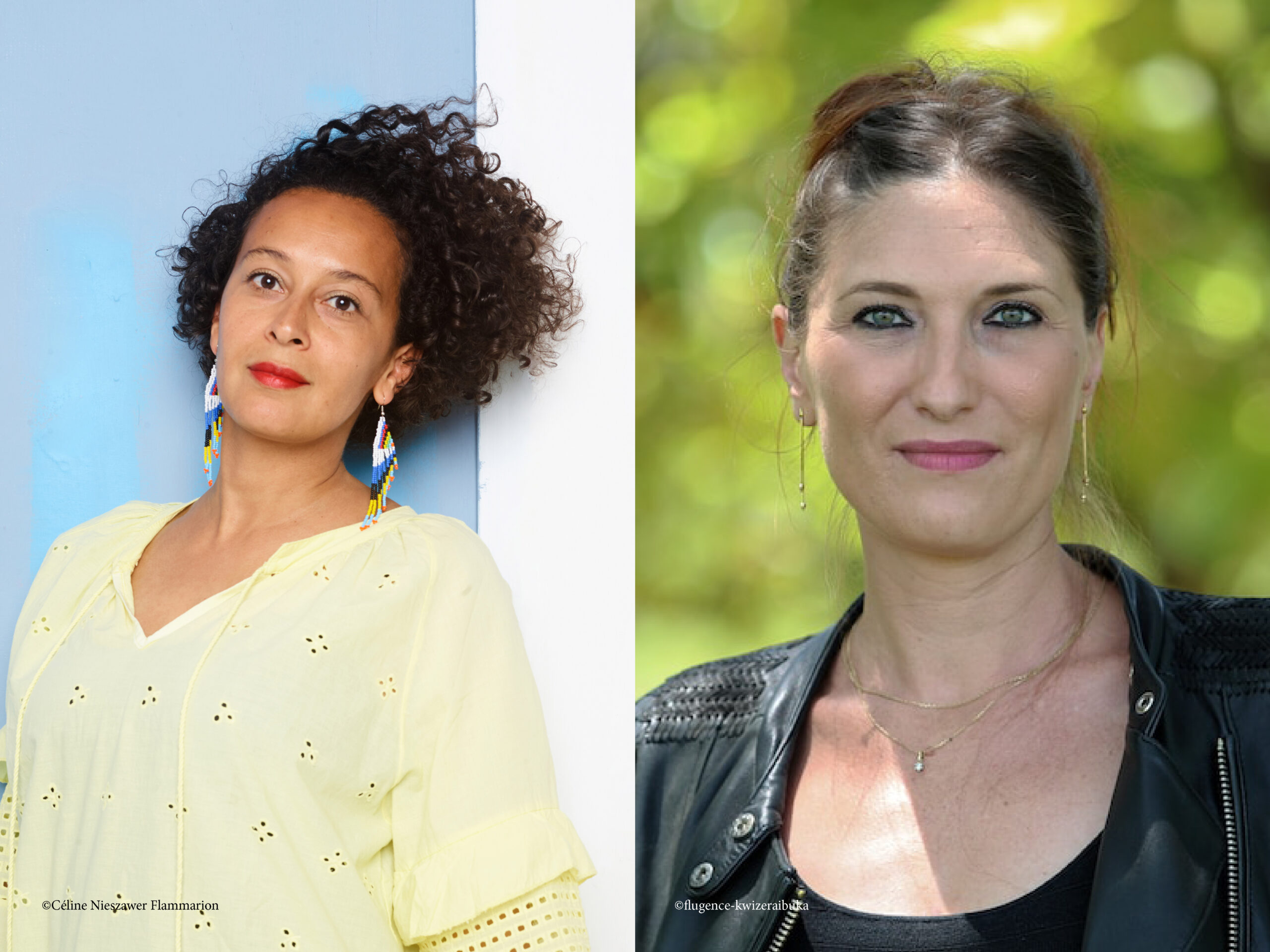
Interview with Hélène Dumas and Beata Umubyeyi Mairesse hosted by Chloë Cambreling.
As we commemorate the 30th anniversary of the genocide of the Tutsis in Rwanda this year, Beata Umubyeyi Mairesse delivers a grand narrative, Le Convoi, combining literary essay and self-writing.
On June 18, 1994, a few weeks before the end of the genocide, Beata Umubyeyi Mairesse, then aged 15, was evacuated with her mother to Burundi in a humanitarian convoy belonging to the Swiss NGO Terre des hommes. Relatives told her they had seen her crossing the border in a BBC report. In 2007, she set off in search of the images that immortalized the precise moment when she became a survivor, an identity that would never leave her. Beata Umubyeyi Mairesse follows in the footsteps of the teenager she was, of the humanitarians and journalists who accompanied her, and of the children who crossed the Burundi border with her, confronting the collective memory of the survivors with the media coverage of the genocide.
Beata Umubyeyi Mairesse wanted to chat with academic Hélène Dumas,
a specialist in the genocide of the Tutsis in Rwanda. In 2014, Hélène Dumas published Le génocide au village. Le massacre des Tutsi au Rwanda, in which she reconstructs the mechanisms of genocide on a village scale, highlighting the close proximity between executioners and victims. In 2020, the historian presented the testimonies of child genocide survivors in Sans ciel ni terre. Paroles orphelines du génocide des Tutsi (1994-2006).
A meeting between a writer and a historian, to better understand history and what literature can do.
Co-produced with Mucem.
To read
Beata Umubyeyi Mairesse, Le Convoi, Flammarion, 2024.
Hélène Dumas, Sans ciel, ni terre : paroles orphelines du génocide des Tutsi, La Découverte (2020).
Interview with Hélène Dumas and Beata Umubyeyi Mairesse hosted by Chloë Cambreling.
As we commemorate the 30th anniversary of the genocide of the Tutsis in Rwanda this year, Beata Umubyeyi Mairesse delivers a grand narrative, Le Convoi, combining literary essay and self-writing.
On June 18, 1994, a few weeks before the end of the genocide, Beata Umubyeyi Mairesse, then aged 15, was evacuated with her mother to Burundi in a humanitarian convoy belonging to the Swiss NGO Terre des hommes. Relatives told her they had seen her crossing the border in a BBC report. In 2007, she set off in search of the images that immortalized the precise moment when she became a survivor, an identity that would never leave her. Beata Umubyeyi Mairesse follows in the footsteps of the teenager she was, of the humanitarians and journalists who accompanied her, and of the children who crossed the Burundi border with her, confronting the collective memory of the survivors with the media coverage of the genocide.
Beata Umubyeyi Mairesse wanted to chat with academic Hélène Dumas,
a specialist in the genocide of the Tutsis in Rwanda. In 2014, Hélène Dumas published Le génocide au village. Le massacre des Tutsi au Rwanda, in which she reconstructs the mechanisms of genocide on a village scale, highlighting the close proximity between executioners and victims. In 2020, the historian presented the testimonies of child genocide survivors in Sans ciel ni terre. Paroles orphelines du génocide des Tutsi (1994-2006).
A meeting between a writer and a historian, to better understand history and what literature can do.
Co-produced with Mucem.