Pre-Raphaelitism: a social art form?
Regional courses at the École du Louvre
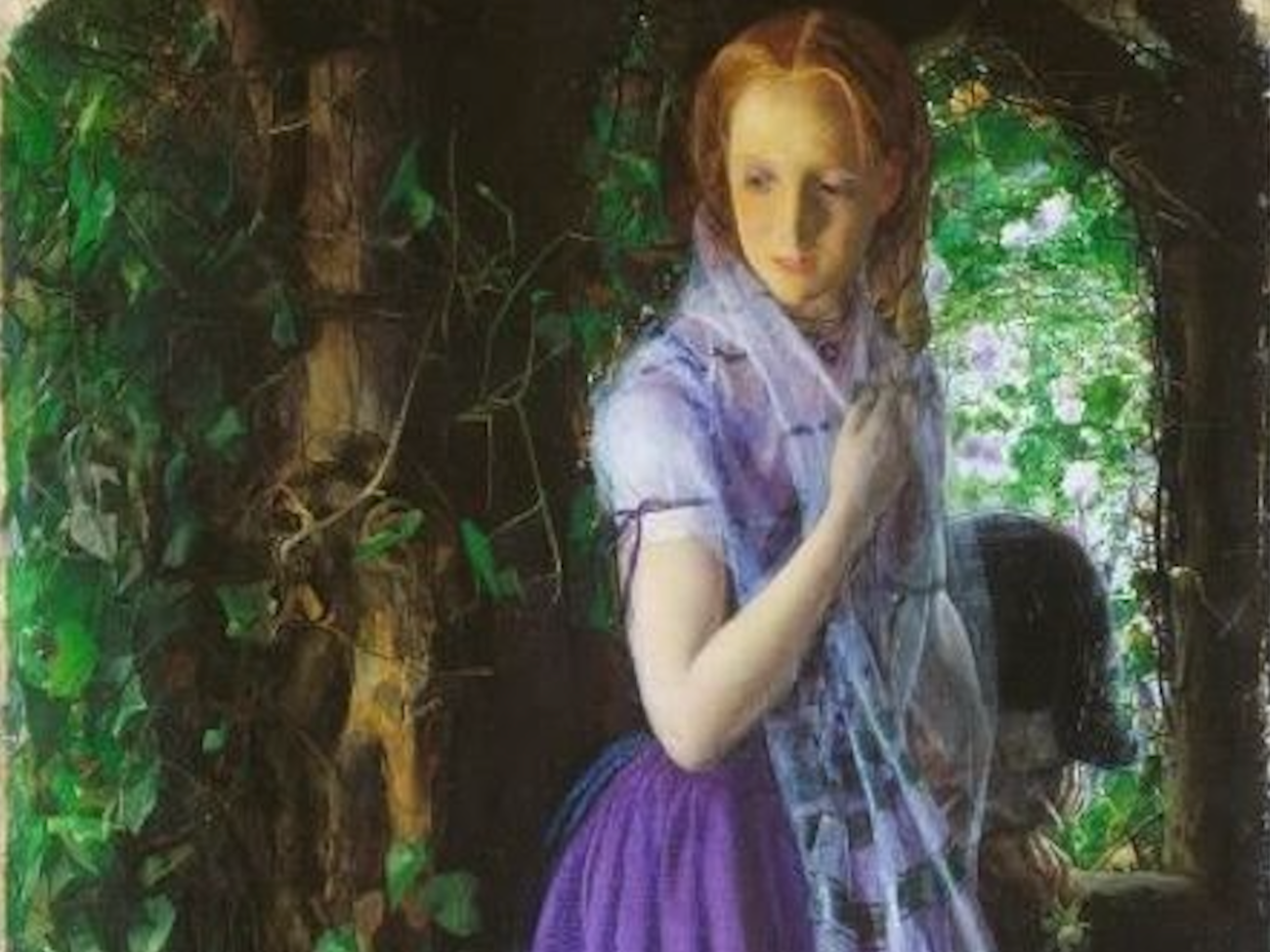
Pre-Raphaelitism, a movement better known in France as a British form of romanticism with ethereal female models, radically changed the artistic practices of the Victorian era. From a small group of artists, Pre-Raphaelitism quickly developed into a visual language concerned with line, color and rhythm, and applied to seemingly very different subjects. Pre-Raphaelitism innovated through its presentation of nature, the narrative function intrinsic to its works, and the development of a reflection on ornamentation that led to a revival of the decorative arts. Anchored in his time, he proposed an alternative to a reality accelerated by the industrial revolution, which was harsh and complex, but demanded a genuine engagement with the work on the part of the viewer. The women artists who contributed to the movement, and on whom recent research is focusing, will be included in each course.
By Aurélie Petiot, lecturer in contemporary art history, Université Paris Nanterre
Session 1: The origins: foundation and technical developments Monday, January 13, 2025 11:00 a.m. to 12:30 p.m.
Session 2: The Pre-Raphaelite landscape: from the United Kingdom to the "Orient" Monday, January 20, 2025 11:00 am - 12:30 pm
Session 3: From social realism to a dream world: the same Pre-Raphaelitism? Monday, January 27, 2025 from 11:00 a.m. to 12:30 p.m.
Session 4: From canvas to object, from Pre-Raphaelitism to the Arts & Crafts movement, the end of hierarchies Monday, February 3, 2025 11:00 am - 12:30 pm
Pre-Raphaelitism, a movement better known in France as a British form of romanticism with ethereal female models, radically changed the artistic practices of the Victorian era. From a small group of artists, Pre-Raphaelitism quickly developed into a visual language concerned with line, color and rhythm, and applied to seemingly very different subjects. Pre-Raphaelitism innovated through its presentation of nature, the narrative function intrinsic to its works, and the development of a reflection on ornamentation that led to a revival of the decorative arts. Anchored in his time, he proposed an alternative to a reality accelerated by the industrial revolution, which was harsh and complex, but demanded a genuine engagement with the work on the part of the viewer. The women artists who contributed to the movement, and on whom recent research is focusing, will be included in each course.
By Aurélie Petiot, lecturer in contemporary art history, Université Paris Nanterre
Session 1: The origins: foundation and technical developments Monday, January 13, 2025 11:00 a.m. to 12:30 p.m.
Session 2: The Pre-Raphaelite landscape: from the United Kingdom to the "Orient" Monday, January 20, 2025 11:00 am - 12:30 pm
Session 3: From social realism to a dream world: the same Pre-Raphaelitism? Monday, January 27, 2025 from 11:00 a.m. to 12:30 p.m.
Session 4: From canvas to object, from Pre-Raphaelitism to the Arts & Crafts movement, the end of hierarchies Monday, February 3, 2025 11:00 am - 12:30 pm