Masterclass: Fatma Ben Saïdane, in conversation with Samir Ardjoum
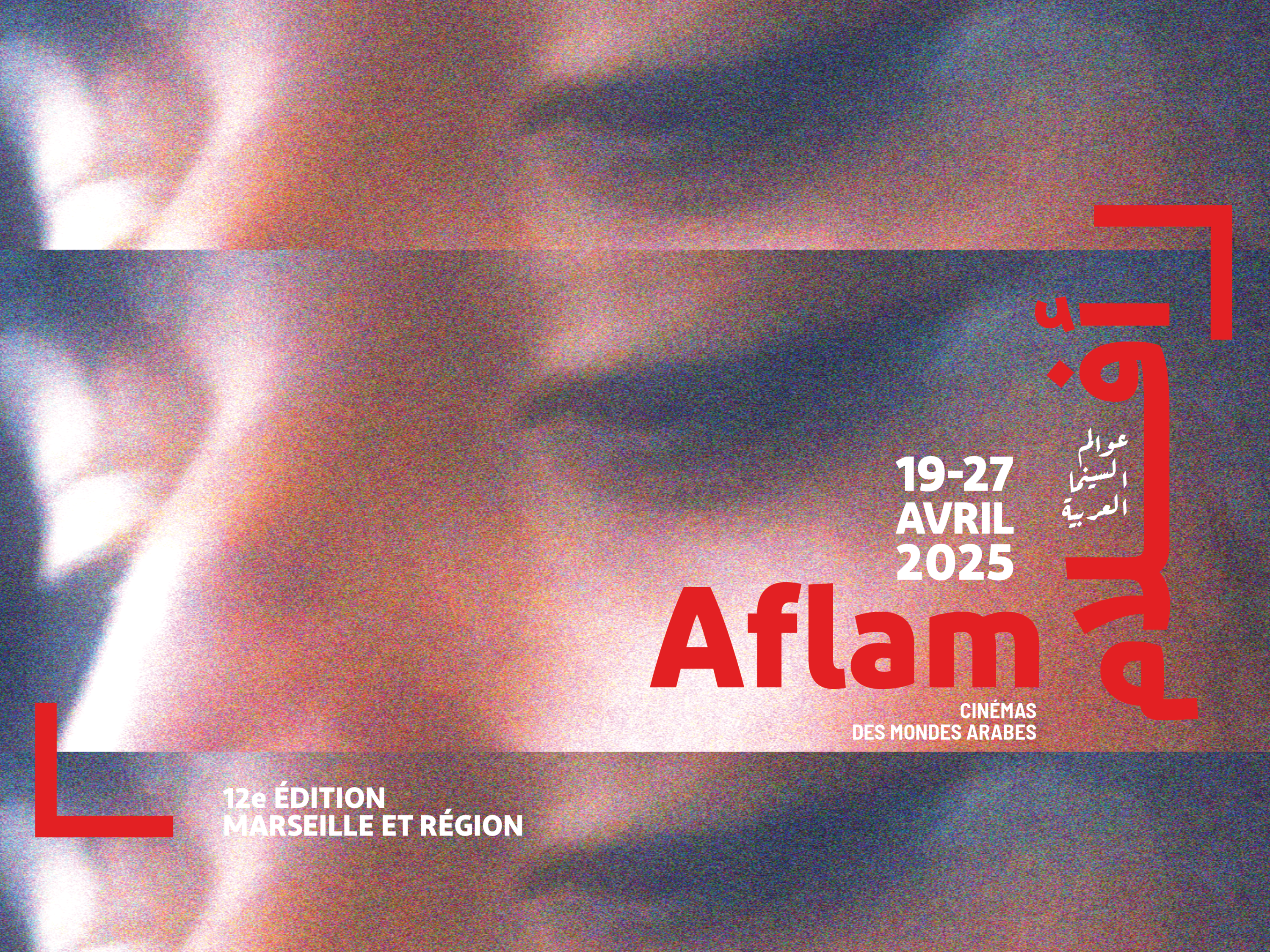
Aflam 2025
Actress, Fatma Ben Saïdane (b. 1952) has also been a director and producer, involved in the creation and promotion of films and cultural works highlighting the challenges faced by women in Tunisia. Her work is often marked by a desire to denounce injustice and highlight the complexity of the female condition in her country’s society.
As a tribute to her commitment and professional career, Aflam has invited her to give a two-hour master class in the Mucem auditorium. This will be an opportunity for Fatma Ben Saïdane to discuss the key roles in her filmography, as well as her vision of culture as a weapon of emancipation in Tunisia over the last fifty years.
During this master class, the film Madame Bahja will be screened.
Madame Bahja By Walid Tayaa (Tunisia, 2006, 13 min)
With Fatma Ben Saïdane, Amira Rezgui
Madame Bahja, in her sixties, is hospitalized with her leg and arms in plaster. She also suffers from high blood pressure. She can barely move, yet must eat her evening meal. She never agrees with the nurse on what program she wants to watch on TV. But she must never lose her cool. Can she keep her cool?
Fatma Ben Saïdane
Born in 1952, Fatma Ben Saïdane is a Tunisian actress and director, widely recognized for her film and television career, both in Tunisia and abroad, and for her commitment to promoting Tunisian culture.
Fatma Ben Saïdane is one of the most respected and influential actresses in Tunisian cinema. A key figure on the country’s cultural scene, she has established herself as a role model for younger generations, particularly women, both through her ability to embody strong, determined characters and through her artistic and social commitment.
Through a selection of feature-length and short films, as well as a masterclass, Aflam this year wishes to honor this great figure of Arab cinema.
Samir Ardjoum
A film critic, he produced and hosted MICROCINE, a film review on Radio Alger Chaine 3. He worked as artistic director of the Rencontres Cinématographiques de Béjaia (2011/2014). In April 2019, he will make his first film, Vendredi est une fête, about subjectivity in Algeria using the Hirak as a backdrop, followed in 2020 by a second film, L’Image Manquante, in which he questions the archive image. Today, he’s working on his third film while running a film magazine, Microciné, on Youtube.
Actress, Fatma Ben Saïdane (b. 1952) has also been a director and producer, involved in the creation and promotion of films and cultural works highlighting the challenges faced by women in Tunisia. Her work is often marked by a desire to denounce injustice and highlight the complexity of the female condition in her country’s society.
As a tribute to her commitment and professional career, Aflam has invited her to give a two-hour master class in the Mucem auditorium. This will be an opportunity for Fatma Ben Saïdane to discuss the key roles in her filmography, as well as her vision of culture as a weapon of emancipation in Tunisia over the last fifty years.
During this master class, the film Madame Bahja will be screened.
Madame Bahja By Walid Tayaa (Tunisia, 2006, 13 min)
With Fatma Ben Saïdane, Amira Rezgui
Madame Bahja, in her sixties, is hospitalized with her leg and arms in plaster. She also suffers from high blood pressure. She can barely move, yet must eat her evening meal. She never agrees with the nurse on what program she wants to watch on TV. But she must never lose her cool. Can she keep her cool?
Fatma Ben Saïdane
Born in 1952, Fatma Ben Saïdane is a Tunisian actress and director, widely recognized for her film and television career, both in Tunisia and abroad, and for her commitment to promoting Tunisian culture.
Fatma Ben Saïdane is one of the most respected and influential actresses in Tunisian cinema. A key figure on the country’s cultural scene, she has established herself as a role model for younger generations, particularly women, both through her ability to embody strong, determined characters and through her artistic and social commitment.
Through a selection of feature-length and short films, as well as a masterclass, Aflam this year wishes to honor this great figure of Arab cinema.
Samir Ardjoum
A film critic, he produced and hosted MICROCINE, a film review on Radio Alger Chaine 3. He worked as artistic director of the Rencontres Cinématographiques de Béjaia (2011/2014). In April 2019, he will make his first film, Vendredi est une fête, about subjectivity in Algeria using the Hirak as a backdrop, followed in 2020 by a second film, L’Image Manquante, in which he questions the archive image. Today, he’s working on his third film while running a film magazine, Microciné, on Youtube.