Hand-to-hand: Domination and the arts of resistance
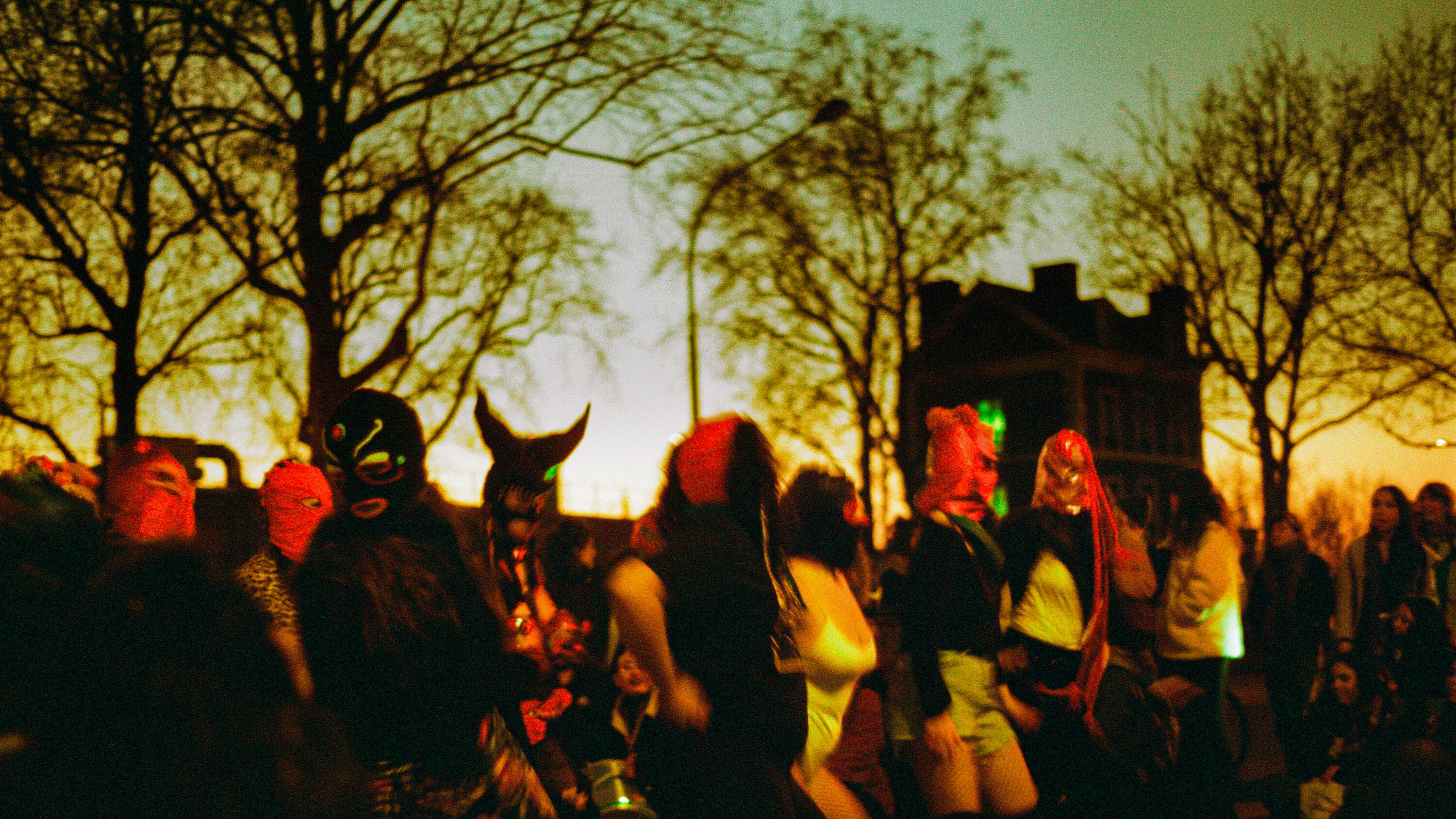
The Séminaire inter-laboratoire d’anthropologie d’Aix-Marseille (SILAAM) invites us to reflect collectively on the arts of resistance, and more specifically on the place of the body in these struggles. Self-help or self-defense workshops, hunger strikes, sit-ins or tree-sitting are all examples that reveal the political dimension of the body as a vector and stake in contestation. In what way can the body, the first place where domination is exercised, also be a privileged terrain for emancipation? To what extent does the body form the basis of individual and collective action, and how does it become a tool of protest? What are the concrete forms of bodily resistance practices, and how are they transformed? How are bodies in turn reinvented?
With the participation of:
-Centre de recherche et de documentation sur l’Océanie
-Centre Norbert Elias
-Institut d’ethnologie méditerranéenne, européenne et comparative
-Institut des mondes africains
-Institut de recherches asiatiques
-Laboratoire Population Environnement Développement
– Maison Méditerranéenne des Sciences de l’Homme (Aix-Marseille Université/CNRS)
– CNRS
– AMU
– EHESS
The Séminaire inter-laboratoire d’anthropologie d’Aix-Marseille (SILAAM) invites us to reflect collectively on the arts of resistance, and more specifically on the place of the body in these struggles. Self-help or self-defense workshops, hunger strikes, sit-ins or tree-sitting are all examples that reveal the political dimension of the body as a vector and stake in contestation. In what way can the body, the first place where domination is exercised, also be a privileged terrain for emancipation? To what extent does the body form the basis of individual and collective action, and how does it become a tool of protest? What are the concrete forms of bodily resistance practices, and how are they transformed? How are bodies in turn reinvented?