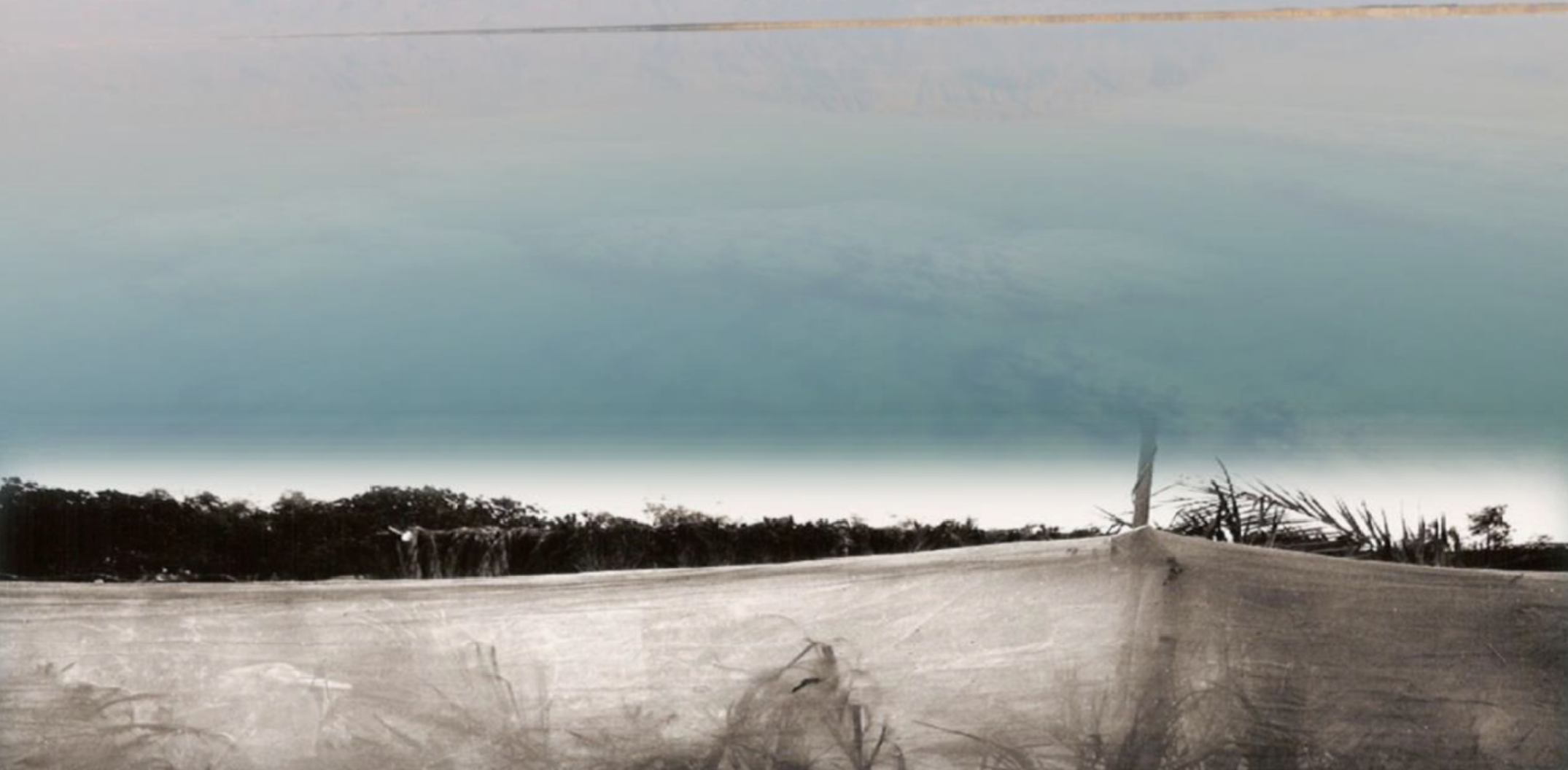
Colonial ecology. History and traces
This meeting on the theme of landscape, its heritage and its erasure, considers colonial ecologies and their traces, from two approaches, one historical and the other more sensory, with a lecture performed and acted, making room for sound and image. From Algeria’s national parks to Casablanca’s buried Oued, we’ll follow the development of links to the living caught up in mixed economic, political and urban logics, where colonial domination and mastery of “nature” become entangled.
A meeting organized by ANR Imagin-e
Moderator: Stéphanie Latte Abdallah (CNRS / EHESS-CéSor / ANR IMAGIN-E)
Juliette Duclos-Valois ( EHESS-CéSor / ANR IMAGIN-E)
With the support of :
National parks in Algeria in the 1920s-1930s The example of a colonial heritage policy By Martine Chalmet
Between 1921 and 1931, the French authorities created thirteen national parks in the Algerian colony. These classifications were part of the heritage policy for natural monuments launched in metropolitan France in 1906. The aim was to conserve, enhance, pass on and perpetuate an asset seen as a common heritage essential to the entire national community. However, the case of French Algeria represents an exception and an originality in the movement to classify these “places of memory”. Is it a desire to conserve nature and forests, sites and landscapes? The rise of tourism and new social and colonial uses of nature? Policy of land appropriation and prohibition of agrosilvopastoral uses? Colonial policy of spatial gridding? Denial or recognition of local practices and identities? Construction of new landscapes, the fruit of heritage and tourism rereadings? Ultimately, an analysis of the organization of national parks, the selection of massifs to be preserved, their “enhancement” and the publicity given to them will raise the question: in a settlement colony, what policies of patrimonialization and colonization have been implemented?
Martine Chalvet, senior lecturer in contemporary history (AMU/TELEMMe), specializes in environmental history, and more specifically the history of forests. Her work focuses on the protection of forest areas, environmental expertise, social perceptions of “the” forest, the social uses of “nature”, risks, particularly fires, the evolution of landscapes and human/forest interactions in the evolution of ecosystems in the Mediterranean (Provence-Algeria). In 2011, she published Une histoire de la forêt, reissued in 2022 by Editions du Seuil.
Follow the wadi and retrace the colonial history of the landscape The example of a colonial heritage policy Lecture performed by Matthieu Duperrex
The metropolitan evolution of Casablanca, Morocco’s economic capital, is examined here by following the “invisible” bed of a coastal river some thirty kilometers long, the Oued Bouskoura. This watercourse was buried by the various colonial urban planning operations of the twentieth century, which have been prolonged by the accelerated urban development of Casablanca since the 1980s. As a critical transect within the metropolitan fabric, the geography of the wadi is also an opportunity to put the colonial ecology inherited by Casablanca into perspective. This work is based on a fieldwork developed with photographer Abderrahmane Doukkane during a cross-residency between the Atelier de l’Observatoire (Casablanca) and the Maison des arts Georges et Claude Pompidou (Cajarc).
Matthieu Duperrex is a lecturer in the humanities at the École nationale supérieure d’architecture de Marseille. An artist and theorist, and artistic director of the Urbain, trop urbain collective, his work is based on field surveys of anthropized environments, and combines literature, human sciences and the visual arts. His latest book is La rivière et le bulldozer (Paris, Premier Parallèle, 2022).
This meeting on the theme of landscape, its heritage and its erasure, considers colonial ecologies and their traces, from two approaches, one historical and the other more sensory, with a lecture performed and acted, making room for sound and image. From Algeria’s national parks to Casablanca’s buried Oued, we’ll follow the development of links to the living caught up in mixed economic, political and urban logics, where colonial domination and mastery of “nature” become entangled.
A meeting organized by ANR Imagin-e
Moderator: Stéphanie Latte Abdallah (CNRS / EHESS-CéSor / ANR IMAGIN-E)
Juliette Duclos-Valois ( EHESS-CéSor / ANR IMAGIN-E)
With the support of :
National parks in Algeria in the 1920s-1930s The example of a colonial heritage policy By Martine Chalmet
Between 1921 and 1931, the French authorities created thirteen national parks in the Algerian colony. These classifications were part of the heritage policy for natural monuments launched in metropolitan France in 1906. The aim was to conserve, enhance, pass on and perpetuate an asset seen as a common heritage essential to the entire national community. However, the case of French Algeria represents an exception and an originality in the movement to classify these “places of memory”. Is it a desire to conserve nature and forests, sites and landscapes? The rise of tourism and new social and colonial uses of nature? Policy of land appropriation and prohibition of agrosilvopastoral uses? Colonial policy of spatial gridding? Denial or recognition of local practices and identities? Construction of new landscapes, the fruit of heritage and tourism rereadings? Ultimately, an analysis of the organization of national parks, the selection of massifs to be preserved, their “enhancement” and the publicity given to them will raise the question: in a settlement colony, what policies of patrimonialization and colonization have been implemented?
Martine Chalvet, senior lecturer in contemporary history (AMU/TELEMMe), specializes in environmental history, and more specifically the history of forests. Her work focuses on the protection of forest areas, environmental expertise, social perceptions of “the” forest, the social uses of “nature”, risks, particularly fires, the evolution of landscapes and human/forest interactions in the evolution of ecosystems in the Mediterranean (Provence-Algeria). In 2011, she published Une histoire de la forêt, reissued in 2022 by Editions du Seuil.
Follow the wadi and retrace the colonial history of the landscape The example of a colonial heritage policy Lecture performed by Matthieu Duperrex
The metropolitan evolution of Casablanca, Morocco’s economic capital, is examined here by following the “invisible” bed of a coastal river some thirty kilometers long, the Oued Bouskoura. This watercourse was buried by the various colonial urban planning operations of the twentieth century, which have been prolonged by the accelerated urban development of Casablanca since the 1980s. As a critical transect within the metropolitan fabric, the geography of the wadi is also an opportunity to put the colonial ecology inherited by Casablanca into perspective. This work is based on a fieldwork developed with photographer Abderrahmane Doukkane during a cross-residency between the Atelier de l’Observatoire (Casablanca) and the Maison des arts Georges et Claude Pompidou (Cajarc).
Matthieu Duperrex is a lecturer in the humanities at the École nationale supérieure d’architecture de Marseille. An artist and theorist, and artistic director of the Urbain, trop urbain collective, his work is based on field surveys of anthropized environments, and combines literature, human sciences and the visual arts. His latest book is La rivière et le bulldozer (Paris, Premier Parallèle, 2022).