Can women's bodies free themselves from political stakes?
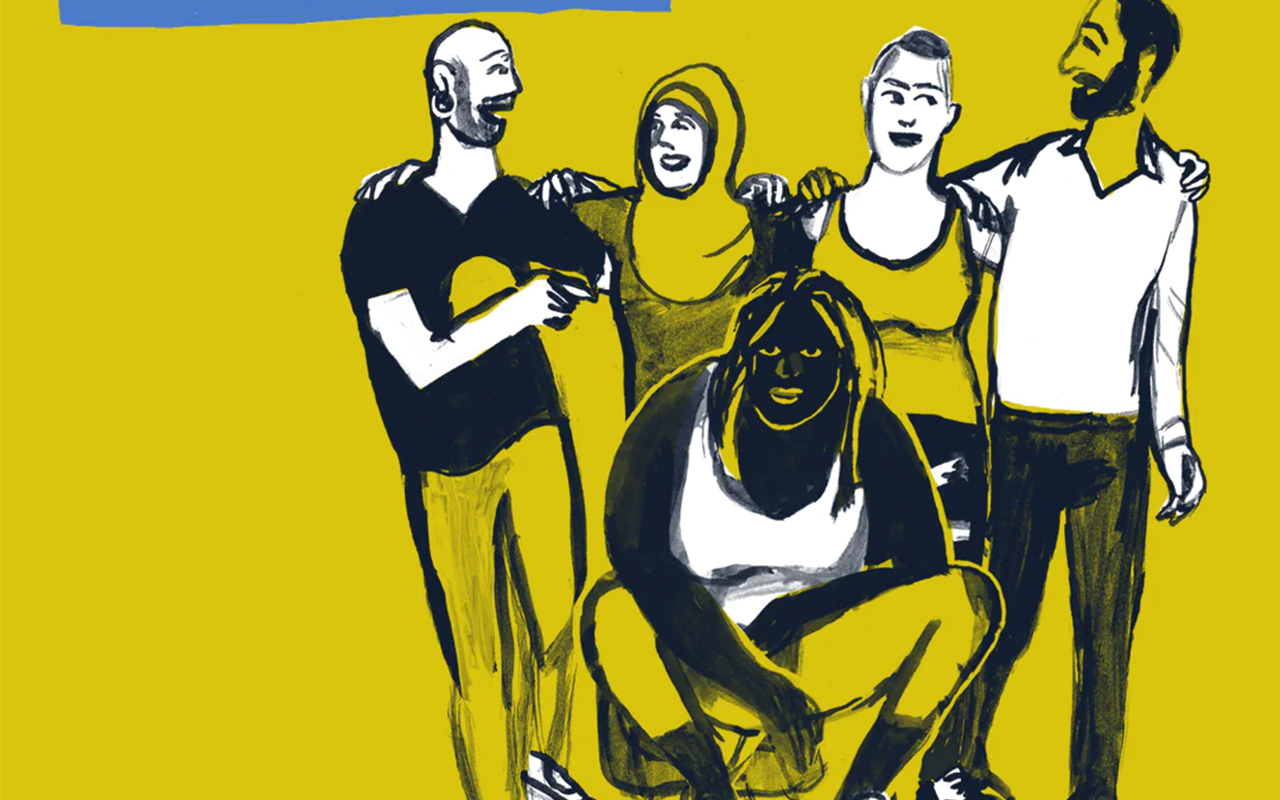
Les procès du siècle - Feminism, gender, minorities
With Ghada Amer (visual artist) and Wassyla Tamzali (writer, journalist, feminist activist, lawyer and former director of women’s rights at UNESCO).
From a distance: Eloïse Bouton (journalist, feminist activist).
Moderated by Tewfik Hakem.
With the participation of Hélia Paukner, heritage curator, head of the Contemporary Art department at Mucem.
Ghada Amer’s art is resolutely feminist. If her embroidered canvases are teeming with pin-ups and witches, it’s all the better to rehabilitate these female figures who have been demeaned, humiliated or hunted down. For over thirty years, her art has raised the question of women’s emancipation, self-fulfillment and freedom.
As Mucem devotes its first French retrospective to the artist, Ghada Amer takes part in this session of the Procès du siècle to address the question of the female body and the evolution of certain “achievements”. Abortion, religious prohibitions, representations: women’s bodies between emancipation and domination.
With Ghada Amer (visual artist) and Wassyla Tamzali (writer, journalist, feminist activist, lawyer and former director of women’s rights at UNESCO).
From a distance: Eloïse Bouton (journalist, feminist activist).
Moderated by Tewfik Hakem.
With the participation of Hélia Paukner, heritage curator, head of the Contemporary Art department at Mucem.
Ghada Amer’s art is resolutely feminist. If her embroidered canvases are teeming with pin-ups and witches, it’s all the better to rehabilitate these female figures who have been demeaned, humiliated or hunted down. For over thirty years, her art has raised the question of women’s emancipation, self-fulfillment and freedom.
As Mucem devotes its first French retrospective to the artist, Ghada Amer takes part in this session of the Procès du siècle to address the question of the female body and the evolution of certain “achievements”. Abortion, religious prohibitions, representations: women’s bodies between emancipation and domination.
Related podcasts
View all available podcasts (0)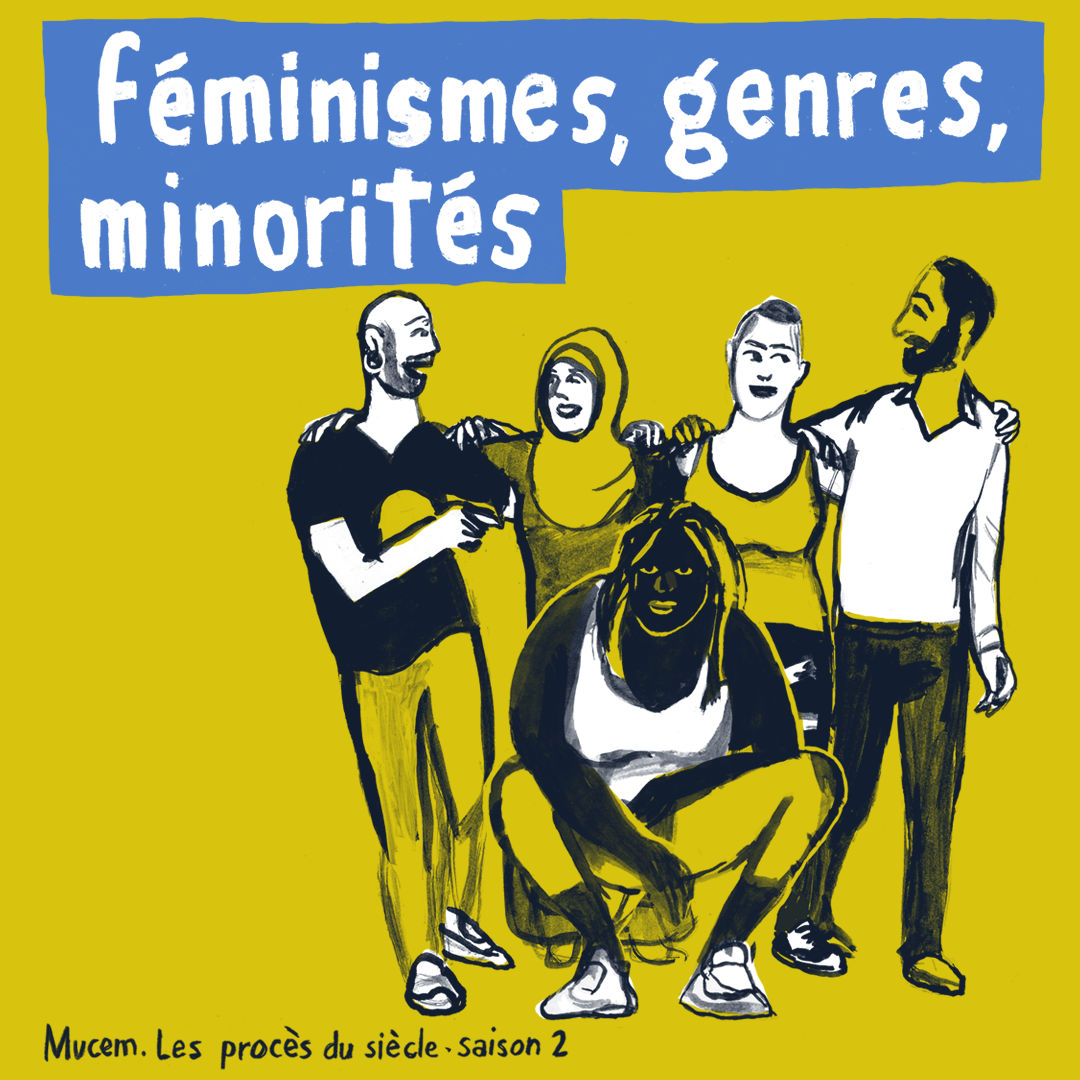
Les procès du siècle — Féminismes, genres, minorités.
Une série de rencontres imaginée et produite par le Mucem.
Réunissant témoins, spécialistes et pièces à conviction, Les Procès du siècle ouvrent un espace d’échanges citoyens.
Après une première saison consacrée aux questions environnementales, cette deuxième saison est dédiée aux minorités dominées, et à leurs manières de s’exprimer, de résister, de revendiquer leurs droits.
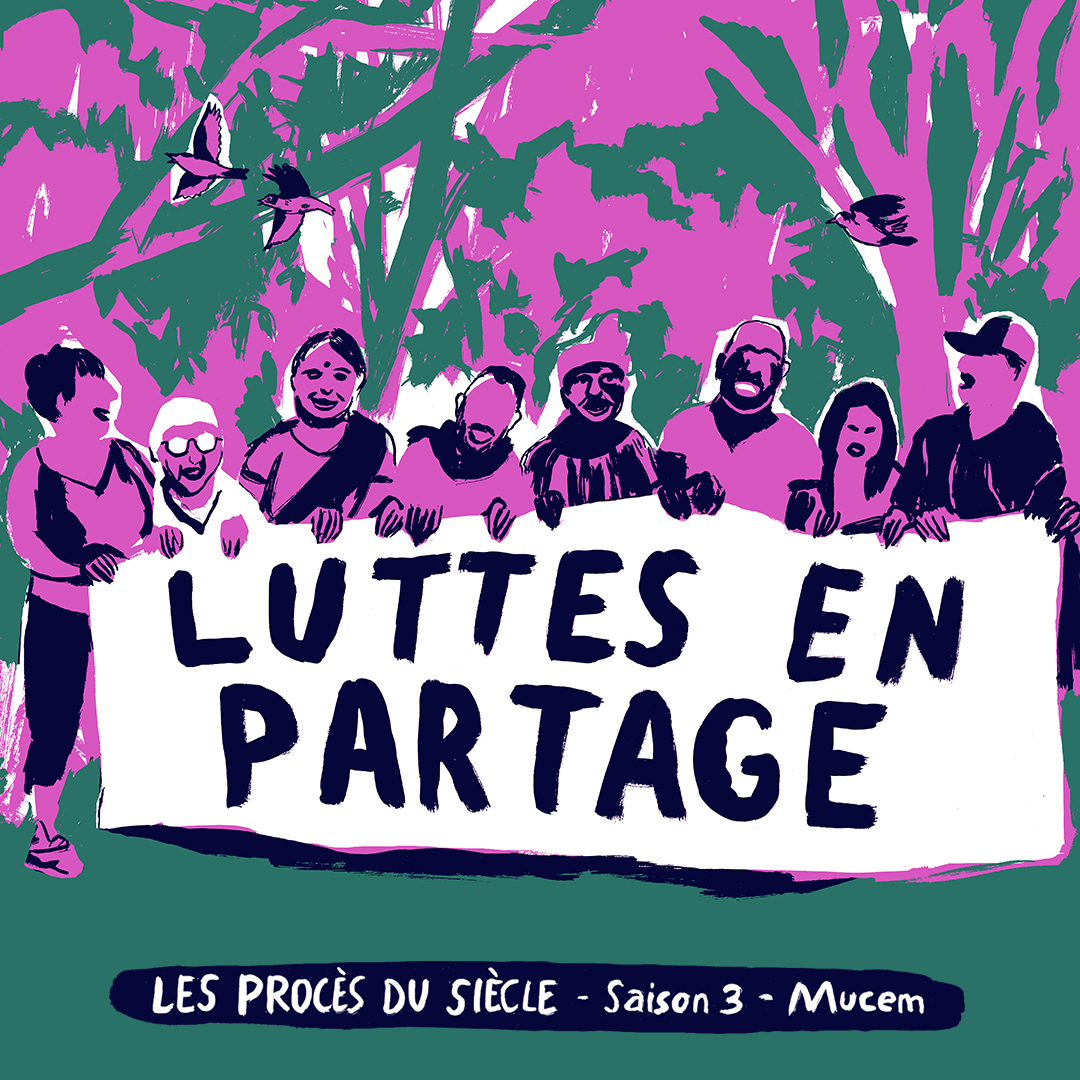
Les Procès du siècle — Luttes en partage
La saison 3 des Procès du siècle en podcast
Une série de rencontres imaginée et produite par le Mucem en collaboration avec Grégoire Ingold.
Un podcast produit et réalisé par Copie Carbone et illustré par Benoît Guillaume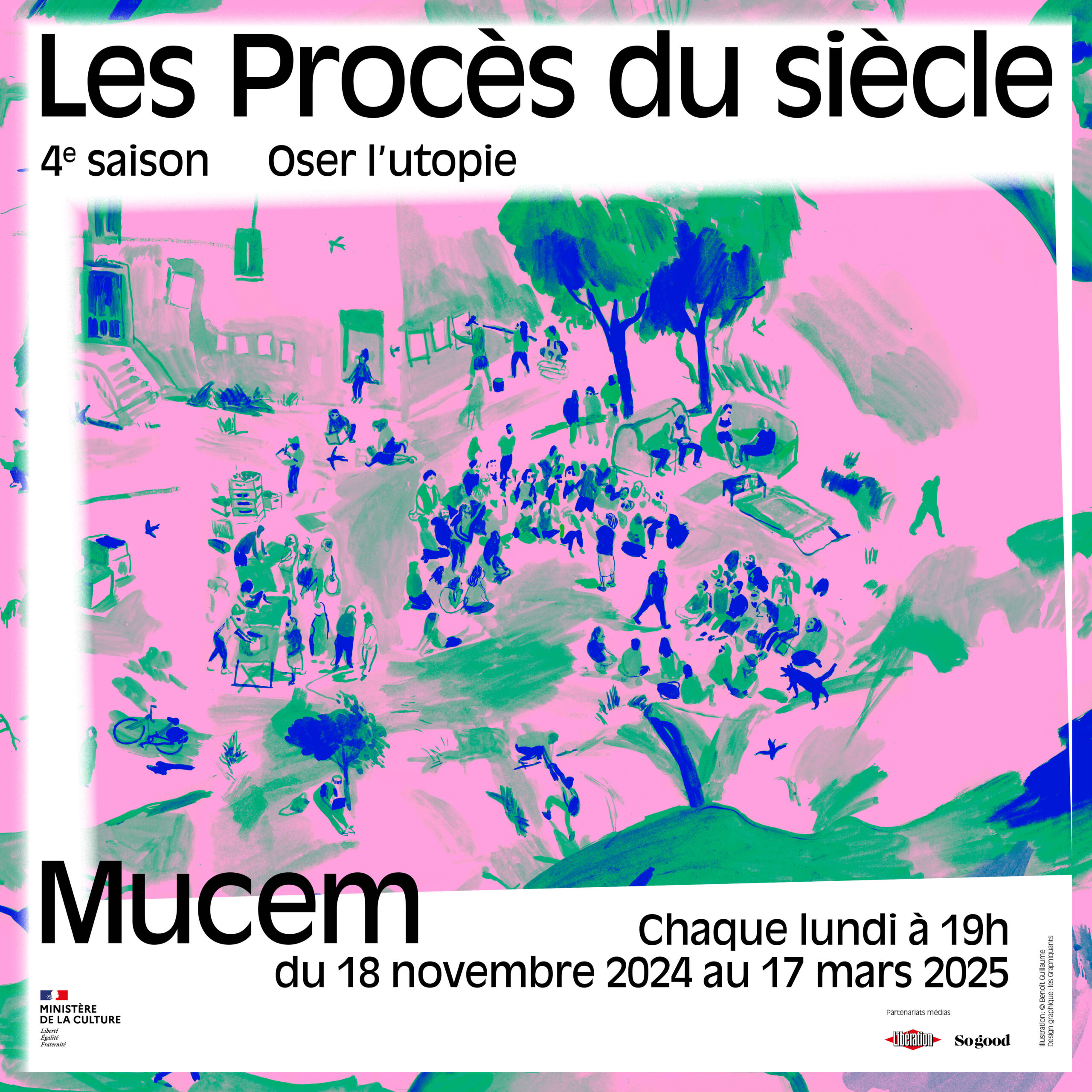
Les Procès du siècle — Oser l'utopie
Cette quatrième saison des Procès du siècle propose d’explorer les utopies concrètes et réelles, les nouveaux modèles à inventer pour avancer vers plus de démocratie, plus d’écologie, plus de solidarité.
Pour vivre mieux, ensemble.
Cette saison 4 parlera d’éducation, de soin, de numérique, d’économie, d’architecture, d’agriculture, de circulations, de respect, de consentement, d’intelligence artificielle, des arbres et des oiseaux. Nous essaierons même parfois d’en rire.
Le Procès du siècle, délibérations citoyennes !
Comment parler des bouleversements récents qui touchent nos vies, nos sociétés, notre environnement ? Que disent-ils de notre rapport au temps et à l’espace ? Comment nous situons-nous aujourd’hui au cœur du monde et du vivant ? Quelles mutations, quelles révolutions sont à espérer ou à craindre ?
Le Procès du siècle appelle à la barre plaignants, accusés, témoins et avocats. Il en appelle avant tout à ses jurés, les citoyens.