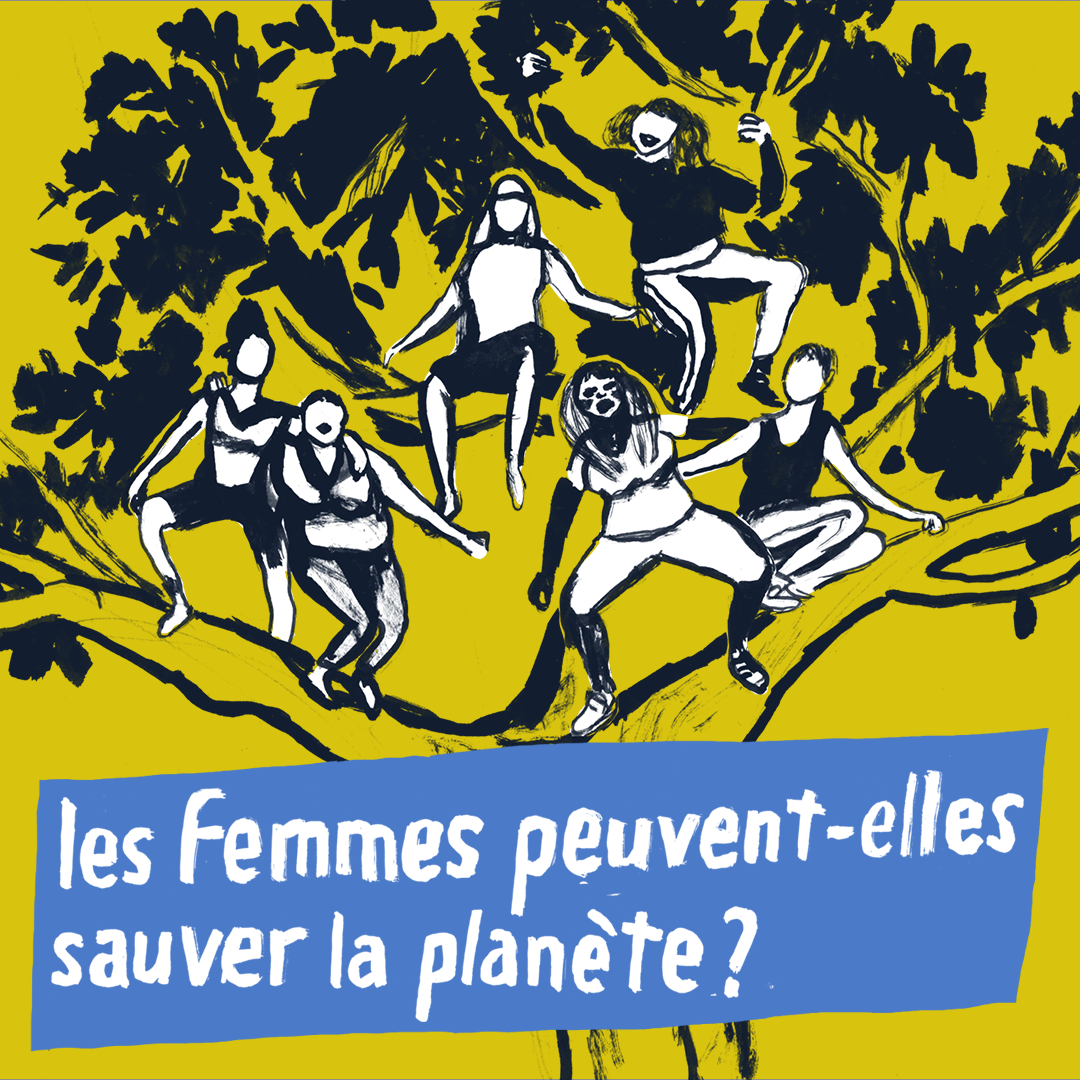
With Lauren Bastide (journalist, essayist) and Alexandra Palt (lawyer, Executive Director of Corporate Social Responsibility for the L'Oréal group and Executive Director of the L'Oréal Foundation)
Moderator: Paloma Moritz
With the participation of Raphaël Bories, curator of heritage, head of the Religions and Beliefs department at Mucem.
Eco-feminist thinking considers that there are similarities between systems of domination of women by men and systems of over-exploitation of nature by humans. Having emerged in the 1970s, this way of thinking is now enjoying renewed vigour in the context of the ecological emergency.
Who are today’s eco-feminists? What are their demands and the tools they propose for building a desirable future? How can feminist thinking respond to the urgent issues of our time? Can women really save the planet?
With Lauren Bastide (journalist, essayist) and Alexandra Palt (lawyer, Executive Director of Corporate Social Responsibility for the L'Oréal group and Executive Director of the L'Oréal Foundation)
Moderator: Paloma Moritz
With the participation of Raphaël Bories, curator of heritage, head of the Religions and Beliefs department at Mucem.
Eco-feminist thinking considers that there are similarities between systems of domination of women by men and systems of over-exploitation of nature by humans. Having emerged in the 1970s, this way of thinking is now enjoying renewed vigour in the context of the ecological emergency.
Who are today’s eco-feminists? What are their demands and the tools they propose for building a desirable future? How can feminist thinking respond to the urgent issues of our time? Can women really save the planet?
Related podcasts
View all available podcasts (0)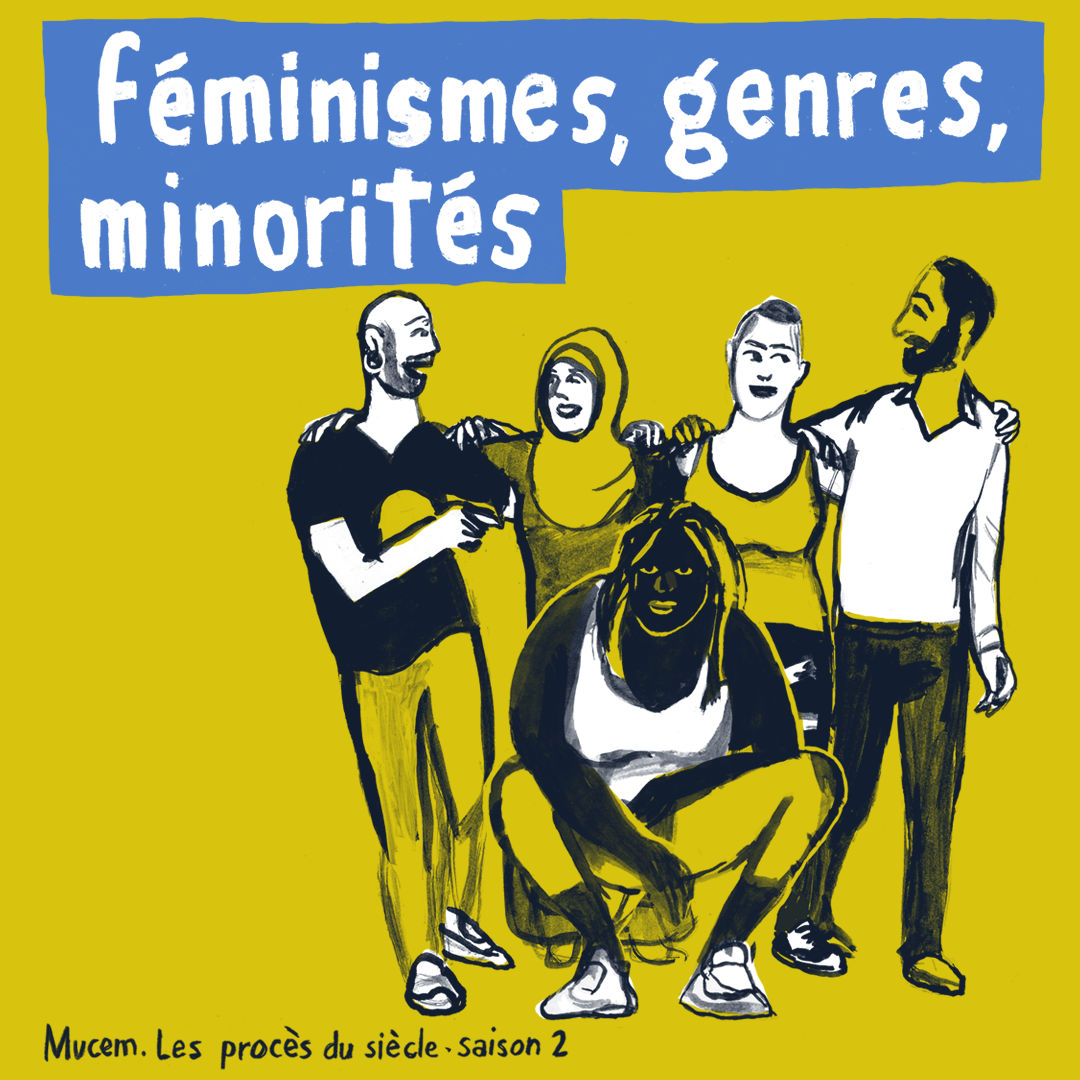
Les procès du siècle — Féminismes, genres, minorités.
Une série de rencontres imaginée et produite par le Mucem.
Réunissant témoins, spécialistes et pièces à conviction, Les Procès du siècle ouvrent un espace d’échanges citoyens.
Après une première saison consacrée aux questions environnementales, cette deuxième saison est dédiée aux minorités dominées, et à leurs manières de s’exprimer, de résister, de revendiquer leurs droits.
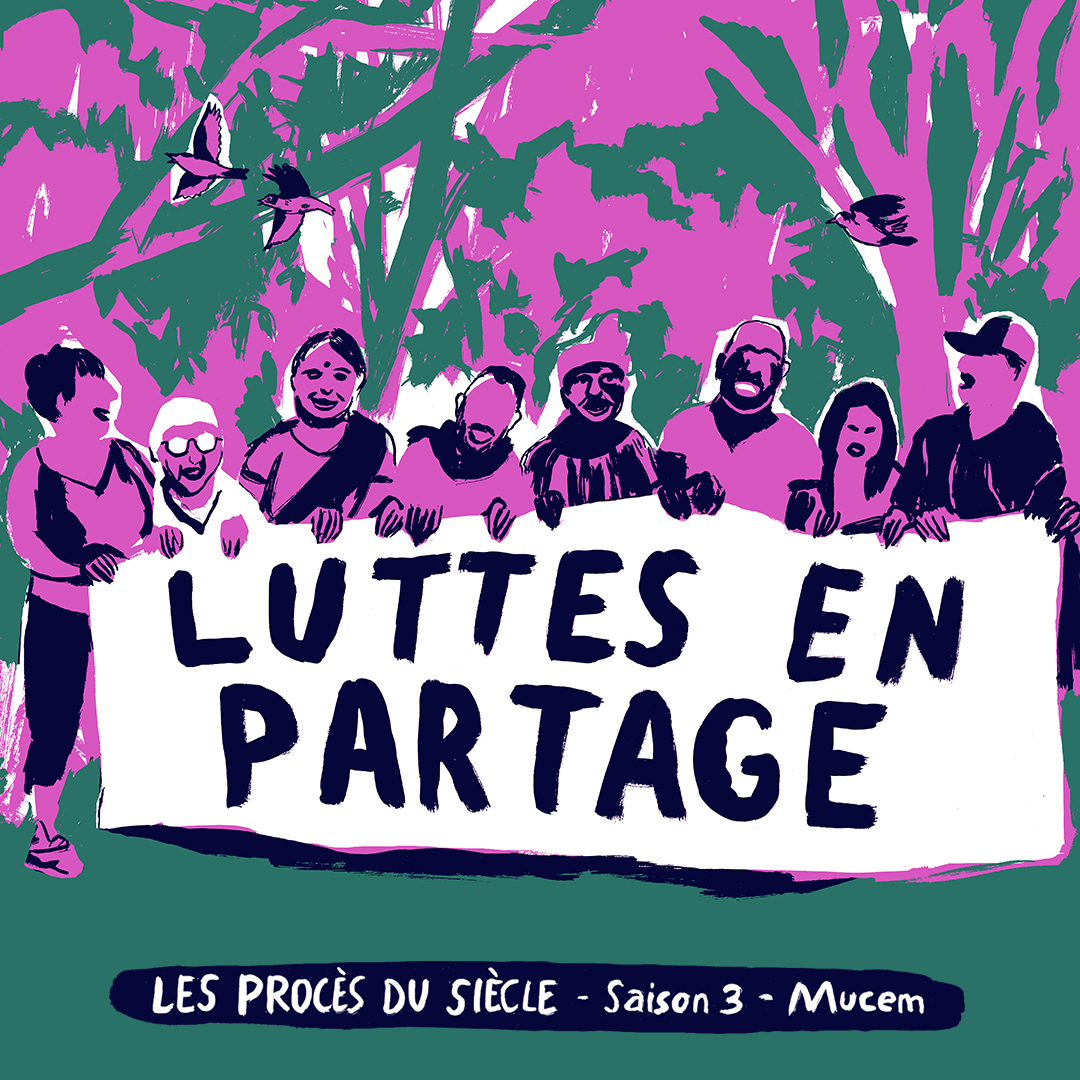
Les Procès du siècle — Luttes en partage
La saison 3 des Procès du siècle en podcast
Une série de rencontres imaginée et produite par le Mucem en collaboration avec Grégoire Ingold.
Un podcast produit et réalisé par Copie Carbone et illustré par Benoît Guillaume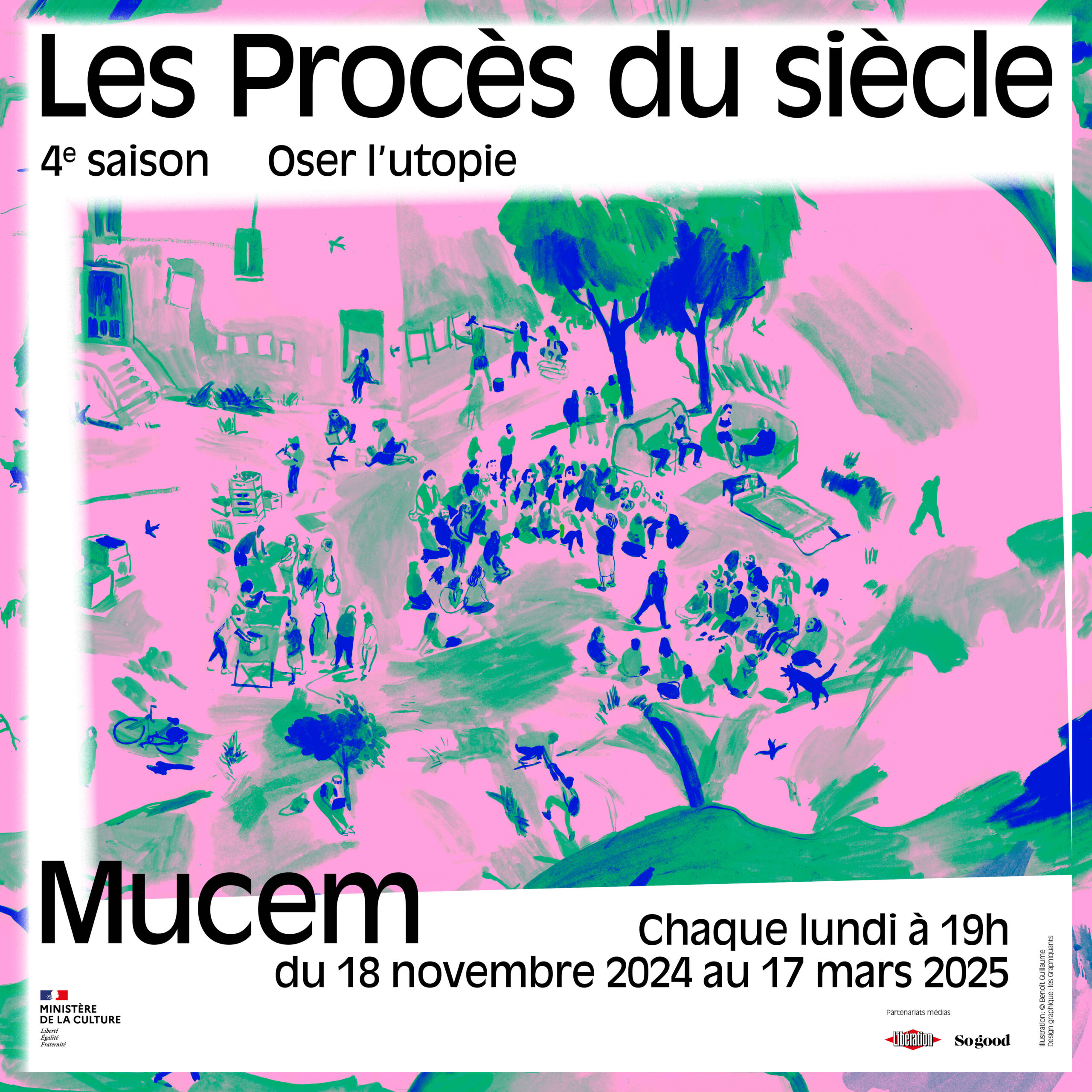
Les Procès du siècle — Oser l'utopie
Cette quatrième saison des Procès du siècle propose d’explorer les utopies concrètes et réelles, les nouveaux modèles à inventer pour avancer vers plus de démocratie, plus d’écologie, plus de solidarité.
Pour vivre mieux, ensemble.
Cette saison 4 parlera d’éducation, de soin, de numérique, d’économie, d’architecture, d’agriculture, de circulations, de respect, de consentement, d’intelligence artificielle, des arbres et des oiseaux. Nous essaierons même parfois d’en rire.