Architecture and garden design in Japan
Regional courses at the École du Louvre
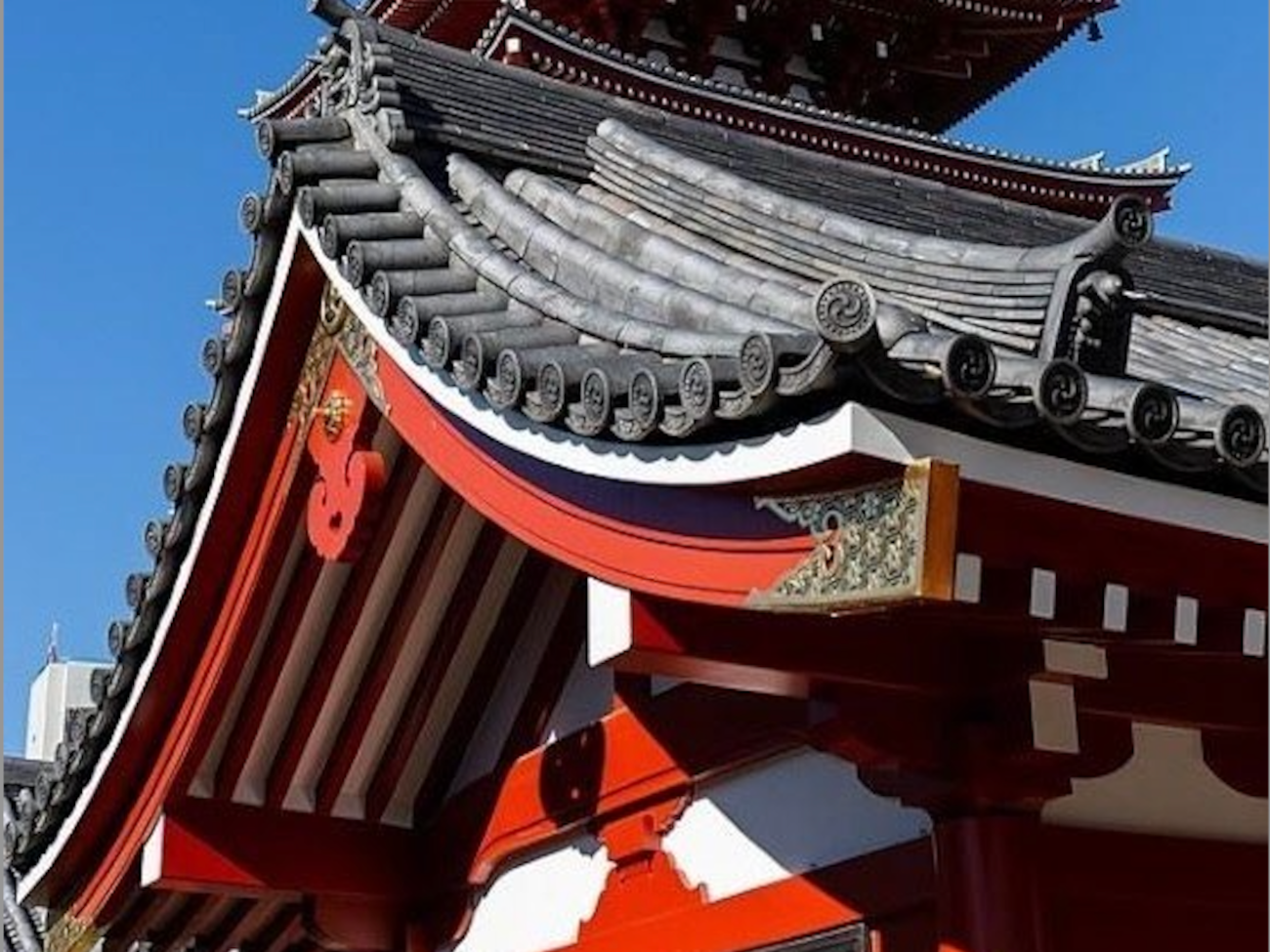
This course will focus not only on architecture and gardens, but also on how the Japanese system of construction and spatial planning, largely borrowed from the Chinese mainland, has been combined with a certain way of inhabiting space, which responds to the specific conditions of the archipelago, its climate and its environment. The aim is to explore traditional housing and identify its specifically Japanese features. The aim is to show and explain how, in both architecture and garden design, everything fits together to form a coherent technical system: how roof shapes, carpentry, tatami layout and interior and exterior decoration are all interconnected; how “grand architecture” – that of palaces and aristocratic residences, Buddhist temple-monasteries dominated by their pagodas, and Shinto shrines where the kami are worshipped – fits in with “vernacular architecture” – that of traditional dwellings, those of peasants and city dwellers, from simple hermitages to tea pavilions.
By Antoine Gournay, Professor of Art History and Far Eastern Archaeology, Sorbonne University
Session 1: Principles of spatial planning Monday, March 3, 2025 from 2:00 pm to 3:30 pm
Session 2: Buddhist temples Monday, March 10, 2025 2:00 pm - 3:30 pm
Session 3: Shinto shrines Monday, March 17, 2025 2:00 pm - 3:30 pm
Session 4: The traditional house Monday, March 24, 2025 from 2:00 to 3:30 p.m.
Session 5: The garden Monday, March 31, 2025 from 2:00 to 3:30 p.m.
This course will focus not only on architecture and gardens, but also on how the Japanese system of construction and spatial planning, largely borrowed from the Chinese mainland, has been combined with a certain way of inhabiting space, which responds to the specific conditions of the archipelago, its climate and its environment. The aim is to explore traditional housing and identify its specifically Japanese features. The aim is to show and explain how, in both architecture and garden design, everything fits together to form a coherent technical system: how roof shapes, carpentry, tatami layout and interior and exterior decoration are all interconnected; how “grand architecture” – that of palaces and aristocratic residences, Buddhist temple-monasteries dominated by their pagodas, and Shinto shrines where the kami are worshipped – fits in with “vernacular architecture” – that of traditional dwellings, those of peasants and city dwellers, from simple hermitages to tea pavilions.
By Antoine Gournay, Professor of Art History and Far Eastern Archaeology, Sorbonne University
Session 1: Principles of spatial planning Monday, March 3, 2025 from 2:00 pm to 3:30 pm
Session 2: Buddhist temples Monday, March 10, 2025 2:00 pm - 3:30 pm
Session 3: Shinto shrines Monday, March 17, 2025 2:00 pm - 3:30 pm
Session 4: The traditional house Monday, March 24, 2025 from 2:00 to 3:30 p.m.
Session 5: The garden Monday, March 31, 2025 from 2:00 to 3:30 p.m.